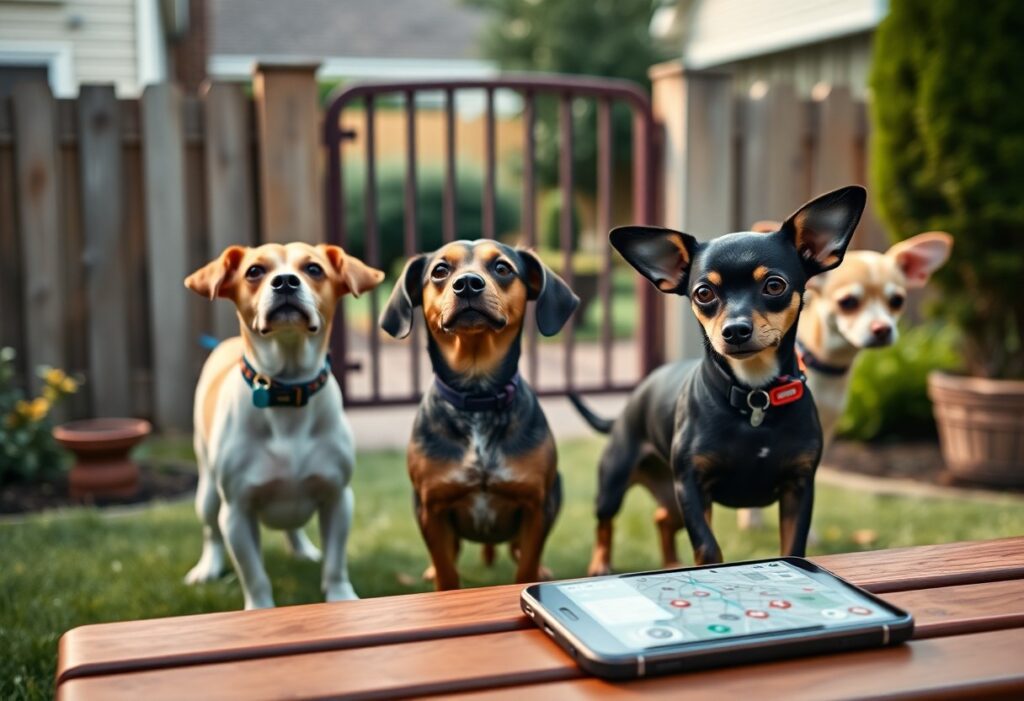
Dogs that bolt require real-time GPS tracking so you can locate them fast; this guide compares wearable trackers for escape-prone small breeds and flags limited range, water resistance, and battery life risks.
The Anatomy of an Escape Artist: Why Small Breeds Bolt
Small escape-prone breeds combine persistent curiosity, high prey drive, and compact bodies, so you must expect sudden bolts. Their knack for slipping past fences and chasing small animals makes untethered escapes dangerous; a wearable GPS helps you locate them quickly.
High Prey Drive and Curiosity in Terriers and Hounds
Terriers and hounds often fixate on scents and moving targets, so you must be ready to chase. Their high prey drive can override recall, making you rely on containment, training, and a wearable tracker that alerts you when they bolt.
Physical Agility and Squeeze-Through Potential
Nimble small breeds squeeze through gaps, slip under gates, and climb low barriers, so you should inspect enclosures often. Their ability to escape tight spaces means a snug harness and GPS collar give you faster recovery when they vanish.
Measure fence gaps and low hedges against your dog’s shoulders and chest so you can prevent slips; some mixes have flexible ribcages that let them squeeze through unexpected openings. Combine physical fixes with a low-profile GPS tag mounted to a snug harness to track escapes that happen in seconds.
Critical Specifications for Small Breed Wearables
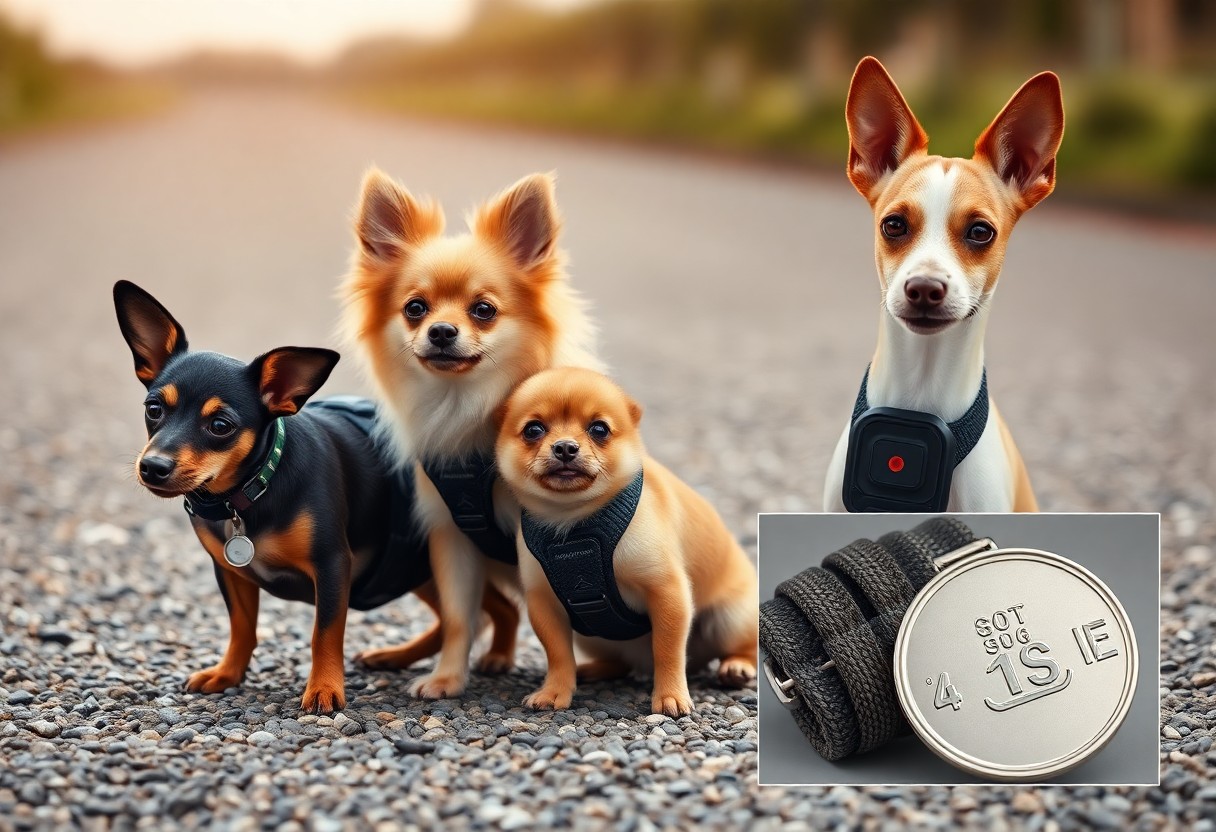
You must prioritize size, fit, and signal accuracy when choosing a tracker for an escape-artist small dog-pick models with lightweight housings, secure attachment, and reliable GPS accuracy, plus waterproofing to avoid failures during escapes.
Minimizing Bulk: The Importance of Device Weight
Lightweight designs let you outfit an escape-prone small dog without hindering movement; aim for devices under 30 grams and low-profile straps so your pet can’t slip them during bursts of speed.
Balancing Battery Longevity with Compact Housing
Power constraints force you to weigh runtime against size; favor models with efficient batteries, low-power modes, and fast charging to keep tracking active without bulky housings.
Consider trade-offs: you can choose replaceable batteries for extended outings or sealed packs for smaller form factors; prioritize devices reporting accurate runtime estimates, offering low-battery alerts, and supporting external power clips or quick swaps so you don’t lose tracking during an escape.
Advanced Tracking Technologies for Real-Time Recovery
Devices with combined GPS, LTE-M, and satellite fallback give you real-time location and faster recoveries for escape-prone small dogs, while local alerts cut search times and reduce the risk of injury or loss.
- High-precision GPS for long-distance fixes and route history.
- LTE-M connectivity to keep trackers online with low power draw.
- Satellite fallback to locate dogs where cellular is unavailable.
- Bluetooth for rapid, short-range finds and low-cost monitoring.
Key Technologies
| Feature | Benefit for you |
|---|---|
| GPS accuracy | Pinpoints your dog outdoors, improving recovery speed and precision. |
| LTE-M | Extends coverage with lower power use so you keep tracking longer. |
| Satellite fallback | Finds your dog in remote areas, though it can mean higher battery drain and costs. |
| Bluetooth | Helps you locate nearby dogs without subscriptions, ideal for close-range retrievals. |
GPS vs. Bluetooth: Why Range Matters for Runners
Runners like you rely on GPS for wide routes because Bluetooth drops after a few dozen meters; choose GPS for open runs and Bluetooth only for quick, nearby recoveries.
The Role of LTE-M and Satellite Connectivity
LTE-M gives you broader cellular reach and lower power use, while satellite fallback boosts chances of locating your dog in remote areas; prefer devices with automatic satellite fallback.
You should evaluate supported cellular bands, roaming policies, and how fast a tracker switches to satellite when LTE-M is absent. Devices with automatic satellite fallback can locate your dog where cellular fails, but expect higher battery drain and possible subscription fees-balance battery life, cost, and fallback reliability to maximize recovery odds.
Top-Tier GPS Tracker Recommendations
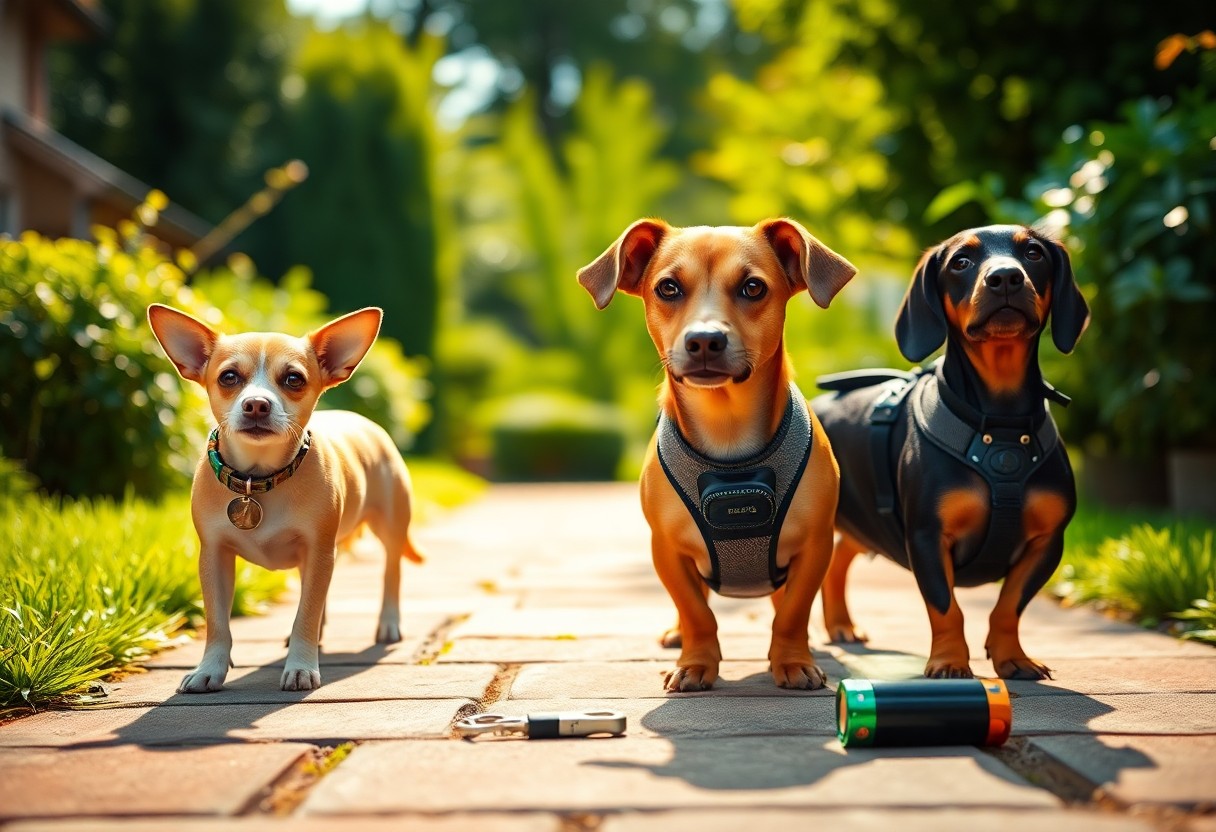
Top-tier GPS choices balance size, fix speed, and attachment security so you can track escape-artist small dogs without bulk; prioritize lightweight units, fast location updates, and waterproof housings to reduce loss risk.
Best Integrated Smart Collars for Petite Frames
Slim smart collars fit tiny necks and give you built-in GPS, activity tracking, plus snug buckles so an escape artist can’t slip free; prefer under-30g models with adjustable secure fastenings.
Best Universal Clip-On Modules for Harnesses
Clip-on modules fasten to harnesses so you can keep GPS away from the neck; choose low-profile designs, steel or reinforced clips, and extended battery life to avoid detachment.
When testing clip-on modules, you should stress-test the clip under movement and surface contact to verify secure locking and avoid accidental release. You can also favor units with replaceable batteries, live tracking, and low-profile mounting to minimize snagging risk while ensuring the module aligns with your harness D-ring or bar.
Proactive Safety and Security Features
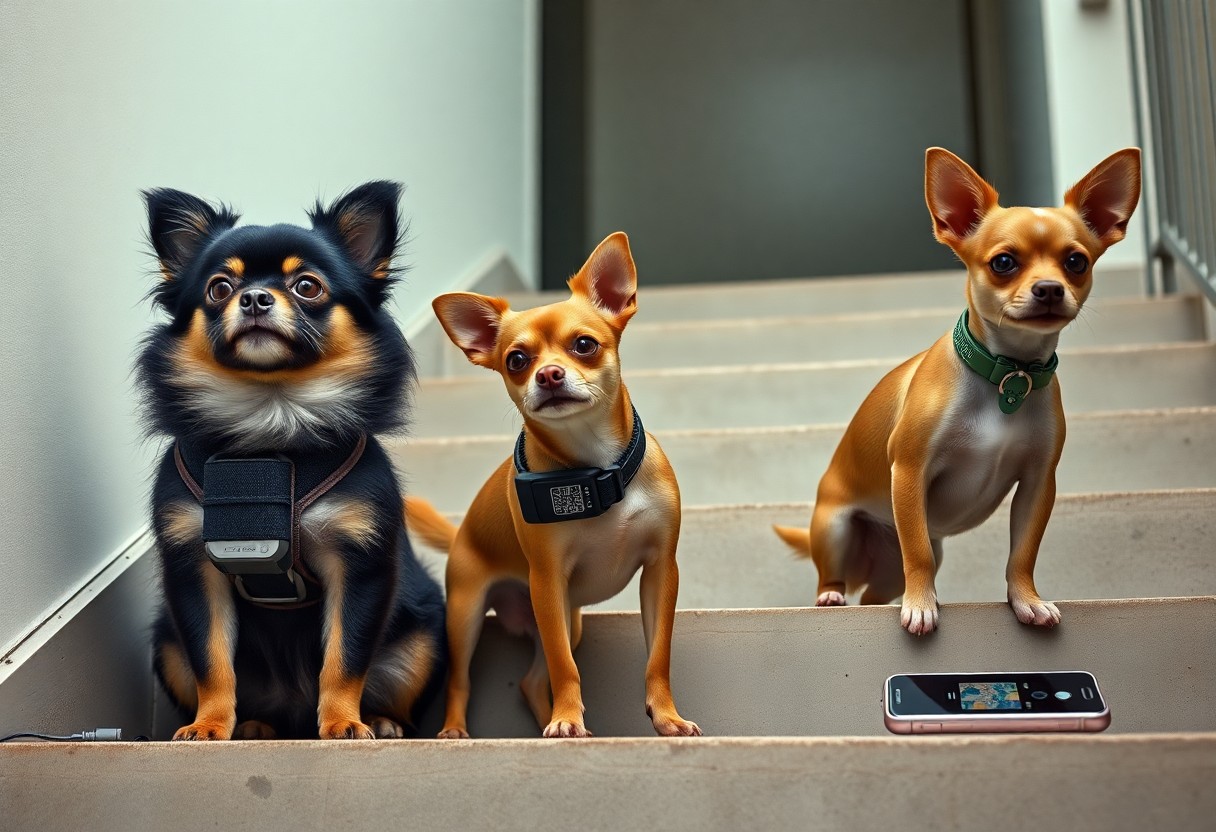
Trackers with proactive features put you ahead of escapes by combining live GPS, SOS buttons, and instant alerts when your small dog leaves its safe zone, helping you respond faster to prevent loss or harm.
Geofencing: Setting Up Virtual Fences and Instant Alerts
You can draw custom virtual fences in the app and get instant alerts the moment a boundary is breached, so you act quickly if your escape-prone pup bolts from the yard.
Low-Light Visibility and Integrated LED Lighting
Integrated LEDs help you spot your dog in dim conditions and reduce the risk of collisions or losses at dusk, making quick recovery much easier.
Choosing an LED-equipped tracker means you must balance brightness, flash modes, and battery drain so you don’t lose the light when you most need it. Adjustable intensity and detachable lights fit tiny collars, while a solid waterproof rating and reliable battery life prevent dangerous failures during nighttime escapes you might otherwise miss. Consider models with high-contrast lenses or reflective trims to boost your dog’s visibility across yards and roads.
Subscription Models and Network Reliability
Plans vary by carrier and device; you should compare monthly versus annual billing, prepaid options, and whether coverage uses cellular or satellite. Watch for service gaps and check provider uptime-losing connectivity can create dead zones where your escape-prone dog becomes hard to locate.
Evaluating Monthly Data Plans and Hidden Costs
Compare plan tiers so you spot activation, overage and roaming charges before buying. You should factor in data caps, multi-year discounts and replacement SIM costs; small monthly savings can hide large annual expenses if you aren’t careful.
Signal Strength in Rural vs. Urban Environments
Urban coverage often offers dense cellular signals, but building canyons create signal shadows that affect accuracy. You should test trackers in both crowded streets and secluded parks to map where reception fails and adjust geofences accordingly to avoid surprises.
Rural terrain typically has fewer towers, so you should run route tests and choose devices supporting LTE‑M/NB‑IoT or dual‑SIM for better carrier options. Consider satellite trackers if you operate far from cell service, but factor in higher costs and potential battery drain; persistent searching also increases exposure to dead zones.
Summing up
Conclusively, you should pick a lightweight, secure wearable GPS with adjustable fit, long battery life, reliable real-time tracking, and geofencing to keep escape-artist small breeds safe; top models offer accurate location, water resistance, and compact design so you can recover your dog quickly.
FAQ
Q: What features should I prioritize when choosing a wearable GPS tracker for an “escape artist” small dog breed?
A: Prioritize low weight (under 30-40 g) and a compact profile so the device does not unbalance or irritate a small dog. Real-time LTE/GPS tracking provides live location updates and better coverage than Bluetooth-only devices. Reliable geofencing with instant escape alerts helps you act fast when a dog bolts. Strong attachment options such as a secure clip, screw-down housing, or a tag-sized tracker that mounts to a harness reduce the chance of loss. Waterproofing rated at least IP67 allows use in wet conditions and prevents shorting if the dog swims. Battery life should match your routine: multi-day standby with configurable update intervals preserves charge, while trackers offering quick-charge or replaceable batteries ease long-term use. Confirm device durability, subscription costs, and local cellular coverage before buying to avoid surprises.
Q: Which specific GPS trackers work best for small “escape artist” dogs, and what are the trade-offs?
A: Jiobit: Very lightweight (about 14 g), designed for small pets, clips securely to harness or collar, uses LTE+GPS for accurate, real-time locations, and offers long battery life in conservative update modes. Trade-off: monthly subscription required and fewer forging features than some competitors. Tractive GPS: Small and affordable with live tracking, good geofence alerts, waterproof housing, and broad coverage in many countries. Trade-off: slightly larger than clip-style trackers and moderate battery life with frequent updates. Fi Series: Known for precise GPS, strong geofencing, LED light and activity tracking; durable build suits active escape-prone dogs. Trade-off: heavier than tiny tags and requires proprietary collar or mounting accessory. Whistle Go Explore: Combines GPS tracking with health and activity monitoring, good battery life and robust app alerts. Trade-off: heavier profile and subscription fee. Apple AirTag (as a supplemental tool): Extremely small and inexpensive with no ongoing fee, excellent in urban areas using the Find My network. Trade-off: not a true GPS, dependent on nearby Apple devices for updates, limited usefulness in rural areas. Choose a primary LTE/GPS tracker for reliable recovery, and consider a lightweight AirTag as a backup if your routine stays near populated zones.
Q: What practical steps reduce the chance an escape artist dog will lose its GPS tracker and improve recovery odds?
A: Attach the tracker to a well-fitted harness instead of a breakaway collar to avoid accidental detachment while maintaining canine safety. Use a secondary attachment method such as a steel split ring plus a locking carabiner or a small safety screw when supported by the tracker design. Inspect mounting hardware daily for wear and replace worn parts immediately. Set tight geofence radii and enable instant escape alerts so you can start searching while the scent trail is fresh. Keep firmware and the tracking app updated, maintain the subscription and battery charge, and test real-world accuracy in your neighborhood before relying on the device in an emergency. Carry a backup ID tag, ensure microchip registration is current, and place a compact tracker or AirTag as a secondary locator if you often enter low-coverage areas.