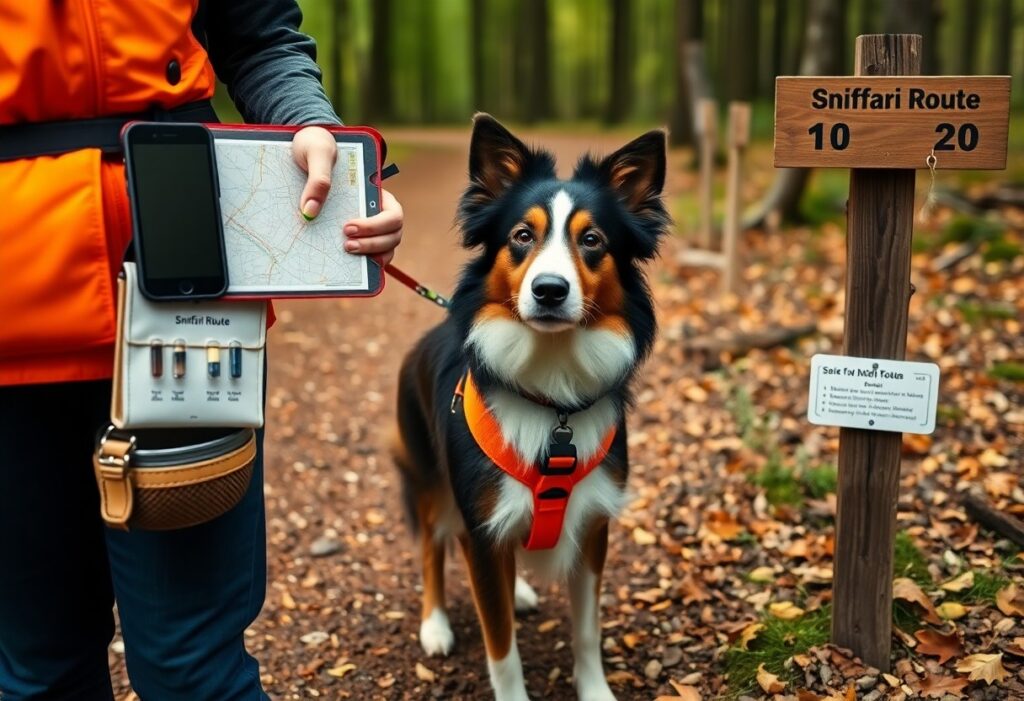
Over several short walks you teach your dog to follow scents, which boosts mental stimulation, but you must avoid busy roads and toxic plants to prevent injury; start with short, rewarded sessions to build success.
Key Takeaways:
- Sniffaris are scent-focused walks that prioritize allowing dogs to explore odors; these walks provide strong mental enrichment, curb boredom-driven behaviors, and can reduce leash-pulling when dogs are given sniff time.
- Plan routes and gear to support sniffing: pick safe, low-traffic areas, use a long line or comfortable harness, keep walks short and frequent, and avoid forcing pace or constant recalls during sniff sessions.
- Teach handler skills and set clear expectations: practice patience and basic cues like “leave it” and “let’s go,” monitor your dog’s stress signals, increase duration over time, and note which environments and scents your dog prefers.
Understanding the Concept: What is a Sniffari?
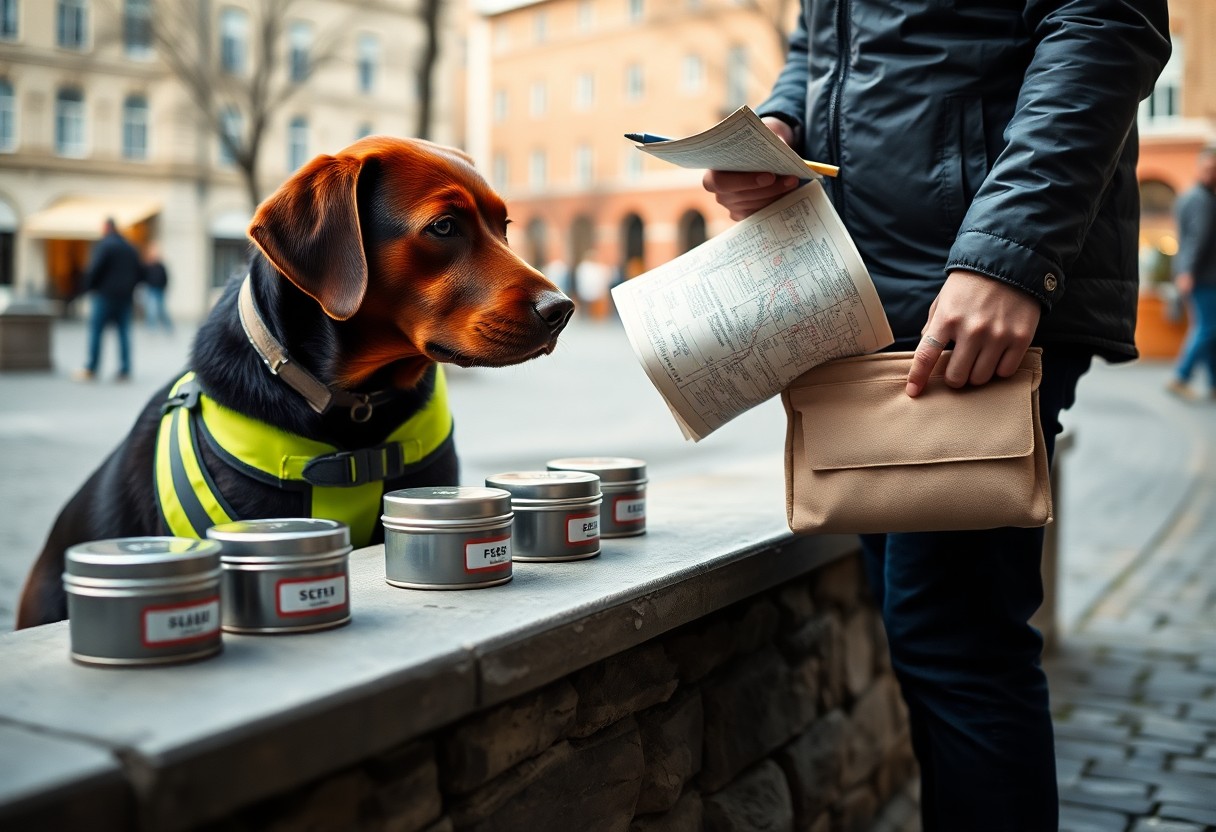
You turn ordinary walks into concentrated scent explorations where your dog follows smells, satisfies instincts, and gains mental work; a Sniffari values scent engagement over distance. Keep routes varied, limit session length, and watch for hazards like traffic or toxic plants.
The Science of Canine Olfactory Processing
Scent receptors let your dog build a detailed odor map; your dog detects millions more scent molecules than you and uses the olfactory bulb to decode surroundings. Allow short sniff stops so your dog can process information; this is a powerful, primary sense guiding behavior.
Psychological Benefits of Mental Enrichment
Play-focused sniffing reduces boredom and anxiety, channels excess energy, and often leaves your dog calmer at home; you’ll notice steadier behavior after regular sessions. Include varied scent challenges and predictable rewards for positive mental stimulation.
Regular Sniffaris give your dog sustained cognitive work: following scent trails trains decision-making, pattern recognition, and impulse control. You’ll often see reduced reactivity, better focus during training, and deeper rest after outings. Watch for overstimulation or exposure to toxins; keep sessions short, supervise near roads, and use calm praise to reinforce success.
Essential Preparation Factors
- Sniffari
- scent-based dog walk
- harness
- long line
- safe environments
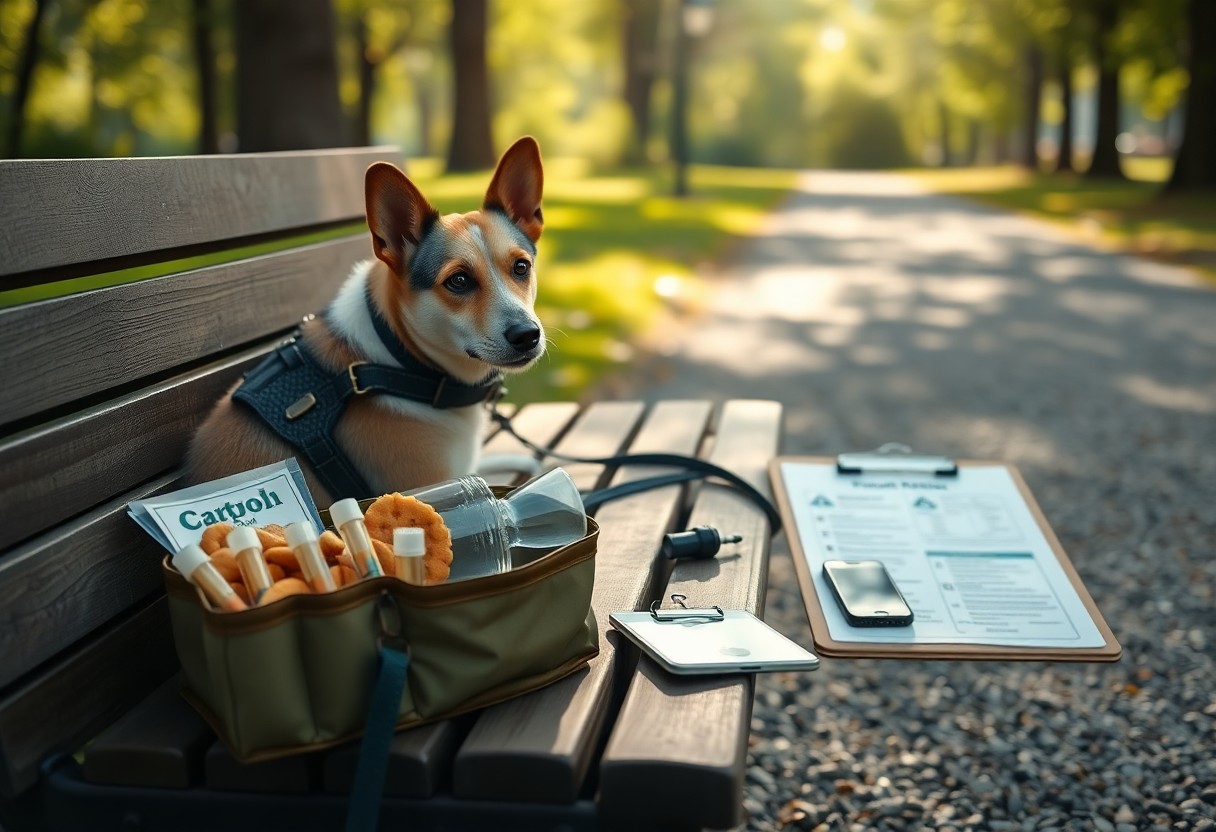
- Prepare by checking your dog’s health, vaccination status, and energy level, and pack water, treats, and waste bags. Watch for hazards like broken glass or aggressive dogs and prioritize areas with varied scents. Assume that you will adjust route and pace to keep your dog safe and engaged.
- Selecting the Proper Harness and Long Line
- Choose a well-fitting harness that prevents slipping and a long line (10-30 ft) to give scent freedom while retaining control. You should practice recalls on short lines before expanding distance and inspect clips and seams regularly to avoid escapes.
- Identifying Safe and Stimulating Environments
- Scout parks, nature trails, and quiet neighborhoods with diverse scent sources and low vehicle traffic; avoid spots with toxic plants or frequent wildlife encounters. You should favor areas where you can see your dog and limit access to hazards so sessions stay positive and low-risk.
- Look beyond obvious spots and seek varied substrates-grassy edges, leaf litter, paths, and wooded margins-to maximize scent layers and engagement. You should check local rules for off-leash allowances, recent pesticide use, and seasonal risks like ticks or blue-green algae. Observe foot traffic, livestock presence, and recent mowing, and avoid private property or known chemical treatments to keep outings safe.
- How to Execute Your First Sniffari
- Start your first Sniffari in a quiet area, keep sessions short, let your dog lead the pace, and mark discoveries with treats; watch for traffic hazards and signs of fatigue while reinforcing focused sniffing.
- Transitioning from Traditional Walks to Scent-Work
- Shift into scent-work by shortening routes, rewarding every find, and pausing often so your dog can explore; avoid yanking the leash and instead praise with treats to build confidence.
- Mastering the Art of Loose-Lead Following
- Practice keeping slack in the leash, rewarding your dog when they check in, and turning toward them to teach loose-lead walking, which reduces pulls and keeps you both safe from road hazards.
- Focus on short, frequent drills where you stop when the leash tightens and move only when slack returns; reward attention immediately, correct pulls calmly, and avoid jerking near traffic while using high-value treats to reinforce consistency.
- Safety Tips for Scent-Based Exploration
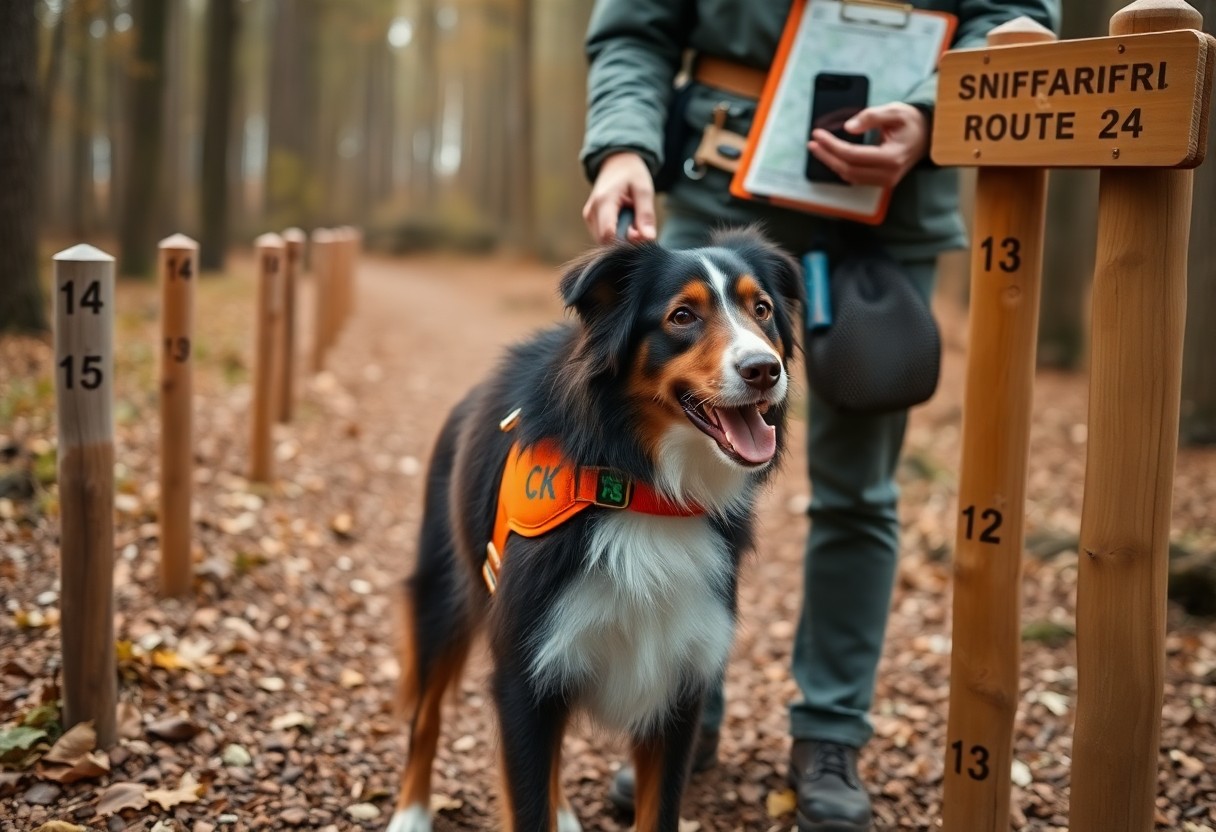
- Keep your Sniffari outings safe by pacing scents, checking gear, and keeping your dog leashed where required. Assume that unknown smells can mask hazards like traffic or poisonous plants.
- Plan scent-based routes away from busy roads.
- Carry water, a compact first-aid kit, and waste bags.
- Avoid extreme heat and slick surfaces to reduce heatstroke risk.
- Assessing Environmental Hazards and Weather
- Check ground temperature, wind, and recent pesticide reports so you can reroute if you find poisonous plants or flooded paths; carry water to avoid heatstroke.
- Managing Interactions and Distractions
- Handle greetings on-leash, give space to unfamiliar dogs, and use a firm cue to interrupt chasing so you keep control during scent time; watch for aggressive dogs.
- When you meet other dogs, approach slowly, give a calm command, and reward steady focus with high-value treats; practice short, controlled sniff breaks and end interactions at the first sign of tension-stiff posture, raised hackles, or fixed staring. Carry a short leash and step away if an encounter escalates toward lunging or biting to protect both dogs and keep the Sniffari positive.
- To wrap up
- As a reminder, you should choose scent-rich routes, allow ample sniff time, maintain a loose leash, monitor your dog’s energy and safety, and increase difficulty slowly as your dog gains confidence.
- FAQ
- Q: What is a Sniffari and why should I try scent-based dog walks?
- A: A Sniffari is a walk designed to let a dog follow scents and explore with its nose as the primary activity, rather than focusing on distance or speed. Mental enrichment from scent work reduces boredom, lowers stress, and can improve behaviors like excessive barking and hyperactivity by giving dogs a purposeful outlet. Scent-driven walks meet dogs’ natural instincts, build confidence in shy dogs, and provide low-impact exercise for seniors or dogs recovering from physical issues. Owners often report calmer behavior at home after regular Sniffaris and stronger dog-handler bonds because the handler learns to read and respect the dog’s choices.
- Q: How do I plan and prepare a safe, successful Sniffari?
- A: Choose a location with varied smells and low human/dog traffic such as parks, woodlands, trails, or edge habitats; check local leash laws and hours. Use a comfortable harness and a long leash or training line (5-15 meters) to give freedom while retaining control. Pack water, collapsible bowl, poop bags, a few high-value treats, and a towel or mat for rests. Check your dog’s health and basic cues-recall and loose-leash skills help with safety but do not need to be perfect before starting. Inspect the area for hazards like broken glass, foxtails, poisonous plants, and standing water; perform tick and paw checks after the walk. For dogs that are reactive or insecure, begin with short, quiet Sniffaris and consider working with a certified trainer before expanding to busy areas.
- Q: What are practical techniques and a step-by-step routine for running a Sniffari?
- A: Begin with a calm arrival: allow the dog a minute to orient to the new environment while on leash. Start the walk by lowering the leash length and letting the dog pick a scent trail; follow the dog’s head and body language rather than pulling them along. Pause frequently and give at least 30-90 seconds at each sniff spot so the dog can fully investigate. Use soft, occasional praise or small treats when you need the dog to move on, and avoid dragging the dog away. Introduce short scent games like hiding a treat under a leaf or tossing small rewards off the path to encourage searching. Keep sessions short for beginners-15-30 minutes per Sniffari-and increase duration as the dog shows engagement and stamina. End on a positive signal such as a favorite phrase, a final treat, and a calm leash-up routine so the dog associates finishing with something pleasant. For groups, maintain spacing between dogs, control exits to higher-traffic areas, and pre-screen participants for compatibility. For dogs with mobility limits, focus on frequent but very short sniff stops and provide a portable mat for rests. Clean up after your dog and report hazards or unsafe behavior to local managers when necessary.