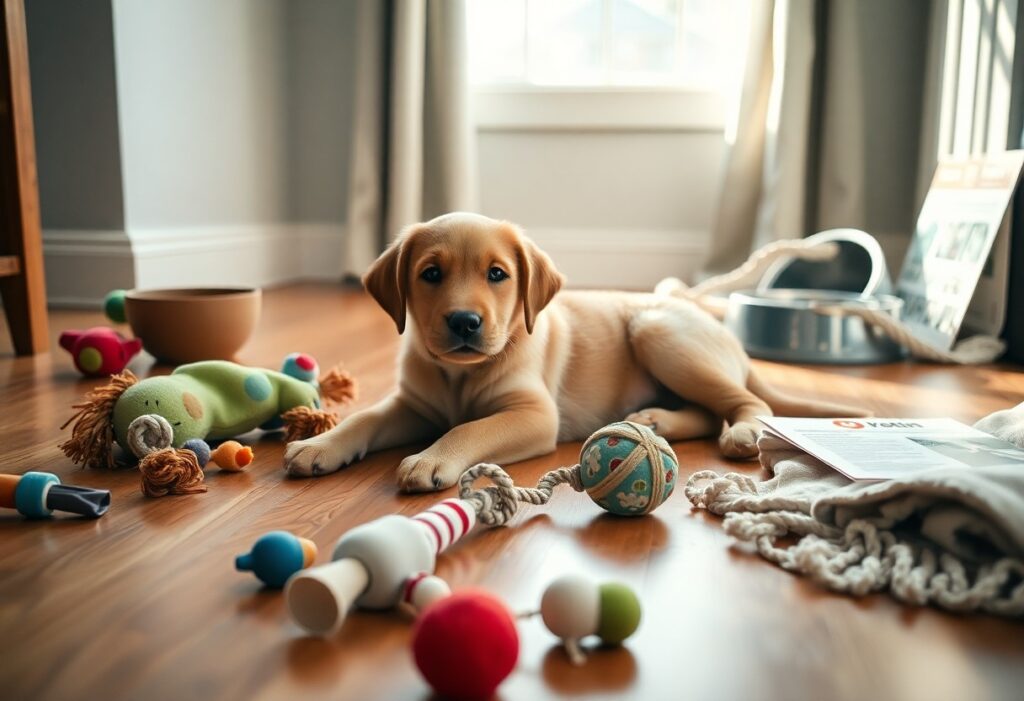
Just because your pup ignores toys doesn’t mean play is over; you can fix it by checking for pain or illness, swapping boring toys for interactive, safe options, and rebuilding play with short, consistent sessions-seek a vet if you spot lethargy or injury.
Key Takeaways:
- Health issues, teething, pain, or illness can stop play; consult a vet and address any medical causes.
- Boredom or mismatched toys reduce interest; rotate toys, introduce varied textures and interactive puzzles, and choose items suited to the puppy’s age and chewing style.
- Routine, socialization, and training influence play drive; schedule short engaging sessions, use praise and high-value treats to reintroduce toys, and arrange safe playdates.
Identifying Factors Behind Sudden Disinterest
Signs that your puppy’s play drop-off include pain, anxiety, or simple boredom; evaluate for teething, illness and changes in routine. Check for stress or environmental shifts. Thou should prioritize veterinary checks for persistent lethargy or bleeding.
- Teething
- Illness
- Boredom
- Fear/Stress
- Routine change
Teething and physical discomfort
Teething pain can make your puppy ignore toys; sore gums cause reduced chewing and fussiness. Offer chilled soft chews, supervise play, and contact your vet if you observe persistent drooling, bleeding, or fever.
Sensory boredom and lack of novelty
Novelty fades fast; your puppy may ignore toys that lack scent, texture, or challenge. Rotate items weekly, hide treats in toys, and introduce short training games to restore engagement and playful energy.
Consider varying toy types-squeakers, ropes, food puzzles-and adding new scents or short supervised novelty sessions; consistent boring toys can lead to destructive chewing, so rotate and praise exploration to keep your puppy curious.
How to Evaluate Your Puppy’s Current Toy Selection
Check your puppy’s toy basket for variety, condition, and appeal. You should note worn, soggy, or torn items and replace anything with loose stuffing or detached parts.
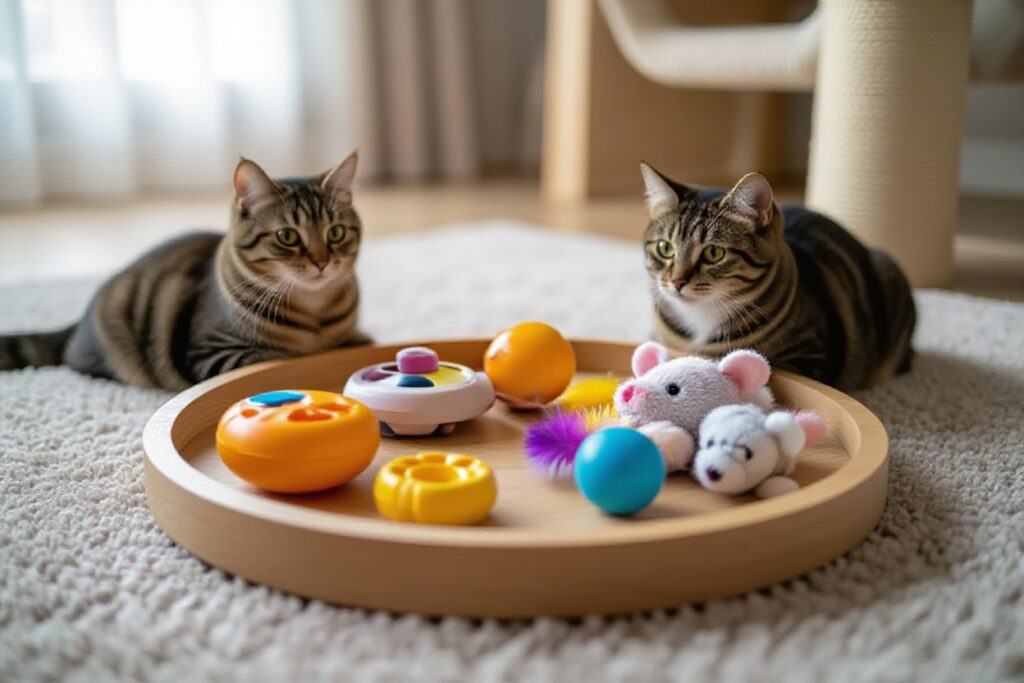
Categorizing by texture and sound
Feel different textures-soft plush, rubber, rope-and listen for squeaks; you should track which textures and sounds excite your puppy most. Mark toys that are too noisy or prone to breakage.
Determining appropriate size and safety
Measure toy size relative to your puppy’s mouth; avoid toys with small parts or loose pieces that pose choking risks. Keep only items labeled for your puppy’s age and chewing strength.
Inspect toys regularly for fraying, cracks, or exposed stuffing; you should remove any item that shows damage because it becomes a choking hazard or causes intestinal blockage if swallowed. Match toy diameter to your puppy’s jaw so it can’t fit entirely inside the mouth, choose non-toxic, durable materials for strong chewers, and supervise high-value items until you’re confident they’re safe.
Essential Tips for Effective Toy Rotation
Rotate your toy collection to renew interest: pull a few items for storage and reintroduce them later to boost play and toy rotation effectiveness. Knowing to inspect for choking hazards and retire damaged toys keeps play safe.
- Toy rotation: swap groups every 3-7 days
- Types: mix chew, puzzle, fetch
- Inspect: discard damaged pieces immediately
Implementing a weekly schedule
Plan a simple weekly schedule that rotates groups of toys so your puppy meets novelty without overwhelm; mark swap days and keep sessions short to sustain interest and track progress.
Storing toys out of sight to maintain value
Hide excess items in opaque bins or a closet so each return feels like a reward; storing toys out of sight preserves novelty and increases engagement while limiting scent cues that reduce interest.
Check that stored items are clean, dry, and free of loose parts; place small, torn, or chewed pieces in a separate discard bin to avoid accidental ingestion. Use opaque bins with lids and swap toys by theme to trigger curiosity while ensuring supervised play with high-value items.
Environmental Factors Influencing Play Behavior
Environment shapes your puppy’s play behavior; loud rooms, clutter, and competing activities can reduce interest. Check for distractions, limited space, and unsafe items. Thou must remove hazards and create a calm, inviting area for consistent play.
- Noise
- Visitors
- Space & Safety
Distractions in the home environment
Rooms with TVs, other pets, or constant foot traffic pull your puppy away from toys; you should limit visible stimuli and offer high-value toys during quiet moments to rebuild interest.
Over-stimulation and exhaustion levels
Noise and nonstop activity can over-stimulate or exhaust your puppy, making toys unappealing; you should schedule calm periods and short, focused play sessions to restore enthusiasm.
Monitor signs like heavy panting, wobbliness, or ignoring toys; these point to exhaustion or overwhelm and may need immediate rest, cooling, or vet care if collapse occurs. You can break play into brief bursts, provide gentle enrichment, and use predictable routines to prevent recurrence.
Tips for Introducing New Enrichment Options
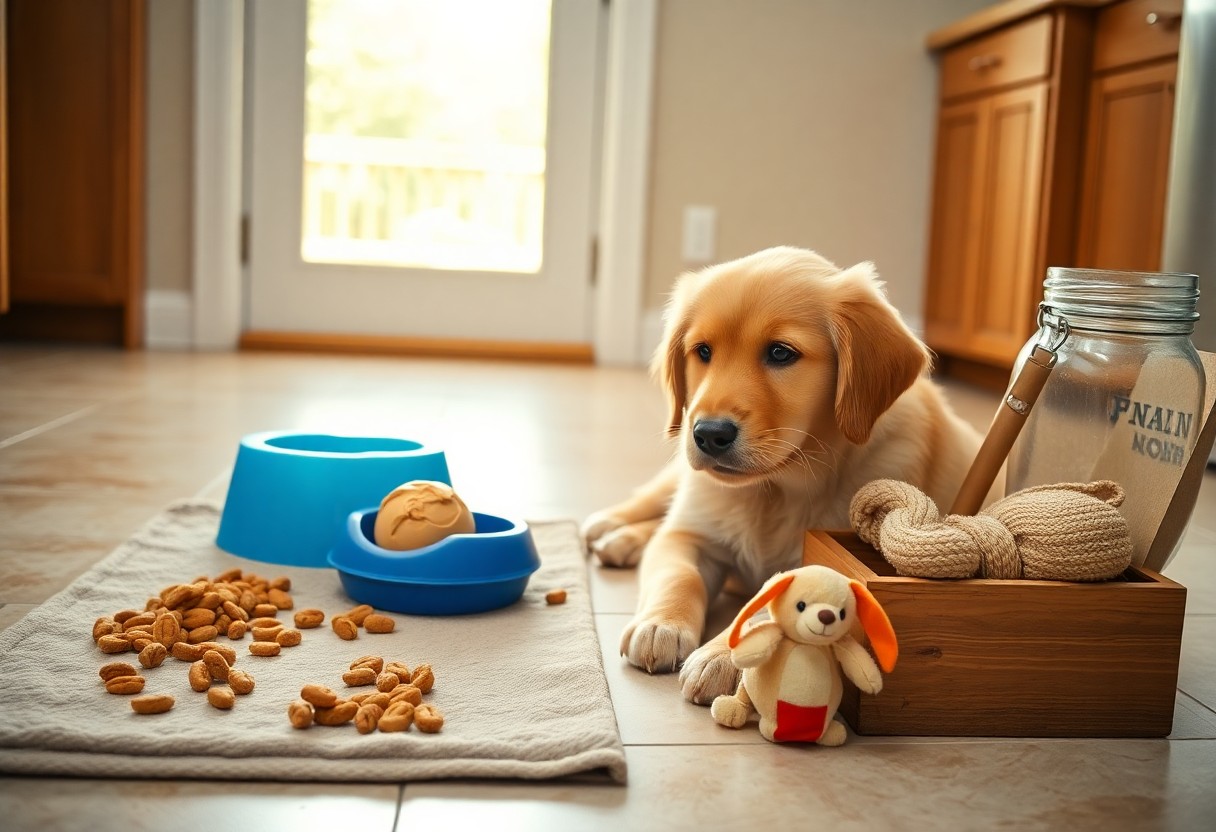
Try rotating toys and introducing new enrichment options in short sessions to keep your puppy curious. Assume that you watch for choking hazards and stop items that cause stress.
- Short sessions to build interest
- Rotate toys to prevent boredom
- Supervised play for safety
Selecting food-dispensing alternatives
Choose durable food-dispensing toys that match your puppy’s size and use soft kibble to avoid a choking hazard. You should rotate items and supervise new devices to gauge interest and safety.
Transitioning to age-appropriate challenges
Update puzzles in small steps so you offer age-appropriate challenges that reward success and build confidence; avoid tasks that frustrate your puppy.
Increase difficulty by reducing treat visibility, adding short delays, or combining scents and textures; you should watch for signs of frustration like pawing or avoidance and lower the challenge if needed. Introduce supervised solo play to boost independence and keep sessions under 10 minutes for sustained interest.
Conclusion
You can restore your puppy’s play by rotating toys, matching sessions to their energy, ruling out health or teething issues, and rewarding curiosity; brief, consistent interaction rebuilds interest and confidence.
FAQ
Q: Why did my puppy stop playing with their toys?
A: Puppies stop playing for several common reasons. Teething pain can make chewing uncomfortable, so a toy that used to be fun might feel sharp or irritating. Boredom can set in when toys never change or when playtime is always the same routine. Health issues such as ear infections, dental problems, or digestive upset often reduce energy and interest in play. Environmental changes like a new home, a different household routine, or added stress from visitors or loud noises can also shut down playful behavior. Check your puppy for signs of pain or illness, swap in fresh toy textures and scents, and reintroduce play in short, calm sessions to see if interest returns.
Q: How can I tell if the drop in play is a medical problem or just normal behavior?
A: Look for accompanying signs that point to a medical issue. Loss of appetite, lethargy beyond the usual puppy naps, limping, difficulty chewing, vomiting, diarrhea, or fever suggest a vet visit. If your puppy avoids being touched in one area, yelps when moving, or refuses high-value treats, those are red flags for pain. Observe play across different times of day and with different people; if no one can elicit interest but the pup otherwise seems bright and active, the cause is more likely behavioral. When in doubt, a prompt veterinary exam rules out infection, dental disease, parasites, or other conditions that reduce play drive.
Q: What practical steps will get my puppy playing with toys again?
A: Rotate a small selection of toys every few days so each one feels novel. Pair toys with something your puppy loves: hide small treats inside puzzle toys, rub a bit of chicken or a favorite scent on a plush, or use a squeaky toy during short, supervised reward sessions. Turn basic training into play by asking for a sit or down, then immediately offering the toy and praise; that builds a game association. Try interactive formats like short fetch, gentle tug, or hide-and-seek rather than leaving a pile of toys out. Introduce safe teething options such as chilled rubber chews if chewing hurts. Keep sessions brief and upbeat, and increase exercise and social time so your puppy’s physical and mental needs are met before expecting sustained toy play.