You can keep your senior dog mentally sharp with gentle puzzle toys, scent games, and short interactive sessions; prioritize safety and avoid falls or overexertion, while enjoying improved cognition and reduced anxiety from regular low-impact enrichment.
Key Takeaways:
- Gentle puzzle toys and scent games provide mental stimulation while minimizing strain on aging joints.
- Short, frequent play sessions prevent fatigue and keep engagement high for senior dogs.
- Owners should adapt game difficulty and use high-value rewards to match changing abilities and maintain confidence.
Understanding the Aging Canine Brain
Aging alters your dog’s cognition, causing slower learning, memory lapses, and altered sleep-wake cycles; you should watch for disorientation, confusion, and sudden anxiety as these signal brain changes rather than normal stubbornness.
Identifying signs of cognitive decline and CCD
Observe shifts in appetite, house-soiling, pacing, or decreased interaction; you should suspect canine cognitive dysfunction (CCD) if your dog shows repetitive behaviors, disorientation, or sudden fear, and consult your vet for assessment.
The link between mental stimulation and physical longevity
Active mental games preserve neural pathways and reduce boredom; you can help your dog maintain mobility and reduce decline, with improved mood and potentially longer, healthier years when stimulation is consistent.
Regularly offering scent work, gentle puzzle feeders, short training sessions, and slow indoor obstacle walks keeps your dog’s brain engaged without straining joints. You will see better coordination, sustained interest in movement, and reduced restlessness; combine mental tasks with light activity to support muscle tone. Watch for fatigue or stiffness-overexertion can worsen joint pain-and tailor games to your dog’s stamina.
Olfactory Enrichment: Scent Work for Limited Mobility
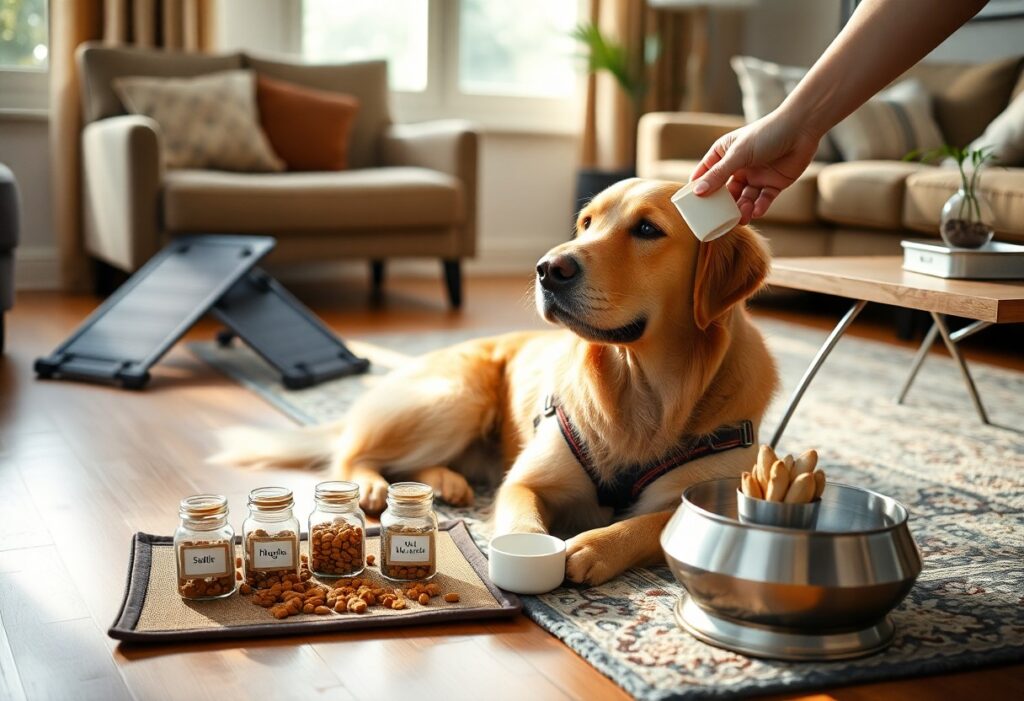
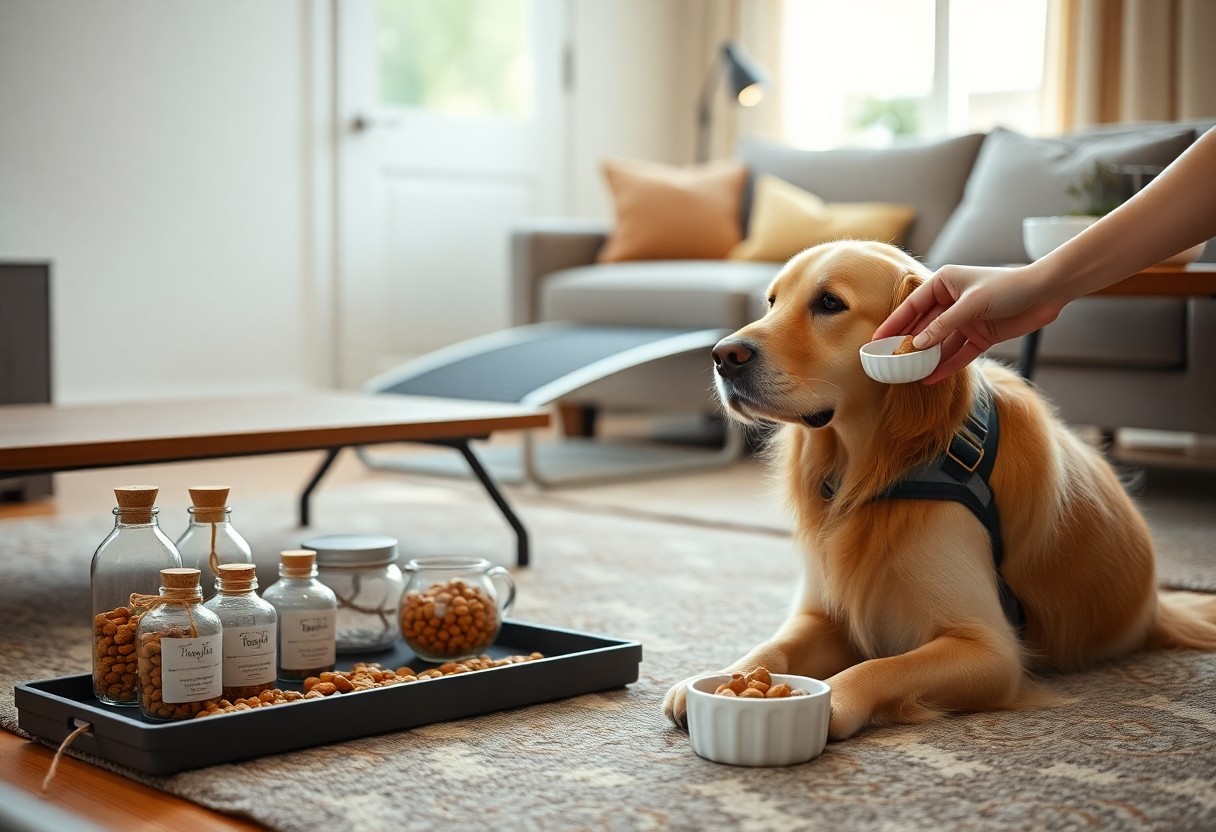
You can provide powerful mental stimulation without strain by using scent games that let your senior dog rely on nose work rather than mobility. Hide small treats in easy-to-reach spots, keep sessions short, and supervise closely to prevent ingestion of non-food items.
The “Find It” game: Low-energy foraging techniques
Try the “Find It” game by scattering treats around a room or on a low table so your dog sniffs them out at their pace; keep rewards small, use scent-rich treats, and avoid choking hazards by choosing appropriate sizes.
Utilizing snuffle mats to encourage natural instincts
Use a snuffle mat to lengthen meal times and satisfy natural foraging instincts; place kibble or soft treats within folds, wash the mat regularly, and inspect for loose threads or chewing to keep your dog safe.
Place the snuffle mat on a low, stable surface or in your lap so your senior reaches it without strain. Offer soft, scent-rich treats if dental issues exist, rotate hiding spots to keep interest, and limit sessions to a few minutes. Wash the mat regularly and monitor for chewing or loose pieces to prevent swallowing hazards.
Interactive Food Puzzles and Treat Dispensers
Puzzles that slowly release kibble or wet treats let you keep engagement low-impact while challenging scenting and paw skills; you pick versions with non-slip bases and soft, low-bite materials to avoid strain, and avoid small parts that present a choking hazard.
Selecting soft-material puzzles for dental sensitivity
Choose puzzles made from soft, pliable materials so you don’t stress fragile teeth; you inspect edges for wear, wash frequently to prevent mold, and avoid hard plastics or tiny pieces that can become a choking hazard.
DIY muffin tin games for cognitive problem solving
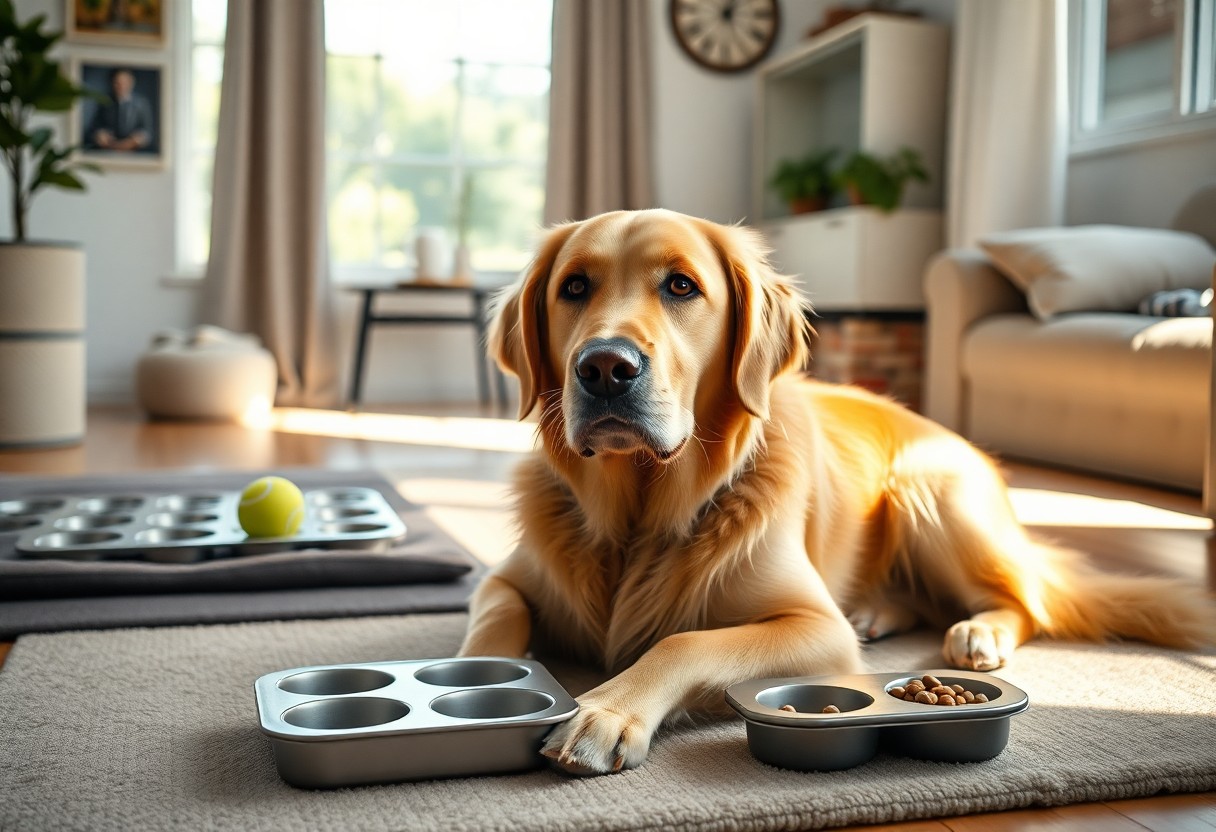
Try simple muffin-tin games by hiding treats under cups or soft fabric so you can boost problem solving without heavy movement; you vary difficulty and always use soft covers if dental sensitivity is present, removing any small lids that could be a choking hazard.
Muffin-tin setups let you scale challenge simply: start with open cups and visible treats, then partially cover with soft cloths or paper liners so you can increase problem solving. You can mix scent-only trials by smearing a bit of treat on extra cups, and rotate contents to prevent boredom. Always supervise sessions, use soft covers for dental sensitivity, and clean liners to avoid mold or bacterial buildup.
Modified Training for Mental Sharpness
You can keep cognitive circuits active with short, low-impact training sessions that fit senior energy levels. Use gentle cue refreshers, short duration, and bright, consistent rewards to sustain attention. Avoid repeated strenuous activity; prioritize mental wins to preserve mobility and reduce frustration.
Reinforcing basic cues to improve neuroplasticity
Practice brief, frequent cue refreshers to strengthen your dog’s neural pathways-5-10 minute sessions multiple times daily work well. Keep commands simple, rewards immediate, and end on a success to build positive associations and encourage learning.
Implementing hand signals for dogs with hearing loss
Use clear, exaggerated hand signals and pair them with a visible reward; start close to your dog and gradually increase distance. Mark correct responses with treats and calm touch so you create consistent, reliable communication.
Begin teaching one signal at a time: choose high-contrast gestures, keep movements simple, and always follow a correct sign with a pleasant reward. If your dog has vision issues too, add a gentle tap or light flash; watch for fatigue and stop before your dog becomes overstimulated or stressed.
Sensory Stimulation Beyond Play
Scent-focused activities, gentle textures, and soft sounds keep aging dogs mentally active without strain. You can rotate fabrics and use low-volume nature tracks to provide calming input while avoiding overstimulation that can stress sensitive seniors.
Introducing novel textures and calming auditory cues
Textures with varied firmness and familiar scents invite gentle investigation; pair them with low-volume classical or nature tracks so you provide calming stimulation that encourages sniffing, pawing, and slow problem-solving without physical strain.
The benefits of therapeutic touch and massage sessions
Massage improves circulation, eases stiffness, and supports calm behavior, giving you a practical way to offer reduced pain and increased mobility; always watch for signs of discomfort and stop if your dog tenses or pulls away.
Regularly use short, 5-10 minute sessions focusing on long, gentle strokes along muscles and away from the heart to relieve tension; employ light pressure over arthritic joints and avoid deep kneading on inflamed areas. You should monitor breathing, vocal cues, and body language; if you notice increased panting, flinching, or reluctance, pause and consult your vet, especially with histories of cancer, fractures, or advanced cardiac issues. These sessions deliver improved mobility and reduced anxiety when done correctly.
Creating a Safe Environment for Senior Play
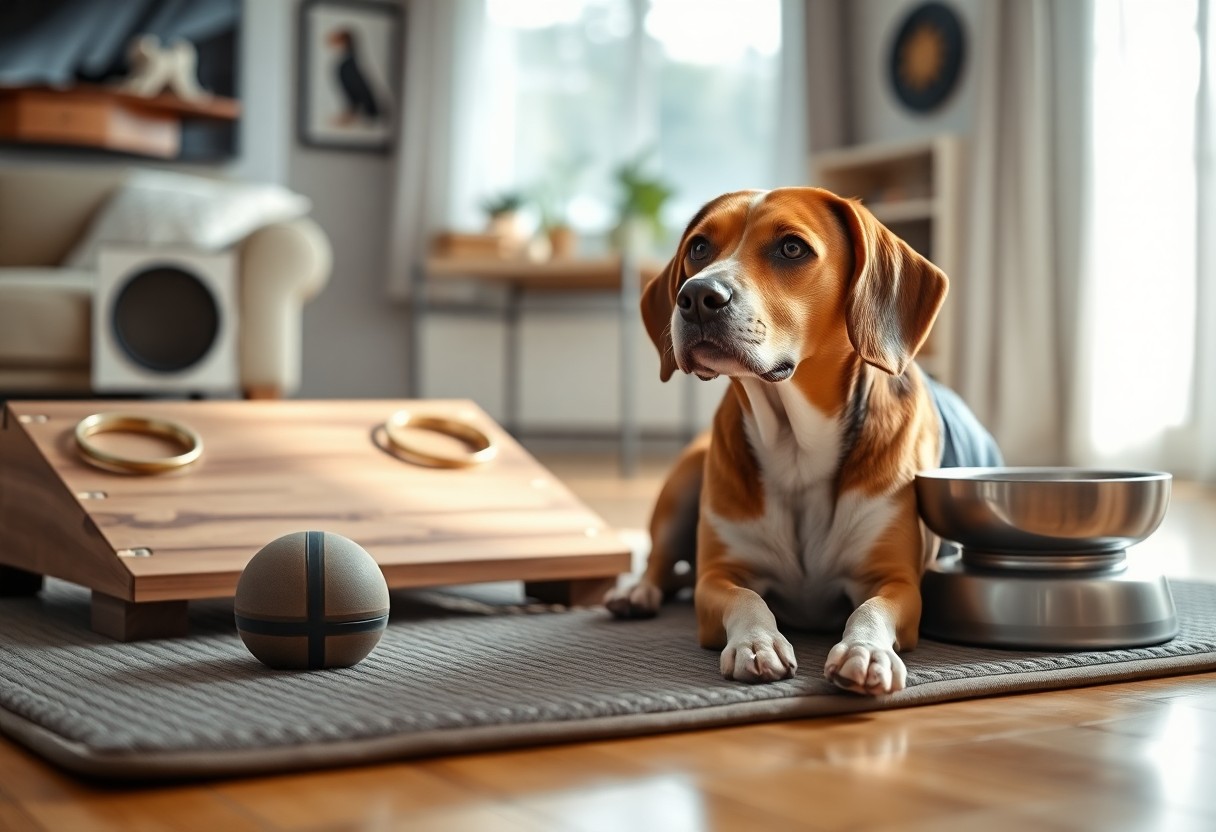
Your play area should be clutter-free and padded; remove loose rugs, secure cords, and pad sharp furniture. Provide a low bed or mat for rests and mark hazards so you reduce fall risk and protect aging joints.
Optimizing floor traction to prevent joint strain
Add non-slip rugs and rubber-backed runners to walking paths, anchor mats, and remove waxed floors; replace slippery tiles with grip pads. Keep your dog’s nails trimmed and consider traction booties to reduce joint strain and fall risk.
Adjusting lighting and accessibility for sensory impairment
Brighten hallways with soft, even lighting, add low-level night lights, and use non-flicker bulbs to ease vision changes. Create high-contrast boundaries at steps and doorways so you limit collisions and prevent dangerous falls.
Consider installing adjustable, diffused lighting and motion-activated night lights to maintain steady illumination across rooms; avoid sharp contrasts and glare that create confusing shadows. Place low-beam LED strips along steps and thresholds, add contrasting rugs or tape to mark edges, and keep cords hidden. If your dog has hearing loss, pair lighting with gentle vibrations or routine cues so you reduce surprise movements and minimize fall risk at stairs or thresholds.
Final Words
Presently you can maintain your senior dog’s mental sharpness with gentle indoor games, scent work, puzzle feeders, and short training sessions tailored to mobility limits; consistent play reduces anxiety, preserves cognition, and keeps you connected as your pup ages.
FAQ
Q: What are safe, low-impact brain games for senior dogs?
A: Scent games stimulate the nose and require minimal movement – hide treats in a snuffle mat, under cups, or in shallow boxes for a simple “find it” exercise. Puzzle feeders set to low difficulty make mealtime mentally engaging without encouraging fast movement or forceful pawing. Short training sessions that focus on nose touches, targeting, or learning names of toys build cognitive skills and strengthen the bond with minimal physical strain. Interactive play should last 5-10 minutes per session with rest breaks; watch for signs of fatigue or discomfort. Rotate activities and adjust difficulty in small steps to keep engagement steady.
Q: How can I adapt games for a dog with arthritis, vision loss, or hearing loss?
A: Keep targets at ground level or only slightly elevated to prevent jumping and use non-slip mats and soft padding to make movement easier. For dogs with vision loss, emphasize scent-based games and use strongly scented treats or scent-marked containers to guide them. For hearing-impaired dogs, rely on visual cues like hand signals, lights, or gentle vibration collars for attention. For dogs with arthritis, choose lap-based puzzles, snuffle mats, or slow scent trails that require minimal pawing or weight-bearing. Always inspect toys for safe edges and small parts, and consult your veterinarian before adding new activities if your dog has known medical conditions.
Q: How often and how long should I play low-impact brain games with an older dog?
A: Short, frequent sessions work best: aim for 5-12 minutes, two to four times daily depending on your dog’s energy and attention span. Integrate puzzle feeders into at least one meal per day to add mental work without creating a separate exercise session. Vary game types across days to engage different senses and avoid overusing a single joint or skill. Stop the activity if you see heavy panting, limping, whining, or refusal to continue. If you notice increasing disorientation, memory loss, or marked behavior changes, discuss cognitive concerns and tailored enrichment with your veterinarian.