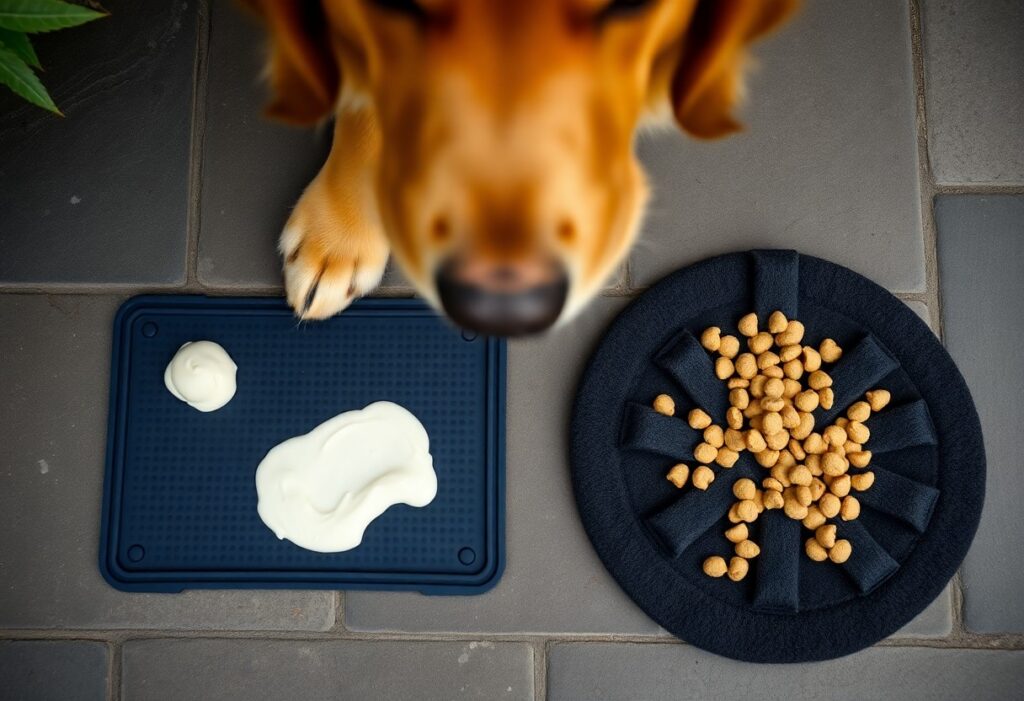
With anxious dogs, you weigh lick mats’ soothing licking against snuffle mats’ foraging stimulation; choose lick mats for calming, repetitive licking, pick snuffle mats to engage natural foraging instincts, and avoid snuffle mats if your dog risks chewing hazards.
Key Takeaways:
- Lick mats calm quickly by encouraging prolonged licking that releases soothing endorphins, making them ideal for acute stressors like thunderstorms, travel, or vet visits.
- Snuffle mats reduce anxiety through low-intensity mental foraging that channels energy and boredom into focused activity, best for dogs needing ongoing enrichment rather than immediate soothing.
- Selection depends on the dog and situation: choose lick mats for passive, short-term calming and snuffle mats for regular cognitive work; supervise use, pick appropriate treats, and rotate tools to keep interest.
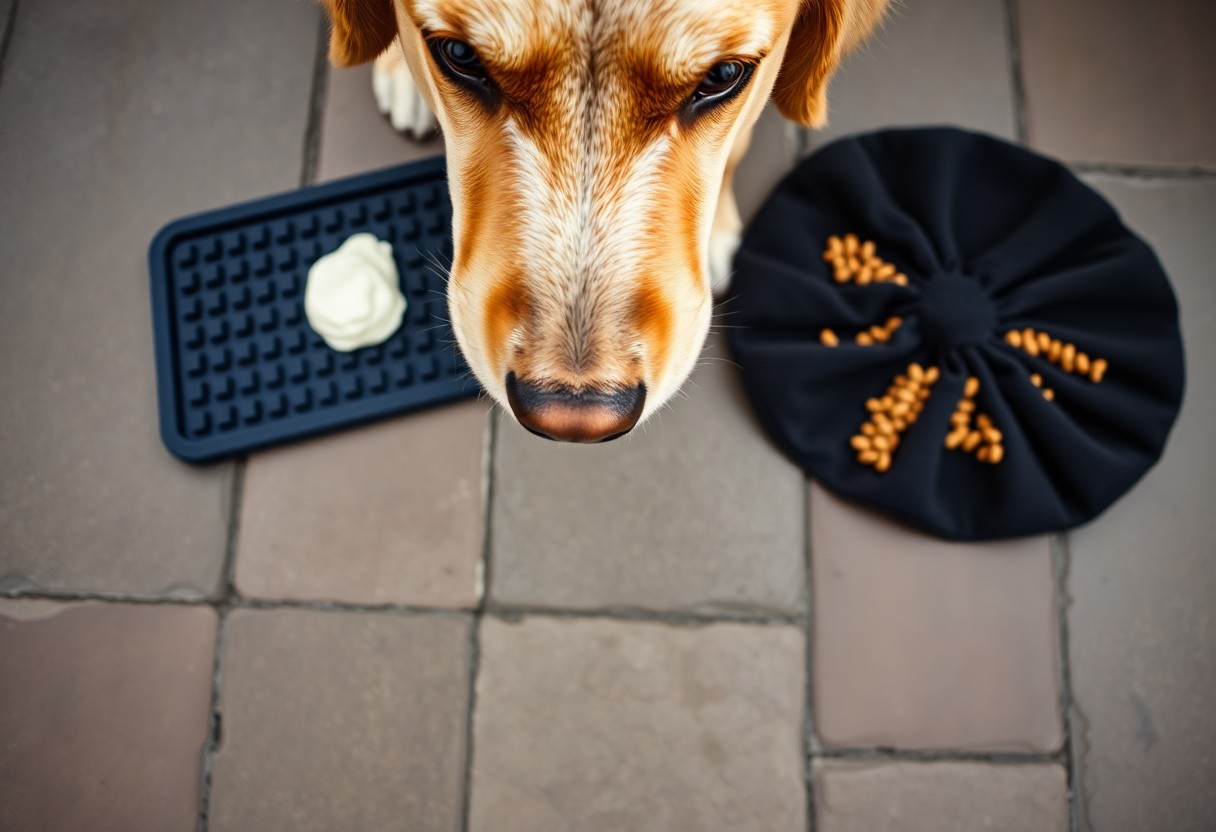
The Biological Basis of Calming Behaviors
Brain chemistry explains why you notice calmer behavior when your dog licks or sniffs: repeated actions trigger endorphin release and scent-driven pathways that can lower cortisol, helping you manage anxiety symptoms.
Endorphin release through repetitive licking
Licking stimulates endorphin release, so you see calmer posture and reduced pacing as the rhythmic action soothes neural circuits and lowers arousal.
Cortisol reduction via olfactory stimulation
Scents engage limbic receptors, so you can lower your dog’s cortisol by triggering calming memories and directing attention away from stressors.
Exposure to familiar scents during snuffle sessions gives you measurable reductions in heart rate and cortisol, because odor cues tap the limbic system and create safe associations that ease acute anxiety.
Lick Mats: Targeted Relief for High-Stress Events
Lick mats provide targeted distraction during spikes of stress, calming your dog with repetitive licking and scent-driven focus. You should apply them for short, intense events, like storms or vet visits, and clean them often to avoid bacterial buildup.
Managing situational anxiety during grooming or vet visits
During grooming or vet visits, you can smear a lick mat with soft treats to occupy your dog and reduce struggling; pair with calm voice and short sessions. Watch for overheating or stress signals and remove if your dog becomes agitated.
The benefits of soft, spreadable treats for prolonged engagement
Spreadable treats encourage sustained licking, extending calm periods and rewarding your dog without active handling; choose low-fat, digestible options and refrigerate for longer engagement.
You can layer textures like yogurt, canned pumpkin, or pureed wet food to vary licking patterns and keep your dog engaged longer, which often reduces cortisol spikes during stressful moments. Monitor portions to prevent an upset stomach, and clean mats thoroughly after each use to avoid bacterial growth.
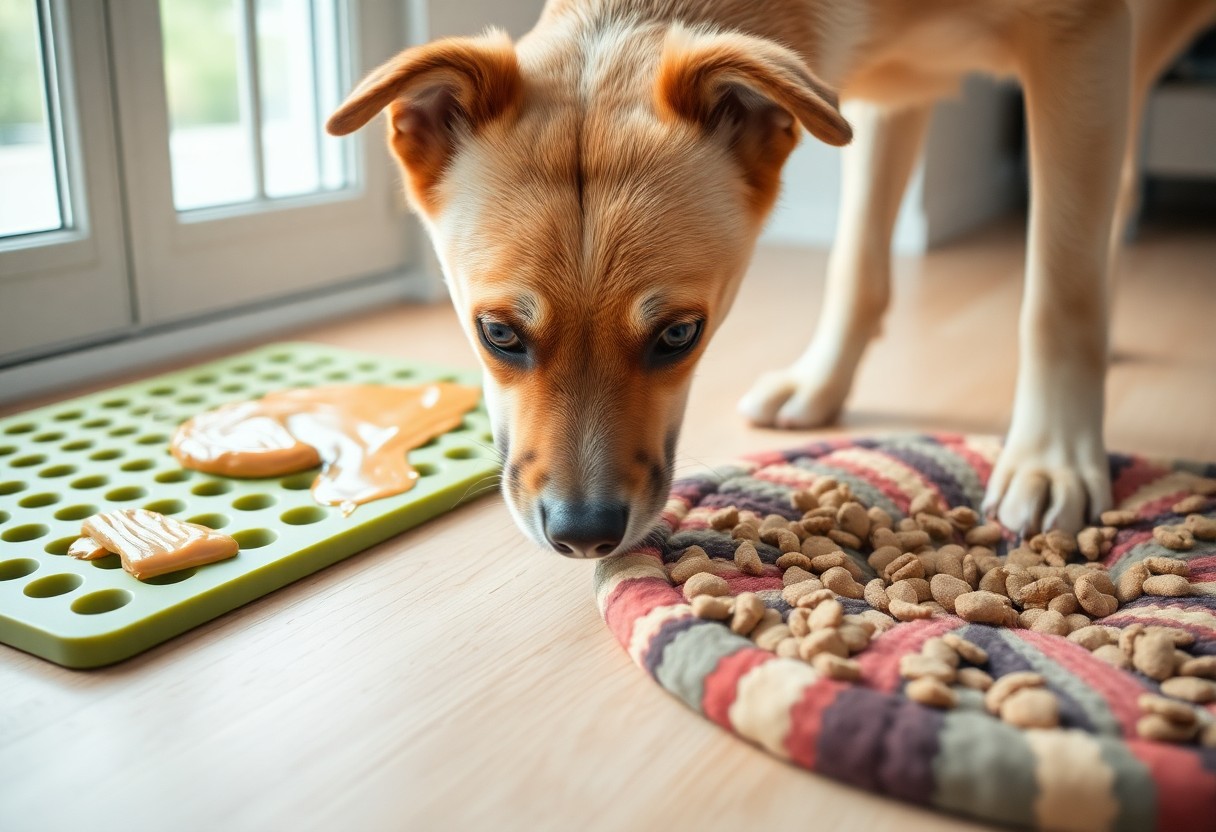
Snuffle Mats: Mental Enrichment through Foraging
Snuffle mats give your dog mental enrichment by turning meal time into foraging, which lowers stress and channels energy into focused sniffing. You should supervise with chewy or young dogs to avoid ingestion hazards, and wash mats regularly to keep them safe and effective.
Mimicking natural scavenging instincts to lower arousal
Mimicking wild foraging helps your dog focus on scent work, reducing cortisol spikes and frantic behavior. When you hide treats in the mat you trigger natural scavenging that lowers arousal and extends feeding time, giving a peaceful outlet for anxious dogs.
Using nose-work to transition from hyper-activity to a calm state
Nose-work teaches your dog to slow and search, replacing frantic motion with deliberate sniffing; short sessions in the snuffle mat can produce noticeable calming and a ready-to-rest state after activity.
Practice short, frequent snuffle sessions-5 to 10 minutes, two to three times daily-to guide your dog from hyperactivity into focused calm. Use high-value treats tucked progressively deeper so your dog engages longer without physical strain. If your dog chews or eats material, remove the mat and consult your vet; such ingestion risks mean supervised use. Pair nose-work with a quiet settling cue to boost the calming effect.
Comparative Analysis: Sensory Input and Duration
| Lick Mats | Snuffle Mats |
|---|---|
| Oral soothing, quick calm, 5-15 min, easy to clean | Olfactory challenge, longer engagement, 15-45 min, may frustrate |
Compare lick mats’ oral soothing against snuffle mats’ scent-driven challenge so you can match calming style: licking = quick calm, sniffing = longer mental work, and choose based on how long you need relief.
Oral stimulation vs. cognitive problem-solving
Lick mats provide steady oral stimulation that helps you settle an anxious dog quickly, while snuffle mats offer problem-solving that engages scent memory and can reduce worry over longer periods.
Average engagement time and intensity levels
Typical sessions show lick mats occupy you and your dog for 5-15 minutes at low intensity, whereas snuffle mats can sustain 15-45 minutes of active sniffing.
Longer snuffle-mat use can mentally tire your dog without exercise; you must supervise to avoid ingestion of loose fibers or mounting frustration. Lick mats are safer for short unsupervised calming but can cause overeating from high-calorie spreads if you use them too often.
Choosing the Best Option for Your Dog’s Anxiety Profile
You should match lick mats or snuffle mats to your dog’s anxiety by weighing triggers, energy and chewing style; choose lick mats for intense oral fixation or calming licking, and snuffle mats for scent-based foraging that reduces stress from separation anxiety or boredom.
Identifying triggers: separation anxiety vs. noise phobias
Identify whether your dog panics when left alone or reacts to sudden sounds; for separation anxiety you may need longer, reassuring interactions like lick mats plus training, while for noise phobias short, focused snuffle sessions can redirect fear and provide quick relief.
Assessing temperament: high-energy foragers vs. oral-fixated chewers
Observe whether your dog seeks vigorous sniffing or persistent chewing; high-energy foragers benefit from engaging snuffle mats, while oral-fixated chewers calm with lick mats or durable chew alternatives-choose chew-resistant items to avoid hazards.
If your dog relentlessly chews when anxious, you should prioritize lick mats with spreadable pastes and supervised chew toys; persistent foragers need long, scent-rich snuffle sessions to burn energy and stimulate the brain. You must monitor for ingestion of fabric or foam-suffocation or choking risks exist-so always pick chew-resistant materials, supervise use, and consider combining both tools to tire then soothe your dog.
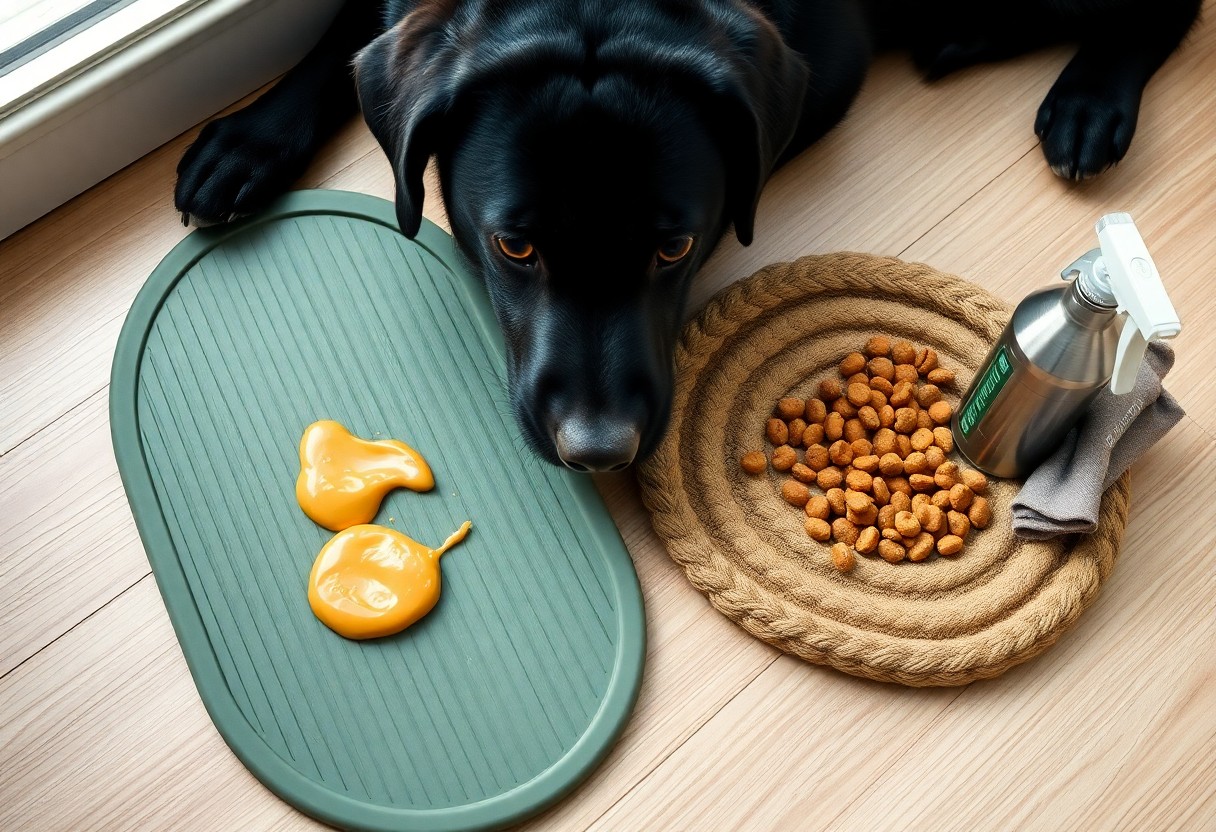
Safety and Maintenance for Enrichment Tools
Safety: you should inspect mats regularly for wear, remove torn pieces and supervise chewing to avoid choking hazards. Rotate and clean mats to prevent bacterial buildup and keep treats appropriate to prevent overeating.
Material durability and supervision requirements
Durability: you must match mat material to your dog’s chewing style; silicone tolerates licking, while fabric can fray under heavy chewing. For strong chewers, pick heavy-duty options and maintain supervision to prevent ingestion of dangerous fragments.
Sanitation practices for silicone and fabric surfaces
Cleaning: you should wash silicone mats in the dishwasher or warm soapy water; fabric snuffle mats need machine or gentle hand wash and full drying to prevent bacterial buildup. Avoid bleach and scented detergents that irritate skin.
When you clean more thoroughly, focus on soak and scrub: silicone’s nonporous surface lets you disinfect with vinegar, mild bleach dilution, or dishwasher cycles, while fabric will trap oils and needs machine washing or a hot soak with detergent. If you notice mold, persistent odors, or loose seams, remove the mat and replace it to avoid bacterial contamination. Let mats dry completely before reuse and store them flat to prevent moisture buildup.
To wrap up
Drawing together you’ll find lick mats soothe dogs through repetitive licking and saliva release, while snuffle mats lower stress by engaging scent-driven foraging; assess your dog’s needs, try both, and use the one that reliably reduces anxious behaviors.
FAQ
Q: How do lick mats and snuffle mats calm an anxious dog differently?
A: Lick mats calm through repetitive licking that releases endorphins and lowers heart rate. Lick mats work by spreading soft foods like peanut butter or canned food across a textured surface so the dog licks for an extended period. Snuffle mats calm by engaging the nose and natural foraging behavior, providing focused mental work that can reduce arousal. Sniffing activates the olfactory system and can lower cortisol in many dogs. Choice depends on whether the dog responds better to oral soothing or to intensive scent-driven tasks. Lick mats often suit dogs soothed by oral fixation or during crate time and grooming. Snuffle mats often suit dogs that settle with problem-solving and nose work. Monitor the dog’s response and limit session length if the animal appears frustrated or overstimulated.
Q: Which mat is better for separation anxiety, noise phobia, or travel stress?
A: Separation anxiety often improves with snuffle mats because pre-departure nose work can tire the mind and reduce distress. Short, immediate sessions with a lick mat can provide quick oral calming right before leaving but may not prevent prolonged pacing or vocalizing. Noise phobia can respond well to lick mats during acute events like storms or fireworks because licking offers a grounding, repetitive activity. Travel stress frequently benefits from lick mats placed in crates or carriers, since licking can distract from motion and ease mild nausea in some dogs. Medical issues such as pancreatitis or obesity require careful treat selection; use low-fat spreads or safe kibble alternatives. Trial both types at home to see which reduces signs like panting, pacing, or whining most effectively.
Q: How should I introduce and maintain these mats, and are there safety concerns?
A: Introduce each mat in short, calm sessions and reward calm behavior before increasing duration. Freeze spreadable foods on lick mats to extend engagement and slow ingestion. Use low-fat, vet-approved spreads for dogs with dietary restrictions and avoid small pieces that could be swallowed from snuffle mats. Clean rubber lick mats with hot soapy water or on the dishwasher if labeled safe; remove trapped kibble from snuffle mats and wash according to fabric instructions, then air-dry completely to prevent mold. Monitor for chewing or tearing and replace damaged mats to avoid ingestion of pieces. Combine tools by offering a snuffle mat before a walk for mental work and a lick mat after exercise for calming. Consult a veterinarian or certified behaviorist if mats increase arousal, trigger resource guarding, or if anxiety remains severe despite enrichment.