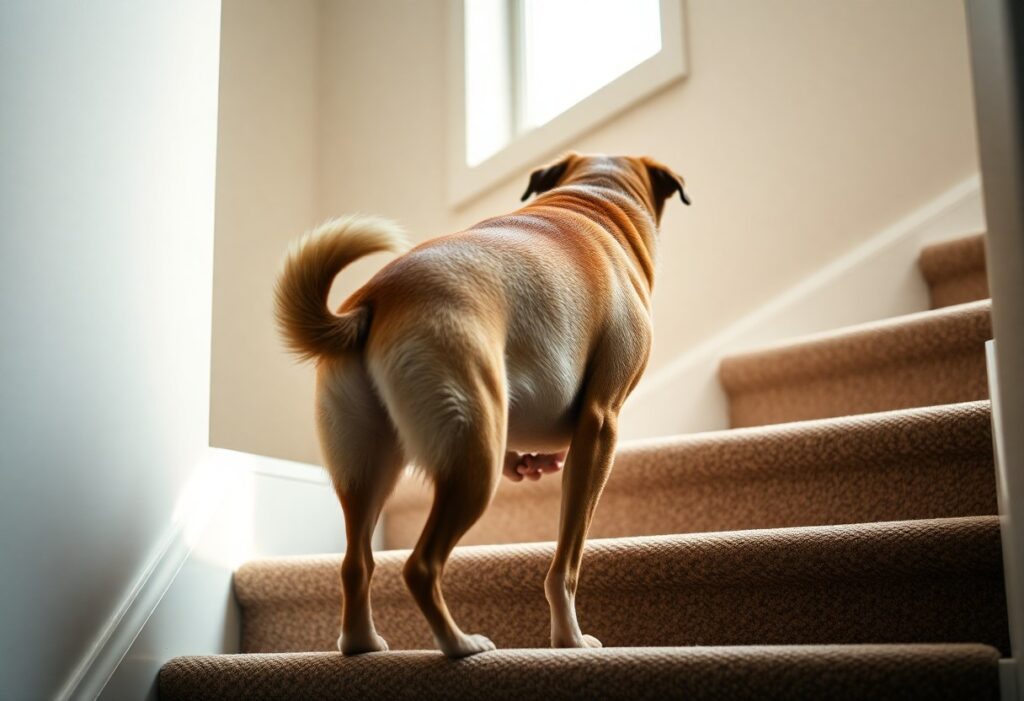
Over time you may notice subtle changes in your dog’s gait, activity, or mood; limping, stiffness, and reluctance to jump often signal worsening joints, early detection improves treatment success, so consult a veterinarian promptly.
Identifying Mobility Reductions in Daily Exercise
Notice shorter play sessions, slower pace, or reluctance to join usual activities; these subtle shifts can indicate joint discomfort and warrant closer observation.
Hesitation with Vertical Movements and Stairs
You may see hesitation before jumping or climbing stairs, favoring forelimbs, or choosing ramps; such signs often point to hip or knee pain that limits vertical movement.
Reduced Stamina and Lagging During Walks
During walks you might notice your dog lagging, stopping more, or refusing longer routes; these behaviors suggest reduced stamina from joint pain and deserve action.
Monitor persistent lagging, frequent pauses, or new limping; if you observe a sudden inability to keep up or worsening reluctance, seek veterinary assessment. You can support recovery with weight control, shorter gentle outings, and low-impact exercise while the vet recommends pain management or physiotherapy-early treatment can improve mobility and slow progression.
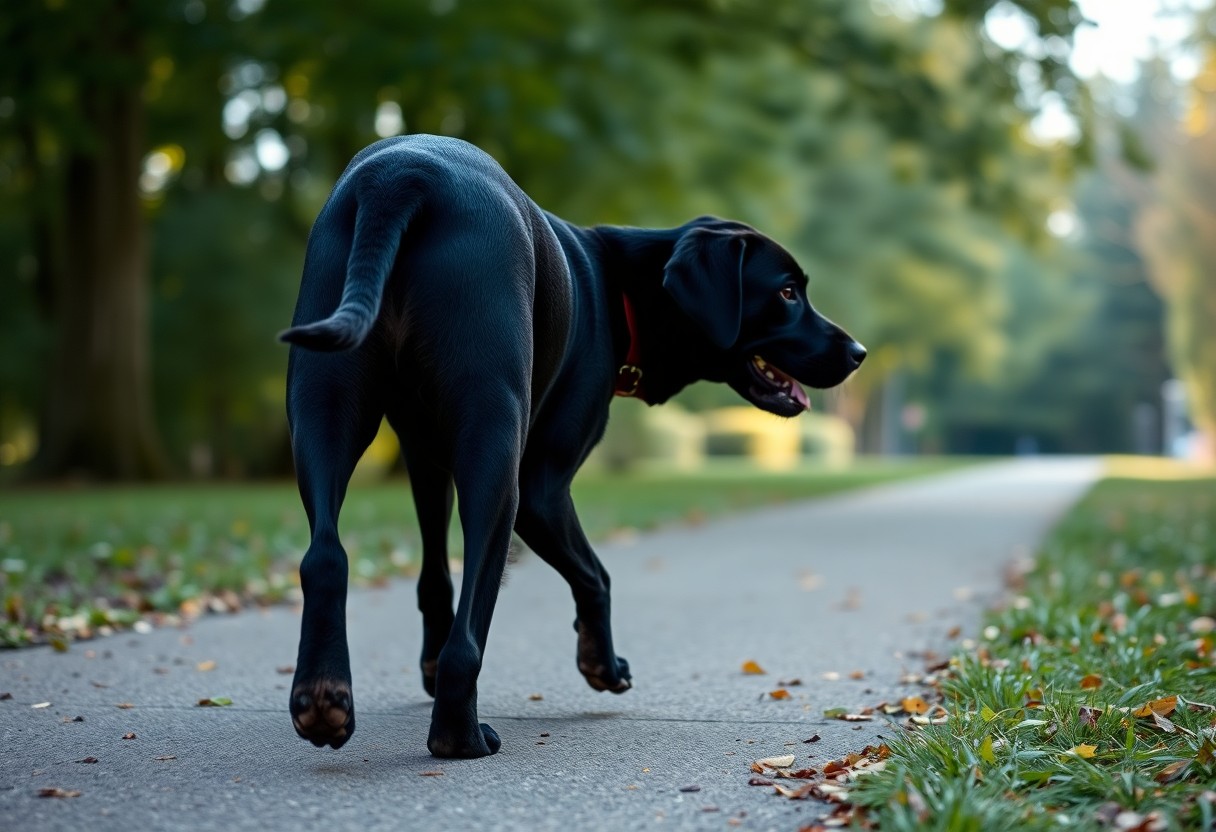
Recognizing Subtle Alterations in Gait and Posture
Observation: you may see a slight shortening of stride, head bobbing, or uneven weight bearing; these subtle changes often signal early joint discomfort. Watch for consistent limping or persistent stiffness that worsens after rest.
Development of Stiff-Legged or “Bunny Hop” Movement
Notice when your dog shifts into a stiff-legged, synchronous “bunny hop” while running or rising; this pattern commonly signals bilateral hip or stifle pain. Addressing repeated hopping promptly reduces progression and improves mobility.
Compensatory Weight Shifting While Standing
Observe if your dog consistently shifts weight off a sore limb, stands with hunched posture, or places more weight on front legs; these behaviors indicate chronic pain and increased risk of joint deterioration.
If you record uneven paw pressure or your dog stands on three legs intermittently, photograph or note the pattern and consult a vet; early intervention with diagnostics and therapy can prevent permanent joint damage.
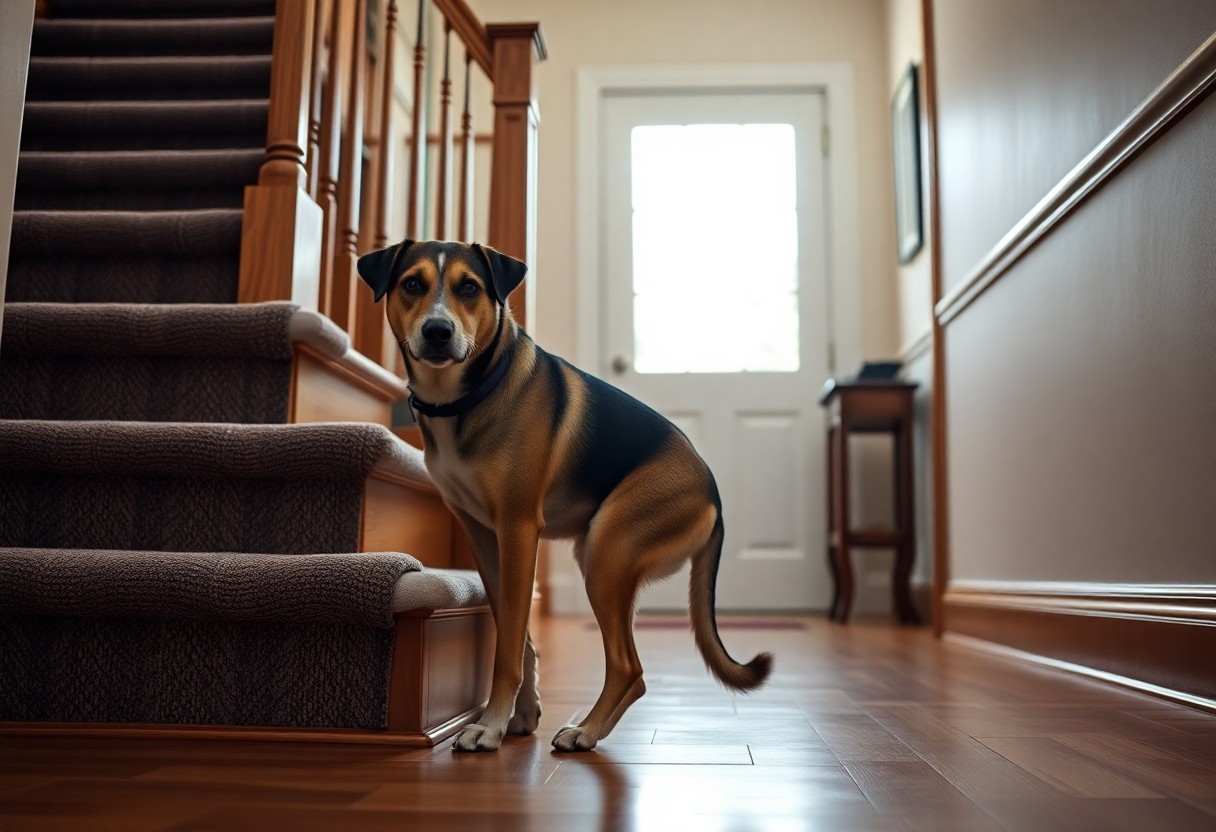
Behavioral and Temperament Indicators of Discomfort
Observe subtle mood shifts: decreased patience, flinching when petted, reluctance to jump, or uneven gait. These behavioral signs often precede clear limping. If you see consistent changes, especially sudden aggression or withdrawal, schedule a vet exam to catch joint issues early.
Increased Irritability or Heightened Sensitivity to Touch
Watch for short-tempered snaps, growling when handled, or flinching at touch; these may signal joint pain rather than misbehavior. If contact triggers a sharp reaction, avoid forcing interaction and seek a veterinary assessment promptly.
Social Withdrawal and Reluctance to Engage in Play
Notice if your dog stops seeking you out, declines walks, or ignores toys – signs that joint pain is sapping energy and joy. A sustained pullback is a red flag; book a checkup if you observe persistent avoidance.
Persistent social withdrawal can reflect chronic discomfort rather than moodiness. You may see reduced eye contact, reluctance to climb stairs, slower greeting behaviors, or less interest in previously loved activities; these patterns often mask advancing joint degeneration. You should prioritize a veterinary exam and discuss imaging and pain-management options, because early treatment can preserve mobility and quality of life.

Shifts in Resting Patterns and Sleep Hygiene
Watch for subtle nighttime changes: if your dog wakes more, shifts positions often, or takes shorter naps, you may be seeing early joint discomfort. You might also notice restless sleep or reluctance to settle, signaling pain that reduces sleep quality and recovery.
Prolonged Difficulty Rising from a Recumbent Position
Rising slowly or hesitating when getting up from lying down shows your dog may be struggling with joint pain; prolonged effort to stand and repeated attempts often indicate worsening mobility that you should address with your vet.
Changes in Preferred Sleeping Surfaces or Locations
Switching preferred beds or sleeping spots can signal discomfort; you should note if your dog seeks softer bedding for pressure relief or chooses hard floors to avoid painful sinking into cushions.
If your dog abandons a once-favored bed or spends more time on hard floors, check the bedding for padding, temperature, and ease of access. You should inspect joints for heat or swelling and time how long restorations to rest take. Offering an orthopedic bed, adding ramps, and arranging a prompt veterinary exam can reduce pain and limit progression when you act early.
Grooming Habits and Self-Soothing Behaviors
Grooming routines change as joints hurt; you may notice your dog hesitating to reach certain areas, favoring paws, or developing fur loss from constant licking. Watch for open sores or swelling, which indicate pain.
Excessive Licking or Biting of Targeted Joint Areas
Licking or biting at a joint is your dog’s attempt to soothe pain; persistent behavior can cause skin damage, infection, or hidden fractures and should prompt veterinary evaluation.
Neglect of General Grooming Due to Restricted Range of Motion
Reduced mobility often means you notice matted fur, greasy coat, or missed nail trims because your dog can’t reach them; these signs reflect discomfort and can worsen skin issues.
When grooming declines, you should inspect neglected areas for odor, redness, or parasites and gently assist with brushing and nail care; untreated neglect can lead to secondary infections, painful mats restricting circulation, and increased pain, so schedule veterinary assessment and regular, cautious grooming to halt progression.
Physical Changes and Muscular Indicators
Physical shifts like reduced muscle tone and an uneven gait often mean joint strain; you may see your dog favor one side, hesitate on stairs, or show consistent limping and decreased jumping.
Noticeable Muscle Atrophy in the Hind Limbs
Muscle thinning along the hindquarters can make your dog’s legs look smaller and weaker, and you’ll feel muscle wasting when you compare sides or notice difficulty rising and climbing.
Localized Inflammation or Heat Near Joint Sites
Warmth or visible swelling over a joint often signals inflammation; you may detect localized heat, tenderness, or your dog pulling away when you touch the area.
Checking the joint by gently feeling for warmth, swelling, stiffness, or crepitus helps you spot inflammation early; if you notice persistent heat, open skin, increasing pain, or refusal to bear weight, seek veterinary care promptly to rule out infection or severe joint disease.
To wrap up
With this in mind you should watch for subtle changes like shorter walks, reluctance to jump, stiffness after rest, licking or favoring a limb, and reduced play; early detection lets you seek veterinary evaluation and manage pain effectively.
FAQ
Q: What subtle behavioral changes indicate early joint pain in dogs?
A: Early signs often appear as subtle shifts in activity and posture. Dogs may show reduced interest in play, shorter walks, or slower to rise after lying down. You might notice reluctance to jump, climb stairs, or get into cars, and a change in gait such as a stiffer stride or favoring one limb. Repeated licking or chewing at a joint, increased irritability when touched near hips or shoulders, and more frequent resting are common. Morning stiffness or stiffness after rest that improves with movement points toward joint pain rather than a temporary ache. Keep a log or short videos showing when behaviors occur and how long they last to help your veterinarian assess progression.
Q: How can I tell the difference between normal aging and early arthritis?
A: Differentiating normal aging from early arthritis depends on pattern and response to movement. Normal aging causes modest, steady declines in stamina without acute stiffness or limping. Arthritis typically causes stiffness after rest, noticeable limping, uneven weight-bearing, and improvement after gentle warm-up. Physical exam may reveal pain on joint manipulation, reduced range of motion, swelling, or crepitus. Diagnostic steps include targeted X-rays, joint fluid analysis when indicated, and a monitored trial of pain relief or anti-inflammatory medication prescribed by your veterinarian to see if mobility improves.
Q: What at-home steps and monitoring should I use before visiting the veterinarian?
A: Begin with low-impact activity and environmental changes to reduce strain on joints. Provide non-slip rugs or ramps, elevate food bowls if reaching is uncomfortable, and add a supportive bed to help rising. Control body weight through portion management and veterinary-approved diet to lessen joint load. Keep walks short and frequent rather than long runs; incorporate gentle range-of-motion exercises recommended by a vet or canine rehabilitation therapist. Avoid giving over-the-counter medications without veterinary approval; some human drugs are toxic to dogs. Track frequency, triggers, duration, and any improvement with rest or medications, and bring video and your notes to the appointment. Seek immediate veterinary care for sudden severe lameness, limb swelling, fever, or neurologic signs such as weakness or incoordination.