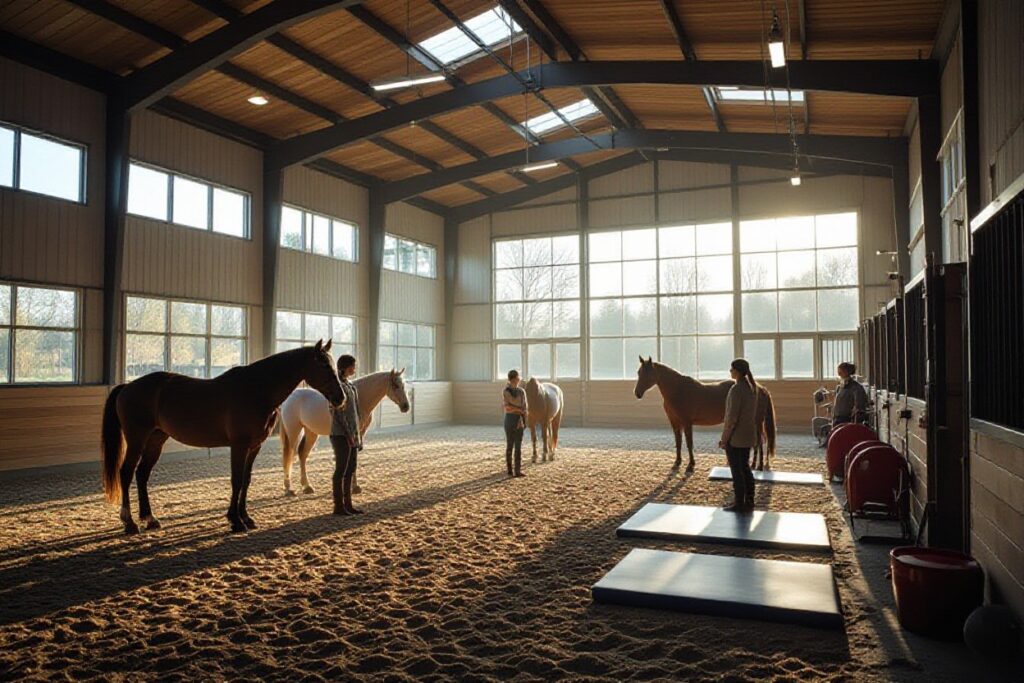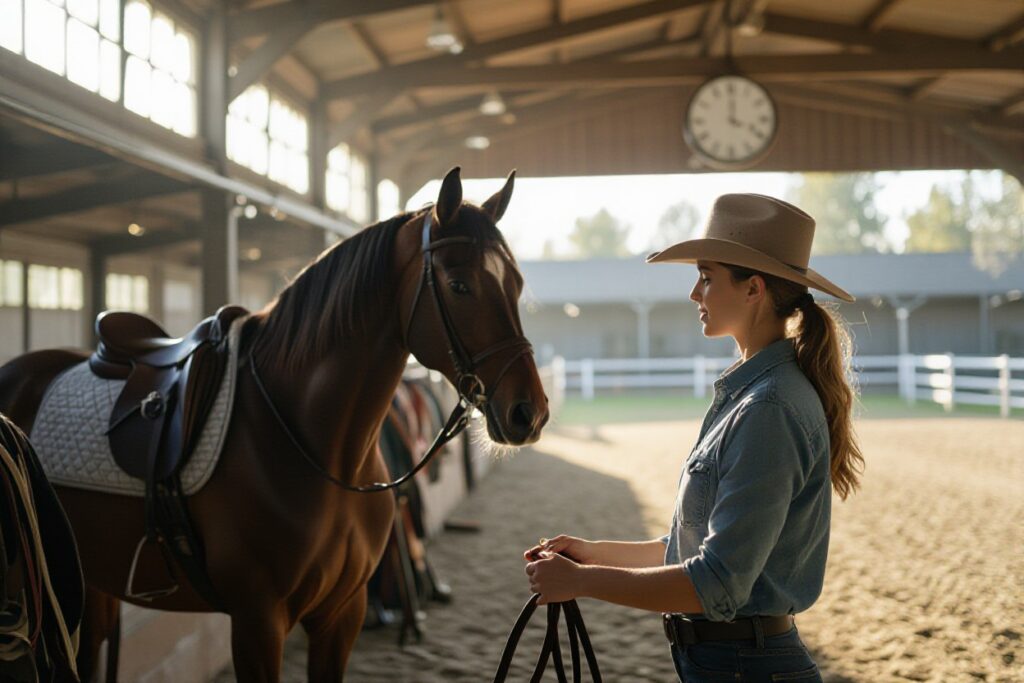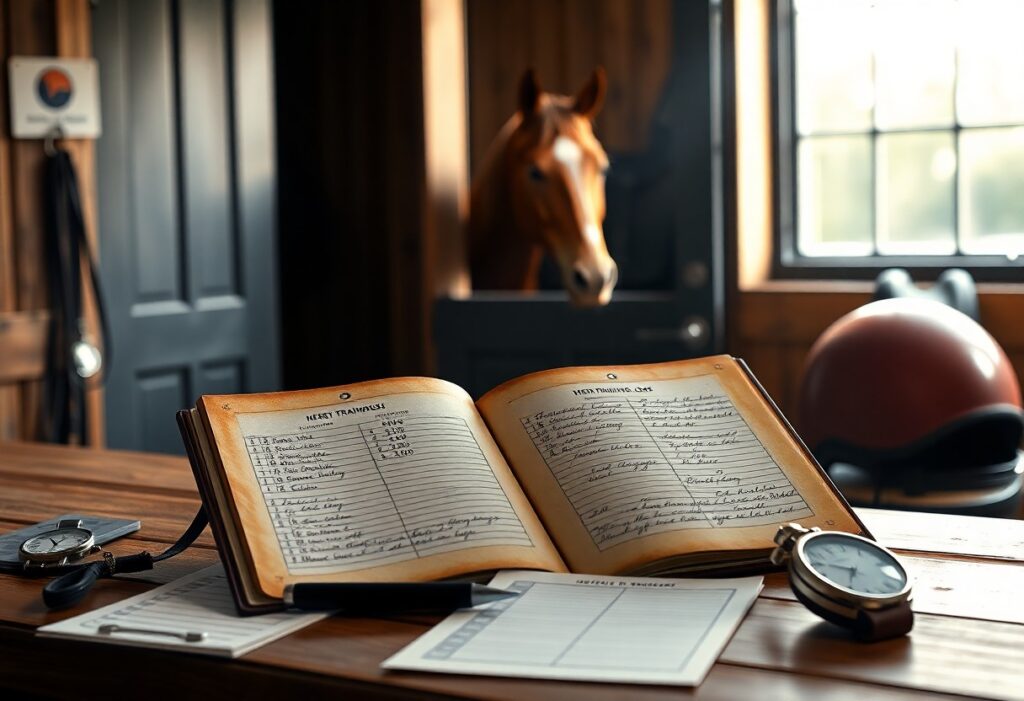
You should keep a concise log to track sessions, goals, and equipment, note injury risks each ride, and record clear improvements in your horse’s performance.
How-to Set Up Your Initial Horse Profiles
Set clear fields for each horse’s name, age, breed, registration, temperament, and training goals so you can track progress and plan sessions; include emergency contacts and temperament for quick, safety-focused reference.
Documenting Vital Statistics and Health History
Record height, weight, foaling date, microchip number, vaccination and worming history, allergies, and past injuries so you can monitor fitness and avoid health risks.
Tips for Organizing Multi-Horse Training Schedules
Plan blocks by horse priority, fitness level, and available helpers to minimize overlap and reduce time conflicts. Knowing your weekly priorities helps you assign sessions efficiently.
- horse profile
- health history
- training schedule
- multi-horse management
Allocate consistent days for conditioning, skill work, and rest to prevent fatigue and handler errors; color-code entries and note handler assignments. Knowing which horses need turnout versus ridden work speeds your daily scheduling.
- conditioning
- handler assignments
- rest days
- color-code
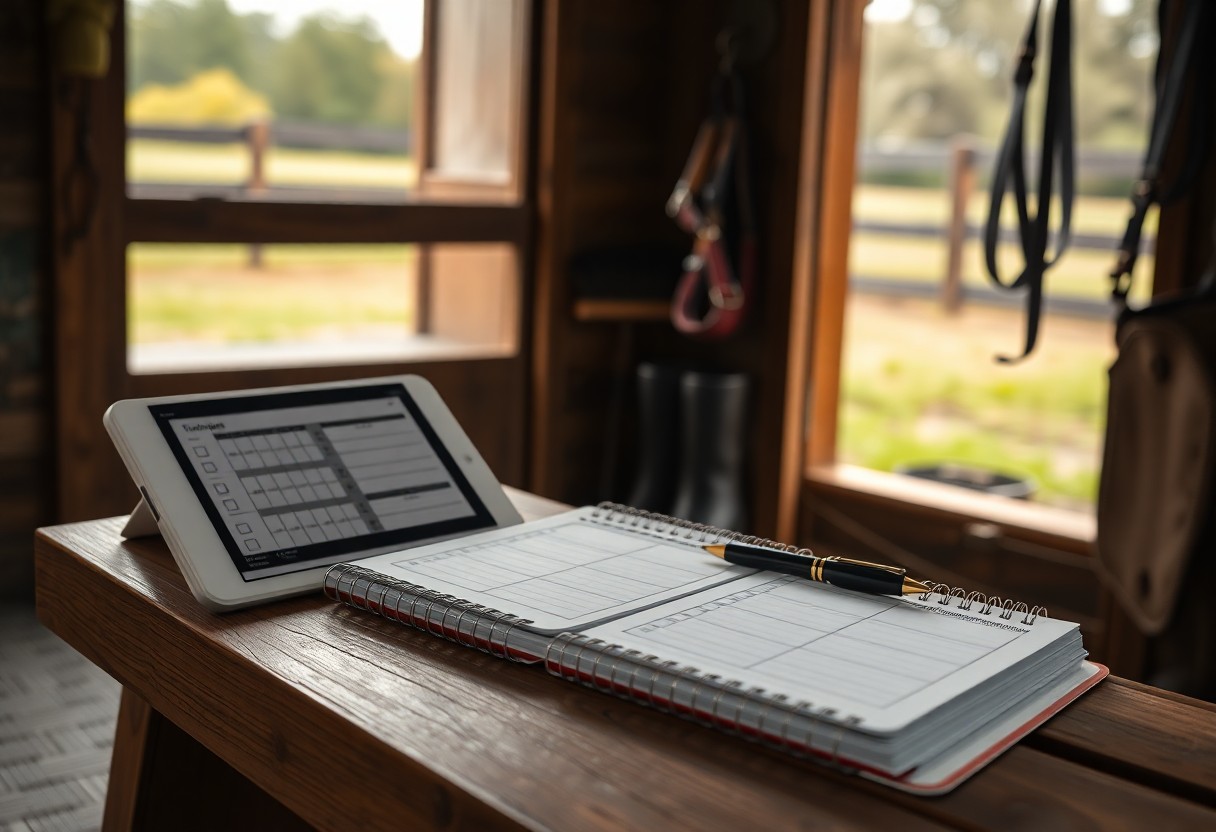
Structuring Your Daily Training Entries
Structure each entry with date, session length, goals, and a one-line result. You should tag injury signs, progress markers, and follow-up tasks so patterns emerge quickly.
Recording Session Details and Environmental Conditions
Log tack, footing, weather, and arena distractions; note temperature and wind so you can correlate performance. Flag slippery footing or extreme heat that affects work.
How-to Note Behavioral Responses and Physical Feedback
Observe ear position, tail movement, and mouth tension, then you rate reactions on a 1-5 scale. Mark bolting, refusals, or lameness immediately and note calming signs.
When tracking behavioral responses, timestamp onset, intensity, and triggers, and tie each note to the specific exercise and footing so you can review patterns. Use a compact scale (1-5) for reactivity and add a column for physical cues like stiffness, heat, or altered breathing. You should flag lameness, sharp pain responses, or escalating refusal for vet follow-up, and mark calm steps, softness, or improved rhythm as positive progress.
Tracking Health and Maintenance Schedules
Keep a compact log to track vaccinations, deworming, and routine care so you spot trends quickly. Log dates, medications, and any abnormal signs. After you update entries, review monthly to catch patterns early.
- Vaccinations
- Deworming
- Routine care
Integrating Farrier and Veterinary Appointments
Coordinate farrier and vet visits in your log so you match hoof care to medical needs and avoid conflicts. Note appointment dates, treatment notes, and any lameness concerns. After consolidating schedules, set reminders to prevent missed care.
Nutrition Tracking and Weight Management Tips
Monitor feed, forage quality, and daily intake so you guard against weight loss or gain and note supplements. Record body condition score and girth tape readings to track progress. After logging trends, adjust rations with your vet or nutritionist.
Log detailed measurements and feeding times to catch declines in appetite or sudden weight change early.
- Daily intake
- Body condition score
- Girth tape
- Forage analysis
After you detect shifts, consult your vet for safe ration adjustments and monitor weekly.
Summing up
You should begin a horse training log by defining goals, recording each session’s exercises, duration, reactions, tack and health notes, and weekly reviews; consistent, concise entries let you track progress, identify patterns, and refine training plans.
FAQ
Q: What should I include in a horse training log book and why is each item useful?
A: A training log should include horse ID (name, age, breed), date and time, rider/handler, duration, and objective for the session so you can track consistency and goals. Record footing and weather, tack used, and any changes to shoeing or equipment to link performance or soundness to external factors. Note warm-up details, main exercises, intensity or gait work, and cool-down activities to monitor workload and progression. Log behavior, mood, signs of soreness, cuts, or unusual reactions so small issues are noticed before they worsen. Add scores or ratings for specific skills (for example 1-5 or 1-10) and a short comment on what to repeat or change next session to create actionable follow-up. Store photos, video links, vet and farrier notes, and medication or supplement changes to maintain a complete history useful for trainers and professionals.
Q: How do I set up a simple step-by-step training log format for a beginner?
A: Step 1: Choose a format-paper notebook, printable page, spreadsheet, or a mobile app-and pick one you will use consistently. Step 2: Create a template with headings: Date, Horse, Rider, Goal, Duration, Footing/Weather, Tack, Warm-up, Main Work, Intensity, Behavior, Notes, Rating, and Follow-up Plan. Step 3: Design the entry layout for quick entry; use checkboxes for common items, short fields for numbers and a free-text area for observations. Step 4: Begin each week with a baseline entry that records fitness level, current weights, known issues, and a short-term training goal. Step 5: After each session fill in the template immediately or at least the same day to keep details accurate. Step 6: Backup digital logs and keep a photographed copy of paper pages or scan them weekly to avoid data loss.
Q: How can I use my log to track progress, spot problems, and adjust training plans?
A: Perform weekly reviews that compare goals, session ratings, and frequency to identify performance trends or declines. Use simple metrics such as average session rating, weekly minutes at trot/canter, and number of rest or problem days to quantify progress. Look for repeated notes about stiffness, reluctance, or behavior changes and mark those entries for medical or farrier review. When fitness plateaus, plan a deliberate three-week cycle: increase hard-work minutes by 10-15% in week one, maintain in week two, and reduce in week three for recovery, then reassess. Keep a separate column for interventions (shoe changes, tack adjustments, supplements) to test cause and effect over a four- to eight-week window. Share summaries and specific entries with coaches or vets when seeking advice to provide context and evidence for decisions.