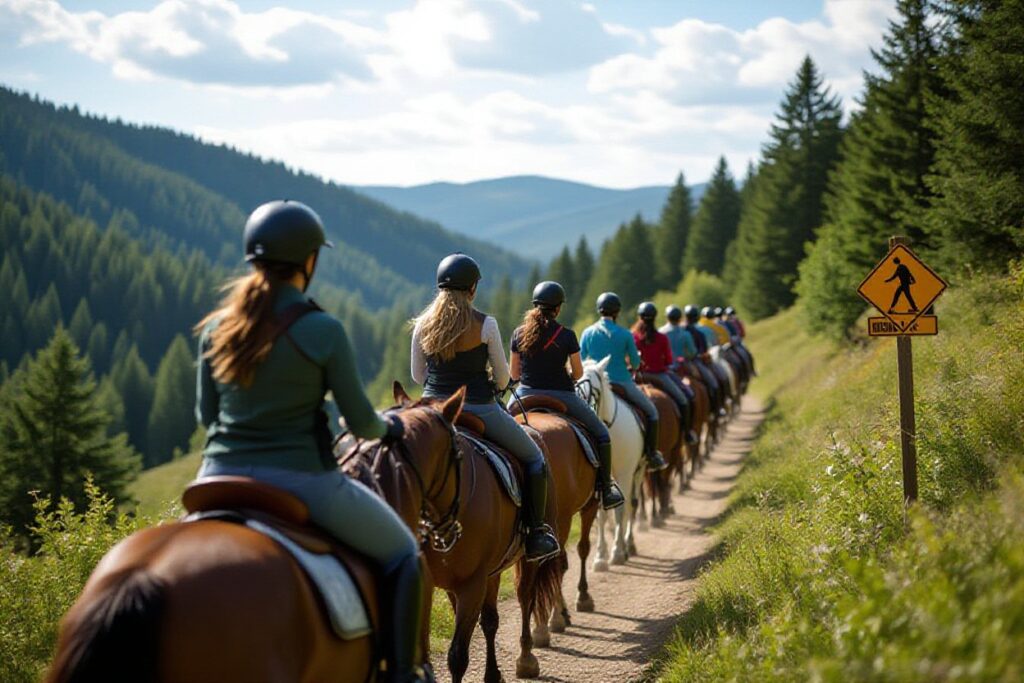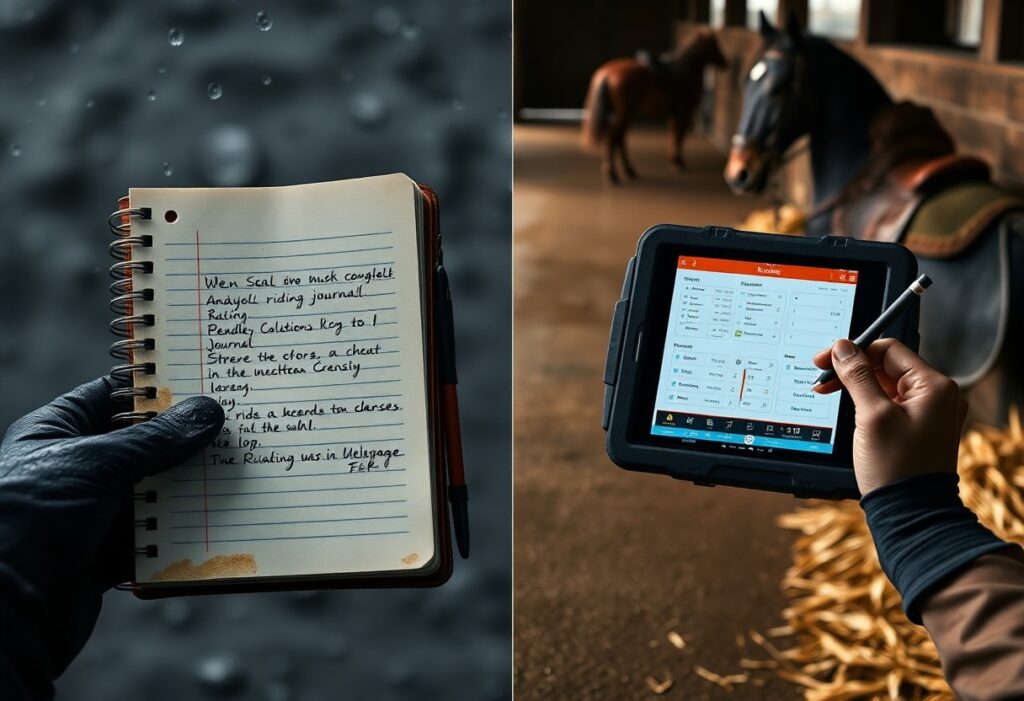
Most riders weigh analog versus digital waterproof riding journals so you can log rides, protect against data loss, and choose tactile durability or cloud backup for dependable, on‑the‑trail recordkeeping.
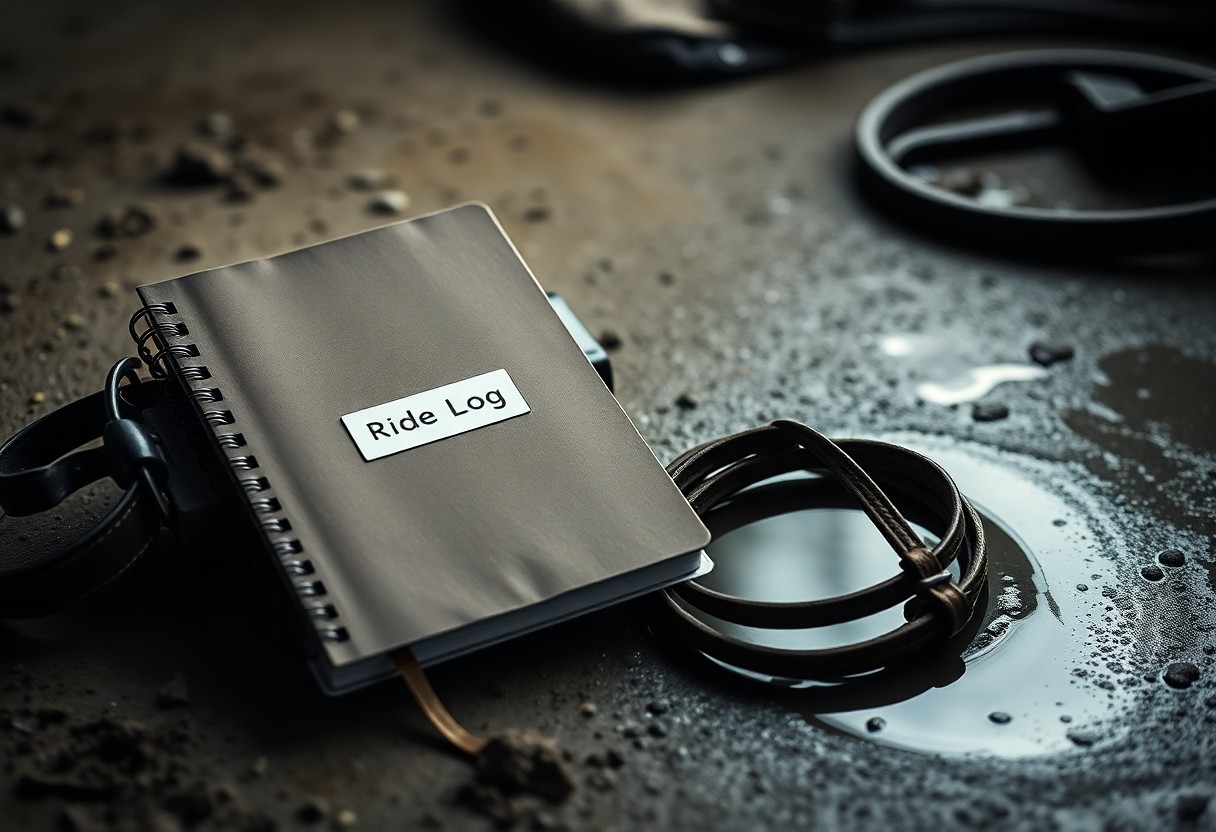
Why Waterproofing Matters for Equestrian Record-Keeping
Waterproofing keeps your notes readable when wet, shielding them from sweat, rain, and muck and preventing mold and illegible entries.
Managing Barn Humidity and Outdoor Elements
You can rely on waterproof pages to survive high barn humidity, spilled buckets, and sudden showers, keeping critical timelines intact and reducing data loss.
Ensuring Longevity of Training Logs and Health Records
Training logs stored on waterproof paper or laminated cards stay legible through years of handling, helping you track progress and protect medical histories during wet conditions.
Durability-focused choices like acid-free waterproof paper, sealed bindings, and encrypted cloud backups help you guard records from spills, mold, and barn dust to prevent permanent loss.
The Case for Analog: Waterproof Paper and Pens
Waterproof notebooks and pens let you record rides in mud, rain, or sweat without losing notes, so you can make quick, reliable entries after lessons. You’ll appreciate durability and smear-resistant ink when conditions get messy.
Benefits of Tactile Note-Taking in the Stable
Tactile note-taking helps you lock in details-gaits, feeds, lameness signs-and makes reviews faster than combing through apps; paper survives phone batteries dying and signal loss.
Leading Synthetic and Treated Paper Technologies
Synthetic papers like Rite in the Rain, Polyart, and TerraSlate resist water, tearing, and chemicals so you can trust that critical entries endure long rides and rugged stalls.
Manufacturers use two main approaches: true synthetic substrates (polypropylene and inert mineral blends) that offer exceptional tear and chemical resistance, and treated cellulose papers (coated fibers) that shed water while maintaining more natural feel. You should test ink: ballpoint, pencil, and permanent markers perform reliably; many fountain and gel inks can smear. Expect higher cost and check disposal-some synthetics aren’t accepted in curbside recycling, creating an environmental trade-off to weigh against longevity.
The Rise of Digital: Mobile Apps and Rugged Hardware
Apps and rugged devices let you track rides live; choose hardware with IP68 ratings or military-grade shock resistance to prevent data loss during storms, mud, or falls and keep your ride logs intact.
Integration of Video and Performance Metrics
Video overlays let you review gait and posture while you sync GPS, heart rate, and speed; enable automatic backups so wet or dropped devices don’t cause permanent loss of crucial footage and metrics.
Essential Waterproofing Solutions for Digital Devices
Waterproofing options include certified cases, sealed port plugs, and dry bags you can use to shield tablets and phones; prioritize solutions rated at least IP67 to reduce corrosion and sensor damage.
Combine an IP68-rated case with sealed charging covers, a waterproof screen protector, and a tether to the saddle or your vest so you avoid costly drops; you should enable cloud sync, carry silica packs to limit condensation, and test charging ports after heavy exposure to prevent battery and connector failure.
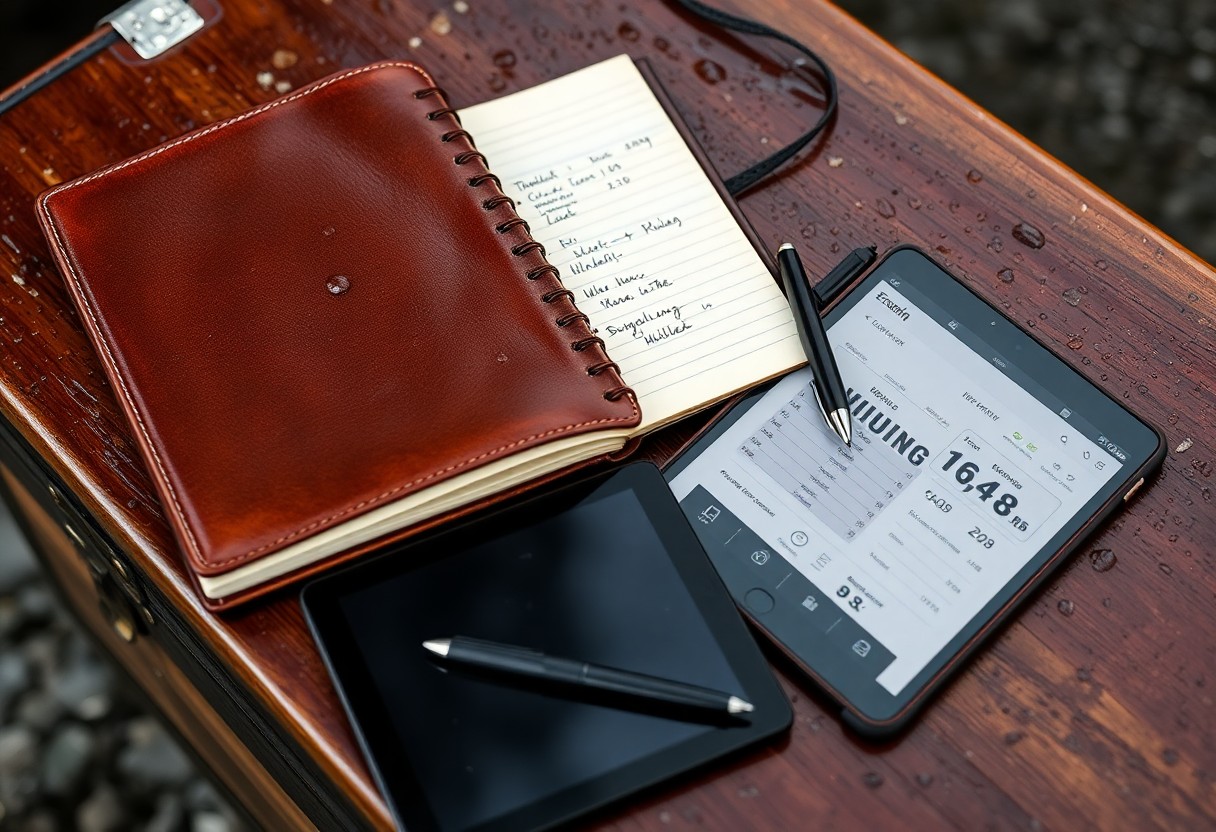
Comparative Analysis: Analog vs. Digital Utility
Both analog waterproof journals give you immediate, reliable entries in rain or sweat without power, while digital apps provide searchable, synced logs for trend analysis; you balance in-the-moment reliability against cloud sync benefits and the risk of battery failure.
| Analog | Digital |
|---|---|
| Waterproof paper, tactile notes, instant access during rides; no charging, lower searchability, strong resistance to drops. | Auto-sync, tags, voice-to-text, exportable data for graphs; depends on power, backups protect against accidental data loss. |
Accessibility and Speed During Training Sessions
You can flip a waterproof page faster than unlocking a device; analog gives quick scribbles without lights or apps, while digital offers voice entry and timers if you want immediate playback and automated logs.
Data Organization and Long-Term Progress Tracking
Digital systems let you tag, search, and chart months of rides so you spot patterns quickly; analog needs manual indexing and is harder to analyze over time.
Detailed exports let you compile CSVs, build charts, and run filters so you can quantify gaits, feed changes, or injury recovery; you should keep a redundant backup and export regularly, while paper records provide sketches and tactile context that help recall when tech fails.
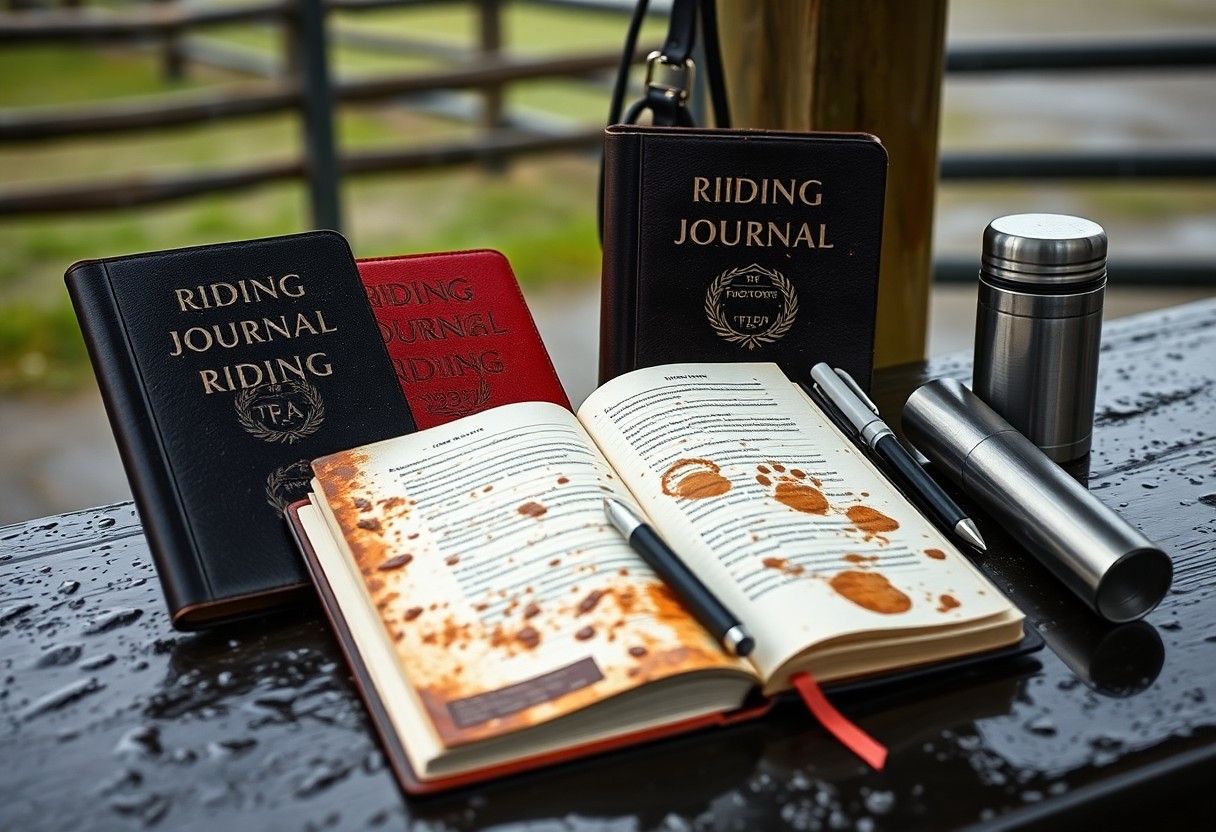
Top Waterproof Analog Journals on the Market
Top waterproof analog journals offer rugged, pocket-sized pages so you can record rides in any weather; you’ll find waterproof paper, tear-resistant binding, and quick-reference layouts that protect training notes from mud and sweat.
Professional Grade All-Weather Notebooks
Professional-grade notebooks give you oil- and water-resistant pages, archival inks, and rigid covers so you can log vet notes and conditioning without worrying about smudges or page failure.
Specialized Equestrian Progress Trackers
Specialized trackers put you on a clear path with preformatted charts for gait, shoeing, and lesson goals so you can spot trends fast; seek habit-tracking layouts and weatherproof tabs for field use.
These trackers let you log ride duration, tack changes, medication and shoeing dates, and lesson notes in templates so you can detect lameness patterns early; choose models with medication logs, shoeing date fields, and replaceable inserts to maintain long-term records despite wet conditions.
Recommended Digital Platforms for Modern Riders
Apps for riders centralize ride logs, photos, and vet notes; you should pick ones with offline access, dependable syncing, and secure backups to prevent data loss when devices fail or service drops.
Comprehensive Stable Management Applications
Stable platforms track feeding, farrier visits, and health records so you can assign staff, generate reports, and rely on medication schedules to avoid costly mistakes or missed treatments.
Versatile Note-Taking Apps for Mobile Devices
Mobile note apps capture photos, voice memos, and quick ride notes; you should use ones with tags, full-text search, and offline mode to keep logs accessible even without signal.
You can extend those note apps with templates, checklists, OCR for photos, and voice-to-text so entries stay consistent; prioritize auto-sync plus encryption for security, and watch for sync conflicts or recurring subscription fees that can erode value over time.
To wrap up
With this in mind, you can choose an analog waterproof journal for tactile, weatherproof note-taking or a digital option for searchable, synced records, ensuring your ride logs remain durable, organized, and suited to how you train and care for your horse.
FAQ
Q: What are the practical differences between waterproof analog riding journals and waterproof digital devices for equestrians?
A: Analog journals use coated or synthetic paper (examples: Rite in the Rain, Field Notes Expedition) that sheds water and accepts regular pens, pencils, or a Fisher Space Pen for wet conditions. Analog advantages include no batteries, fast one-handed entries in the barn, strong privacy without cloud syncing, and lower cost. Analog drawbacks include limited searchability, manual backups required to preserve records, and less capacity for photos or video. Digital devices include rugged tablets or smartphones with waterproof ratings (IP67/IP68) or waterproof cases and apps that record text, photos, audio, GPS, and timestamps. Digital advantages include easy media capture, full-text search, automatic backups, and easy sharing with trainers or vets. Digital drawbacks include battery dependence, higher upfront cost, potential for water ingress if seals or cases fail, and a learning curve for apps and backups.
Q: How should I choose between an analog waterproof notebook, a digital device, or a hybrid approach?
A: Match the choice to your daily routines and priorities. Choose analog if you need a simple, reliable tool for quick barn notes, weatherproof jotting during rides, or a low-cost option that won’t fail when battery life ends. Choose digital if you frequently attach photos/video to entries, want automatic backups and searchable logs, or share records with trainers and vets. Choose hybrid (a small waterproof analog for fast, on-the-ride notes plus a phone/tablet for media and backup) if you need both speed in the field and rich, long-term records. Compare factors such as exposure to rain/mud, need for multimedia, budget, desire for offline access, and willingness to manage backups and charging.
Q: What are best practices for protecting entries and ensuring long-term access to riding records in both formats?
A: For analog journals, use waterproof or synthetic-paper notebooks and pigment-based or pencil writing to resist smudging; store completed books in a dry, dark box and scan pages regularly with a smartphone scanning app to create searchable PDFs. For digital devices, choose IP-rated hardware or a high-quality waterproof case, enable automatic cloud backups, export records periodically to PDF/CSV, use strong device passwords or app encryption for privacy, and keep spare power solutions such as portable chargers. For either format, maintain a routine backup schedule and keep at least one off-site copy of important records to protect against loss, theft, or device failure.