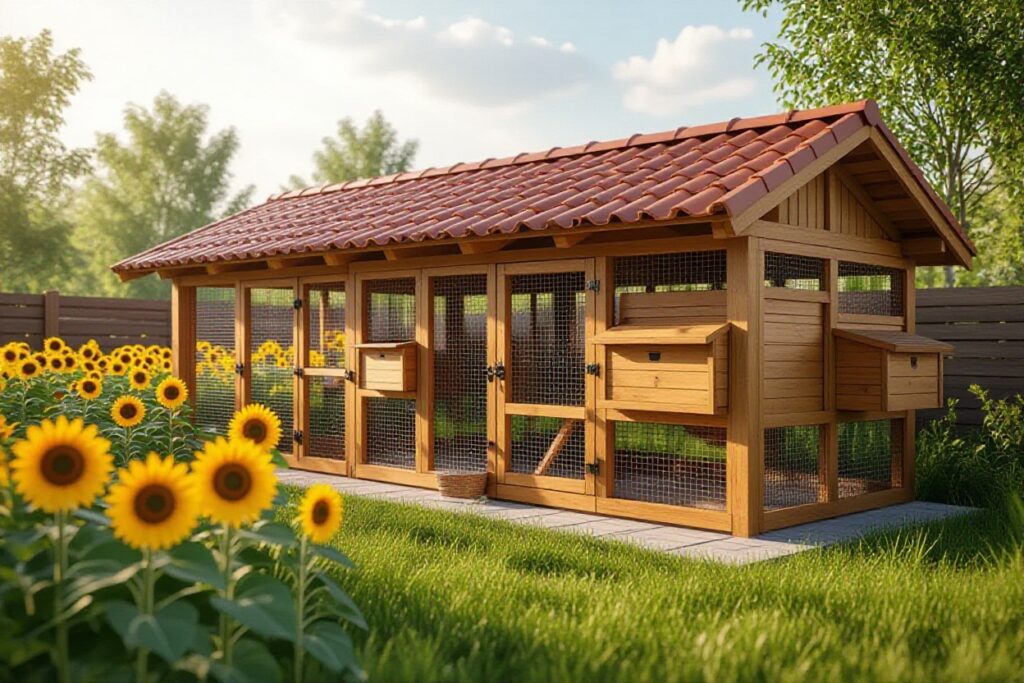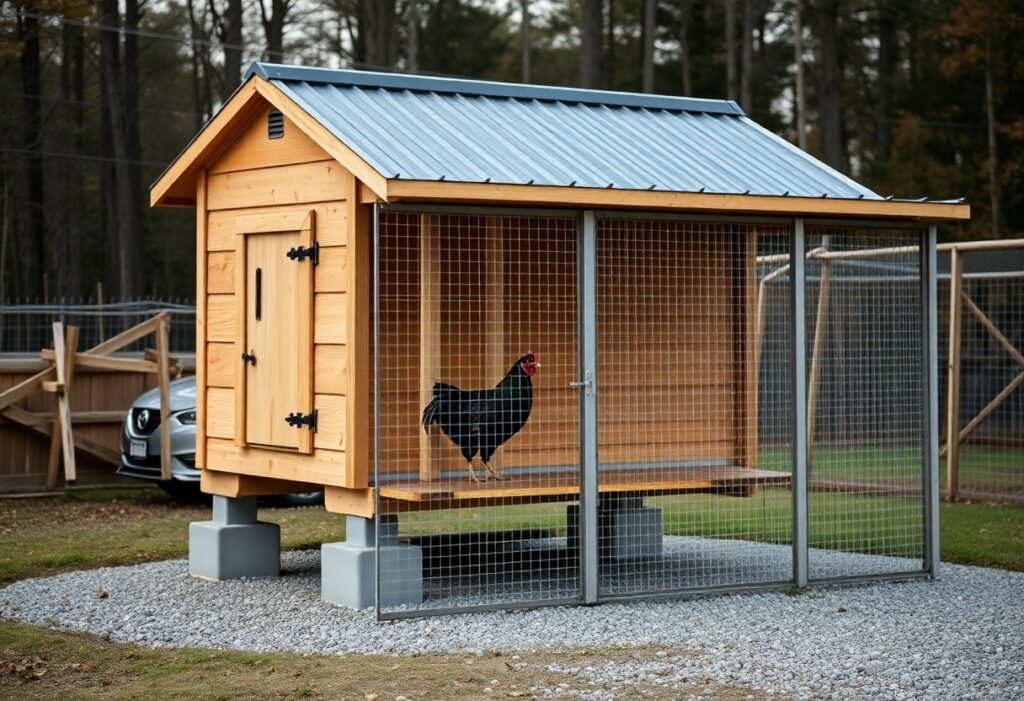
Just imagine waking up to find your roosters safe, healthy, and thriving in a coop that keeps coyotes, raccoons, and foxes completely out. You can build that reality. With buried hardware cloth, lockable latches, and elevated flooring, your design will stop predators in their tracks. This guide shows you exactly how to construct a secure, durable, and smart coop that protects your birds every night.
Critical Factors for Rooster Welfare and Security
Every successful rooster coop starts with understanding space, ventilation, predator resistance, and social dynamics. Solid construction keeps threats out while clean airflow prevents illness. Roosters need room to move without constant conflict. Recognizing early signs of stress or injury ensures quick intervention and long-term flock health.
Assessing Space Requirements for Minimal Aggression
You need at least 4 square feet per rooster inside the coop and 10 square feet in the run. Overcrowding fuels territorial disputes and increases injury risk. Larger spaces with visual barriers reduce confrontations. Recognizing that space directly influences behavior helps maintain a calmer, healthier flock.
Evaluating Local Predator Threats and Behavior
You must identify which predators are active in your area-raccoons, foxes, or hawks. Each species attacks differently and requires specific defenses. Burrowing animals need buried hardware cloth; flying threats demand covered runs. Recognizing their patterns shapes an effective, targeted defense strategy.
Predators like raccoons can reach through small openings with dexterous paws, so latches must be lockable and tight-fitting. Coyotes and foxes are strong enough to chew through weak wire, making 1/2-inch hardware cloth crucial over chicken wire. Nocturnal hunters rely on stealth, so motion-sensor lights add a powerful deterrent. You gain an edge by studying their habits-knowing when and how they strike lets you build a coop that’s not just strong, but smart.
How to Select Durable and Predator-Proof Materials
Every successful coop starts with materials that stand up to weather and wildlife. You need to prioritize strength and longevity, especially where predators are active at night. Flimsy fencing or softwood frames won’t hold up against raccoons, foxes, or even persistent rodents. Choose components designed for harsh outdoor use to ensure your birds stay safe and your structure lasts for years.
Choosing Heavy-Duty Hardware Cloth Over Standard Wire
Hardware cloth with a 1/2-inch mesh or smaller stops predators far better than chicken wire. Standard wire tears easily and offers little resistance to claws or teeth. You’ll want galvanized steel hardware cloth buried at least 12 inches underground around the perimeter. This barrier prevents digging animals from reaching in and keeps your flock secure where it matters most.
Identifying Rot-Resistant Lumber for Structural Integrity
Rot ruins coops from the ground up, especially in damp climates. You must use naturally decay-resistant woods like cedar or redwood for posts and flooring supports. Pressure-treated lumber can work, but avoid direct contact with bedding or feed to protect your birds. These materials resist moisture damage and extend your coop’s lifespan dramatically.
When evaluating lumber, look for tight grain and natural oils that repel moisture-cedar is a top choice for its durability and insect resistance. You’ll notice it holds screws better and weathers gracefully without peeling or splintering. Since the base and corners absorb the most ground moisture, using rot-resistant wood there prevents structural failure and eliminates hiding spots for pests. A solid foundation means fewer repairs and safer chickens.
Step-by-Step Guide to Building a Secure Foundation
| Step | Action |
| 1 | Mark and level the coop footprint |
| 2 | Install subterranean predator barrier |
| 3 | Build elevated flooring system |
| 4 | Anchor frame to prevent shifting |
You create lasting protection by starting with a foundation that stops threats before they reach your flock. A properly secured base keeps predators from digging in and provides structural stability in all weather.
How to Install a Subterranean Predator Barrier
Bury hardware cloth at least 12 inches deep around the perimeter to block digging predators like foxes and raccoons. Overlap seams by 6 inches and angle the bottom 6 inches outward to discourage tunneling. This hidden layer is your first real defense.
Constructing a Solid Elevated Flooring System
Build your floor at least 6 inches above ground using pressure-treated lumber and 1/2-inch plywood. Elevating prevents moisture buildup and stops rodents from nesting beneath. Secure all joints to avoid weak spots that could collapse under weight.
Your elevated floor does more than keep the coop dry-it creates a physical gap that snakes, rats, and weasels cannot easily cross. Use galvanized screws instead of nails for lasting strength, and seal edges with non-toxic caulk to block pests. Proper airflow beneath the structure reduces rot and keeps your birds healthier long-term.
Tips for Fortifying Coop Entrances and Openings
Secure every entry point with predator-proof materials and smart design. Use heavy-duty latches, welded wire mesh, and tight-fitting doors to block access. Install motion-sensor lighting and bury hardware cloth around the perimeter. This ensures your flock stays safe from nocturnal threats and persistent diggers.
- Use 1/2-inch hardware cloth instead of chicken wire
- Install double-door entry systems to prevent tailgating
- Reinforce hinges and latches with stainless steel screws
- Check for gaps larger than 1 inch-many predators can squeeze through
- Position all openings at least 12 inches above ground level
Implementing Multi-Point Locking Mechanisms
Locks on rooster coop doors should engage at multiple points to resist prying. A single latch won’t stop raccoons or foxes from forcing entry. Use sliding bolts at the top, middle, and bottom of the door frame. This increases resistance and makes forced access far more difficult.
Shoring Up Vents and Windows Against Small Intruders
Vents and windows offer airflow but create weak spots for snakes, weasels, and rats. Cover each opening with 1/4-inch hardware cloth secured by galvanized staples or rivets. Ensure mesh extends at least two inches beyond the frame. This prevents chewing and prying by determined small predators.
Even tiny gaps near rooflines or under eaves can invite weasels or flying squirrels looking for shelter. Frame each vent with pressure-treated wood and attach the hardware cloth from the outside to prevent inward collapse. Overhangs or angled metal flashing discourage climbing pests. This layered defense maintains ventilation while eliminating entry routes.
Optimizing Interior Design for Rooster Comfort
Every rooster deserves a safe, stress-free space to rest and thrive. Focus on ventilation, space per bird, and light control to maintain health and calm behavior. Install features that reduce noise and crowding. Recognizing comfort as a daily necessity ensures stronger immunity and better flock dynamics.
Proper Roost Bar Placement to Prevent Injury
Position each roost bar at least 18 inches above the floor and space them 12-15 inches apart. Angling bars slightly upward prevents droppings from soiling feathers. Ensure ends are rounded to avoid foot injuries. Recognizing perching habits reduces nighttime falls and joint strain.
Factors in Designing Easy-to-Clean Waste Systems
Choose removable trays, sloped flooring, and non-porous materials to simplify daily cleanup. Include access doors for quick waste removal without disturbing roosters. Use absorbent bedding like pine shavings to control odor. Recognizing hygiene as a core element prevents disease and keeps air quality high.
- Removable trays allow swift waste disposal
- Sloped flooring directs droppings to collection zones
- Non-porous surfaces resist bacteria and moisture buildup
- Bedding material should be absorbent and low-dust
- Access points must be large enough for thorough cleaning
Designing with maintenance in mind saves hours each week and protects your roosters from respiratory issues and parasites. A system that lets you remove waste quickly without dismantling the coop encourages consistent cleaning. Use concrete or sealed wood for floors, and consider a drop-down panel for deep clean access. Recognizing cleanability as a health safeguard ensures long-term coop success.
Maintenance Tips for Long-Term Structural Safety
Regular upkeep ensures your predator-proof coop remains secure and functional.
- Inspect fasteners and joints monthly for rust or looseness
- Check for cracks or warping in hardware cloth and wood
- Reinforce weak spots before small issues grow
Thou extend your coop’s life with consistent, attentive care.
Seasonal Inspection Checklists for Hardware and Siding
Each season, examine your coop’s hardware cloth for tears and test door latches for smooth operation. Look for swelling or rot in wooden siding, especially after wet months. Replace compromised materials promptly to maintain structural integrity. Thou prevent breaches by staying ahead of wear.
How to Manage Perimeter Vegetation to Deter Pests
Keep grass and weeds trimmed within a three-foot radius around the coop. Overgrown plants offer cover to predators and attract nesting rodents. Remove leaf piles and low-hanging branches that create hiding spots. Thou reduce risk by eliminating shelter near entry points.
Clearing vegetation around your coop isn’t just about neatness-it’s a proven deterrent against snakes, raccoons, and rats. Tall grass and dense foliage let predators stalk unseen, increasing the chance of an attack at night. A bare soil or gravel buffer zone makes the area less appealing and easier to monitor. Regular mowing and edging keep this zone effective year-round.
To wrap up
Now you have all the tools to build a secure, functional rooster coop that keeps predators out and your birds safe. Choose strong materials, secure every entry point, and maintain daily checks on locks and fencing. Your attention to detail ensures a long-lasting, effective shelter tailored to your flock’s needs.
FAQ
Q: What materials should I use to make a predator-proof rooster coop?
A: Use 1/2-inch hardware cloth instead of chicken wire to cover all openings, including windows and ventilation areas. Chicken wire can be torn easily by raccoons, foxes, or dogs. Secure the hardware cloth with galvanized staples or screws every 4 to 6 inches to prevent animals from prying it loose. Build the frame from pressure-treated lumber or rot-resistant cedar, and use metal roofing to avoid damage from chewing or clawing predators. Avoid using soft woods or plastic panels that can be broken or gnawed through.
Q: How can I prevent predators from digging under the coop?
A: Bury hardware cloth at least 12 inches deep around the entire perimeter of the coop and extend it outward in an L-shape for another 12 inches underground. This creates a barrier that deters digging animals like foxes and raccoons. Alternatively, pour a concrete slab foundation or lay a gravel floor with buried wire mesh. Make sure the buried barrier connects seamlessly with the walls to eliminate gaps.
Q: Should the rooster coop have a door, and how do I secure it at night?
A: Yes, the coop needs a door for access and cleaning, but it must be secured every night. Use a solid wood or metal door that latches tightly with a predator-proof lock, such as a sliding bolt or padlock. Avoid simple hooks or ties, as raccoons can open them. Install the door high enough off the ground to prevent animals from reaching through, and consider adding an automatic door opener that closes at dusk for consistent protection.