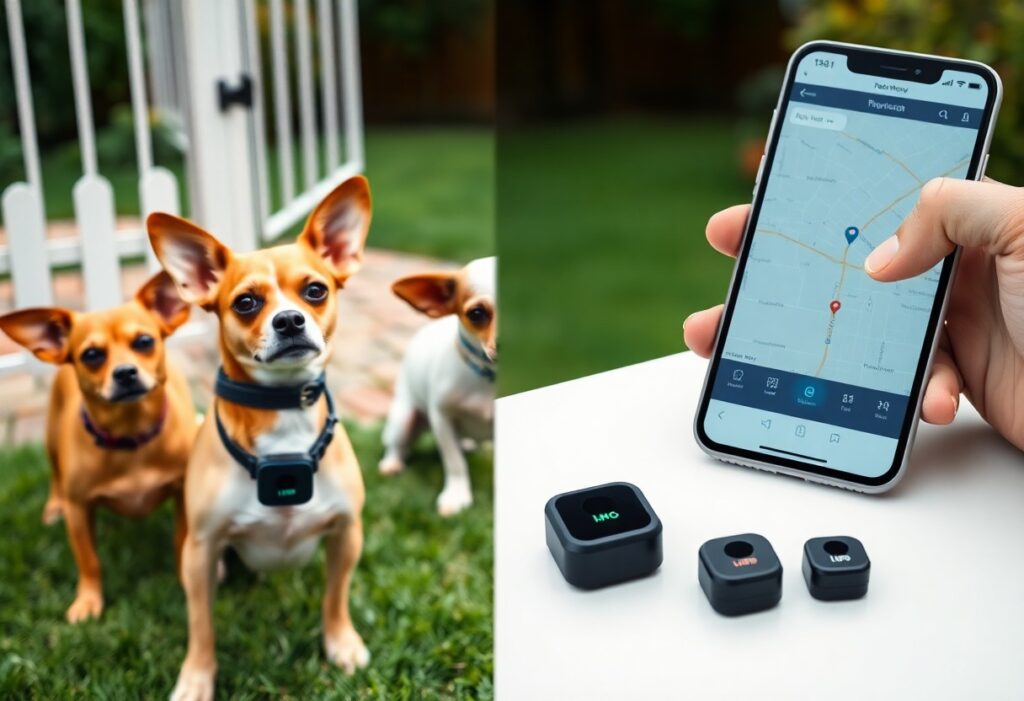
Pets of small breeds often slip collars or squeeze through tight spaces, making them prone to wandering. If your dog or cat has a habit of escaping, a reliable GPS tracker is crucial for their safety. The wrong device may be too heavy or lack real-time tracking, putting your pet at serious risk. You need a lightweight, accurate, and long-lasting solution designed specifically for small, agile animals.
The Small Dog and the Open Gate
You’ve seen it happen in seconds-a backyard gate swings wide, and your tiny Houdini vanishes. Even a split-second lapse can lead to a dangerous escape, especially in busy neighborhoods. Small breeds tire quickly but panic harder, making recovery urgent. A GPS tracker with real-time location updates ensures you’re never guessing where they’ve gone. Immediate alerts when your dog moves beyond a safe zone could mean the difference between a close call and a tragedy.
The Weight of the Device
You need a tracker light enough that it won’t strain your small dog’s neck or discourage movement. Anything over 1 ounce can be too heavy for breeds like Chihuahuas or Yorkies. A bulky or heavy device may cause discomfort, leading to skin irritation or reluctance to wear it at all. Your pet’s safety depends on a tracker that’s nearly unnoticeable during play, rest, and escape attempts.
The Truth of the Signal
You might assume your tracker always shows your pet’s exact location, but signal accuracy varies. Thick walls, dense trees, or urban canyons can block or distort GPS signals, leading to delayed or incorrect updates. Some devices switch to less reliable Bluetooth or Wi-Fi in weak signal zones, increasing the risk of losing track during a critical escape. Always check real-world performance, not just manufacturer claims.
The Battery and the Dark
You never know when your small breed will make a break for it-dawn, dusk, or deep into the night. A tracker with weak battery life fails when you need it most, leaving you blind during critical hours. Choose a model that lasts at least 48 hours on a single charge and offers real-time low-battery alerts. Darkness shouldn’t mean disappearance.
The Price of the Search
You might spend hours scanning alleys and calling your pet’s name when they vanish. Every minute without a signal raises the risk of injury or worse. A reliable GPS tracker cuts that search time dramatically, turning panic into action. The cost of a good device is minor compared to the emotional and physical toll of a missing pet. You’re not buying technology-you’re buying peace of mind.
Strength in the Brush
Your tiny escape artist might vanish into thick foliage in seconds, but a high-sensitivity GPS tracker ensures you never lose sight of their location. Dense vegetation can block weak signals, putting your pet at risk. Choose a device built to maintain consistent satellite contact, even under heavy tree cover. You need reliability when every second counts.
Conclusion
Hence, selecting the right GPS tracker for escape-prone small breeds means prioritizing lightweight design, accurate real-time tracking, and secure fit. You need a device that matches your pet’s agility and habits, ensuring quick location if they wander. Your choice directly impacts their safety and your peace of mind.
FAQ
Q: What features should I look for in a GPS tracker for a small dog that tends to escape?
A: Look for a lightweight, collar-compatible tracker with real-time location updates and a long battery life. Small escape-prone breeds need a device that doesn’t weigh them down-ideally under 1.5 ounces. Real-time tracking ensures you can follow your dog’s movements instantly through a smartphone app. Geofencing is another helpful feature; it sends an alert when your dog leaves a designated safe zone, like your yard. Waterproofing is also important, especially if your dog likes digging or runs through puddles. Choose a model with a strong signal that works well in wooded areas or urban environments, depending on where you live.
Q: Can GPS trackers help if my small dog escapes into a crowded or wooded area?
A: Yes, but only if the tracker offers strong signal reliability and fast update intervals. Some budget models update location every few minutes, which can delay recovery in fast-moving situations. For escape artists, choose a tracker with updates every 2-5 seconds when in motion. Models that use both GPS and cellular networks tend to perform better in dense areas. Some even include live tracking modes that increase update frequency when activated. Pairing the tracker with a loud, app-controlled alert or LED light can help locate your dog more easily in thick brush or busy streets.
Q: Are subscription fees necessary for small dog GPS trackers?
A: Most reliable GPS trackers for small dogs require a monthly or annual service plan. The tracker hardware alone can’t transmit location without access to cellular networks or satellite services, which the subscription covers. Plans vary in cost, typically from $5 to $15 per month, and often include features like unlimited tracking, geofencing, and location history. While some devices claim to be “free” after purchase, they may lack consistent coverage or advanced features. Read the fine print-low upfront cost with no subscription often means limited functionality or spotty performance when you need it most.