Most apartment dwellers find budgies to be ideal companions due to their small size, low noise levels, and adaptability. You can provide a fulfilling life for your budgie with proper cage space, daily interaction, and a balanced diet. Neglecting mental stimulation or exposure to toxic fumes from non-stick cookware can be life-threatening, so awareness is key.
Identifying Popular Budgie Types for Domestication
Many budgie enthusiasts choose pets based on temperament and appearance. The most common types kept in homes are the Australian and English varieties, each offering distinct traits. Domestication has favored birds with calm behavior and strong vocal ability. Any
| Type | Key Feature |
| Australian Budgie | Smaller, more active, natural wild appearance |
| English Budgie | Larger, show-bred, pronounced head crest |
| Normal Green | Wild-type coloring, hardy and common |
| Blue Mutation | Lacks yellow pigment, ranges from sky blue to violet |
Distinguishing Between Australian and English Varieties
You’ll notice Australian budgies are leaner and more energetic, closely resembling wild ancestors. English budgies are bred for exhibitions, featuring fuller chests and feather crests. Their tameness varies, with English types often being easier to train. Any
Recognizing Common Color Mutations and Physical Traits
Color mutations like blue, lutino, and albino stem from selective breeding. Physical traits such as crest feathers or tail length signal breed type. Some mutations may carry genetic sensitivities. Any
Budgie color variations arise from genetic changes affecting melanin and pigment distribution. Lutino budgies lack dark pigments, resulting in bright yellow plumage and red eyes, but may be light-sensitive. Cinnamon wings show a soft brown pattern, while pied markings create irregular color patches. These traits don’t usually impact health, though double-factor mutations can increase vulnerability to stress or feather issues. Any
Critical Factors for Successful Apartment Integration
Living with budgies in an apartment demands attention to noise levels, space efficiency, and daily routine consistency. Ensure your bird has a safe, draft-free zone away from kitchen fumes and heavy foot traffic. Any
- Stable environment reduces stress and supports long-term health
- Quiet hours compliance keeps neighbors happy and avoids complaints
- Secure cage placement prevents escape during door movements
Managing Acoustic Levels and Noise Sensitivity
Budgies naturally vocalize, but you can minimize disruptions by placing their cage away from shared walls. Use soft background music or white noise to buffer sudden sounds. Excessive noise may trigger stress calls, so observe your bird’s patterns. Any
Optimizing Minimal Square Footage for Avian Health
You can maintain a healthy budgie even in tight spaces by prioritizing vertical cage design and smart accessory placement. Clean air circulation and unobstructed perching areas support respiratory and joint health. Avoid clutter near the cage to allow easy access and monitoring. Any
Maximizing limited space means choosing a tall, narrow cage that fits in corners without blocking natural light. Include multiple perches at different heights to encourage movement and muscle development. Proper airflow prevents stagnant air, which can lead to respiratory issues in small rooms. Position the cage so your budgie has a clear view of the room-this reduces anxiety and promotes mental engagement. Any
Pros and Cons of Keeping Budgies in Compact Spaces
Living with budgies in small apartments offers unique benefits and challenges. Their compact size and cheerful nature make them ideal companions, but daily care and environmental needs still require attention. Consider the following factors before bringing these lively birds home.
| Pros | Cons |
|---|---|
| Budgies need minimal floor space | Feathers and dander can accumulate quickly |
| Low noise compared to larger birds | Cage cleaning is required daily |
| Affordable to feed and maintain | Chewing habits may damage furniture |
| Quiet vocalizations suit shared walls | Need consistent mental stimulation |
| Easy to integrate into small routines | Susceptible to air pollutants |
| Strong bonds form with owners | Can be startled by sudden movements |
| Long lifespan with proper care | Require 1-2 hours outside cage daily |
| Colorful and entertaining behavior | Seeds scatter easily, creating mess |
| Social but don’t demand constant attention | Potential for loud contact calls |
| Adaptable to indoor living conditions | Dander may affect sensitive individuals |
Advantages of Low-Impact Pet Ownership
You’ll appreciate how budgies fit effortlessly into apartment life. Their small footprint means less disruption to your space and schedule. With modest food needs and quiet personalities, they offer companionship without overwhelming demands-ideal for renters or those with limited time.
Potential Drawbacks Regarding Dander and Daily Cleanup
Dander and feather dust are natural byproducts of having budgies indoors. You must clean the cage daily and wipe nearby surfaces to prevent buildup. For allergy-prone individuals, this can become a serious concern if not managed consistently.
Budgie dander is fine and airborne, often invisible until it settles on furniture or electronics. While not as intense as larger birds, it still requires proactive care. You should invest in a small air purifier and clean perches, toys, and grates every day. Neglecting this routine risks respiratory irritation, especially in tightly sealed apartments with poor ventilation. Regular bathing options-like a shallow dish or misting-help reduce shedding and keep your bird healthy.
Creating the Ideal Habitat: A Step-by-Step Setup
Setting up the perfect space for your budgie ensures long-term health and happiness. Follow this guide to build a safe, stimulating environment tailored to your bird’s natural behaviors and needs.
| Cage Size | Minimum 24”L x 18”W x 18”H for one budgie; larger is better, especially for pairs. |
| Bar Spacing | ½ inch apart to prevent head injuries or escapes. |
| Placement | Position in a bright, draft-free area with natural daylight and social activity. |
| Perches | Use natural wood or rope perches of varying diameters to support foot health. |
| Toys & Enrichment | Include chewable items, mirrors, and foraging toys to prevent boredom. |
Selecting Cage Dimensions and Strategic Placement
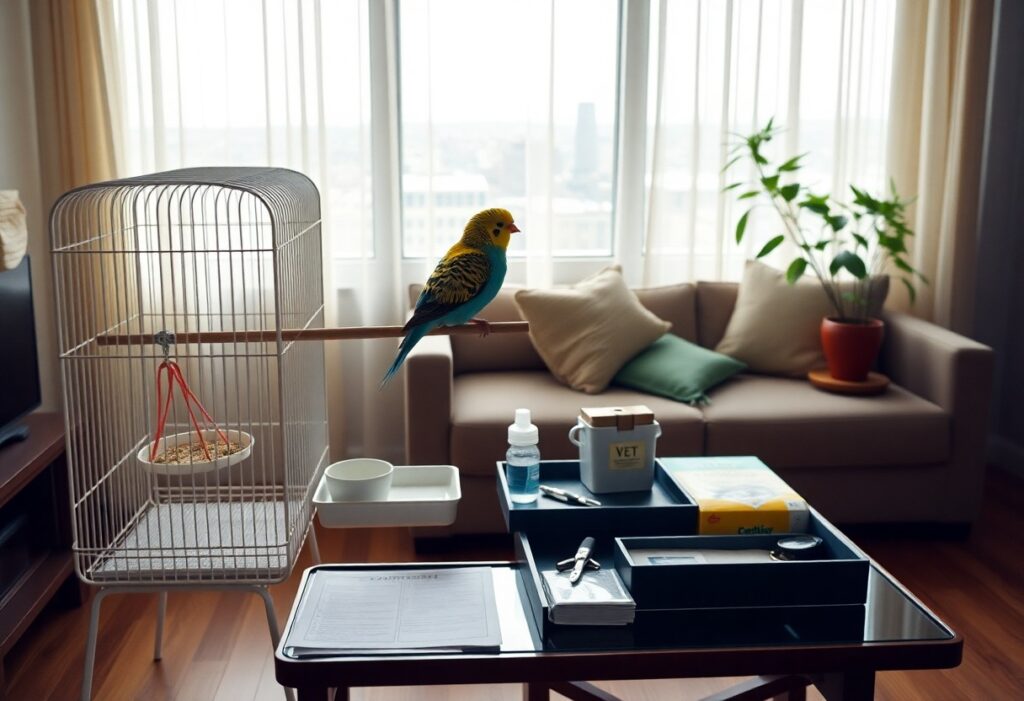
Your budgie needs room to stretch its wings and fly short distances. Place the cage at eye level in a social area, but away from direct sunlight, drafts, and kitchen fumes-toxic smoke from non-stick pans can be fatal. Avoid corners to reduce anxiety and allow easy access.
Outfitting the Environment with Perches and Enrichment
Different perch textures strengthen your budgie’s feet and prevent sores. Add safe toys that encourage chewing, climbing, and problem-solving. Boredom leads to feather plucking, so rotate toys weekly to maintain mental stimulation and natural behaviors.
Choose perches made from untreated hardwood or sisal-covered materials-avoid sandpaper covers that damage delicate feet. Position them at varying heights to promote movement. For enrichment, include foraging puzzles filled with millet or shredded paper, and bird-safe bells or ladders. Always inspect toys for sharp edges or small parts that could pose choking hazards. A dynamic cage environment keeps your budgie alert, active, and emotionally balanced.
Essential Maintenance Tips for Long-Term Wellness
Consistent care keeps your budgie thriving in an apartment setting.
- Provide fresh water daily and clean food dishes to prevent contamination
- Trim flight feathers only when necessary to avoid stress
- Monitor behavior for early signs of illness like fluffed feathers or reduced activity
Assume that small changes in routine can signal bigger health concerns.
Formulating a Balanced Seed and Pellet Diet
Your budgie needs proper nutrition to stay energetic and disease-free. A mix of high-quality pellets and limited seeds ensures important vitamins without excess fat. Include fresh vegetables like spinach or carrots a few times weekly. Assume that an all-seed diet leads to liver disease over time.
Establishing a Routine for Hygiene and Veterinary Care
Cleanliness directly impacts your bird’s longevity. Wipe cage bars weekly and replace lining daily to reduce bacteria buildup. Schedule annual checkups with an avian vet to catch silent illnesses early. Assume that even cheerful budgies can hide serious conditions.
Preventative hygiene isn’t optional-it’s daily responsibility. Your budgie doesn’t show pain until illness is advanced, making routine cage cleaning and droppings monitoring important. Bathing opportunities, like a shallow dish or mist spray, support feather health and reduce dander in small living spaces. An annual vet visit with fecal testing can detect parasites or infections before they become life-threatening.
Socialization and Behavioral Training Methods
Consistent daily interaction shapes your budgie’s personality and strengthens your bond. Spend time near the cage talking softly, then gradually introduce hand contact. Patience is key-rushing causes fear, while gentle repetition builds confidence. Training sessions should be short but regular, using positive reinforcement to encourage desired behaviors.
Techniques for Building Trust and Hand-Taming
Start by placing your hand inside the cage daily without grabbing. Offer treats from your fingers and speak in a calm tone. Your budgie will step onto your finger when trust forms. Never force contact-this breaks progress. Over days or weeks, your bird learns your hand means safety, not threat.
Facilitating Safe Indoor Flight Opportunities
Allowing flight strengthens muscles and mental health. Remove hazards like open windows, mirrors, and ceiling fans. Always supervise during free flight. Begin with short sessions in a small, closed room. Your budgie gains confidence while you maintain control over the environment.
Flight isn’t just exercise-it’s vital for a budgie’s well-being. A room with clear floor space and perches at different heights mimics natural movement. Close doors and cover mirrors to prevent collisions. An escaped or injured bird is a real risk, so check for drafts, pets, and toxins. With consistent routines, your budgie learns safe boundaries and returns to your hand on cue.
Final Words
Upon reflecting on budgies as apartment pets, you recognize their adaptability, low space requirements, and engaging personalities make them ideal companions for urban living. With proper care, a balanced diet, and daily interaction, your budgie thrives, bringing color and sound to your home in a way few pets can.
FAQ
Q: Are budgies a good choice for apartment living?
A: Budgies are well-suited for apartment environments due to their small size and manageable noise levels. They don’t require a large space and can thrive in a properly sized cage placed in a quiet corner of a living room or bedroom. While they do chirp and vocalize, especially during morning and evening hours, their sounds are generally soft compared to larger bird species. Placing the cage away from shared walls can minimize disturbance to neighbors. Their social nature also means they enjoy human interaction, making them ideal companions for people living in smaller homes.
Q: What kind of cage and setup do budgies need in an apartment?
A: A single budgie needs a cage that’s at least 20 inches wide, 18 inches deep, and 18 inches tall, with horizontal bars to encourage climbing. For two budgies, a larger cage is necessary-ideally 30 inches long or more. The cage should include multiple perches made of natural wood, food and water dispensers, and a variety of safe toys to prevent boredom. Place the cage in a well-lit area away from drafts, direct sunlight, and kitchen fumes. Since kitchens can emit toxic fumes from non-stick cookware, it’s safer to keep the cage in a living room or bedroom. Covering the cage at night helps establish a sleep routine and reduces noise during quiet hours.
Q: How much daily care and attention do apartment-dwelling budgies require?
A: Budgies need daily interaction, ideally 15 to 30 minutes outside their cage in a secure, bird-proofed space. This helps them stretch their wings and bond with their owner. Their food and water should be refreshed every day, and fresh vegetables like spinach, cucumber, or carrot can be offered in small amounts. The cage floor should be cleaned every few days to manage droppings and spilled seed. Weekly, perches and toys should be wiped down, and the entire cage given a more thorough cleaning. Consistent routines in feeding, cleaning, and social time help budgies feel secure in an apartment setting.