It’s possible to rebuild degraded soil and boost farm resilience by integrating grazing animals into your land management. Managed rotational grazing increases organic matter, enhances water retention, and reduces erosion. You directly support carbon sequestration while lowering input costs. Overgrazing causes long-term damage, but when timed correctly, animal impact stimulates root growth and microbial activity for lasting soil health.
The Living Skin of the Earth
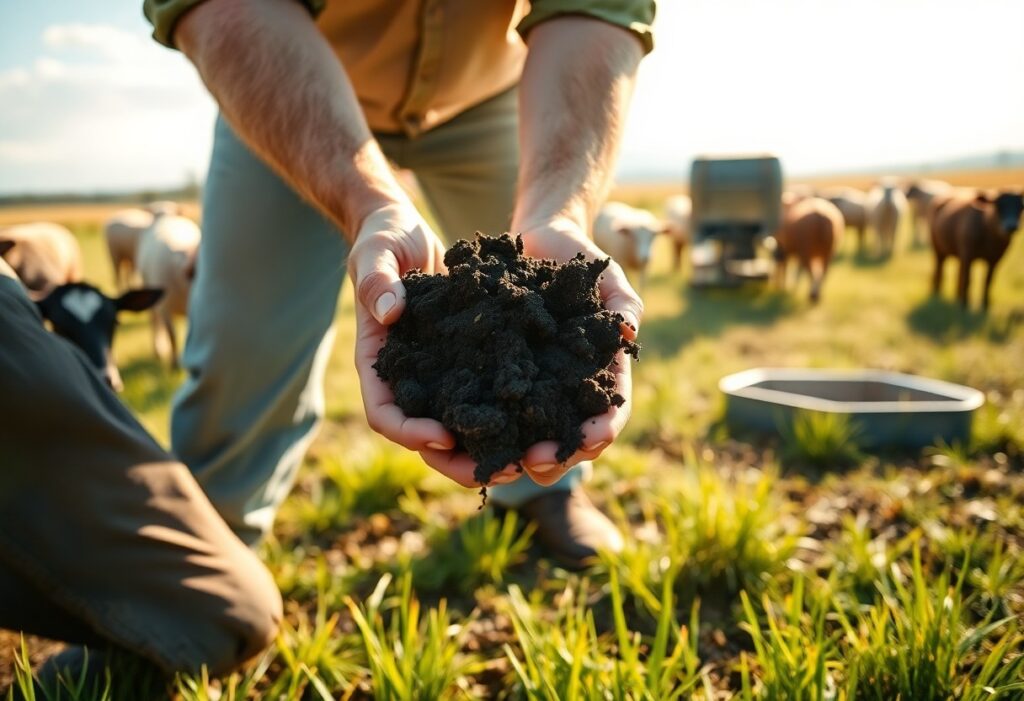
You walk across soil that breathes, teems, and works beneath your feet. This living skin of the earth-rich with fungi, bacteria, and microfauna-responds directly to how you manage grazing animals. When hooves lightly break the surface, they trigger natural regeneration, embedding organic matter and creating pores for water. Overgrazing risks compaction and erosion, but well-timed animal impact boosts soil structure and carbon capture. You’re not just raising livestock-you’re tending an underground ecosystem.
Restoring the Broken Circle
You once removed animals from the land to protect it, but that decision broke a natural cycle. Managed grazing rebuilds that lost connection, letting hooves break soil crusts and trample organic matter into the ground. Your livestock become partners in regeneration, not pests to control. Dung and urine feed microbes, boosting soil life exactly where it’s needed most.
The Wisdom of the Herd
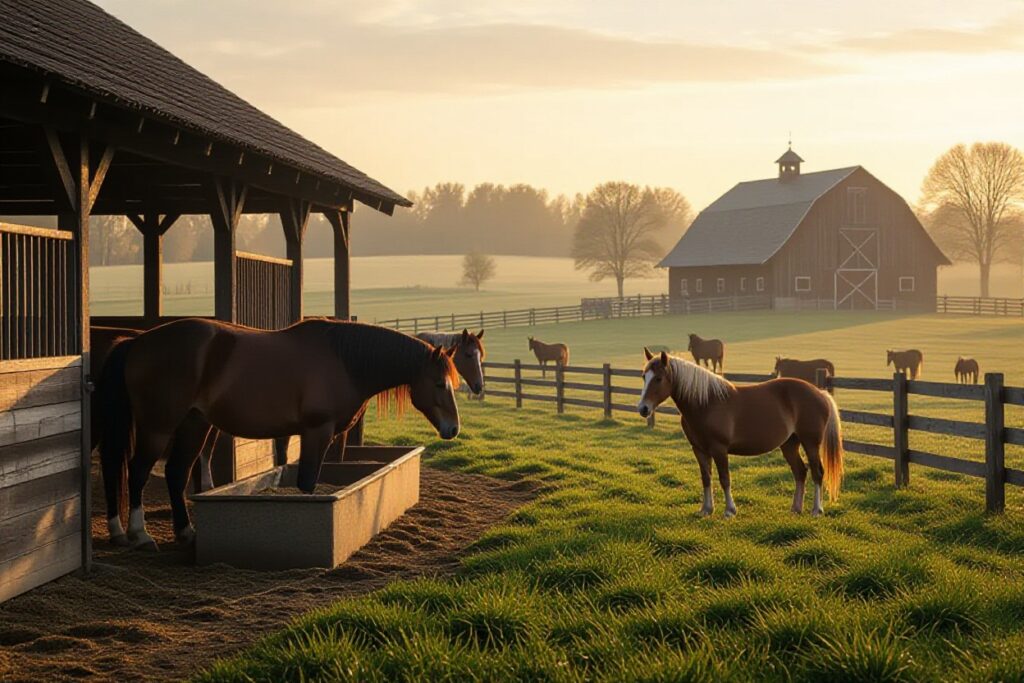
You observe how grazing animals naturally cluster, moving across pastures in tight groups that mimic ancient migratory patterns. Their hooves break up compacted soil, creating tiny pockets for water and air. This physical interaction jumpstarts microbial activity, turning barren ground into living earth. Manure deposits feed soil organisms, while trampled plant matter forms a protective mulch. You begin to see the herd not just as livestock, but as active partners in regeneration.
Beyond the Industrial Machine
The Hidden Cost of Tilling
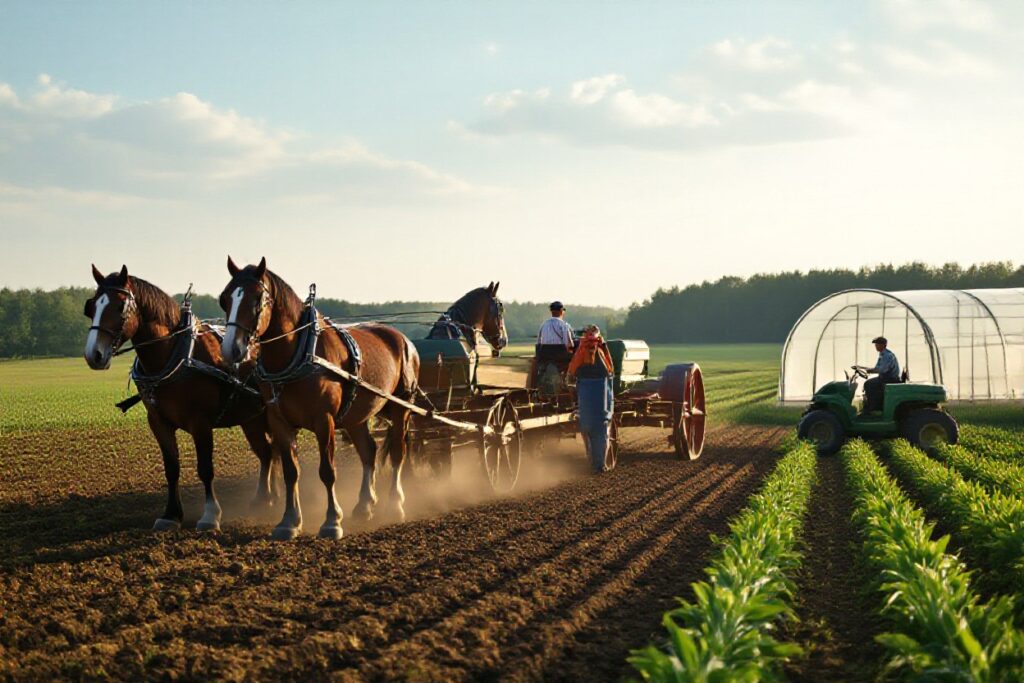
You tear up the soil with every pass of the plow, breaking down vital organic matter and releasing stored carbon into the atmosphere. Each year, industrial tillage degrades millions of acres, weakening soil structure and increasing erosion. What looks like progress often undermines the land’s long-term productivity. You’re not just growing crops-you’re unraveling a living system.
Animals as Ecosystem Engineers
Cows, sheep, and goats mimic natural herds that once roamed grasslands in dense, mobile groups. When managed correctly, their grazing stimulates plant growth, deposits nutrient-rich manure, and tramples organic material into the soil surface. This isn’t just farming-it’s regeneration. You’re working with biology, not against it.
Breaking the Chemical Cycle
Synthetic fertilizers may boost yields short-term, but they disrupt microbial life crucial for healthy soil. Over time, dependence on chemicals reduces the land’s natural fertility. By integrating grazing animals, you rebuild nutrient cycles naturally. You stop feeding the plant and start feeding the soil.
The Harvest of Health
You reap more than crops when livestock graze thoughtfully across pastureland. Soil rich in organic matter translates directly into nutrient-dense food on your table. Every bite of meat, milk, or grain from well-managed land carries the benefit of regenerated ecosystems. Health flows from the ground up, and you are part of that cycle.
To wrap up
You improve soil structure and fertility when grazing animals are managed strategically. Their natural behaviors enhance nutrient cycling, stimulate plant growth, and reduce erosion. By integrating livestock into crop systems, you build healthier soils over time. This approach supports long-term productivity while working with natural processes.
FAQ
Q: How do grazing animals help improve soil health?
A: Grazing animals like cattle, sheep, and goats naturally cycle nutrients through their manure and urine, which enriches the soil with organic matter and necessary nutrients such as nitrogen and phosphorus. Their hooves lightly disturb the soil surface, helping to incorporate plant litter and seeds into the ground, which supports seed germination and reduces erosion. The plants respond by growing deeper roots, which increases soil structure and water retention. Managed properly, this process builds healthier, more biologically active soil over time.
Q: What is rotational grazing, and why is it important for sustainable farming?
A: Rotational grazing involves moving animals frequently between small sections of pasture, allowing each area time to rest and recover before being grazed again. This practice prevents overgrazing and gives plants the chance to regrow fully, which strengthens root systems and improves soil cover. Rest periods also support soil microbes and earthworms, which break down organic material and enhance soil fertility. Farms using rotational grazing often see better forage quality, reduced need for chemical fertilizers, and improved resilience during dry periods.
Q: Can using grazing animals reduce the need for synthetic fertilizers and pesticides?
A: Yes, healthy grazing systems can greatly reduce or eliminate the need for synthetic inputs. Animal waste acts as a natural fertilizer, returning nutrients directly to the soil in a form plants can easily absorb. Diverse pasture plants, encouraged by proper grazing, compete with weeds and support beneficial insects that control pests. This natural balance lowers dependency on chemical fertilizers and pesticides, cuts farm costs, and avoids pollution from runoff. Over time, the soil becomes more self-sustaining, supporting productive land without artificial aids.