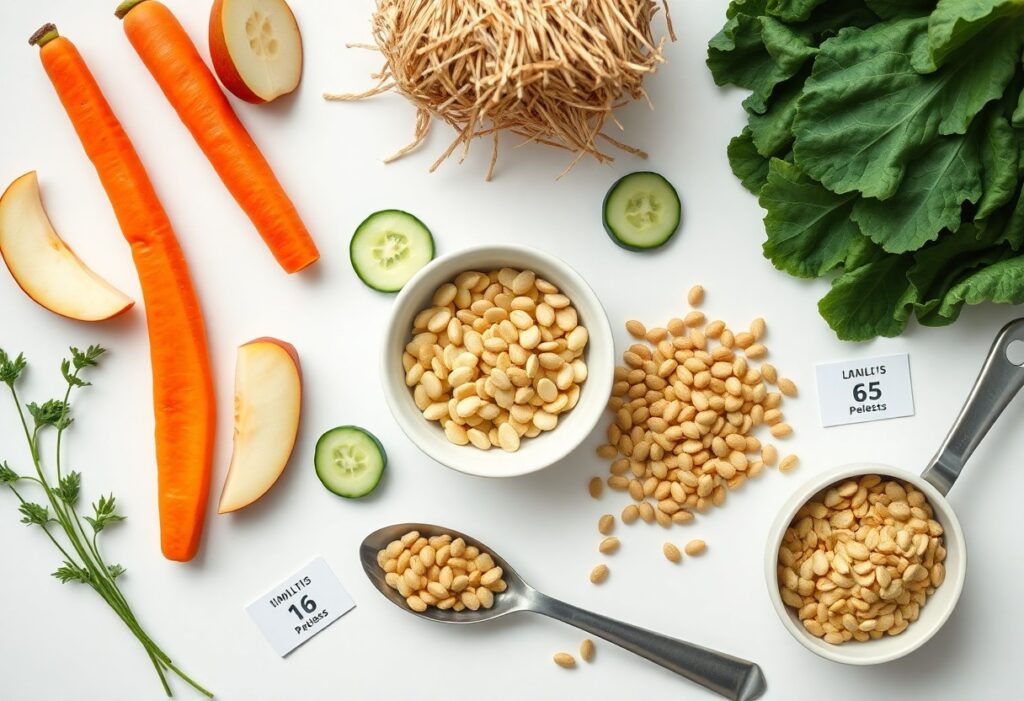
You’ve probably offered your hamster a piece of apple or watched your guinea pig nibble a carrot with delight, but not all human foods are safe for small rodents. Some common snacks can cause serious health issues, while others provide necessary nutrients that support long, healthy lives. This guide highlights which foods are safe, which to avoid completely, and how to balance treats with daily nutrition using clear visuals and simple tips tailored to your little companion’s needs.
Understanding Your Pet’s Needs
Every small chewer has unique dietary needs shaped by their biology and behavior. Meeting these keeps them active, healthy, and free from common digestive issues. A balanced mix of fiber, protein, and limited fat supports their fast metabolism. Any improper diet can lead to serious health setbacks over time.
Key nutritional factors for health
Fiber supports proper digestion and helps prevent dental overgrowth, common in guinea pigs and rabbits. Calcium must be balanced to avoid bladder stones, especially in dwarf hamsters. Protein needs vary by species and life stage, with young rodents requiring more. Vitamin C is important for guinea pigs, who can’t produce it themselves. Any deficiency can result in lethargy or joint pain.
- Fiber keeps the digestive tract moving efficiently
- Protein supports muscle development and tissue repair
- Vitamin C prevents scurvy in guinea pigs and some rats
- Calcium strengthens bones but must be given in moderation
- Fat should be limited to avoid obesity, especially in Syrian hamsters
Identifying your rodent’s specific diet
Species like gerbils thrive on dry seeds and grains, while guinea pigs need daily fresh vegetables for vitamin C. Chinchillas require high-fiber hay and very little fruit. Any mismatch in diet type can cause long-term health strain.
Different rodents process food in distinct ways due to their digestive anatomy. For example, a rat can handle a varied omnivorous diet, including small amounts of cooked egg, while a degu is highly sensitive to sugar and must avoid fruit entirely. Understanding these differences helps you choose appropriate daily foods and safe treats, ensuring your pet stays energetic and illness-free.
Tasty Varieties for Every Nibbler
Offering a mix of safe vegetables and occasional fruit treats keeps your little companion engaged and nourished. Small portions of nutrient-rich foods support daily health, while variety prevents boredom. The right balance ensures they get fiber, vitamins, and just enough natural sugar.
Popular types of safe vegetables
Leafy greens like romaine lettuce, endive, and escarole are excellent daily choices. You can also offer small amounts of carrot tops, zucchini, and red bell pepper. The table below shows safe options with their key benefits.
| Romaine lettuce | High in water and fiber, supports digestion |
| Endive | Bitter green that aids liver function |
| Red bell pepper | Rich in vitamin C, boosts immunity |
| Zucchini | Low-sugar vegetable, safe for frequent feeding |
| Carrot tops | Packed with calcium and vitamin K |
Fruit and seed treats they will love
Fruit should be given sparingly due to natural sugars, but your rodent will adore tiny pieces of apple, blueberry, or strawberry. Seeds like sunflower and pumpkin make satisfying, protein-rich rewards. The occasional treat keeps mealtime exciting without compromising health.
Think of fruit as a weekly indulgence rather than a staple. A pea-sized piece of apple once a week is plenty for a dwarf hamster, while a larger guinea pig might enjoy a blueberry every few days. Seeds are high in fat, so limit them to one or two per feeding. The key is consistency and portion control to prevent weight gain and maintain dental health.
Preparing the Perfect Meal
Every bite your rodent takes should support their health and happiness. Start with fresh, clean ingredients and avoid anything high in sugar or fat. Washing produce thoroughly removes harmful residues, while proper portioning ensures balanced nutrition. A well-prepared meal keeps your little friend energetic and their coat shiny.
A step-by-step guide to washing and slicing
Begin with rinsing vegetables under cool running water to remove dirt and pesticides. Use a soft brush for items like carrots or cucumbers. Never use soap or detergents, as these can leave toxic residues. Slice into pea-sized pieces to prevent choking and aid digestion.
| Step | Action |
| 1 | Rinse all produce under cool water |
| 2 | Scrub firm vegetables gently with a clean brush |
| 3 | Pat dry or air-dry to reduce moisture |
| 4 | Cut into small, manageable pieces |
| 5 | Serve immediately or refrigerate within an hour |
Creating a balanced food bowl
Combine a base of high-quality lab blocks with a few fresh greens and a tiny portion of fruit. Overfeeding fruit can lead to obesity and dental issues, so limit it to once or twice a week. Rotate vegetables daily to provide a range of nutrients and keep meals interesting.
Think of your pet’s bowl like a tiny salad bar designed just for them. A half-teaspoon of chopped bell pepper, a few sprigs of cilantro, and a sprinkle of dandelion greens add flavor and vitamins. Always remove uneaten fresh food after 12 hours to prevent spoilage and bacterial growth. Timely cleanup keeps your rodent safe and their habitat clean.
Helpful Feeding Tips
Keep your little companion healthy by offering a balanced mix of nutrient-rich staples and occasional safe treats. Always introduce new foods slowly to monitor digestion, and remove uneaten fresh items after a few hours to prevent spoilage. Thou should observe your pet’s preferences and adjust portions to match their energy needs and species-specific metabolism.
Managing portion sizes for tiny tummies
A teaspoon of fresh food per day is plenty for most small rodents like dwarf hamsters or mice. Overfeeding can lead to obesity and digestive upset, especially with sugary options like carrots or apples. Thou should measure portions carefully and stick to a consistent feeding schedule to support long-term wellness.
How to store fresh snacks safely
Wash all produce thoroughly and store leftovers in an airtight container in the refrigerator. Leafy greens and soft fruits spoil quickly, so discard any uneaten portions after 24 hours. Thou should avoid serving food that smells off or shows signs of mold, as even small amounts can cause serious illness.
Storing fresh snacks properly preserves their nutritional value and prevents bacterial growth. For example, chopped bell peppers or cucumber can last up to two days in the fridge, while apple slices brown faster and should be used immediately. Always use clean utensils when prepping food to avoid cross-contamination from kitchen surfaces.
Comparing Your Food Options
Choosing the right food means balancing nutrition, freshness, and your pet’s preferences. A varied diet supports long-term health, but not all options deliver the same benefits. Below is a breakdown of common food types and what each offers your small companion.
| Food Type | Key Features |
|---|---|
| Pelleted base diets | Formulated for balanced nutrition, reduces selective eating |
| Mixed seed blends | Popular with pets but may lead to overeating fatty seeds |
| Fresh vegetables | High in hydration and vitamins, but spoil quickly |
| Dried herbs and flowers | Long shelf life, good for foraging enrichment |
| Fruit treats (dried or fresh) | Sweet and motivating, but high in sugar-limit to small portions |
| Fortified sprouted grains | Easier to digest, increased nutrient availability |
| Commercial treat sticks | Convenient, but some contain fillers or added sugars |
| Homegrown greens (e.g., parsley, dandelion) | Chemical-free if grown safely, rich in antioxidants |
| Lab-tested supplemental powders | Target specific needs like digestion or coat health |
| Freeze-dried insects (for omnivorous species) | High in protein, mimics natural foraging diet |
Pros and cons of fresh versus dried foods
Fresh foods deliver enzymes and moisture that support digestion, while dried options offer convenience and longer storage. Your choice affects both health and daily care routines.
| Aspect | Details |
|---|---|
| Nutrient retention | Fresh foods preserve more vitamins; drying can reduce heat-sensitive nutrients |
| Shelf life | Dried foods last weeks or months; fresh items may spoil in 24-48 hours |
| Risk of mold | High in fresh foods if not removed promptly; nearly zero in properly stored dried |
| Hydration support | Fresh vegetables contribute meaningful moisture; dried do not |
| Portion control | Dried foods are easier to measure; fresh may vary in size and water content |
| Foraging enrichment | Dried herbs and flowers scatter well; fresh greens encourage chewing and exploration |
| Pesticide exposure | Fresh produce may carry residues; dried organic options reduce this risk |
| Cost over time | Fresh can be pricier weekly; bulk dried goods often save money long-term |
| Prep time | Fresh requires washing and chopping; dried is often ready to serve |
| Pet preference | Many rodents favor the texture of fresh; others enjoy the chewiness of dried treats |
Weighing the benefits of organic choices
Organic foods limit your pet’s exposure to synthetic pesticides and fertilizers, which is especially
Summing up
You’ve got plenty of safe, nutritious options to keep your little friend happy and healthy, from fresh greens to the occasional fruit treat. Think of your pet’s diet like a small, colorful plate-mostly veggies, some fortified pellets, and just a nibble of something sweet now and then. A dwarf hamster might love a tiny slice of cucumber, while your guinea pig thrives with daily vitamin C from bell peppers. Watching their whiskers twitch with delight makes balanced feeding totally worth it.
FAQ
Q: What vegetables are safe to feed my hamster every day?
A: Fresh vegetables like romaine lettuce, cucumber, and zucchini can be offered in small amounts daily. Carrots and bell peppers are also safe but contain more natural sugars, so they’re best limited to a few times a week. Always wash produce thoroughly and remove uneaten portions after 12 to 24 hours to prevent spoilage. A dwarf hamster at a rescue in Manchester thrived on a consistent rotation of leafy greens and occasional squash, showing improved coat condition over time.
Q: Can guinea pigs eat fruits, and if so, how often?
A: Yes, guinea pigs can enjoy fruits such as apple slices, blueberries, or papaya, but only in small portions once or twice a week. Their digestive systems are sensitive to sugar, and overfeeding fruit may lead to obesity or gastrointestinal upset. Since guinea pigs cannot produce their own vitamin C, pairing a small piece of orange or kiwi with their regular hay and pellets helps support their immune function without overwhelming their diet.
Q: Are there any common household foods that are toxic to pet mice?
A: Certain foods commonly found in kitchens can be dangerous for mice, including raw beans, onions, garlic, and citrus peels. Chocolate and caffeine are also harmful and should never be offered. Even small nibbles of these items have led to health complications in pet mice, as seen in case reports from small animal veterinarians in Bristol and Edinburgh. Stick to known safe options like cooked plain pasta, oats, or small bits of apple for occasional variety.