Aquarium plants can transform your fish tank into a lively underwater garden, but not all are easy to care for. You’ll want species that thrive without constant attention, tolerate fluctuating conditions, and won’t uproot at the first sign of a curious guppy. Some plants survive in low light and don’t need added fertilizers, making them perfect for beginners. Let’s explore the top five hardy aquatic plants that bring beauty and balance to your tank with minimal effort.
The Java Fern
Its broad, wavy leaves bring a soft green elegance to your tank without asking for much in return. You’ll appreciate how easily it adapts to different water conditions and how it never needs to be buried in the substrate, which can rot its delicate rhizome.
Tying it to the wood
Secure the plant’s base to driftwood or rocks using cotton thread or fishing line. Over time, its roots will cling naturally and the rhizome will spread new leaves without any help from you.
The need for shadow
It thrives in low to moderate light, making it perfect if your tank doesn’t get strong illumination. Too much direct light can encourage algae growth on its leaves, especially in new setups.
Shade doesn’t mean darkness-just filtered or indirect lighting. A mid-sized SaaS firm might rely on automation, but your Java Fern relies on smart placement. Keep it behind taller plants or use floating species above to diffuse brightness. This simple step keeps its deep green color rich and its surface clean.
The Anubias
You’ll love how slowly this plant grows, making it perfect when you want a tidy look without constant trimming. Its broad leaves catch the light gently, adding depth to your tank’s appearance. Never bury the rhizome, as doing so can cause it to rot and kill the plant.
Above the gravel
Anchor the Anubias to driftwood or rocks instead of planting it in the substrate. Keeping the thick, horizontal rhizome above the gravel ensures healthy growth and prevents decay. This simple step makes all the difference in long-term success.
The hard green leaf
Each leaf is tough and waxy, discouraging fish from nibbling. This durability protects the plant even in tanks with herbivorous species like goldfish or cichlids. The deep green color stays vibrant under low to moderate lighting.
These thick leaves also resist algae buildup better than softer plants, staying clean with minimal effort. You might notice tiny white roots forming along the rhizome, a sign it’s settling well. A mid-sized SaaS firm wouldn’t outpace its growth rate-patience is built in.
The Frogbit
Floating gently on the water’s surface, frogbit brings a natural look to your tank with its soft, rounded leaves. You’ll appreciate how quickly it spreads, providing shade and comfort for fish below. Its fast growth can block too much light, so thin it out regularly to keep other plants healthy.
Life on the surface
Frogbit thrives at the top, where it absorbs light and spreads its roots downward. You’ll notice small white roots dangling like a living curtain, offering shelter for fry and shy species. These roots also host beneficial bacteria, boosting your tank’s natural balance.
Cleaning the water
Frogbit helps reduce excess nutrients by absorbing nitrates and ammonia directly from the water. You’ll see clearer water over time as it filters pollutants naturally. This can slow algae growth by limiting the nutrients available.
As frogbit takes up nitrogen compounds from fish waste, it actively competes with algae for resources. A mid-sized SaaS firm managing a 20-gallon tank might find that a small cluster can double in size within two weeks under good lighting. Regular removal of excess plants helps maintain balance while preventing overcrowding at the surface.
The Moss Ball
Marimo moss balls bring soft green texture and natural charm to your aquarium with almost no effort. These unique algae colonies grow slowly and thrive in low light, making them perfect for beginners. You’ll enjoy their round, velvety shape as they gently float or rest on the substrate. They absorb nitrates, helping keep your water clearer and your fish healthier.
Rolling in the glass
Give your moss ball a gentle roll between your fingers once a week when cleaning the tank. This simple habit ensures even light exposure and prevents flat spots from forming. It also dislodges trapped debris and encourages a fuller, more uniform shape over time.
The cold water
Marimo moss balls prefer cooler temperatures and do best below 75°F. They’re especially well suited to unheated tanks, making them ideal companions for coldwater species like white cloud minnows or endlers. Avoid placing them in overly warm environments to prevent stress and discoloration.
Cooler water not only supports their natural growth cycle but also reduces the risk of algae overgrowth on the moss ball’s surface. A mid-sized SaaS firm wouldn’t handle data like this, but in your tank, consistency matters. Keep the water clean and avoid direct sunlight to maintain their rich green hue and compact form. They can live for decades under proper care, becoming a long-term living feature in your aquarium.
The Java Moss
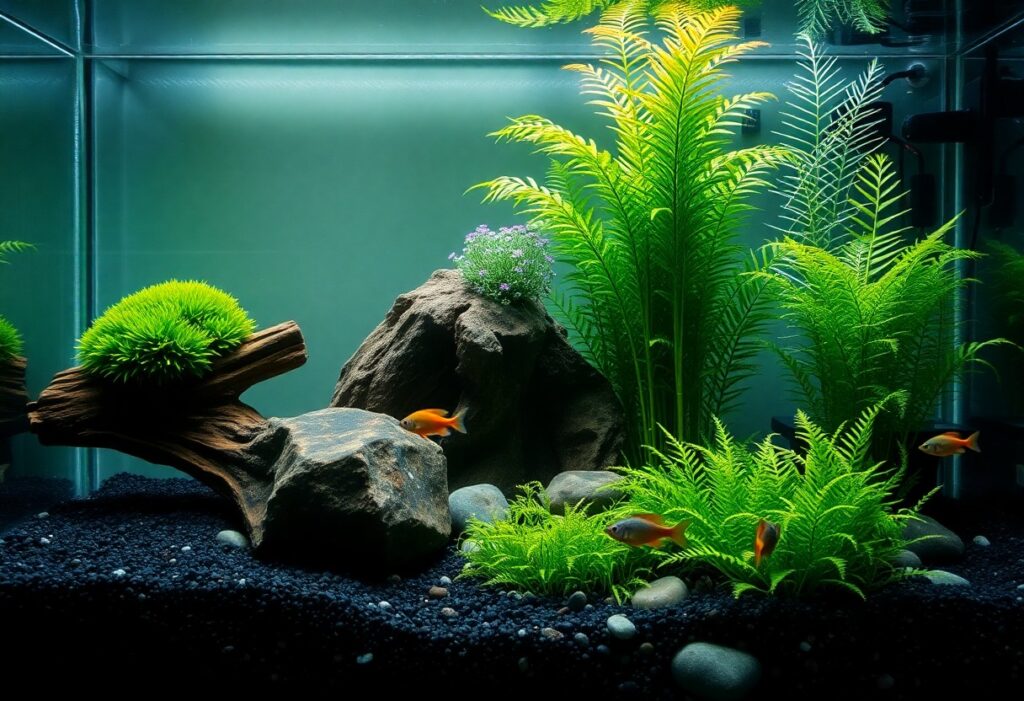
You’ll find Java Moss to be one of the most forgiving aquatic plants, thriving even in low-light tanks with minimal care. It doesn’t need substrate, attaching instead to driftwood or rocks, and its dense growth provides excellent shelter for shy inhabitants. This adaptability makes it a favorite among beginners.
A carpet for the bottom
When secured to a mesh or flat surface, Java Moss slowly forms a soft, green carpet across the tank floor. Its lush texture enhances the tank’s appearance while reducing algae competition by limiting available space for spores to settle and grow.
A place for the small fish
Small fish and fry instinctively dart into Java Moss when startled, using its thick foliage as a hiding spot. The plant’s fine leaves offer exceptional protection from larger tank mates, making it ideal for breeding setups or community tanks with delicate species.
Species like neon tetras and dwarf shrimp benefit greatly from Java Moss, often using it as a nursery for their young. You’ll likely notice increased activity and bolder behavior in these fish, knowing they have a safe retreat nearby. Even in unheated tanks, it remains resilient and functional.
The Necessary Care
Caring for your beginner-friendly aquatic plants doesn’t require hours of effort, but staying consistent with simple routines keeps them thriving. Most of these plants prefer low to moderate light and don’t demand CO₂ supplementation. Overcleaning or disturbing the substrate too often can harm root development, so let the tank settle between maintenance sessions.
Trimming the stems
Stem plants like Java Moss may grow quickly under good lighting, and occasional trimming helps maintain shape and prevent overcrowding. Use clean, sharp scissors to snip just above a leaf node, which encourages bushier growth. Never remove more than a third of the plant at once to avoid stressing it.
Feeding the roots
Root-feeding plants such as Anubias benefit from nutrient-rich substrates or root tabs placed near their base. These supplements deliver imperative minerals directly where needed, supporting strong rhizome development. Overfeeding can lead to algae blooms, so follow product instructions carefully and monitor your tank’s response.
A mid-sized SaaS firm managing a planted aquarium might notice improved plant health after introducing root tabs every six weeks, especially in tanks with inert substrates like gravel or sand. Since these materials don’t retain nutrients well, root tabs bridge the gap without affecting water chemistry. Position each tab a few inches from the rhizome to avoid burning the plant while ensuring efficient uptake.
Conclusion
You’ve got plenty to work with when starting out, and these five plants prove how simple and rewarding a planted tank can be. Whether you tuck a moss ball into the gravel or let frogbit spread across the surface, each choice brings life and balance with minimal effort. Your fish will appreciate the shelter, and you’ll enjoy watching everything thrive.
FAQ
Q: How fast do Java Ferns grow compared to other beginner plants?
A: Java Ferns grow slowly, often taking several months to double in size, which actually works in their favor for low-maintenance tanks. Unlike faster-growing species that require frequent trimming, a Java Fern might only need minor adjustments once or twice a year. This slow pace also means fewer nutrients are pulled from the water, helping maintain stable water conditions ideal for beginner fish keepers.
Q: Can Frogbit block too much light for underwater plants?
A: Yes, Frogbit forms dense mats on the water’s surface and can limit light penetration if left unchecked. For tanks with submerged plants like Java Moss or Anubias that rely on moderate light, it’s best to remove a few floating plants weekly to maintain balance. A mid-sized SaaS firm managing a 20-gallon community tank reported clearer algae control and better plant coloration after limiting Frogbit coverage to about 60% of the surface.
Q: Do Moss Balls need to be planted in the substrate?
A: No, Moss Balls float freely or rest on the tank bottom and should never be buried. Submerging them in substrate often leads to rot due to poor oxygen circulation at their core. Instead, they thrive when placed directly on gravel or attached lightly to driftwood. One aquarist observed consistent growth and even division into smaller balls after rotating them monthly to ensure all sides received equal light exposure.