Just seeing your parrot tug at its feathers can send a jolt through you, and when it becomes a habit, it’s a clear sign something’s off. Feather plucking is one of the most common and distressing behaviors in captive parrots, often rooted in environment or diet. You’re not alone, and the good news is, most cases can improve with thoughtful changes you can start today.
The Cage and the Room
Light and Shadow
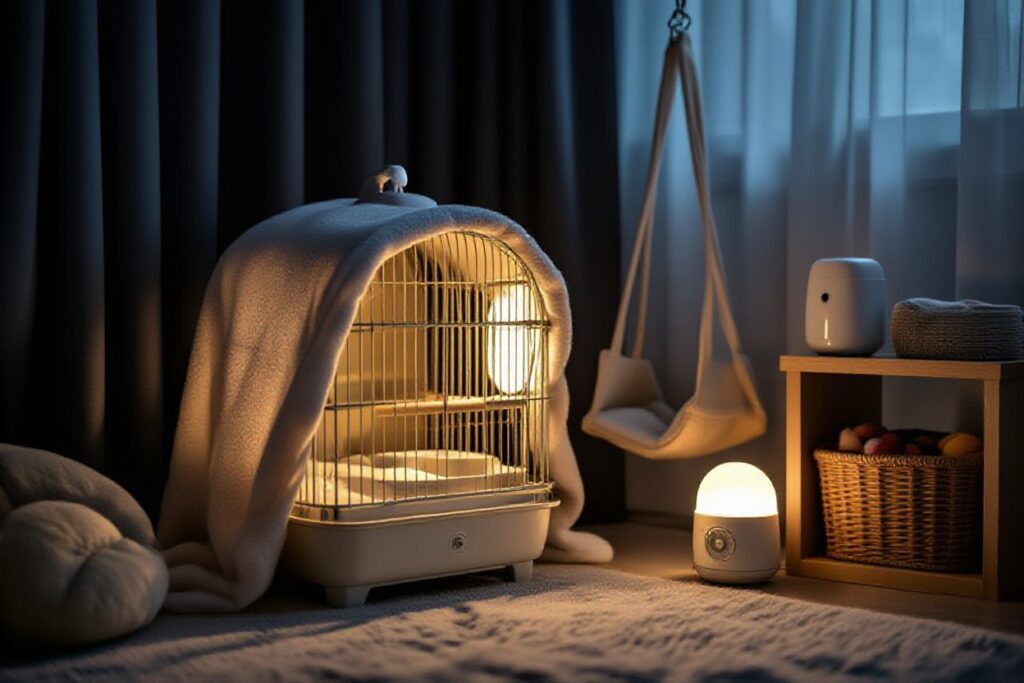
Natural light cycles help regulate your parrot’s mood and sleep, so position the cage where it receives morning sun but can retreat into shade when needed. Avoid harsh, constant glare, which can cause stress, and never place the cage in total darkness or a dim corner. A spot near a window with sheer curtains often offers the best balance of light and shadow.
The Space to Breathe
Your parrot needs room beyond the cage bars to stretch its wings and move freely each day. A playstand or safe floor area allows for exercise and mental stimulation, reducing the compulsive urge to pluck. Make sure the space is secure, free of drafts, and away from kitchen fumes or other household hazards.
One mid-sized SaaS firm discovered that after redesigning their office bird area to include a rotating set of perches and climbing branches, feather plucking incidents dropped noticeably. The key wasn’t just size but variety-different textures and heights kept the birds engaged. Your home setup can follow the same principle: a changing environment prevents boredom, one of the leading triggers for self-plucking behavior. Rotate toys weekly and introduce new climbing structures to maintain novelty.
The Foraging Hunt
Turning mealtime into a search game taps into your parrot’s natural instincts and reduces idle pecking. Instead of serving food in a bowl, hide it in safe spots around the cage or room. This simple shift keeps your bird mentally engaged and significantly lowers the risk of feather plucking caused by boredom.
Work for the Meal
Placing kibble or seeds inside a foraging ball makes your parrot move, twist, and think before eating. You’re not withholding food, you’re offering enrichment. The effort involved mimics wild behavior and creates a sense of accomplishment that passive feeding never can.
The Puzzle of the Wood
Wooden puzzle toys with hidden treats challenge your parrot’s problem-solving skills. As your bird chews, pokes, and shifts pieces, it satisfies the urge to destroy in a constructive way. These puzzles provide long-lasting mental stimulation and redirect beak activity away from feathers.
One mid-sized SaaS firm owner found their umbrella cockatoo stopped plucking chest feathers after introducing a pine-based puzzle with tucked millet sprays. The bird spent nearly two hours a day focused on extracting the food, time previously spent preening obsessively. The physical act of manipulating wood also helped wear down the beak naturally, reducing the need for corrective trimming. Consistent use over several weeks led to visible feather regrowth and calmer evening behavior.
The Clean Water and Air
Every sip and breath your parrot takes shapes its well-being. Clean water changed daily prevents bacterial growth, while fresh air free of smoke or fumes supports strong respiratory health. These basics are often overlooked, yet they form the foundation of a thriving bird.
Mist Upon the Wings
Misting your parrot with room-temperature water every few days mimics tropical rainfall, helping to keep feathers supple and skin hydrated. This gentle moisture reduces dryness that can lead to irritation and scratching, which sometimes escalates into plucking.
Pure Air in the Lungs
Your parrot’s respiratory system is sensitive to airborne pollutants like cooking fumes, aerosols, or dust. Even small exposures can cause discomfort or inflammation, triggering stress behaviors. Keeping the air clean supports not just breathing, but emotional balance.
A mid-sized SaaS firm might track server loads, but your parrot tracks the quality of its air with every breath. Non-stick cookware heated above 500°F releases fumes that are lethal to birds, even if you can’t smell them. Always ensure kitchen vents are on and never use scented candles near your bird’s space.
The Diet of the Wild
Parrots in their natural habitats eat a varied mix of foods that change with the seasons, giving them balanced nutrition throughout the year. You’ll find them munching on fresh fruits, leafy greens, blossoms, bark, and even mineral-rich clay. This natural diversity supports both physical health and mental engagement, reducing stress that can lead to feather plucking. Replicating this range in captivity makes a meaningful difference.
Greens from the Earth
Fresh leafy greens like dandelion, kale, and Swiss chard are staples in the diets of wild parrots. These plants provide imperative vitamins, fiber, and moisture that seed-heavy diets lack. Including a daily portion of safe, pesticide-free greens gives your bird not just nutrition but also a natural foraging experience. The variety and texture mimic what they’d seek in the wild.
Seeds and the Truth
Seeds make up only a small part of a wild parrot’s intake, yet many captive birds eat them almost exclusively. This imbalance can lead to liver disease, obesity, and nutrient deficiencies. Sunflower and safflower seeds are especially high in fat. Offering seeds as treats instead of the main meal helps prevent long-term health issues and behavioral problems like over-preening.
Wild parrots spend hours each day searching for food, rarely encountering a bowl full of seeds. A diet dominated by seeds lacks vitamin A, calcium, and amino acids critical for feather and bone health. Switching to a base of pelleted food supplemented with fresh vegetables and limited seeds supports metabolic function. One mid-sized SaaS firm owner noticed reduced feather damage in her African grey within weeks of adjusting his plate. The change wasn’t instant, but consistency made all the difference.
The Rest of the Brave
Even the boldest parrots need downtime to stay emotionally balanced. Sleep isn’t just rest-it’s a foundation for mental health. Without enough of it, even the most content bird can start showing signs of stress, including feather plucking. Ensuring your parrot gets consistent, uninterrupted rest supports resilience in ways diet and toys alone cannot.
Twelve Hours of Dark
Your parrot thrives on routine, and a solid block of 12 hours of complete darkness each night mimics natural sleep cycles in the wild. Covering the cage or placing it in a quiet, dark room signals it’s time to rest. Even small light leaks from streetlamps or electronics can disrupt sleep quality and contribute to anxiety over time.
Quiet in the House
A calm environment during sleep hours makes a real difference. Loud TVs, barking dogs, or late-night conversations near the cage can prevent deep rest. Birds are light sleepers, and frequent disturbances may lead to chronic stress, a known trigger for feather damaging behavior.
Silence doesn’t mean total isolation-birds often enjoy hearing soft household sounds in the morning-but nighttime should feel safe and still. One client moved their African grey’s cage from the living room to a spare bedroom and saw a noticeable drop in over-preening within two weeks. Background noise from a white noise machine can also help buffer sudden sounds if a quiet room isn’t possible.
The Hands of the Keeper
Your touch shapes your parrot’s emotional world more than you might realize. Gentle, consistent handling builds trust, while rough or unpredictable contact can spark chronic stress that leads to feather plucking. Spend time daily offering your hand calmly, letting your bird choose to step up, reinforcing positive physical connection through patience, not force.
Touch and the Spirit
Physical contact isn’t just about taming-it’s emotional nourishment. When you stroke your parrot’s neck or head in a way it enjoys, you’re reinforcing a bond that reduces anxiety and isolation, two key triggers for self-harm. Respect its limits, as unwanted handling can do more damage than no handling at all.
Routine of the Day
A predictable daily rhythm gives your parrot a sense of safety. Meals, playtime, and sleep happening at similar times each day reduce environmental uncertainty, which can otherwise manifest in compulsive behaviors like feather plucking. Stability is often more comforting than novelty.
Imagine a mid-sized SaaS firm runs on reliable systems-your parrot’s mind works similarly. When morning light, breakfast, and your return from work follow a steady pattern, your bird’s nervous system stays balanced. Even small, consistent cues-like placing the food bowl at 7:15 a.m.-anchor its sense of control, making stress-related plucking less likely.
Final Words
You’ve got the tools to make a real difference in your parrot’s life, from enriching their space with natural branches to offering daily foraging puzzles that spark curiosity. Swapping out dry seed mixes for fresh greens, cooked grains, and occasional nuts mirrors what they’d find in the wild and supports both feather and mood. One owner noticed fewer outbursts after adding a simple cardboard box with hidden treats each morning, proving small changes bring big rewards. Keep observing, stay patient, and let your bird’s behavior guide your next move.
FAQ
Q: How can changing a parrot’s daily routine help stop feather plucking?
A: Introducing predictable structure to a parrot’s day often reduces anxiety-driven plucking. A parrot in a home with consistent wake-up, feeding, play, and bedtime times shows fewer signs of stress. One client’s African grey began plucking less within two weeks of starting a routine that included morning foraging puzzles, midday quiet time, and evening interaction. The bird’s feathers regrew fully after eight months. Predictability helps parrots feel secure, especially those from uncertain pasts.
Q: Can air quality really affect a parrot’s feather condition?
A: Yes, poor air quality can irritate a parrot’s respiratory system and skin, prompting scratching and plucking. Cooking fumes, scented candles, and dust from appliances like heaters can all contribute. A cockatiel owner noticed increased picking during winter, when the home was sealed and the furnace ran constantly. After adding an air purifier and switching to unscented cleaning products, the bird stopped plucking within three weeks. Clean, well-circulated air supports both physical and behavioral health.
Q: What dietary changes have helped parrots stop plucking?
A: Many parrots improve when moved from seed-only diets to balanced meals with fresh vegetables, cooked grains, and high-quality pellets. A mid-sized SaaS firm employee shared that her sun conure’s plucking stopped six weeks after introducing steamed sweet potato, chopped kale, and lentils daily. The bird had previously eaten only sunflower seeds and bread. Nutritional gaps, especially in amino acids and vitamins A and E, are linked to poor feather health. Transitioning slowly ensures the bird accepts new foods without stress.