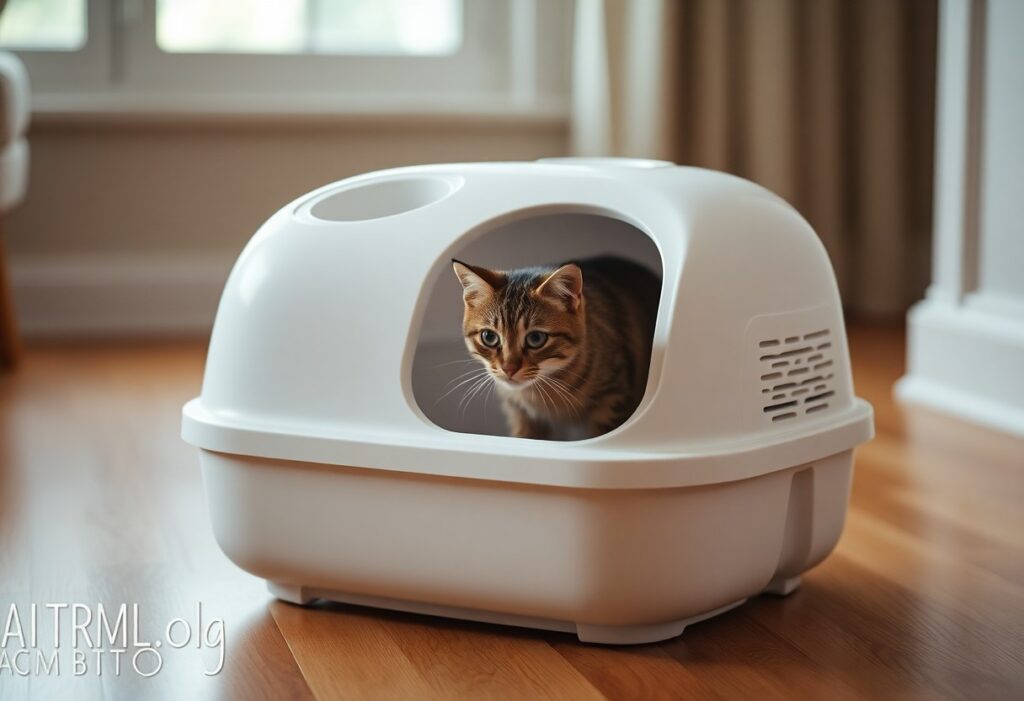
Automatic litter boxes with ultra quiet motors and safety sensors help you select models that avoid startling noises or sudden movements, keeping your timid cat calm while providing reliable, hygienic cleaning.
Understanding the Impact of Noise on Feline Behavior
Noise triggers stress in timid cats, making them avoid areas associated with sudden sounds. You may see hesitancy, tense posture, or elimination outside the box. Choose quiet automatic litter boxes to reduce stress and avoidance, helping your cat feel safer and use the litter box consistently.
The Physiology of the Feline Startle Response
Your cat’s startle reflex involves rapid adrenal and neural reactions that prioritize escape over routine behaviors. Even mild mechanical sounds can trigger fight-or-flight, causing your cat to skip the box until it feels safe and calm.
Why Mechanical Noise Leads to Litter Box Aversion
Mechanical whirs or clanks associate the litter box with unpredictability, so your cat may avoid it to prevent startling. Quiet models and soft-start features reduce startle incidents, encouraging reliable use.
If repeated automatic cycles scare your cat, monitor timing and sound; repeated startle events can produce chronic anxiety and elimination problems. You should place the unit in a quiet, sheltered spot, disable loud alerts, and introduce exposure in small steps so your cat relearns the box as a safe resource.
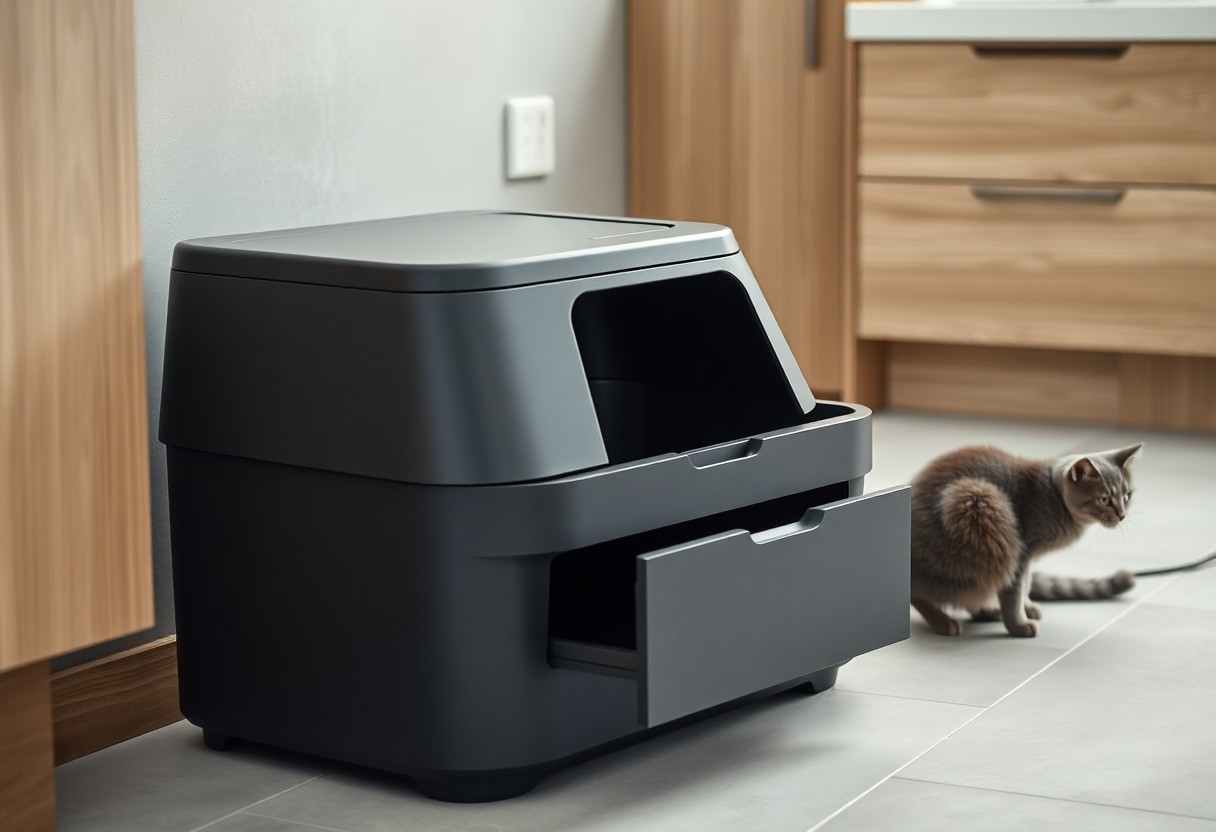
Essential Criteria for Selecting a Quiet Automatic Box
Criteria you should prioritize include low operational noise, sensitive motion sensors, reliable safety-stop mechanisms, and gentle motor ramps; pick models with adjustable delays and noise under 40 dB to avoid startling sensitive cats.
Decibel Thresholds for Sensitive Ears
Noise levels below 40 dB are generally quiet enough for timid cats; you should test units near their usual resting spot and prefer models with soft-start motors or sound-dampening housings to minimize sudden peaks.
Reliable Motion Sensors and Safety Stop Features
Sensors must provide consistent obstruction detection, quick safety stop response, and adjustable sensitivity so you won’t cause stress or create a risk of injury when your cat approaches during a cycle.
Test sensor types (PIR or infrared), placement, and latency; you should prefer units with a fast response, fail-safe manual override, anti-pinch logic, and easy sensor cleaning to prevent false cycles that could frighten or endanger your cat.
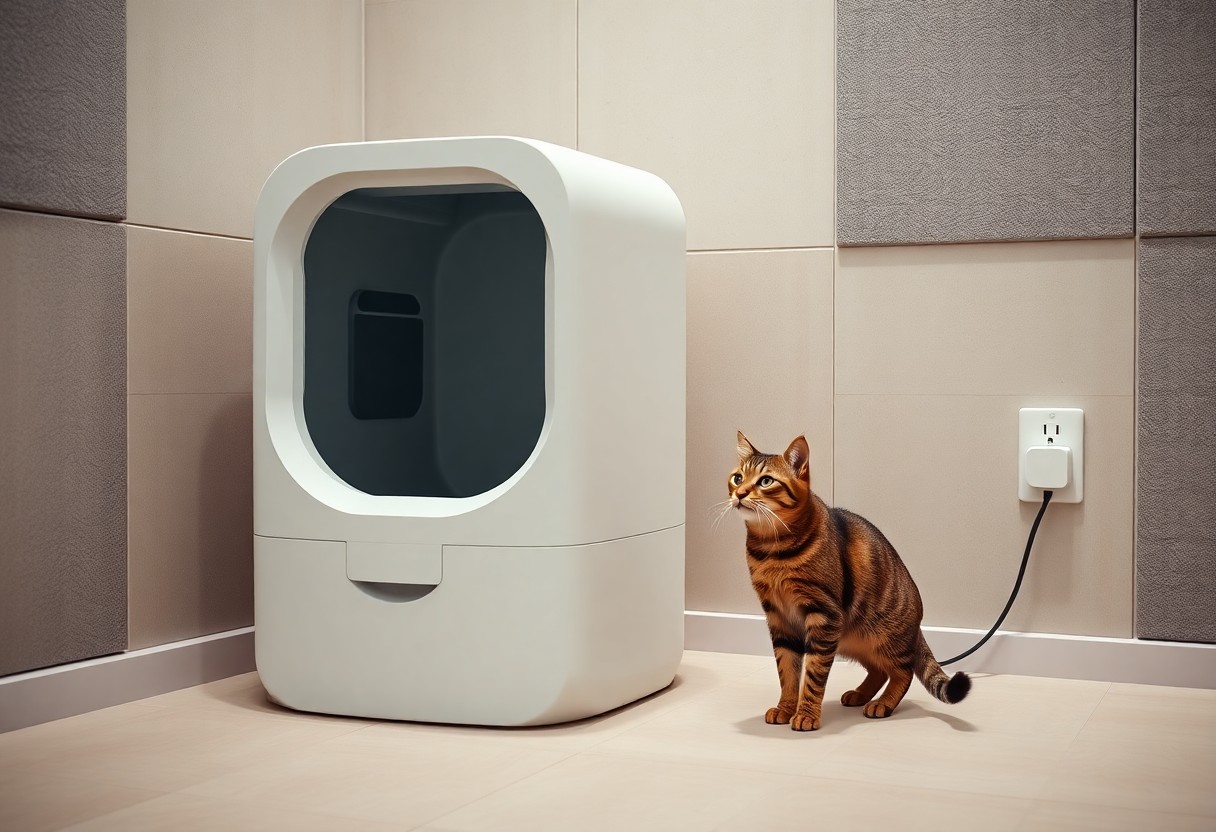
Leading Quiet-Motor Rotating Models
You should favor rotating units with ultra-quiet motors, soft-start cycles, and vibration isolation to reduce sudden noises that scare easily startled cats.
Evaluation of Ultra-Silent Sifting Technology
Tests of sifting designs reveal buffered timers and damped frames cut peak sound, but you must avoid mechanisms that produce mechanical thumps during cycle start.
Performance Metrics for Timid Cat Households
Noise benchmarks under 40 dB, slow acceleration profiles, and programmable delay timers indicate better acceptance in timid cats; you should prioritize those metrics.
Timing, sensor sensitivity, and motor frequency combine to predict comfort: you should choose units with adjustable delay intervals, reliable motion-safety cutoffs, and low-frequency motors that avoid startling harmonics; test several cycles and watch for pinned ears, frozen posture, or avoidance as signs to switch models.
Best Raking Mechanisms for Minimal Disturbance
Quiet raking mechanisms matter when you want to avoid startling shy cats; choose designs with soft-start motors, slow sweep angles, and smooth belt or track drives to minimize abrupt noises and sudden movements that scare your cat.
Rake Features vs Benefit
| Feature | Why it matters to you |
|---|---|
| Soft-start motor | Reduces sudden noise and motion |
| Belt/track drive | Smoother sweep, fewer clunks |
| Slow sweep angle | Less startling movement |
Reducing Gear Friction and Grinding Noises
Lubrication and proper alignment let you cut grinding sounds; pick units with sealed bearings and removable guards so you reduce wear, avoid sharp grinding noises, and keep curious paws safe.
Comparing Motorized Rakes for Stealth Operation
Compare motorized rakes by their decibel ratings, soft-start profiles, and vibration damping so you can pick models that sweep gently without startling your cat.
Evaluate torque, RPM range, and drive type when selecting a rake; quiet brushless motors, low-RPM/high-torque setups, and rubber-mounted assemblies typically produce the least vibration and noise, helping you keep an anxious cat calm.
Motorized Rake Specs
| Spec | What to look for |
|---|---|
| Motor type | Brushless for low noise |
| RPM/torque | Low RPM with higher torque |
| Mounting | Rubber dampers to cut vibration |
Structural Features that Minimize Acoustic Output
Design choices like thick panels and isolated motor mounts help you reduce operational noise and avoid startling your cat; prioritize units with insulated panels, soft-close lids, and smooth rails to prevent sudden clanks or noise spikes.
Sound-Dampening Hoods and Specialized Enclosures
Hoods that wrap the mechanism let you muffle scraping and motor whirs; choose models with acoustic foam or thick shells so exposed parts don’t trigger a startle response.
Vibration-Absorbing Bases and Optimal Placement
Bases with rubber feet or layered foam absorb vibrations so you stop floor-borne rattles; place your box on a dense mat and avoid placing on hollow cabinetry that amplifies sound and frightens timid cats.
Placement decisions and mounting details determine whether minor motor motion becomes a steady hum or an alarming thump. You should use cushioned stabilization-sorbothane pads, dense rubber mats, or anti-vibration feet-to isolate the unit. Position the box away from thin walls or metal stands that can amplify noise, level the unit, tighten fasteners, and test at night to reduce startle responses.
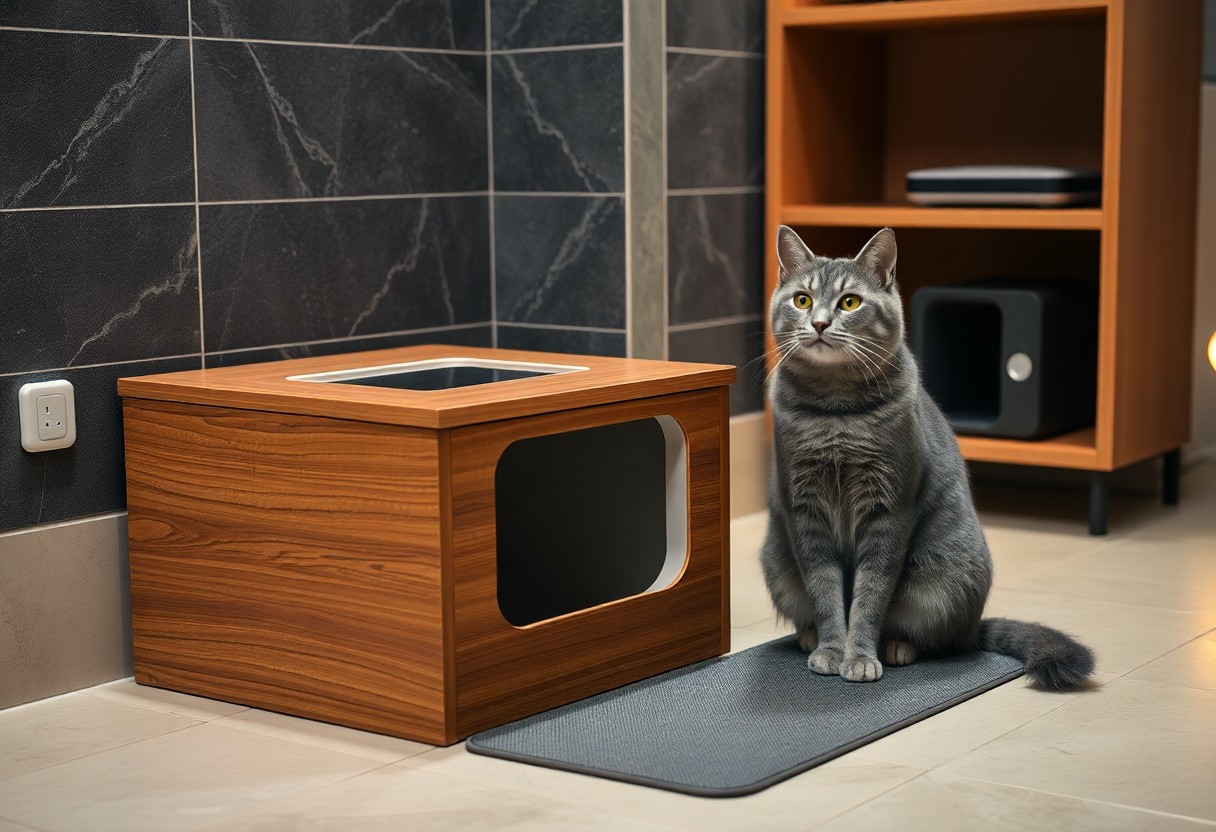
Strategies for Introducing Anxious Cats to Self-Cleaning Units
Introduce the unit near your cat’s usual litter box, powered off, so you can let your cat inspect without noise; use treats and short sessions, and watch for stress signs-stop if hissing, hiding, or refusal to eat appears.
The Slow-Exposure Method for New Technology
Begin by leaving the unit off in a quiet room, turning it on briefly at low settings while you stay nearby; let your cat set the pace and stop sounds if it startles. Offer gentle praise and treats to link the device to positive experiences.
Building Confidence Through Positive Reinforcement
Offer short, predictable training sessions where you click, treat, and let your cat touch the stationary unit; introduce low-noise cycles only after your cat is calm. Reward bold approaches and quietly withdraw if freezing or fleeing occurs to prevent lasting fear.
Encourage repeated brief sessions using high-value treats and a calm vocal marker so you reinforce approach behavior; keep encounters under a few minutes and increase rewards for voluntary use. Stop and consult your vet if you notice prolonged hiding, loss of appetite, or aggressive responses, and follow their advice to reduce anxiety and build steady trust.
To wrap up
Drawing together the top quiet automatic litter boxes, you can select models with sensitive, low-noise cycles, adjustable settings, and roomy entries so your timid cat feels safe and you reduce stress and maintenance.
FAQ
Q: What features should I prioritize when choosing a quiet automatic litter box for a timid or easily startled cat?
A: Prioritize a low-noise motor and low-vibration design; look for manufacturer decibel ratings or independent reviews showing operation around 40-50 dB or lower. Choose models with adjustable cleaning delay and sensor sensitivity so the unit only cycles minutes after your cat leaves and does not trigger from brief movements. Select machines with soft-start or slow-cycle mechanisms (rake or slow-rotating drum) instead of abrupt, high-speed movements. Pick a unit that allows disabling sounds and bright LEDs, or tone controls for alerts. Favor boxes with sound-dampening materials, insulated hoods, or rubber mounts to reduce transmitted noise and vibration. Ensure easy manual override and accessible emergency stop in case your cat is frightened during a cycle. Match entry height and interior size to your cat so entering and exiting feel natural rather than confined.
Q: How should I introduce an automatic litter box so a timid cat won’t be startled or avoid it?
A: Start by placing the new unit next to the cat’s current litter box and leave it unplugged so the cat can explore the exterior and interior without motion. Allow several days of unmoving exposure, putting a little used litter or a small amount of your cat’s scent inside to encourage acceptance. Power the unit on with settings set to the quietest mode and the longest delay, then run a few cycles while the cat is in another room so they learn the noise and motion are harmless. Reward calm investigation with treats and praise to create a positive association. Gradually shorten the delay only after the cat uses the box consistently. Keep the box in a low-traffic, low-noise area and avoid starting cycles during nap times or sudden loud household activity.
Q: What safety concerns and troubleshooting tips apply to automatic litter boxes for easily startled cats?
A: Check that the unit includes reliable safety sensors or weight detection to prevent cycling while a cat is inside and confirm that pinch points are shielded. Inspect motor mounts, fasteners, and the rake or drum for wear that could increase noise or cause jerky motion; replace worn parts promptly. If a cat avoids the box, test by disabling lights and chimes, increasing the delay, or running cycles only at night when the cat is away. Keep sensors and the motor area clean of litter dust and clumps to prevent grinding noises; use the manufacturer-recommended litter type and depth. Move the box to a quieter location or add a soft mat underneath to absorb vibration. Monitor your cat’s elimination patterns after switching boxes; any sudden changes in frequency or posture warrant a vet check to rule out stress-related or medical issues.