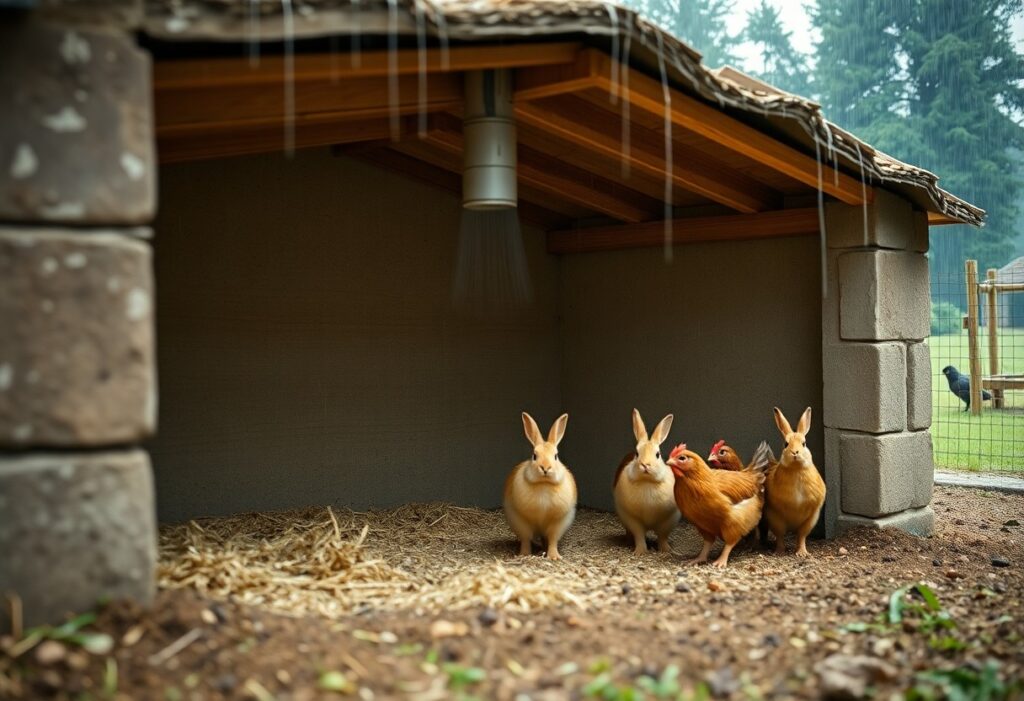
There’s a proven way to protect your small farm animals from extreme weather-underground shelters. These structures offer life-saving insulation during winter freezes and keep animals cool in summer heatwaves. You can build one affordably using simple materials, and it dramatically improves animal safety and comfort year-round.
Critical Factors for Site Selection and Safety
Choosing the right location ensures your underground shelters protect small farm animals effectively. Consider soil composition, drain
- Well-draining soil prevents flooding and maintains structural integrity
- Low groundwater levels reduce moisture risks and foundation damage
- Stable, compacted ground supports safe excavation and long-term use
- Proximity to pasture allows easy animal access during storms
The safety of your animals depends on smart planning from the start.
Soil Composition and Drainage Capabilities
Soil type directly impacts shelter durability. Loamy or sandy soils offer the best drainage, minimizing water buildup. Avoid clay-heavy ground-it traps moisture and can cause walls to collapse. The
Groundwater Levels and Depth Requirements
Water tables fluctuate seasonally, so dig test holes before breaking ground. Building too deep risks hitting groundwater, leading to leaks or flooding. Keep shelter floors at least 2 feet above the highest expected water level. The
Understanding local groundwater patterns prevents costly failures. In spring or after heavy rain, water tables rise and can infiltrate poorly positioned shelters. Install a sump pump if needed, and always slope the entrance upward to block seepage. The
Primary Types of Underground Shelters for Livestock
- Earth-bermed shelters use natural soil insulation for temperature stability
- Semi-subterranean designs offer partial burial for easier access and ventilation
- Fully submerged pre-fabricated units provide maximum protection from extreme weather
- Concrete culvert shelters are durable and cost-effective for small farms
- DIY dugout enclosures allow customization based on herd size and terrain
Recognizing your livestock’s specific needs helps determine the best shelter type for long-term safety and comfort.
| Type | Key Benefit |
| Earth-Bermed | Natural insulation with minimal excavation |
| Semi-Subterranean | Improved airflow and easier maintenance |
| Fully Submerged Units | Superior storm and predator resistance |
| Concrete Culverts | Low-cost, long-lasting structural integrity |
Earth-Bermed and Semi-Subterranean Designs
You’ll find these shelters blend into hillsides using packed earth for insulation. Temperature fluctuations remain minimal, protecting animals from freezing winters and hot summers. Their sloped entrances deter water pooling. Recognizing proper drainage prevents moisture buildup that risks respiratory issues in small herds.
Fully Submerged Pre-Fabricated Units
These units sit entirely below ground, offering maximum protection from tornadoes and blizzards. Made from reinforced fiberglass or steel, they resist corrosion and shifting soil. Recognizing secure ventilation systems ensures your animals stay safe without suffocation risks.
Manufactured underground chambers are engineered for rapid installation and long-term resilience. You can place them in flat terrain where natural slopes aren’t available. Their sealed construction keeps out rodents and floodwater, while internal grates maintain airflow. Some models include built-in heating or monitoring sensors, giving you remote oversight during severe weather events.
Step-by-Step Construction and Installation Guide
Follow this structured approach to build a durable underground shelter that keeps your small farm animals safe from extreme weather. Each phase is designed for practicality and long-term performance, ensuring structural integrity and animal comfort.
| Phase | Action |
| 1 | Excavate site to required depth and dimensions |
| 2 | Prepare stable, level foundation with gravel base |
| 3 | Install reinforcement and apply moisture barrier |
| 4 | Construct walls and roof with durable materials |
| 5 | Backfill and finish with proper ventilation |
Excavation and Foundation Preparation
You start by digging a level pit slightly larger than the shelter’s footprint, ensuring stable soil conditions. A compacted gravel base prevents shifting and improves drainage, reducing the risk of water pooling beneath the structure. Slope the bottom slightly to direct moisture away from animal areas.
Reinforcement and Moisture Barrier Application
Steel rebar or wire mesh strengthens walls and ceiling, preventing collapse under soil pressure. You apply a thick, waterproof membrane on all exterior surfaces to block moisture infiltration-this step is important for avoiding mold growth and maintaining dry, healthy conditions inside.
Proper reinforcement ensures the shelter withstands years of soil movement and seasonal freeze-thaw cycles. The moisture barrier must be fully sealed at seams using compatible tape or adhesive-any gap risks leakage and structural degradation over time. Use rigid foam board insulation beneath the barrier in cold climates to protect against frost penetration and improve thermal stability for your animals.
Essential Ventilation and Air Quality Management
Proper airflow keeps your animals healthy and alert. Without consistent ventilation, dampness and harmful gases accumulate, creating a dangerous environment over time. You must design your shelter to allow fresh air entry while avoiding direct drafts on bedding areas. A well-balanced system supports respiration and reduces stress during extreme weather.
Passive Air Exchange and Vent Placement
Position intake vents low near the front and exhaust points high at the rear to encourage natural airflow. This passive design uses temperature differences to move air without electricity. Avoid placing vents directly above animals-cold downdrafts increase illness risk. Proper placement maintains comfort and air freshness year-round.
Controlling Humidity and Ammonia Buildup
Moisture from breath and waste raises humidity, accelerating ammonia release from urine-soaked bedding. High levels irritate lungs and weaken immune responses in rabbits, chickens, and goats. You need consistent airflow and dry bedding to disrupt this cycle. Spot-clean daily and use absorbent materials like straw or wood shavings.
Ammonia buildup doesn’t just cause discomfort-it leads to chronic respiratory issues that reduce productivity and longevity. When humidity stays above 70%, pathogens thrive and insulation loses effectiveness. Install a simple hygrometer to monitor levels, and ensure cross-ventilation paths remain unblocked. Your animals’ health depends on your diligence in maintaining clean, dry air every season.
Pros and Cons of Subterranean Animal Housing
Choosing underground shelters for your small farm animals comes with distinct trade-offs. While these structures offer exceptional protection from extreme weather, they also demand careful planning and ongoing oversight to ensure animal well-being.
| Pros | Cons |
| Stable internal temperatures year-round | High initial construction cost |
| Superior storm and wind protection | Complex drainage requirements |
| Reduced exposure to predators | Ventilation systems are mandatory |
| Lower long-term heating costs | Difficult to retrofit existing buildings |
| Space-efficient use of land | Higher risk of moisture buildup |
| Quieter environment for animals | Regular maintenance demands expertise |
| Less visual impact on landscape | Emergency access can be limited |
| Protection from flying debris in storms | Soil type affects structural integrity |
| Extended shelter lifespan with proper care | Permitting may be more complex |
| Improved biosecurity potential | Monitoring animals is more challenging |
Benefits of Thermal Stability and Storm Protection
You gain consistent temperatures underground, reducing stress on animals during heatwaves or freezing spells. This natural insulation cuts energy costs and keeps livestock comfortable. Even in violent storms, your animals remain shielded from high winds and hail, making subterranean housing a reliable defense.
Challenges of Initial Cost and Complex Maintenance
Building an underground shelter requires a significant upfront investment in excavation and materials. You’ll also need to install proper ventilation and moisture control systems. Without diligent upkeep, dampness and poor air quality can endanger animal health, making maintenance non-negotiable.
Expect to budget carefully for excavation, reinforced walls, and waterproofing-these elements define structural safety. You must integrate mechanical ventilation and possibly dehumidifiers to prevent mold and ammonia buildup. Routine checks for cracks, drainage blockages, and system failures are important. Failure to maintain these systems risks animal welfare and long-term usability, turning a protective space into a hazard.
Expert Tips for Operational Maintenance and Hygiene
Keep your underground shelter functioning safely with consistent care.
- Inspect ventilation systems monthly to prevent moisture buildup
- Clean feeding areas daily to reduce disease risk
- Sanitize interior surfaces quarterly using non-toxic disinfectants
Any lapse in hygiene can compromise animal health and shelter longevity.
Effective Waste Management and Bedding Solutions
Manage waste buildup by installing removable trays or sloped floors for easy cleaning. Use absorbent, non-toxic bedding like straw or shredded paper to control odors and moisture. Replace soiled material weekly to maintain dry, comfortable conditions. Any delay increases bacterial growth and respiratory risks for your animals.
Routine Structural Integrity and Pest Inspections
Check for cracks, shifting soil, or water intrusion every few weeks to preserve shelter stability. Look for signs of rodents or insects near entry points and seal gaps immediately. Reinforce weak spots with weather-resistant materials before they worsen. Any compromise in structure can lead to dangerous collapses or infestations.
Over time, ground pressure and seasonal moisture can weaken joints and seams in your shelter’s walls and ceiling. Inspect both interior and exterior surfaces for hairline fractures or soft spots, especially after heavy rains. Install steel mesh around ventilation openings to block pests while maintaining airflow. Addressing small flaws early prevents costly repairs and protects your animals from exposure or injury.
Final Words
Now you understand how properly designed underground shelters protect your small farm animals from extreme weather. You’ve seen the materials, layouts, and ventilation methods that work best. With the right construction, your animals stay dry, warm, and safe year-round. You control the environment, reduce stress on livestock, and improve overall herd health through smart, accessible shelter solutions.
FAQ
Q: What types of small farm animals need underground shelters for weather protection?
A: Rabbits, guinea pigs, young poultry like chicks, and small goat kids benefit from underground or semi-buried shelters during extreme weather. These animals are sensitive to temperature swings, strong winds, and heavy rain. An underground shelter helps maintain a stable internal temperature, keeping them warm in winter and cool in summer. The design should allow easy access and proper ventilation while shielding them from predators and moisture buildup.
Q: How deep should an underground shelter be for small farm animals?
A: A depth of 18 to 24 inches below ground level is usually sufficient for small farm animals. This depth provides insulation from freezing temperatures and excessive heat without creating flooding risks. The shelter floor should be raised slightly above the lowest point or sloped to allow water drainage. Use durable, non-toxic materials like concrete blocks or treated wood for structure, and cover the entrance with a waterproof, hinged lid to block rain and snow.
Q: Can underground shelters protect animals from predators?
A: Yes, when built correctly, underground shelters offer strong protection from common predators like foxes, raccoons, and stray dogs. Burying the structure makes it harder for animals to dig into it from the outside. Install welded wire mesh around and beneath the shelter, extending at least 12 inches underground in a horizontal ‘apron’ to prevent tunneling. Secure the entrance with a lockable door made of heavy-gauge metal, and avoid leaving food inside overnight to reduce attraction for pests.