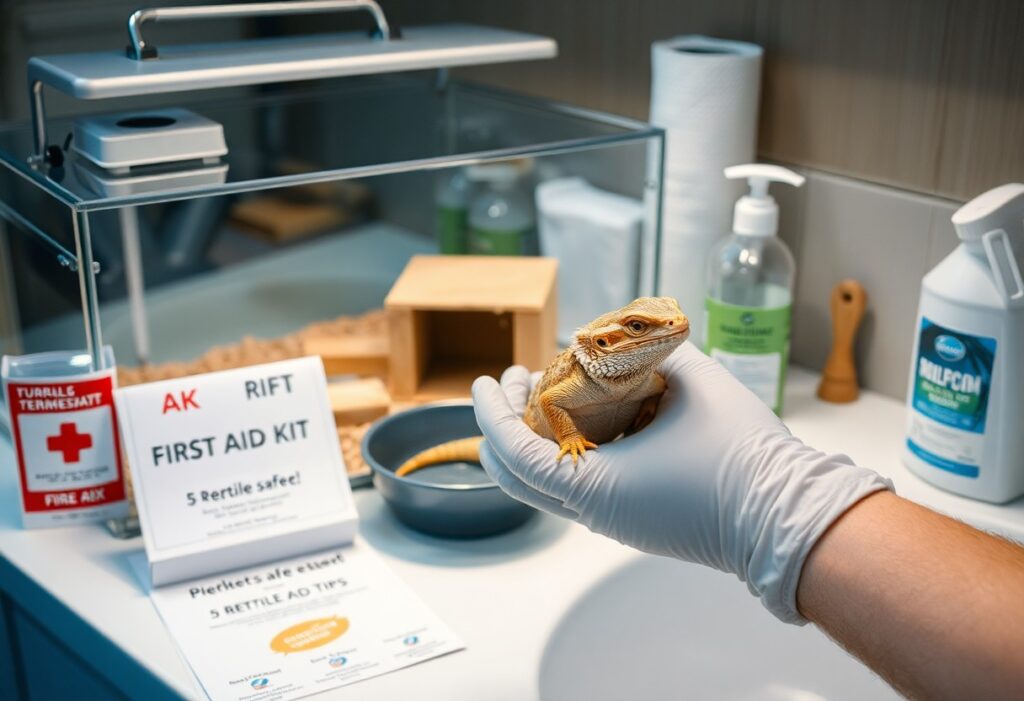
You must secure enclosures, maintain accurate temperature and humidity, and practice strict hygiene to prevent salmonella and escapes; proper diet and vet care yield long-lived, rewarding companionship.
Enclosure Integrity and Escape Prevention
Check enclosure seams, ventilation, and access points regularly so you can prevent escapes; patch holes, reinforce weak frames, and choose solid-sided tanks for climbers. Prioritize any escape risk immediately to avoid injury, stress, or loss.
Selecting Species-Specific Housing Materials
Choose substrates, hides, and ventilation suited to your species’ behavior and humidity needs; absorbent bedding for burrowers, non-toxic rock for baskers. Using inappropriate materials raises health and injury risks, so match materials to species to reduce respiratory problems, impaction, and escape attempts.
Implementing Specialized Locking Mechanisms
Install secure, animal-proof locks-pin-and-cylinder, carabiner clips, or keyed latches-based on your species’ strength and curiosity. Test mechanisms daily and avoid simple snap latches that smart or strong reptiles can defeat; prioritize childproof and escape-proof solutions.
Secure locks to door frames and lids with corrosion-resistant hardware and consider dual systems (latch plus carabiner) for large, powerful species. Place locks where you can reach quickly for feeding yet out of reach for animals. Keep a backup key and label keys; an escape can cause injury, predation, or zoonotic exposure, while proper locking protects the pet and your household.
Thermal Management and Burn Mitigation
Thermal management keeps temperatures safe: you should maintain a stable heat gradient and secure hot elements so your reptile can thermoregulate without contacting scorching surfaces.
Utilizing Thermostatic Controls for Heat Gradients
Digital thermostats let you create precise gradients, program probes to control zones, and prevent overheating, giving your reptile reliable warm and cool areas while cutting risk from thermostat failures.
Safeguarding Radiant Heat Sources and Bulbs
Shield radiant bulbs with wire guards or ceramic fixtures so you and your reptile avoid contact burns and reduce fire risk.
Mount fixtures using heat-rated hardware, keep bulbs out of hides and away from substrate, replace cracked or discolored bulbs, secure cords, and pair guards with a thermostat and cage-mounted probe; exposed glass or loose fittings can cause severe burns or fires, so inspect daily and choose fixtures rated for continuous use.
Zoonotic Disease Prevention and Hygiene
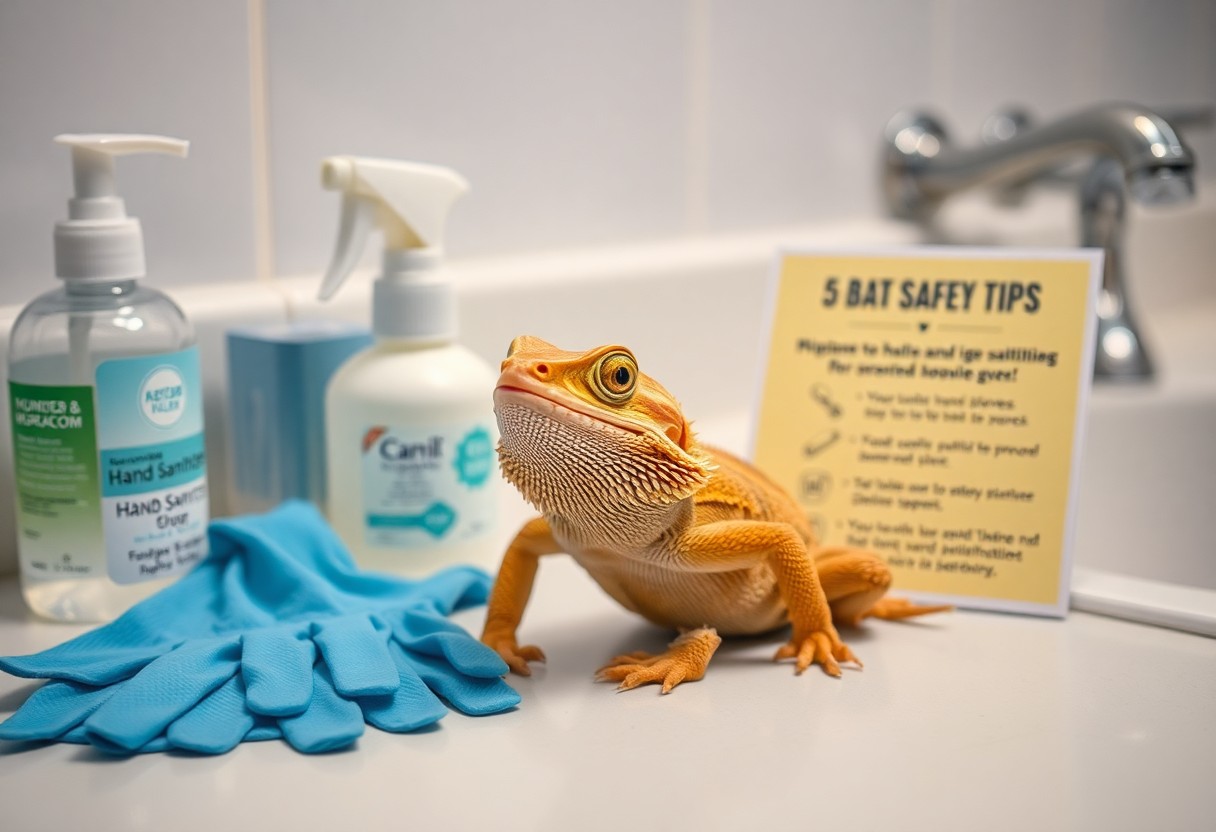
Zoonotic disease prevention protects you and household members from pathogens like Salmonella. Keep reptiles away from food areas, wash hands after contact, and limit handling of young or actively shedding animals to reduce overall infection risk.
Establishing Strict Hand-Washing Protocols
Wash your hands immediately after handling reptiles or cleaning habitats, using soap and warm water for at least 20 seconds. Use a paper towel or dedicated towel and avoid touching your face until hands are fully clean.
Disinfecting Enclosures to Neutralize Pathogens
Clean enclosures and equipment to remove feces and bedding before applying disinfectant; organic matter inactivates many products. Choose veterinary‑approved agents or a 10% bleach solution, follow label contact times, and rinse well to protect both you and your reptile.
When deep-cleaning, remove the reptile to a secure holding container. Scrub surfaces with detergent and hot water to remove organic debris, then apply a disinfectant such as a 10% bleach solution or an approved quaternary ammonium product, ensuring the labeled contact time is met. Wear disposable gloves, rinse thoroughly, let surfaces dry completely, and keep animals out until dry to minimize Salmonella exposure.
Nutritional Safety and Feeding Procedures
Follow strict portion sizes and species-specific diets to avoid malnutrition or obesity; give your reptile regular calcium and vitamin D3 to prevent metabolic bone disease. Vary the foods and check your pet’s weight routinely. Balanced diet and proper supplementation protect your animal’s long-term health.
Mitigating Risks Associated with Live Prey
When feeding live prey, you should pre-kill or use pre-frozen thawed animals to prevent bites and injury; always supervise feedings and use tongs. Limit prey size to no larger than your reptile’s head. Pre-killing and supervision greatly reduce wound and infection risk.
Preventing Accidental Substrate Ingestion and Impaction
Avoid loose substrates like sand or wood chips for species that ingest bedding; these can cause deadly impaction. Offer food on a dish or in a separate feeding enclosure to reduce your reptile’s ingestion risk. Loose substrate increases impaction risk.
Choose inert substrates such as reptile carpet, tile, or paper towels for young or small species; provide soak baths and frequent hydration to help pass material. Schedule vet checks if you suspect blockage and feed off-substrate to minimize impaction.
Environmental Monitoring and Humidity Control
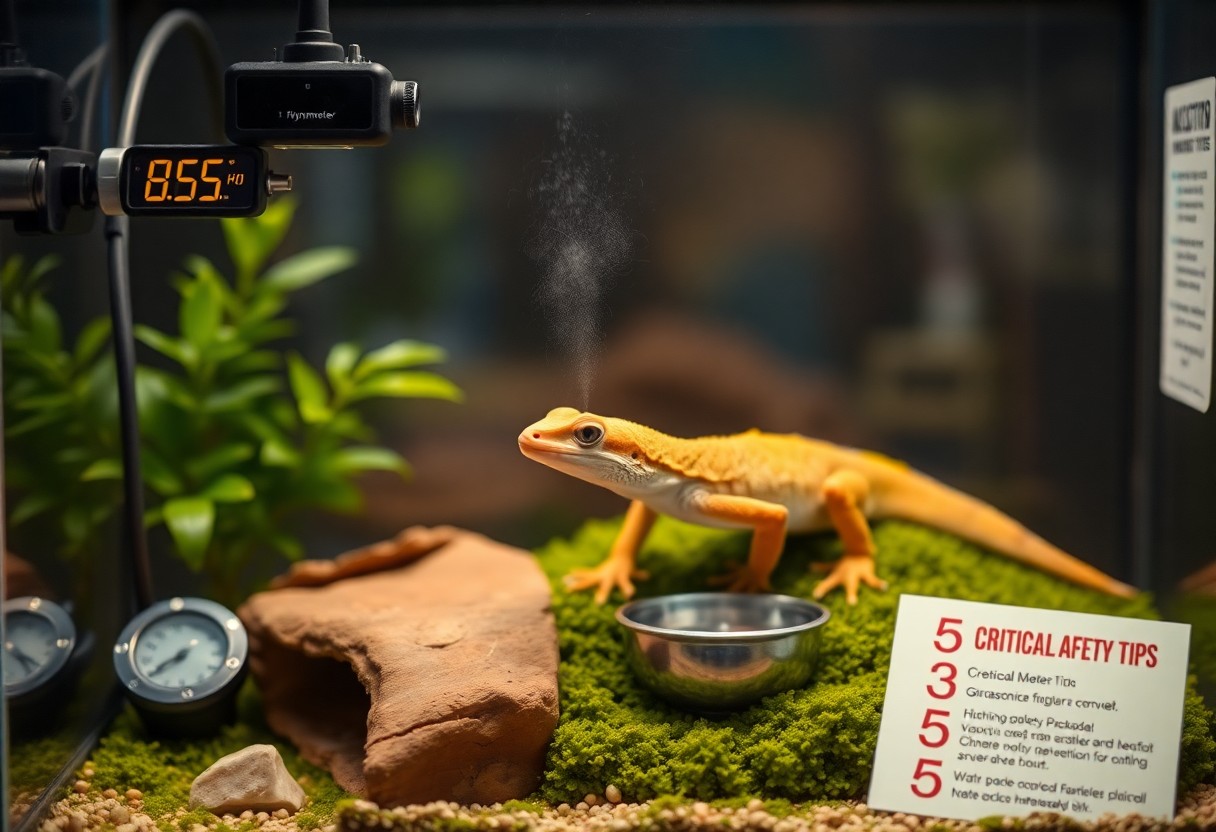
Monitor enclosure humidity and temperature daily; low humidity can cause retained shed and respiratory issues. You should use multiple sensors and log readings to catch trends before they become emergencies.
Maintaining Precise Hydration and Shedding Levels
Hydration balance ensures smooth shed cycles; overdry conditions cause retained skin and infections. You should provide humidity hides and misting schedules tailored to species to support proper skin health.
Utilizing Digital Hygrometers for Accuracy
Digital hygrometers offer greater accuracy than analog models; you should place sensors at hide level and check readings twice daily to avoid dangerous swings.
Calibrate your digital hygrometers monthly using a two-point method or a simple salt test, and compare devices to catch drift. Place at least two probes-one near the warm hide and one in the moist hide-and log values so you can spot gradual drops that cause retained shed and mold growth. Consider models with data logging or phone alerts so you can respond to failures before they harm your reptile.
Behavioral Awareness and Handling Techniques
Observe your reptile’s cues to reduce incidents: you should learn body language, movement, and breathing changes so you can spot stress or readiness to strike. Slow, predictable interactions build trust, while abrupt actions raise bite and tail-whip risks.
Interpreting Defensive Postures and Stress Signals
Watch for raised body, flattened head, hissing, or open mouth; these are defensive signs you should not ignore. If you see rapid gaping or frantic movement, pause interactions and give space to prevent escalation to a bite or severe stress.
Safe Restraint Methods for Routine Inspections
Use firm but gentle support when handling: always support the body and secure the head only when needed. Avoid a tight grip that restricts breathing. For nervous or larger species, employ a towel or gloves to protect yourself and reduce injury risk during quick inspections.
Practice restraint drills in a calm area: warm hands, minimal noise, and prepared supplies reduce stress. Place one hand beneath the chest and abdomen to support weight, and the other near the tail to guide movement; never lift solely by the tail. Keep inspections short, monitor breathing and tongue flicks, and release immediately if you detect escalating stress or aggressive displays.
Summing up
Drawing together, you must set up proper enclosure and heating, provide species-appropriate diet and humidity, practice gentle handling and quarantine new reptiles, keep strict hygiene to reduce Salmonella risk, and establish a vet relationship so you can spot illness early and keep both you and your pet safe.
FAQ
Q: What are the five safety tips first-time reptile owners should follow?
A: Set up a secure, species-appropriate enclosure with escape-proof locks, proper substrate, and hiding spots to reduce stress and injury. Provide correct temperature gradients and humidity levels using thermostats, reliable thermometers, and timed heat sources to prevent burns or thermal shock. Offer a balanced diet and proper supplementation based on species, with scheduled feeding and clean water to avoid malnutrition and impaction. Implement strict hygiene: wash hands after handling, clean and disinfect the enclosure regularly, and keep feeding and cleaning materials separate from household dishes. Arrange regular check-ups with a reptile-savvy veterinarian and have a basic emergency plan with contact info, transport container, and first-aid supplies.
Q: How can I prevent zoonotic infections like salmonella and keep my household safe?
A: Practice thorough hand hygiene by washing with soap and water for at least 20 seconds after any contact with the reptile, its enclosure, or equipment. Use dedicated cleaning tools and disinfectants for the terrarium; avoid washing reptile items in kitchen sinks or dishwashers that serve food prep. Limit direct contact between reptiles and children under five, elderly people, or immunocompromised household members; supervise interactions and consider no-contact policies if risk is high. Store feed, supplements, and cleaning supplies separately from human food, and clean up feces and soiled substrate promptly using gloves and proper disinfection.
Q: What are safe handling practices and signs that a reptile needs veterinary attention?
A: Support the animal’s body fully when handling, move slowly, and avoid sudden grabs or restraining the head unless trained; allow the reptile time to acclimate to hands and minimize handling during shedding or after feeding. Watch for stress signals such as persistent glass-surfing, gaping, darkening or blotchy color change, refusal to eat for multiple feedings, or excessive hiding. Seek veterinary care for open-mouth breathing, labored or noisy breathing, sudden lethargy, inability to right itself, swollen or discolored limbs, bloody or severely abnormal stools, or prolonged anorexia. Keep a transport box, a warmed towel, and recent husbandry records ready for vet visits to speed diagnosis and treatment.