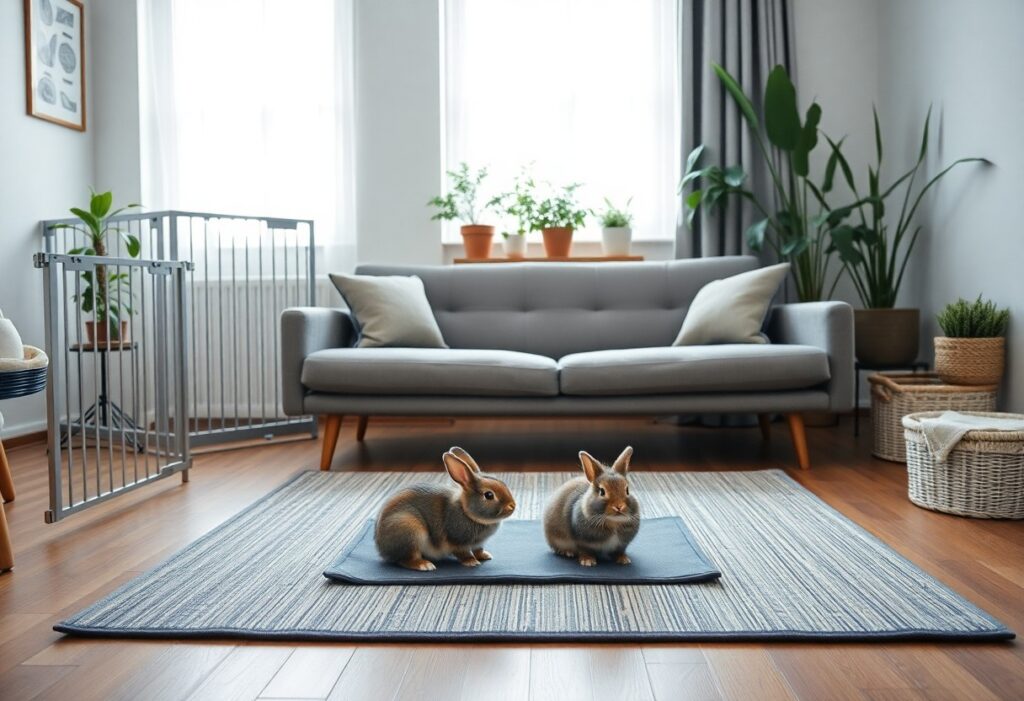
Most new rabbit owners don’t realize how quickly their curious pet can chew through electrical cords or scratch up hardwood floors. You love your clean, modern aesthetic, and you don’t want to sacrifice it for safety. The good news is, you can protect both your bunny and your design style with smart, subtle fixes that blend right in.
Understanding Your Rabbit’s Habits
Rabbits naturally chew and dig to maintain their teeth and express instinctual behaviors. Your pet doesn’t target your baseboards out of spite-these actions are deeply rooted in their biology. Knowing this helps you anticipate trouble spots and design solutions that work with their nature, not against it. Perceiving these habits as normal, not destructive, shifts how you approach prevention.
Factors that influence chewing and digging
Age, boredom, and curiosity all play roles in your rabbit’s urge to chew and dig. Younger rabbits tend to be more exploratory, while confined spaces may increase destructive chewing. Limited toys or stimulation often leads to furniture damage. Perceiving these triggers as clues-not annoyances-helps you adjust their environment effectively.
- Teeth growth never stops, making chewing a daily necessity
- Boredom increases the likelihood of targeting cords or wood trim
- Unsupervised time raises risks, especially near entryways or quiet corners
Identifying high-risk areas in your layout
Entryways with shoe racks, living room corners with baseboards, and spaces near electrical outlets are common hotspots. Your rabbit is drawn to places with strong scents, textures, or hidden nooks. These zones often combine multiple temptations-chewable materials, tight spaces, and your absence. Perceiving them as natural targets helps you prioritize protection.
Look closely at where your rabbit spends most of their free time. A favorite spot under the console table or beside the entertainment unit likely has accessible cords, soft wood, or carpet edges. Even sleek, modern designs can hide appealing textures beneath the surface. Baseboards with grooves, woven baskets, or the frayed edge of a jute rug may seem minor to you but are prime targets for a curious rabbit. Focus on these zones first when applying deterrents or barriers.
How to Shield Your Electrical Cords
Exposed cords pose a serious risk, as rabbits are drawn to chew them, creating fire and safety hazards. Simple changes like concealing wires and securing loose ends can protect both your pet and your space. Thou must act before an accident occurs.
Using decorative cord hiders and tubing
Decorative cord hiders blend with your walls or baseboards, keeping electrical cords out of sight and reach. Flexible plastic tubing offers extra protection, especially for cords near the floor. Thou must choose options that match your color scheme.
Tips for routing cables out of reach
- Run power strips behind furniture where bunnies can’t access
- Elevate cords along walls using adhesive clips or raceways
- Bundle loose wires with fabric-covered ties to reduce temptation
- Place cord protectors at entry points where cables meet the floor
Position your desk or entertainment unit so that wires travel vertically behind heavy furniture, making them harder to reach. A mid-sized SaaS firm’s office redesign showed that wall-mounted cable channels reduced chewing incidents by re-routing temptation upward. Thou must think in three dimensions when planning cable paths.
Protecting Your Stylish Flooring
Floors take the brunt of bunny activity, especially if you have a playful jumper who loves to sprint at full speed. Hardwood, laminate, and tile look sleek but can show scratches or stains from repeated use. Placing rugs in high-traffic zones helps, and choosing the right ones makes all the difference. Your rabbit might also prefer softer surfaces for resting, so comfort matters as much as protection. A well-placed rug can prevent wear while adding warmth to your space.
Choosing bunny-safe area rugs that match your decor
Opt for natural fiber rugs like sisal or seagrass, which are durable and less tempting to chew than synthetic blends. These materials resist odors and hold up well under bunny paws. Choose low-pile styles to prevent tripping and avoid fringes that might invite nibbling. Many come in neutral or modern tones, so they blend seamlessly with your existing palette. A mid-sized SaaS firm’s office used a beige seagrass rug in their shared lounge, and it stayed intact even with daily rabbit access.
How to use clear floor protectors discreetly
Clear plastic floor shields work well under furniture legs or in narrow hallways where rugs won’t fit. They prevent scratches without altering your room’s look. Trim them to size and place them under favorite hopping paths or near litter boxes where moisture could damage the finish. The best ones are non-slip and nearly invisible, so guests won’t notice unless you point them out. Position them under your sofa or along baseboards where your rabbit likes to zoom.
When installing clear floor protectors, smooth edges matter-rough cuts can curl and become a tripping hazard. Use a utility knife and straight edge for clean lines, and test a small section first to ensure it adheres properly without leaving residue. Some brands use static cling instead of adhesive, which is safer for delicate finishes and easier to reposition. In one apartment, a renter used static mats under a glass coffee table and rotated them weekly to prevent static buildup, keeping both floor and bunny happy.
Selecting Rabbit-Resistant Furniture
Choosing the right furniture means balancing safety with style. Rabbits are drawn to soft edges and chewable materials, so solid construction matters. Look for pieces that naturally resist gnawing while fitting your aesthetic. Assume that your rabbit will investigate every corner, so thoughtful selection now prevents damage later.
Factors to look for in metal or hard-wood pieces
When browsing for durable options, focus on solid hardwood frames instead of particleboard or laminate. Metal legs or accents add stability and deter chewing. Check for non-toxic finishes and tight joinery. Assume that even stylish pieces must withstand curious teeth and active hopping.
- Solid hardwood resists gnawing better than soft woods or composites
- Metal components offer chew-proof support in legs or frames
- Non-toxic finishes ensure safety if licked or lightly chewed
Tips for adding subtle corner guards to legs
Protect table and chair legs without sacrificing design. Clear silicone corner guards blend seamlessly on edges. Use removable adhesives to avoid damage. Wrap only the bottom 6-8 inches where chewing occurs. Perceiving function as part of form keeps your space feeling intentional.
- Corner guards in clear or neutral tones stay discreet
- Adhesives should be removable to preserve furniture finish
- Height of protection should match typical bunny reach
Designing a Chic Bunny Living Zone
Creating a designated space for your rabbit doesn’t mean sacrificing style. Choose a corner that fits naturally with your layout, then anchor it with a low-profile enclosure that complements your color scheme. Adding a small rug and a matching fabric-covered hay rack keeps the area feeling intentional and keeps chewing hazards out of reach.
How to integrate an aesthetic enclosure into your room
Opt for enclosures made from matte-finish wood or powder-coated metal that echo your existing furniture tones. Position it beside a console table or under a floating shelf so it reads as part of your decor. A few houseplants on top (out of bunny’s reach) help it blend in while preventing your rabbit from accessing dangerous foliage.
Picking stylish storage for hay and supplies
Select closed baskets in natural fibers like seagrass or felted wool to hide hay and toys without looking utilitarian. A small apothecary jar can hold treats, and a slim bench with hidden compartments doubles as seating and storage. These choices keep necessarys handy while eliminating clutter that could attract curious nibbles.
One mid-sized SaaS firm redesigned their office break room with woven storage cubes for rabbit supplies, matching the modern Scandinavian aesthetic. The cubes fit neatly under a bench and opened outward like drawers, making daily access simple. Their rabbit, Mochi, stopped digging at the couch once everything was contained and visually settled into the space.
Maintaining Your Minimalist Aesthetic
Keeping your space clean and uncluttered while living with a rabbit is entirely possible with thoughtful planning. Choose multifunctional pieces like ottomans with storage or wall-mounted shelves to reduce floor obstacles. Strategic placement of decor ensures both style and safety, letting your design and bunny coexist peacefully. Any well-organized layout balances simplicity with pet-friendly practicality.
Tips for managing hay and fur mess daily
Use a small handheld brush or lint roller each morning to quickly tidy high-traffic areas. Place a low-profile tray under the hay feeder to catch spills and simplify cleanup. Keep a dedicated basket with cleaning tools near your rabbit’s zone for easy access. Daily maintenance prevents buildup and preserves your sleek interior. Any consistent routine keeps fur and forage from disrupting your calm visual flow.
- Choose neutral-colored mats that hide fur between cleanings
- Store hay in vented, enclosed containers when not in use
- Use washable, textured rugs that resist slipping and staining
- Opt for furniture with elevated legs to simplify sweeping
- Any smart storage solution reduces visible clutter
How to choose “chew-approved” toys that look great
Look for toys made from natural wood or woven seagrass that double as decorative objects when not in use. A small applewood ring or a cylindrical willow ball blends into a modern shelf without standing out. Chew-safe materials don’t have to mean bright plastic or clashing colors. Any well-designed toy complements your space while keeping your bunny occupied.
Many boutique pet brands now craft rabbit toys with interior design in mind, using minimalist shapes and earth tones. A braided grass mat can sit neatly under a coffee table, while a wooden tunnel painted in matte white fits beside a Scandinavian sideboard. These pieces encourage natural chewing behavior without compromising your curated look. Any intentional choice supports both your rabbit’s needs and your design standards.
Final Words
You’ve got your sleek space, your curious bunny, and now a few smart tricks to keep both looking great. Swap out flimsy cord covers for woven fabric sleeves that blend with your shelves, tuck baseboard gaps with discreet guards, and choose furniture with solid legs instead of carved wood. A mid-sized SaaS firm’s office once used rattan baskets to hide chew zones while doubling as side tables, proving function and style coexist. Your home stays modern, your rabbit stays safe, and your daily peace stays intact.
FAQ
Q: What are the safest materials to use for cord protectors in a modern apartment?
A: Flexible PVC conduit tubing and braided nylon cord covers work well because they’re durable and low-profile, blending easily with baseboards or furniture legs. A mid-sized SaaS firm redesigned their office lounge with these materials after their resident office rabbit chewed through a power strip, and they found the braided nylon sleeves could be color-matched to gray or white walls for near-invisibility. Metal conduit is effective but harder to install and can scratch floors, so it’s better suited for permanent setups than rented spaces.
Q: Can I keep houseplants if I have a rabbit roaming the apartment?
A: Yes, but placement and selection matter. Choose plants rabbits typically avoid, such as Pilea peperomioides, Zamioculcas zamiifolia, or Sansevieria, and elevate them on wall-mounted planters or tall plant stands the rabbit can’t jump onto. One designer in Berlin uses a series of ceiling-hung macramé planters to keep her fiddle-leaf fig and pothos out of reach, creating a vertical garden effect that doubles as a visual barrier to discourage hopping. Avoid toxic plants like lilies, philodendrons, or pothos if your rabbit shows any interest in chewing leaves.
Q: How do I stop my rabbit from digging at the corners of my rugs or carpets?
A: Place lightweight, decorative tiles or washable vinyl floor mats under rug edges to block access, or switch to flat-weave rugs without loose fringe. Rabbits often target corners because they mimic burrow entrances, so covering those areas with smooth, heavy objects like ceramic planters or low book stacks can deter digging. A graphic artist in Portland lined the perimeter of her jute rug with smooth river stones in a shallow tray, which stopped the digging and added a subtle natural texture that complemented her neutral palette.