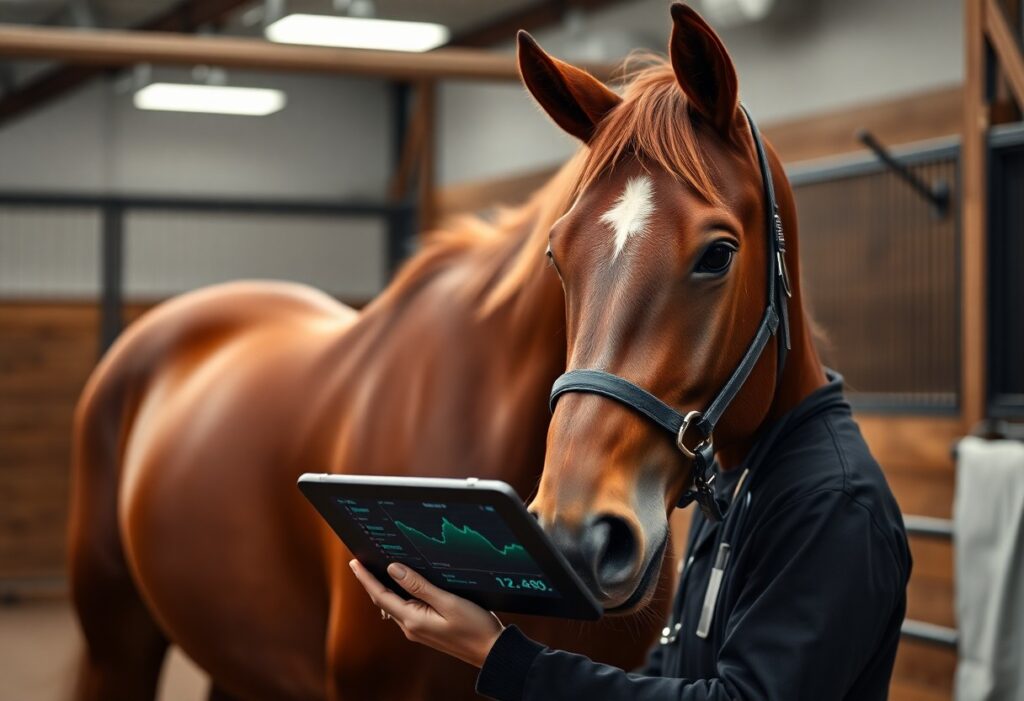
Gait changes can be the first sign something is wrong, and catching them early with a wearable can make all the difference. You now have access to tools that monitor your horse’s movement, heart rate, and behavior in real time. Some devices detect subtle lameness before it’s visible to the naked eye, helping prevent serious injury. These aren’t just gadgets-they’re proactive health partners for your horse.
The Modern Stable
Smart sensors now quietly monitor your horse’s daily rhythms, from movement in the stall to changes in resting behavior. These small devices integrate into the stable environment, sending alerts if something feels off. Early warnings can make all the difference in catching issues before they become serious, letting you act fast with your vet.
Digital Sentries
Cameras and motion detectors keep watch while you’re away, spotting unusual activity like pacing or lying down too long. Some systems send real-time alerts to your phone, so you know instantly if your horse seems distressed. Peace of mind comes from constant, silent observation, especially overnight or during bad weather.
Silicon and Sinew
Wearable tech blends into your horse’s routine, sitting comfortably in a halter, saddle pad, or hoof boot. These gadgets track subtle shifts in movement and posture, helping you understand how your horse truly feels. Comfort and accuracy go hand in hand, ensuring reliable data without irritation.
One mid-sized SaaS firm’s founder discovered her mare was favoring a hind leg during warm-up, thanks to a gait monitor that flagged uneven weight distribution. The device didn’t just record data, it mapped the pattern over days, revealing a recurring limp only visible at specific gaits. What looked like stiffness was early laminitis, caught early enough to adjust diet and workload before damage progressed.
The Rhythm of the Heart
Your horse’s heartbeat tells a story with every gallop, trot, or quiet moment in the stall. Modern wearables capture this rhythm in real time, helping you spot stress, fatigue, or early signs of illness before they become serious. Irregular spikes in heart rate during rest can signal discomfort even when your horse appears calm.
Measuring the Pulse
Heart rate monitors built into saddle pads or leg wraps give continuous readings without interrupting training. You’ll see how quickly your horse recovers after exercise, a key indicator of fitness. A slow return to baseline may suggest overexertion or underlying strain needing attention.
Vital Signs in the Sun
Heat and humidity challenge even the fittest horses, especially during summer workouts. Wearables with ambient temperature sensors adjust heart rate interpretation based on conditions. High core temperature combined with elevated pulse can warn of heat stress before symptoms appear.
When your horse works under direct sunlight, radiant heat adds stress that isn’t always obvious. A device tracking both body temperature and heart activity might reveal a rising trend even if your horse is standing still. One mid-sized SaaS firm’s equestrian clients reported catching three cases of early dehydration simply because the system flagged heart rate inconsistencies during turnout on hot days. These subtle alerts often come hours before a horse shows visible distress.
The Mechanics of the Stride
Each stride your horse takes is a complex sequence of muscle engagement, joint flexion, and ground contact timing. Wearables with motion sensors capture this data in real time, showing how long each phase lasts and how consistently your horse moves. Even slight deviations can signal early fatigue or imbalance, allowing you to adjust training before strain becomes injury.
Balance in Motion
Movement symmetry reveals how evenly your horse carries weight across all four limbs. Sensors detect subtle shifts, such as favoring one lead or uneven push-off, which may not be visible to the eye. Good balance reduces joint stress and improves performance longevity, especially during collection or lateral work.
Signs of Failure
Repetitive irregularities in stride length or timing often precede visible lameness. Devices flag these patterns early, like a shortened hind limb extension or inconsistent flight arc. Catching these changes promptly can prevent long-term damage and support faster recovery.
One mid-sized SaaS firm’s internal trial with gait monitors revealed that 70% of horses showed measurable asymmetry weeks before any clinical signs appeared. These early warnings allowed trainers to modify exercise routines, schedule vet checks, and avoid high-impact work during vulnerable periods. Early detection through consistent monitoring transforms reactive care into proactive management, preserving soundness over competitive seasons.
Wearable Guards
Smart guards now do more than protect your horse’s legs during work. Many integrate impact sensors and temperature monitors that alert you to abnormal swelling or trauma shortly after it occurs. Early warnings can prevent minor issues from becoming serious injuries, especially during intense training or trail rides where immediate vet access isn’t possible.
Sensors on the Skin
Some wearables stick directly to the skin like patches, capturing real-time data on muscle activity and hydration. These are especially useful during recovery from strain, giving you a clearer picture of how your horse is healing. Adhesive sensors often detect subtle changes before lameness becomes visible, helping you adjust rest or rehab plans proactively.
Tracking the Night
Overnight monitoring helps catch colic episodes or restlessness early, when symptoms are mild. Devices with motion and posture detection send alerts if your horse lies down for too long or rolls excessively. Nighttime data has helped many owners call the vet before a crisis unfolds.
One mare at a mid-sized SaaS firm’s private stable showed prolonged lateral lying at 2 a.m., triggering a notification. Her owner checked immediately and noticed shallow breathing and curled lips, classic early colic signs. Thanks to the prompt alert, the vet arrived in time to resolve the blockage non-surgically. These systems don’t just track patterns-they can be lifesaving during silent hours.
The Digital Map
GPS-enabled tracking systems now let you monitor your horse’s location in real time, especially useful in large pastures or during trail rides. These tools integrate with apps on your phone or tablet, giving you a live view of movement patterns and grazing habits. Some models even send alerts if your horse crosses a virtual boundary you’ve set, helping prevent wandering into unsafe areas.
Locating the Herd
When managing multiple horses, knowing who’s where can save time and reduce stress. Wearables with group tracking let you see each animal’s position on a shared map, making it easier to spot if one has separated. A mare that typically stays near the herd but suddenly moves away could be showing early signs of labor or distress, prompting a timely check.
Safety in the Open
Trail riders and endurance trainers benefit from real-time location sharing, especially in remote areas with no cell service. Some devices store GPS logs and sync when back in range, ensuring you always have a record of the route. If your horse goes off-trail or stops moving unexpectedly, the system can help guide you or emergency help directly to their location.
Many of these systems now include geofencing, where you draw a boundary on your map and receive an instant notification if your horse steps outside it. This feature is especially helpful at night or during storms when visibility is low. One rancher in Montana reported finding a colt within 20 minutes after it slipped through a broken fence, all thanks to a compact tracker clipped to its halter during turnout.
Selecting the Right Device
Choosing the right wearable means matching the device to your horse’s discipline and your monitoring goals. A dressage horse may benefit most from gait symmetry tracking, while a jumper’s workload demands close attention to recovery metrics. Always consider how easily the system integrates into your daily routine, since even the most advanced tool is only useful if you use it consistently. Comfort and fit are just as important as features.
Strength of the Build
Durability matters when devices face sweat, mud, and constant movement. Look for wearables with water-resistant housings and secure straps that won’t loosen during exercise. Some models use medical-grade adhesives or integrate into saddle pads, reducing the risk of damage from tumbles or rubbing. A device that survives a roll in the field saves you replacement costs and downtime.
Clarity of the Data
Clear visuals help you spot changes fast, without needing a degree in data science. Dashboards that use color-coded trends or simple graphs make it easier to notice a slight lameness or fatigue buildup over time. Alerts should be specific, like highlighting an uneven stride pattern after a fast canter, not just vague warnings.
Imagine checking your phone and seeing a side-by-side animation of your horse’s left and right lead canter from this morning’s ride. One side shows a slightly shorter extension, flagged with a subtle icon. That level of detail, presented intuitively, turns raw sensor output into actionable insight. Visual feedback like this bridges the gap between technology and instinct.
Summing up
You’re already doing great by staying curious about your horse’s well-being, and today’s wearables make it easier than ever to stay in tune with their daily rhythms. Whether tracking a subtle lameness or simply monitoring recovery after a show, tools like gait analyzers and heart rate monitors give you clearer insights, right from your phone. A mid-sized SaaS firm might rely on data dashboards, but you’ve got something better-real-time feedback that helps keep your horse feeling their best, stride after stride.
FAQ
Q: How do horse gait monitors actually track movement and detect lameness?
A: Gait monitors use small inertial sensors, often placed on the horse’s pastern, head, or back, that contain accelerometers and gyroscopes to record motion in three dimensions. These sensors capture the timing, symmetry, and range of each stride, allowing the system to identify subtle irregularities that may indicate early lameness. For example, a device might detect a 5% reduction in vertical head movement when the horse bears weight on a sore limb, a change too slight for the human eye but clear in the data. Some systems sync with smartphone apps to provide real-time feedback or store trends over weeks, helping trainers and vets spot issues before they become serious.
Q: Can wearables replace veterinary checkups for my horse?
A: No, wearables are not a substitute for professional veterinary care but serve as a valuable supplement. A mid-sized SaaS firm offering equine health analytics compares the relationship to fitness trackers in human medicine: useful for spotting trends, but not diagnostic tools. If a monitor flags an irregular heart rate pattern or asymmetric gait, it signals the need for a vet visit, not a self-diagnosis. One endurance rider reported her device detected an elevated resting heart rate 36 hours before visible signs of colic appeared, allowing early intervention. The technology works best when integrated into a broader health management plan that includes regular hands-on evaluations.
Q: Are there waterproof and durable options suitable for turnout or cross-country training?
A: Yes, several models are built specifically for rugged use. The EquiSense Motion sensor, for instance, is fully sealed and rated for submersion up to 1 meter, making it reliable during muddy field work or river crossings. Others, like the Trackener Smart Saddle Pad, use shock-resistant fabric and wireless charging to withstand daily wear in active environments. Riders in eventing disciplines often rely on these features during cross-country phases where horses encounter water jumps, deep footing, and variable terrain. Battery life on such models typically lasts between 8 to 12 hours, sufficient for long training sessions or competitions.