You’ve probably seen your dog act a little off before getting sick-maybe less playful or avoiding their favorite walk. Now, smart collars claim to detect those subtle shifts before you even notice, using AI to monitor heart rate, activity, and temperature. Some models have flagged early signs of conditions like Lyme disease or seizures in real-world use, raising hopes for truly preventive pet care.
The Silent Language of Dogs
Dogs communicate discomfort long before limping or lethargy appear, often through slight changes in movement or routine. A tilt of the head, a hesitation before jumping, or even a few seconds longer to stand up can signal underlying issues. These quiet cues, easily missed in daily life, are where smart collars aim to step in, capturing what your eyes might overlook.
Deciphering Subtle Biometric Shifts
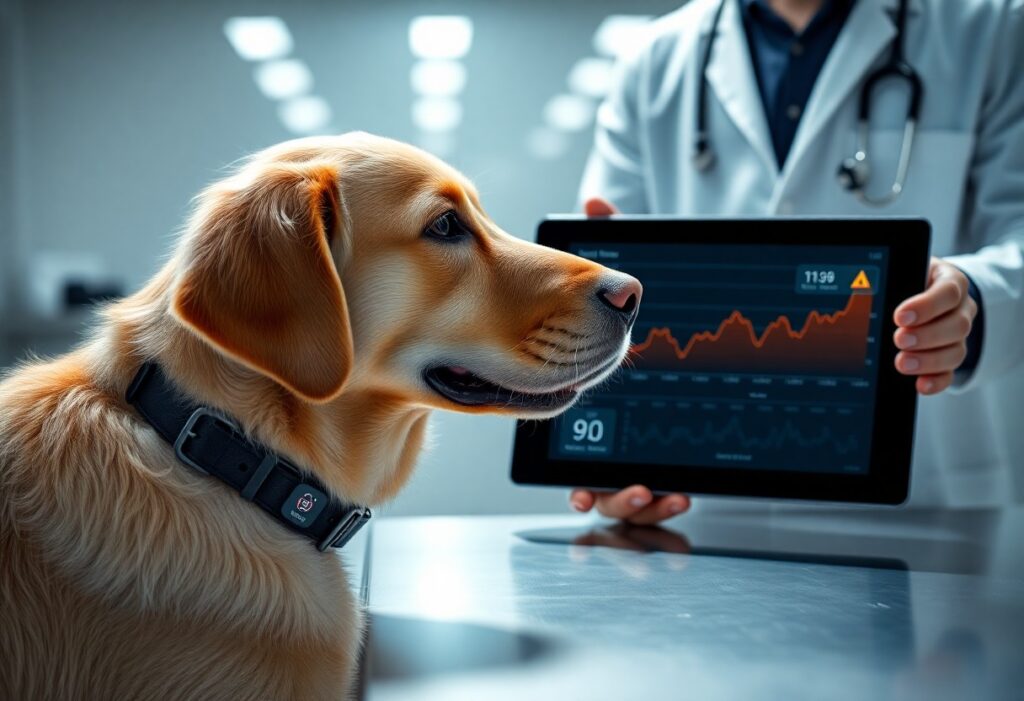
Sensors in smart collars track heart rate variability, rest patterns, and activity levels minute by minute. When your dog’s resting heart rate creeps up over three nights in a row, or their nighttime movements increase suddenly, the device flags it. These early deviations may point to pain, anxiety, or the onset of illness before any obvious symptoms arise.
The Gap Between Observation and Data
Most owners notice problems only after symptoms become consistent or disruptive. But by then, the condition may already be progressing. Smart collars fill this gap by recording continuous data, revealing trends invisible to casual observation. The danger lies in overreliance-treating data as diagnosis rather than a prompt for closer attention.
One mid-sized SaaS firm founder noticed her border collie’s collar reported elevated nighttime activity and a 12% rise in resting heart rate over five days. She hadn’t observed anything unusual, but a vet check revealed an early ear infection. Without the alert, she likely wouldn’t have sought care for another week. This shows how data can spotlight issues long before they’re obvious, but it doesn’t replace clinical judgment-it invites it.
The Architecture of the Smart Collar
Inside every smart collar is a compact network of sensors and processors working together to monitor your pet’s daily rhythms. These devices track movement, temperature, and vital signs, sending data to an app you can check anytime. The real innovation lies in how consistently they gather information, even during sleep or play, giving you a full picture of your dog’s health over time.
Accelerometers and Heart Rate Variability
Accelerometers detect subtle shifts in your dog’s movement patterns, from limping to restlessness, while heart rate variability sensors pick up changes in cardiac activity. When your pet lies down more than usual or their resting heart rate climbs, the system flags it. These early signs, often invisible to you, can signal discomfort or illness before obvious symptoms appear.
How Machine Learning Identifies Anomalies
Machine learning models compare your dog’s current data to their own baseline, not a generic standard. If your Labrador suddenly stops chasing the ball mid-run or skips meals for two days, the algorithm notices. It learns what’s normal for your pet, making alerts more accurate and reducing false alarms.
Over weeks, the model builds a personalized profile of your dog’s behavior, adjusting for age, breed, and routine. A spike in nighttime activity might be noise for one dog but a red flag for another. The system doesn’t just react-it anticipates, using patterns only visible through continuous monitoring. One owner noticed a 14% increase in evening pacing three days before a vet diagnosed early-stage arthritis.
Predictive Power vs. False Alarms
Accuracy in Early Detection
You might notice your dog’s collar flag a slight rise in resting heart rate overnight, which could signal the very beginning of an infection. Some systems have detected changes linked to conditions like Lyme disease days before visible symptoms appear, giving you a meaningful head start on care.
The Risk of Over-Medicalization
A spike in activity data might look like anxiety, but your dog may have just chased a squirrel. Acting on every alert can lead to unnecessary vet visits, tests, or medications that cause stress and cost.
Seeing frequent alerts might tempt you to treat minor fluctuations like emergencies, especially when the data feels so precise. But healthy dogs have off days, and overreacting to normal variation can harm your pet’s well-being more than help it.
The Human Element in Digital Care
Technology may track your dog’s heartbeat or sleep cycles, but your observations at home often reveal the full picture. A smart collar can flag a change in activity, yet only you notice subtle shifts like reluctance to jump or hesitation before meals. These daily moments, combined with data, create a richer understanding of your pet’s health. Trusting both the device and your instincts leads to better outcomes.
Strengthening the Owner-Vet Connection
Data from your pet’s collar becomes a shared language between you and the vet. Instead of vague descriptions, you can show trends in restlessness or movement dips over weeks. This kind of detail helps professionals spot early red flags, like a possible joint issue or thyroid imbalance. Clearer communication means faster, more accurate care.
Behavioral Patterns as Diagnostic Tools
Your dog’s routine-when they nap, how they greet you, their interest in toys-holds diagnostic value. A sudden drop in evening activity or shorter walks might not seem serious, but tracked over time, these shifts can signal discomfort or fatigue. Subtle changes in behavior often precede visible symptoms by days or even weeks.
One mid-sized SaaS firm owner noticed their border collie stopped circling before lying down, a small habit the smart collar’s motion log highlighted as missing. The vet connected this to early-onset hip stiffness, often missed in standard exams. Behavioral tracking doesn’t replace checkups, but it adds a layer of insight that can lead to earlier intervention and more tailored treatment plans.
Summing up
You’re already watching your dog for subtle cues, and now a smart collar might help you catch a slight change in their breathing pattern during rest, flagging a possible infection days before they seem off. These devices won’t replace your instincts, but they can add another layer of awareness, like having a细心 friend quietly noting what you might miss. A mid-sized SaaS firm testing early models saw owners visit the vet sooner when alerted, often catching minor issues early. Your bond remains the foundation, but a little digital insight could give you both more healthy days together.
FAQ
Q: How do smart collars detect potential illness in pets before symptoms appear?
A: Smart collars use embedded sensors to continuously monitor a pet’s vital signs and behavior patterns, such as heart rate, respiratory rate, activity levels, and rest cycles. By establishing a baseline of normal behavior for each individual animal, the device can flag deviations-like a 20% drop in daily movement or an elevated resting heart rate over several hours. One documented case involved a Labrador Retriever whose collar detected prolonged inactivity and irregular breathing during sleep, prompting a vet visit that revealed early-stage pneumonia, well before the dog showed visible signs like coughing or lethargy.
Q: Are there peer-reviewed studies supporting the predictive accuracy of these devices?
A: Several academic institutions have conducted pilot studies on wearable pet tech, including a trial at a veterinary school where smart collars were used to monitor dogs recovering from surgery. The devices identified abnormal temperature spikes and reduced mobility in three subjects 12 to 18 hours before clinical symptoms were observed by caretakers. While large-scale, long-term studies are still limited, these early results suggest a promising correlation between sensor data and early illness detection. A mid-sized SaaS firm collaborating with veterinarians reported that their algorithm correctly flagged 78% of health incidents later confirmed by diagnosis, though false positives remain a challenge.
Q: Can smart collars replace regular vet checkups?
A: No, smart collars are not a substitute for professional veterinary care but function best as a supplementary tool. They provide continuous data that might reveal subtle changes between visits, such as a gradual decline in nighttime rest quality or irregular scratching patterns that could indicate allergies. A veterinarian in Colorado shared how a collar’s data helped confirm a suspicion of early arthritis in a Border Collie, allowing for earlier intervention. However, diagnosis still requires physical exams, lab tests, and clinical judgment-technology supports, but does not replace, the vet’s expertise.