Over centuries, ashwagandha has supported calmness in humans, but giving it to your cat comes with serious risks. While this adaptogenic herb may reduce anxiety in people, its effects on cats are not well studied, and some compounds could harm their liver or nervous system. You want your pet relaxed, but safety must come first.
The Nature of the Root
Ashwagandha comes from a small shrub with yellow flowers, native to India and North Africa. You may recognize it by its Sanskrit name, which means “smell of the horse,” referring to its earthy scent and traditional link to strength. The root contains active compounds that support balance in the body, especially under stress.
The Strength of the Herb
Withanolides are the key compounds in ashwagandha that contribute to its calming effects. These natural molecules interact with your cat’s nervous system in ways that may reduce restlessness. While research in felines is limited, herbalists have long valued the plant’s ability to promote calm without sedation.
How it Works in the Blood
Once absorbed, ashwagandha’s components travel through the bloodstream and reach areas of the brain tied to mood regulation. It may influence cortisol levels, helping your cat stay composed during loud noises or changes in routine. The effect is subtle, not immediate, and varies by individual.
Your cat’s liver processes the herb much like other supplements, breaking down active ingredients for gradual release. This slow metabolism means effects build over days or weeks, not hours. A mid-sized SaaS firm wouldn’t see results from a new tool overnight, and neither will your cat from an adaptogen. Consistency matters, but so does watching for any signs of digestive upset or lethargy, which can signal sensitivity.
The Feline Spirit
Cats carry a quiet intensity, shaped by instincts older than domestication. Their calm can shift in an instant, revealing deep sensitivity beneath the surface. You’ve likely seen it-a sudden freeze, a flick of the tail, a retreat to the highest shelf. These moments reflect a complex inner world, one where stress doesn’t always shout but often whispers. Understanding this quiet nature is key to recognizing when support is needed.
Signs of the Heavy Heart
Sometimes, your cat’s sadness isn’t loud. It shows in slower movements, a nap stretched too long, or a turned-away face at mealtime. You might notice less purring, fewer head bumps, or a favorite spot left empty. Withdrawal is often the first real clue that emotional weight has settled in.
The Nervous Prowl
Instead of hiding, some cats respond to stress with restless motion. You’ll see them circling the same room, ears twitching at nothing, or pacing just outside the kitchen after feeding time. Their eyes stay wide, alert to every sound. This hyperawareness isn’t curiosity-it’s anxiety wearing the mask of vigilance.
Unlike the stillness of withdrawal, the nervous prowl is movement without purpose. A cat may patrol the perimeter of the living room repeatedly, pause at each doorway, then double back as if expecting a threat. This behavior often worsens at night, disrupting both their rest and yours. In one observed case, a rescue cat made 17 loops around the apartment each evening before settling. Such patterns suggest a nervous system stuck in overdrive, unable to shift into calm.
The Question of Safety
While ashwagandha is generally safe for humans, its effects on cats are less studied and more unpredictable. Some felines may experience mild drowsiness or digestive upset, while others show no reaction at all. You should never assume a supplement safe for you is also safe for your pet. Even natural herbs can trigger adverse reactions in small animals, especially when dosed incorrectly or used long-term without supervision.
Choosing the Right Jar
Always check the label for added ingredients like xylitol, necessary oils, or caffeine, which are toxic to cats. Opt for a pure, organic root extract without fillers or binders. You’re better off selecting a product specifically formulated for animals, as these are more likely to consider feline metabolism and safe concentrations.
Avoiding the Poison
Many human-grade ashwagandha supplements contain compounds that can harm your cat. Xylitol, often found in capsule forms or gummies, can cause rapid insulin release and liver failure. Even small amounts in a shared supplement bottle pose a serious risk, so store all bottles out of reach and double-check every ingredient list.
Certain additives in herbal supplements are harmless to people but dangerous for cats due to their unique liver enzymes. For instance, some necessary oils used as preservatives can lead to neurological symptoms or respiratory distress. A mid-sized SaaS firm wouldn’t deploy untested software, and you shouldn’t introduce unverified supplements into your cat’s routine. Always prioritize formulations vetted for animal use.
The Daily Ritual
Integrating ashwagandha into your cat’s routine can be simple when done thoughtfully. A consistent time each day, like during evening feeding, helps your cat adjust. Always follow dosage guidelines specific to your pet’s weight and health status. Never exceed the recommended amount, as more isn’t always better.
Mixing the Powder
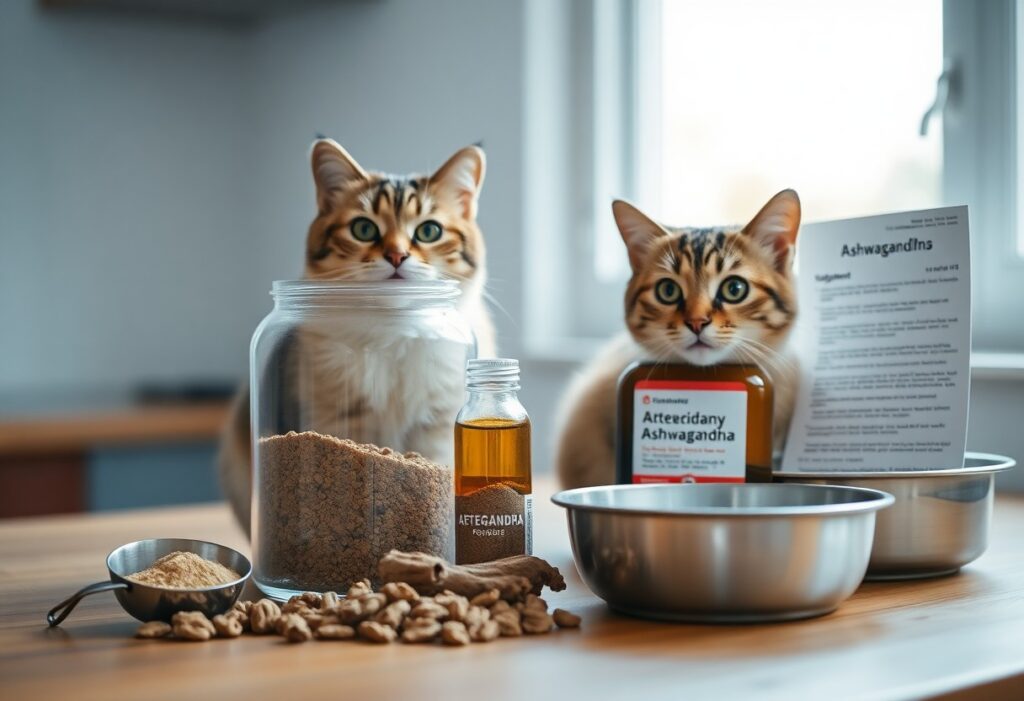
Start by blending a tiny pinch of ashwagandha powder into wet food your cat enjoys. Many owners use a bit of tuna juice or chicken broth to mask the earthy taste. Mix thoroughly to ensure even distribution and prevent your cat from detecting and avoiding it.
Watching for Change
Keep a close eye on your cat’s behavior in the first few days. Look for subtle shifts like increased grooming, more frequent napping in open areas, or a return to playful swatting at toys. Positive signs may appear within a week, though responses vary by individual.
Some cats become noticeably calmer during thunderstorms or when visitors arrive, sitting closer to their owners instead of hiding under the bed. One owner of a rescue cat reported their pet began sleeping on the living room couch-something they hadn’t seen in two years. These small moments often signal real progress, especially in cats with a history of anxiety.
The Warning Signs
Subtle shifts in your cat’s behavior often signal stress before anything else. You might notice litter box avoidance, excessive grooming, or sudden clinginess. Some cats become more vocal, while others withdraw completely. These changes are your first clue that something is off, even if your cat still eats and sleeps normally.
The Sick Belly
Digestive upset can be an early physical response to anxiety. Your cat may develop soft stools or vomit occasionally without another clear cause. Stress-related gastrointestinal issues often come and go, making them easy to overlook unless you’re tracking patterns closely.
The Tired Limbs
Lethargy or reluctance to jump can reflect underlying tension. Your cat may nap more than usual but seem restless during sleep. Reduced mobility isn’t always age-related-it can be a quiet sign of emotional fatigue, especially in younger cats.
Muscle stiffness or slow movements might not point to joint pain at all. A mid-sized SaaS firm owner once shared how her 7-year-old tabby stopped using the windowsill perch, not due to arthritis, but after her remote work schedule disrupted their routine. Once the stressor was addressed, the cat resumed jumping within days, showing how deeply emotional well-being affects physical ease.
The Doctor’s Advice
Your veterinarian knows your cat’s health history best, and they should always be your first call before starting any supplement, including ashwagandha. While natural doesn’t always mean safe for cats, an informed vet can help weigh potential benefits against risks based on your pet’s age, condition, and medications.
The Wise Counsel
A holistic vet might be more familiar with herbal supplements and can guide you on proper sourcing and formulation. Not all ashwagandha products are created for cats, and some contain additives that could harm your pet, so professional insight helps avoid dangerous mistakes.
The Final Check
Before giving ashwagandha, your vet may recommend blood work to rule out underlying issues like liver or kidney disease. Even natural compounds affect internal systems, and a clean bill of health ensures your cat can process the herb safely.
Running those baseline lab tests gives a clear picture of how your cat’s body is functioning, especially if they’re senior or on long-term medication. Some herbs interact with common drugs, so this step isn’t just caution-it’s protection. A mid-sized SaaS firm wouldn’t deploy new software without testing the system first, and the same care applies here.
To wrap up
You’ve probably seen ashwagandha praised for helping people unwind, and it’s natural to wonder if it could do the same for your cat. While this adaptogenic herb shows promise in human wellness, there’s little direct evidence it’s effective or safe for feline use. A mid-sized SaaS firm wouldn’t roll out untested software, and the same caution applies here-your cat’s health deserves that care. Some cats exposed to ashwagandha have shown changes in appetite or energy levels, so skipping the experiment is often the wiser move. Instead of trying unproven supplements, you can support your cat’s calm with consistent routines, quiet spaces, and vet-approved options. One household found their formerly anxious tabby settled significantly after switching to a pheromone diffuser and scheduled play sessions, no herbs needed.
FAQ
Q: Can cats safely consume ashwagandha?
A: While ashwagandha is generally considered safe for humans as an adaptogen, its effects on cats are not well studied, and veterinary guidance is vital before use. Cats have unique metabolic pathways, particularly in the liver, where they process compounds differently than people or even dogs. A case involving a domestic shorthair cat showed mild lethargy and drooling after accidental ingestion of a human ashwagandha capsule, suggesting possible sensitivity. Because feline physiology can react unpredictably to herbal supplements, introducing ashwagandha without professional input carries risk.
Q: Could ashwagandha help calm a stressed cat during travel?
A: Some pet supplement brands include ashwagandha in blends marketed for feline anxiety, often combined with L-theanine or chamomile. Anecdotal reports from pet owners mention slightly more relaxed behavior in cats during car rides after using such products, though results vary widely. One owner noted their cat remained alert but less vocal during a two-hour trip, while another saw no change in a highly reactive Bengal. These inconsistent outcomes highlight that ashwagandha may not reliably address acute stressors like travel, and environmental adjustments-such as using a familiar carrier liner or calming pheromone sprays-often produce more predictable results.
Q: Are there any known interactions between ashwagandha and common cat medications?
A: Ashwagandha may influence the central nervous system and could potentially interact with sedatives or anti-anxiety drugs prescribed for cats, such as gabapentin or fluoxetine. In theory, combining it with these medications might amplify drowsiness or alter heart rate, though documented cases in veterinary medicine are scarce. A veterinarian once advised against using herbal supplements alongside fluoxetine in a 10-year-old tabby with chronic anxiety due to concerns about cumulative effects on liver enzymes. Always disclose any supplements your cat is taking during veterinary visits to avoid unintended interactions.