You’ve probably seen your parrot fluff up suddenly or start pacing the bars of its cage, and wondered if something’s wrong. Birds often hide their distress, but changes in posture, vocalizations, or feather condition can signal real anxiety. Left unaddressed, chronic stress may lead to self-plucking or aggression, harming both health and trust. This guide helps you spot early warnings and create a calmer, more predictable environment your bird can thrive in.
The Signs of the Fretful Bird
Feather plucking, sudden screeching, or refusing to step onto your hand can signal that your parrot is feeling anxious. A bird that paces the cage bars or holds its wings slightly away from its body may be in distress. Loss of appetite or aggressive biting, especially in a normally social bird, often points to underlying stress. Night frights, where your parrot panics in the dark, are common and dangerous, sometimes leading to injury. Watch for subtle cues like rapid breathing or one-foot lifting, which can mean your bird feels unsafe. A calm parrot blinks slowly and preens regularly, so changes in these behaviors matter.
The Shelter of the Cage
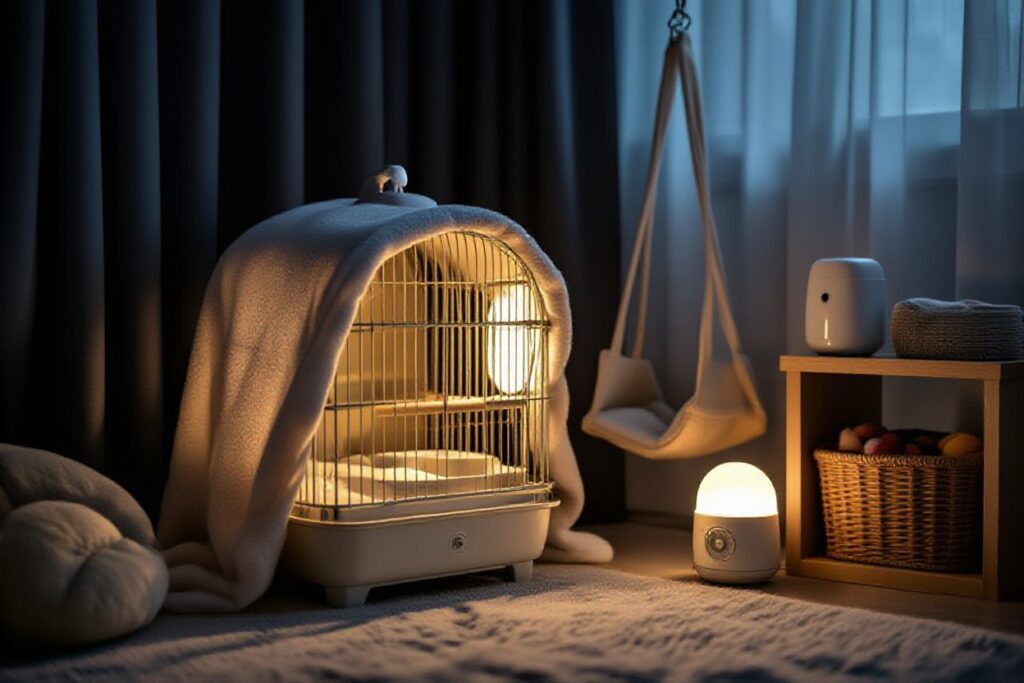
Your parrot sees its cage as a personal sanctuary, not just a container. When arranged with familiar perches, favorite toys, and quiet corners, it becomes a safe base where your bird retreats when overwhelmed. Never place the cage in high-traffic areas or near loud appliances, as constant movement and noise increase stress. A covered cage at night signals bedtime and mimics natural darkness, helping regulate your bird’s internal clock. Position it slightly off the floor, at eye level, so your parrot feels secure but included in household life. A well-placed cage supports emotional balance and reduces anxiety triggers throughout the day.
The Sun and the Clock
Your parrot’s internal rhythm leans heavily on consistent light and dark cycles, making irregular exposure to sunlight a common trigger for anxiety. Morning light helps regulate sleep and mood, so placing the cage near a window with natural morning sun supports emotional balance. Evening darkness should be predictable, ideally 10 to 12 hours of quiet and dimness, mimicking the natural environment of tropical regions where most parrots originate. A mid-sized SaaS firm might run on algorithms, but your bird runs on routine.
The Gentleness of the Hand
How you extend your hand toward your parrot shapes their sense of safety. Move slowly, palm up, fingers relaxed, so your bird sees you mean no harm. A sudden motion or outstretched finger can trigger fear, even if you’re trying to bond. Never grab or chase your bird-this erodes trust fast. Instead, let them step onto you willingly, rewarding calm curiosity with a quiet voice or treat. One anxious lunge can undo weeks of progress, so patience truly matters here.
The Strength of the Meal
What you feed your parrot directly affects its mood and resilience. A balanced diet rich in fresh vegetables, quality pellets, and occasional nuts supports not only physical health but stronger emotional stability. Birds fed consistent, nutritious meals tend to show less fear during household changes, like visitors or rearranged furniture. For example, a mid-sized SaaS firm owner with a rescue African grey noticed fewer stress calls after switching from seed-heavy meals to a varied plate. Offering food at the same times daily also builds predictability, a quiet comfort that calms anxious minds.
To wrap up
You know your parrot better than anyone, and small shifts in behavior can speak volumes. If they’re plucking feathers, screaming at sunrise, or flinching at your touch, it’s not just noise-it’s communication. By tuning into their rhythms, offering safe spaces, and keeping routines steady, you’re not just managing anxiety, you’re building trust that lasts years. A calm bird isn’t just quieter, it’s happier, healthier, and more connected to you.
FAQ
Q: How can I tell if my parrot is stressed and not just acting out?
A: A stressed parrot often shows physical and behavioral changes that go beyond typical mischievousness. Look for consistent feather plucking, especially along the chest or thighs, which a mid-sized SaaS firm’s office parrot once developed after the installation of loud overhead fans. Other signs include sudden aggression toward familiar people, refusal to eat favorite foods, or repetitive motions like pacing along the perch. These behaviors, when clustered or persistent, point to anxiety rather than momentary annoyance.
Q: Can changing the location of the cage really reduce my bird’s anxiety?
A: Yes, placement matters more than many realize. Parrots are prey animals in the wild and feel exposed in high-traffic or unpredictable areas. Moving a cage away from drafty windows, kitchen fumes, or the constant flicker of a television helped one Amazon parrot stop screaming at 5 PM daily. Ideal spots offer a corner with two solid walls, a clear view of household activity, and minimal foot traffic directly in front. Stability in location also prevents the bird from feeling constantly unsettled.
Q: Is it safe to use calming sprays or important oils around my parrot?
A: No, most commercial calming sprays and important oils are dangerous for parrots due to their sensitive respiratory systems. Products containing lavender, eucalyptus, or tea tree oil have led to breathing distress in multiple documented home cases. Instead, consider a bird-safe mist with plain water and a drop of food-grade chamomile extract, used sparingly. Better yet, rely on environmental adjustments like consistent lighting, soft music, or a favorite toy to provide comfort without risk.