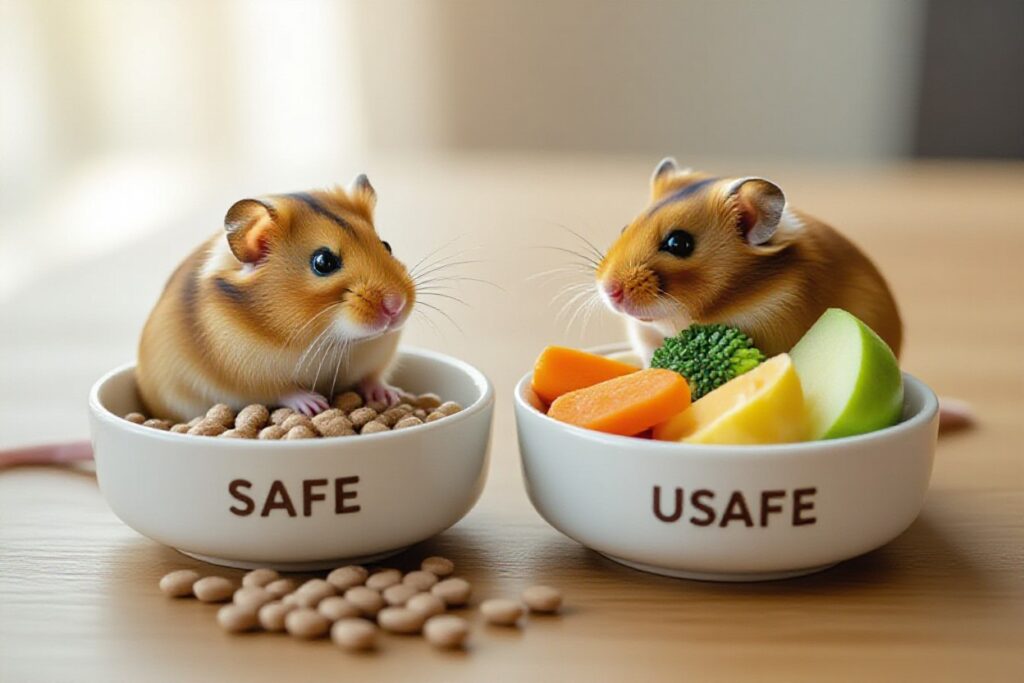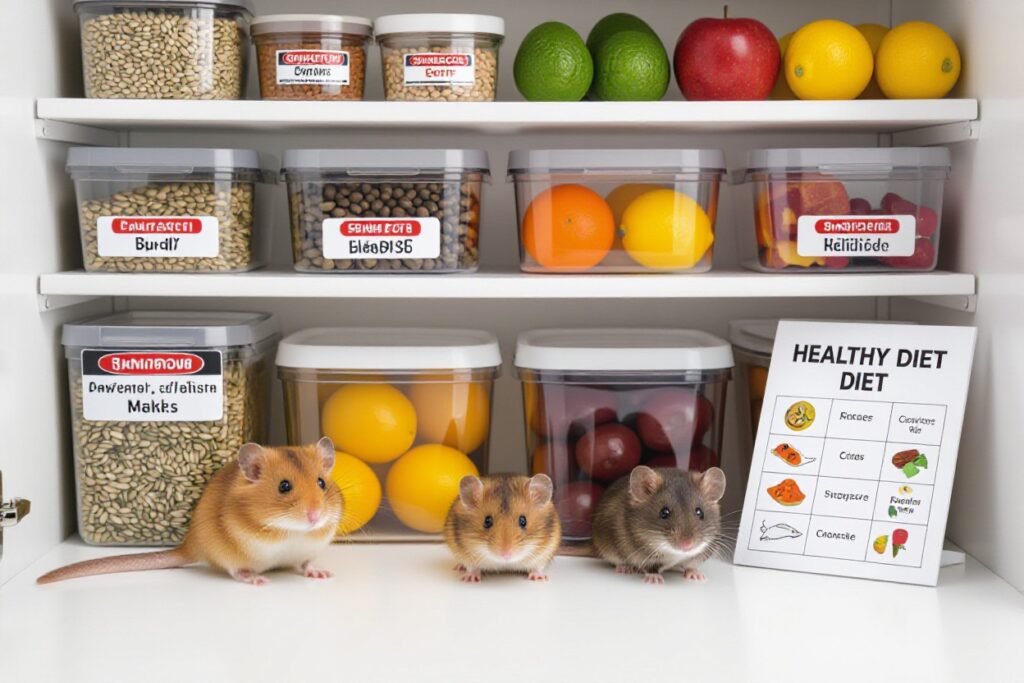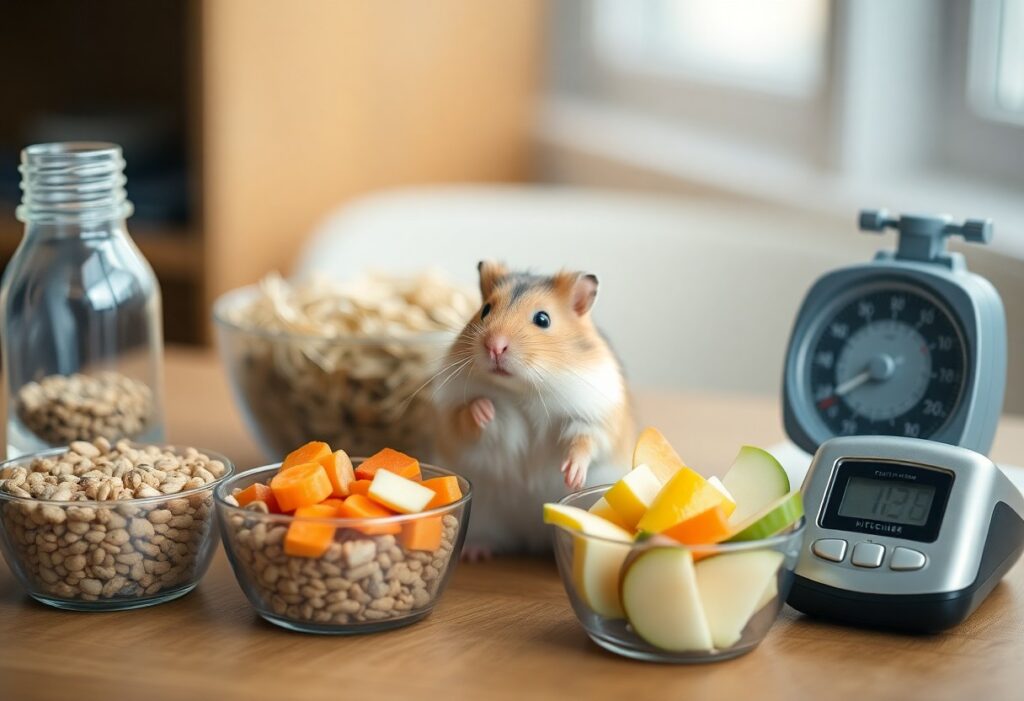
Rodent dietary needs vary significantly by species, but all require a balanced mix of hay, fresh vegetables, and fortified pellets to thrive. Feeding only seeds can lead to dangerous nutritional deficiencies, while too many sugary treats increases the risk of obesity and diabetes. You must provide clean water daily and avoid toxic foods like chocolate or onions. Proper diet supports long-term health and prevents common illnesses.
The Foundation of Hay
You must provide unlimited access to fresh hay every day. Hay supports healthy digestion and wears down continuously growing teeth, preventing painful dental issues. Timothy hay is ideal for adult rabbits, guinea pigs, and chinchillas, while alfalfa hay suits young or underweight animals. Without enough hay, your pet risks life-threatening gastrointestinal stasis. Always keep it clean, dry, and available in a rack or litter-free area.
The Pellet Protocol
Your rodent’s daily pellet intake forms the foundation of balanced nutrition. Choose plain, species-specific pellets without colorful add-ins, which often contain harmful sugars and artificial dyes. These fortified bases deliver important vitamins and minerals your pet can’t get from treats alone. Feed measured amounts-typically 1-2 tablespoons daily-depending on size and species, to prevent obesity and digestive issues.
Fresh Green Rations
You can offer leafy greens daily to support your rodent’s digestion and hydration. Introduce varieties like romaine, cilantro, or dandelion greens in small amounts to avoid dangerous gastrointestinal upset. Always wash produce thoroughly to remove pesticides, which can be toxic even in trace amounts. Rotate greens regularly to provide balanced nutrients and prevent overexposure to any single compound.
Hydration and Water
Your rodent’s health depends on constant access to fresh, clean water. Dehydration can lead to serious complications, including organ failure, within just 24 hours. Always use a drip-style water bottle to minimize contamination, and check it daily for blockages. Replace the water every day, even if it looks untouched, to prevent bacterial growth. Never rely on water from vegetables alone-these supplement hydration but don’t replace it.
Occasional Fruit Rewards
Fruit can be a sweet treat for your rodent, but it should never become a daily habit. Offer small portions once or twice a week to avoid excess sugar intake, which may lead to obesity or diabetes. Apples, blueberries, and strawberries are safe choices in tiny amounts. Always remove seeds and pits, as they can be dangerous or toxic. Your pet enjoys variety, but balance is key to long-term health.
Dangerous Forbidden Items
You must never feed your rodent chocolate, as it contains theobromine, which is highly toxic and can be fatal even in small amounts. Avocado pits and skin carry persin, a substance that can cause severe respiratory distress. Onions, garlic, and raw beans disrupt red blood cells and lead to anemia. Always avoid processed human foods with salt, sugar, or artificial ingredients-these are extremely harmful to your pet’s delicate digestive system.
Conclusion
Your small pet thrives on a diet tailored to its species-specific needs. Fresh hay, quality pellets, and measured servings of vegetables support digestive health and prevent obesity. Treats should be rare. Clean water must always be available. You hold the key to your rodent’s long-term well-being through consistent, informed feeding choices.
FAQ
Q: What should be the main components of a healthy diet for pet rodents like hamsters, gerbils, and mice?
A: A balanced diet for small rodents centers around a high-quality commercial pellet or block food specifically formulated for their species. These provide consistent nutrition and prevent selective eating. Fresh Timothy hay supports digestion, especially in guinea pigs and rabbits, though it benefits others too. Daily portions of fresh vegetables like romaine lettuce, cucumber, or carrots add hydration and nutrients. Small amounts of fruit can be offered once or twice a week as a treat due to their sugar content. Clean, fresh water should always be available in a sipper bottle.
Q: Can I feed my rodent the same food I eat, like bread, cheese, or leftovers?
A: Most human foods are not suitable for rodents and can cause health problems. Bread offers little nutritional value and can lead to obesity. Cheese is high in fat and salt, which small pets can’t process well. Spices, sauces, fried items, and processed foods should never be given. Some safe human foods in tiny amounts include plain cooked oatmeal, unsalted plain popcorn, or small bits of apple (without seeds). Always research specific foods before offering them-what seems harmless can be toxic, like onions, garlic, or chocolate.
Q: Do all rodents have the same dietary needs?
A: No, dietary needs vary significantly between rodent species. For example, guinea pigs cannot produce their own vitamin C and must receive it daily through fresh veggies like bell peppers or a supplement. Rabbits require unlimited hay to maintain healthy digestion and wear down their continuously growing teeth. Hamsters are prone to diabetes and should have limited fruit and sugary treats. Rats and mice benefit from a varied diet but still need controlled portions to avoid obesity. Knowing your pet’s specific biology ensures they get the right balance of nutrients.