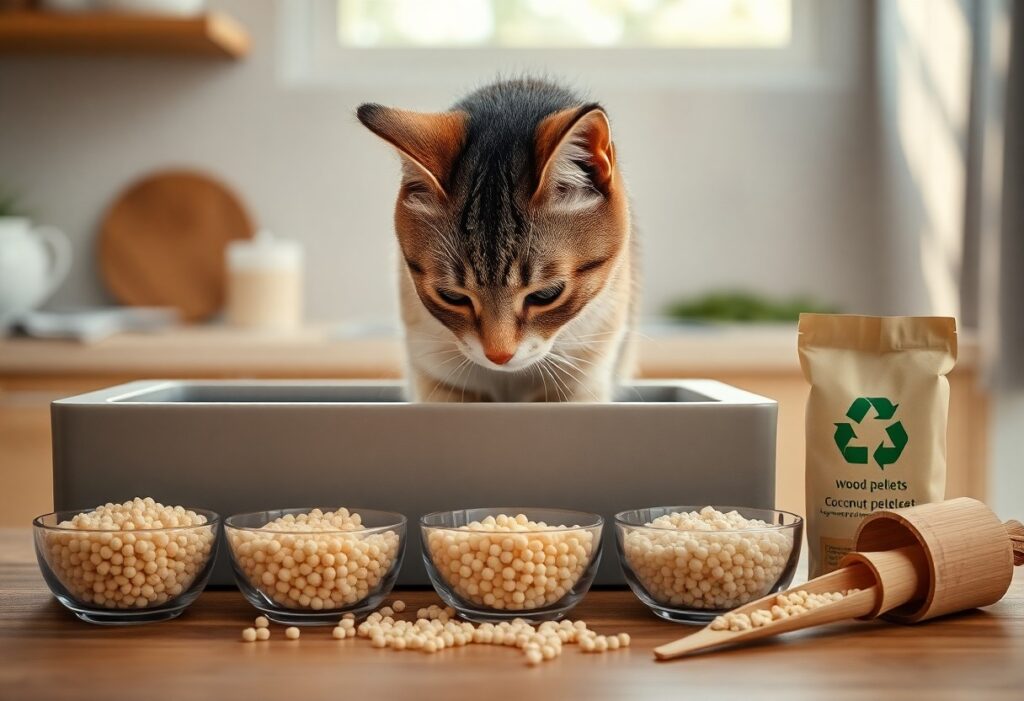
Over time you can cut your cat’s carbon pawprint by switching litters; clay litter fills landfills and emits dusty silica hazards, while biodegradable, compostable options drastically reduce waste and emissions, protecting pets and the planet.
Assessing the Environmental Impact of Traditional Litter
Assessing your cat’s litter includes the lifecycle-from extraction to disposal-and shows how commonly used litters raise your household’s carbon footprint and water use, prompting choices that cut emissions and waste.
The Ecological Consequences of Clay Strip Mining
Clay strip mining destroys topsoil and habitat, increases erosion, and releases dust and toxins that affect local communities, so you should weigh alternatives that avoid those harms.
Landfill Accumulation and Non-Biodegradable Waste
Landfills accumulate non-biodegradable clay litter, raising your household’s contribution to long-term waste and methane risks when mixed with organic material.
Buried clay and silica litters can persist for decades, producing microplastic and heavy-metal contamination that may leach into groundwater; when you discard them they increase landfill volume and raise the risk of methane emissions if mixed with organics, so choosing biodegradable options cuts long-term environmental harm.
Reviewing 5 Superior Eco-Friendly Litter Materials
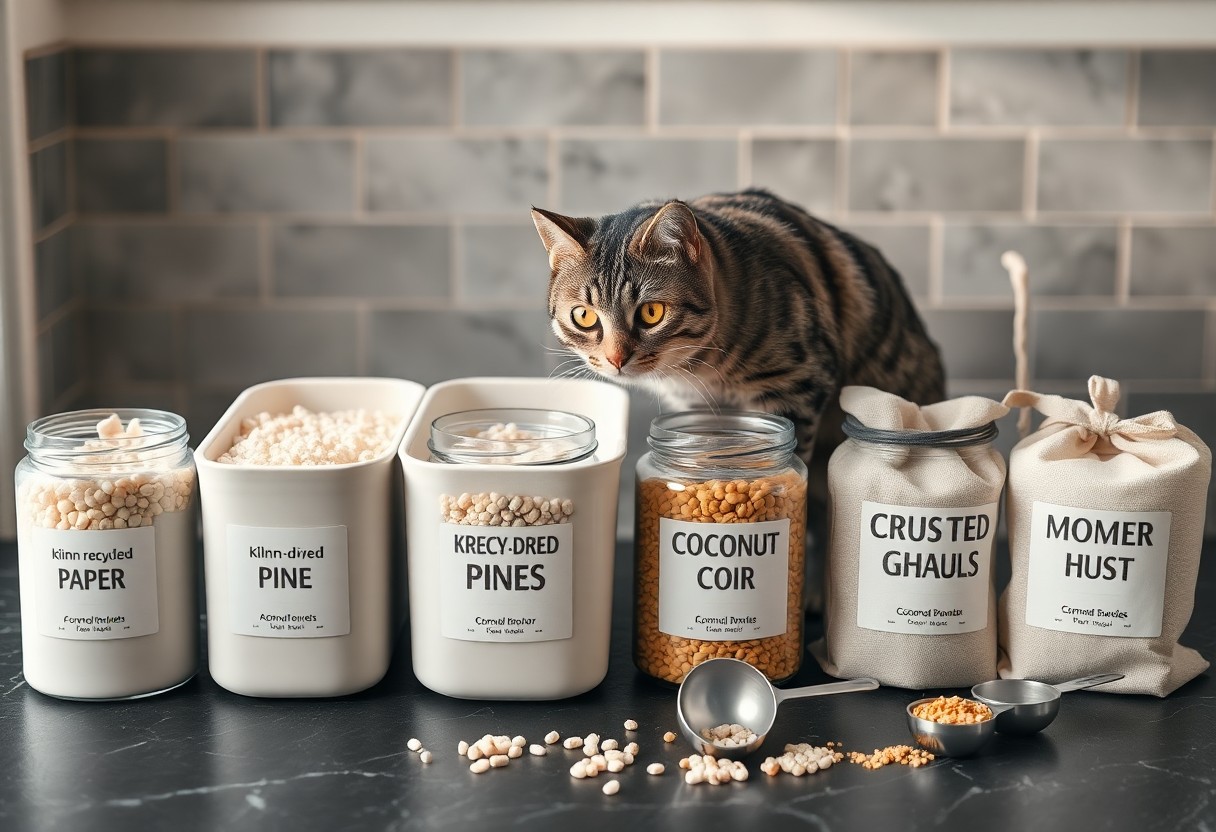
You should weigh absorbency, odor control, disposal, and sourcing; prioritize biodegradable or recycled options to shrink your cat’s long-term waste and emissions.
Renewable Wood Pellets and Recycled Paper
Wood pellets wick moisture, clump well, and are often compostable; you’ll find recycled paper offers low dust and suits cats with respiratory sensitivities, though it may need more frequent changing.
Plant-Based Options: Corn, Wheat, and Tofu
Plant-based litters clump efficiently, are biodegradable, and tend to be low-dust; you should avoid them if your cat eats litter or if storage conditions encourage mold.
Corn and wheat offer fast clumping and low tracking, but you must keep them dry to prevent mold growth; tofu performs well for odor and texture, yet can be pricier and risky if ingested.
How to Successfully Transition Your Cat to New Litter
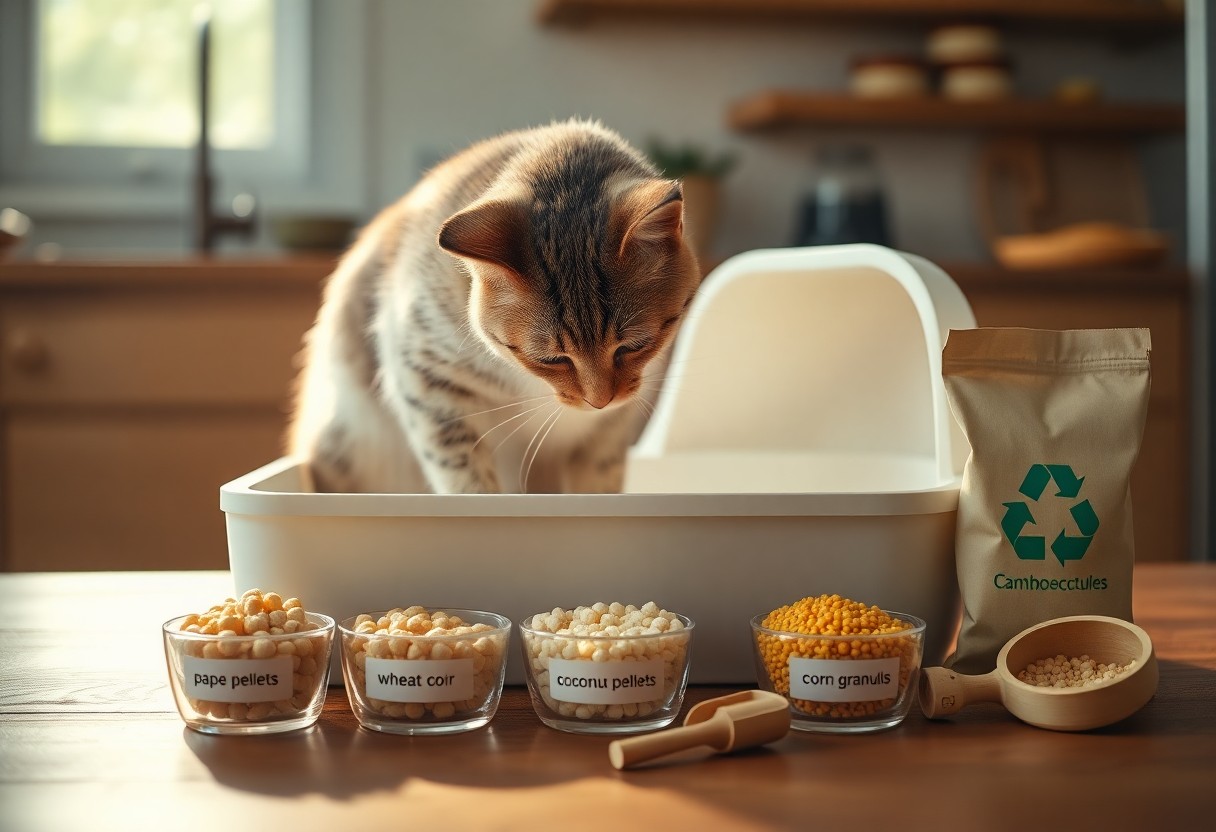
Begin mixing your cat’s new litter with the old over 7-14 days, increasing the ratio slowly while you monitor for stress, box avoidance, or accidents, and keep boxes clean and accessible to encourage smooth acceptance.
Implementing a Step-by-Step Gradual Mixing Process
Mixing Steps
| Days | Action |
|---|---|
| 1-3 | Add 10% new litter; keep old box accessible. |
| 4-6 | Increase to 25% new; observe comfort and digging. |
| 7-10 | Raise to 50% new; slow down if you see avoidance. |
| 11-14 | Move to 100% new; continue monitoring use. |
Mix small amounts, increasing the new litter by roughly 10-25% every few days; keep an unchanged litter box available and revert if you notice refusal or accidents.
Monitoring Behavioral Acceptance and Litter Box Habits
Observe your cat’s box frequency, posture, and elimination location; note any straining, blood, or complete avoidance and consult a veterinarian immediately if these appear.
Track patterns daily, logging visits, stool firmness, and digging time; a sudden drop in usage, visible straining, or blood in urine or stool demands prompt veterinary attention. Adjust the mixing pace if your cat shows anxiety and always provide a familiar box as a fallback. Successful transitions show rising normal use, reduced stress, and a lower environmental impact.
Expert Tips for Sustainable Pet Waste Management
You should choose eco-friendly litter, scoop daily, and store waste in sealed bins to limit odors and pests. Knowing that proper sorting and disposal reduces pathogen risks and your pet’s carbon pawprint.
- Choose eco-friendly litter (plant-based, compostable)
- Scoop daily to reduce pathogen spread
- Store waste in sealed containers
- Use municipal pickup or licensed pet-waste services
Composting and Biodegradable Disposal
Consider using dedicated pet-waste composters or certified services, because household composting can concentrate pathogens; you should follow local rules for biodegradable litter disposal.
Preventing Water Contamination and Pathogen Spread
Avoid flushing litter or letting runoff reach storm drains, since water contamination spreads pathogens; you must bag waste securely and use certified disposal to protect waterways.
Protect waterways by double-bagging cat waste, storing it in sealed containers, and using municipal or licensed pet-waste services rather than backyard composting. Toxoplasma gondii from cat feces can harm marine life and contaminate shellfish, so you should never compost cat waste for food gardens and should report spills to local authorities.
Final Words
Conclusively, you can reduce your cat’s carbon pawprint by choosing biodegradable or plant-based litters, composting safe waste, reducing single-use packaging, and selecting low-dust options; these changes lower emissions, protect environments, and keep pets healthy while fitting into everyday care.
FAQ
Q: What are the five eco-friendly litter alternatives and how do they reduce my cat’s carbon pawprint?
A: Recycled paper pellets: made from post-consumer paper, low weight reduces transport emissions, low dust and biodegradable for composting or green-waste programs where accepted. Pine or other wood pellets: produced from sawmill byproducts, naturally absorbent with minimal processing and lower extraction impacts than clay. Wheat-based litter: clumps naturally using plant starches, compostable, and sourced from annual crops rather than mined materials. Corn-based litter: biodegradable and often lower in manufacturing energy than clay; check for non-GMO or sustainably sourced options if that matters. Coconut coir and grass-based litters: derived from renewable agricultural waste, highly absorbent and compostable. Switching away from clay and peat cut down on strip-mining and bog extraction, two major sources of greenhouse-gas emissions associated with conventional litters.
Q: How should I transition my cat to an eco-friendly litter without causing stress or litter-box avoidance?
A: Start by offering a second litter box filled with the new eco-friendly product while keeping the original box unchanged so your cat has a familiar option. Mix the new litter into the old box gradually over 7-14 days, increasing the ratio of new to old by a small amount every few days. Match the litter depth and box location to what your cat already prefers, and maintain regular scooping to keep the area clean. Try a few textures or brands if the first choice is rejected; some cats prefer pellets while others like finer plant-based granules. Provide an extra box for multi-cat households and monitor toileting habits closely; consult a veterinarian if your cat starts avoiding the box or shows signs of stress.
Q: Are eco-friendly litters safe for my cat and what is the best way to dispose of used litter to maximize environmental benefit?
A: Most plant- and wood-based litters are safe for adult cats, produce less dust than clay and reduce airborne particulates; inspect ingredient lists for additives and avoid litters with strong perfumes if your cat has sensitivities. Avoid clumping litters for very young kittens that may ingest litter, and seek veterinary advice for cats with respiratory or gastrointestinal issues. Composting cat feces at home is not recommended for food gardens because of pathogens; use a dedicated pet-composter that reaches high temperatures or place soiled litter in municipal green-waste or yard-waste programs when permitted. Do not flush litter unless the product specifically states it is flushable and local sewage regulations allow it. If municipal composting or pet-composting options are unavailable, seal used biodegradable litter in compostable or paper-lined bags for trash to limit plastic contamination and methane from landfill leachate.