Just you should avoid noisy pumps and bacteria-prone filters, since they scare cats and cause illness; choose a fountain with a steady, gentle stream and easy cleaning to boost hydration.
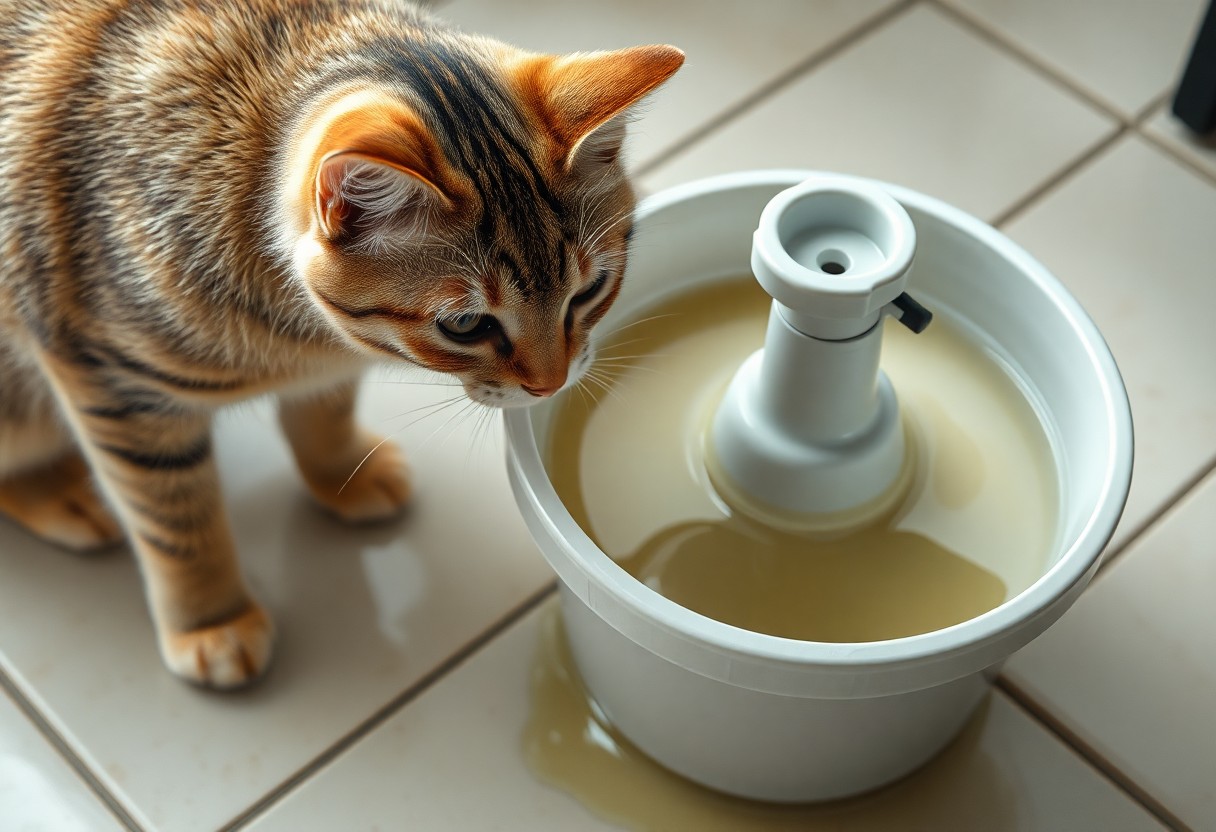
The Feline Instinct for Moving Water
Your cat has an instinctive preference for moving water, so fountains should mimic fresh streams; if they don’t, your cat may avoid them. Choose designs that offer clear, flowing water and easy cleaning to prevent stagnation and bacteria buildup.
Evolutionary preference for running sources
Ancestors of your cat selected running water for safety; you should pick fountains with gentle visible flow to match that instinct and encourage drinking, since stagnant bowls often repel them.
Sensory triggers of freshness and safety
Senses tell your cat if water is safe; you should keep filters clean and change water often so the scent and clarity stay inviting. Dirty filters can emit odors that make your cat avoid the fountain.
Cleaning routines and filter choices directly affect how appealing water smells and tastes to your cat; you should rinse bowls daily, replace charcoal filters per manufacturer recommendations, and scrub algae-prone parts. Failing to maintain the fountain raises bacterial risk, which can cause long-term aversion or illness.
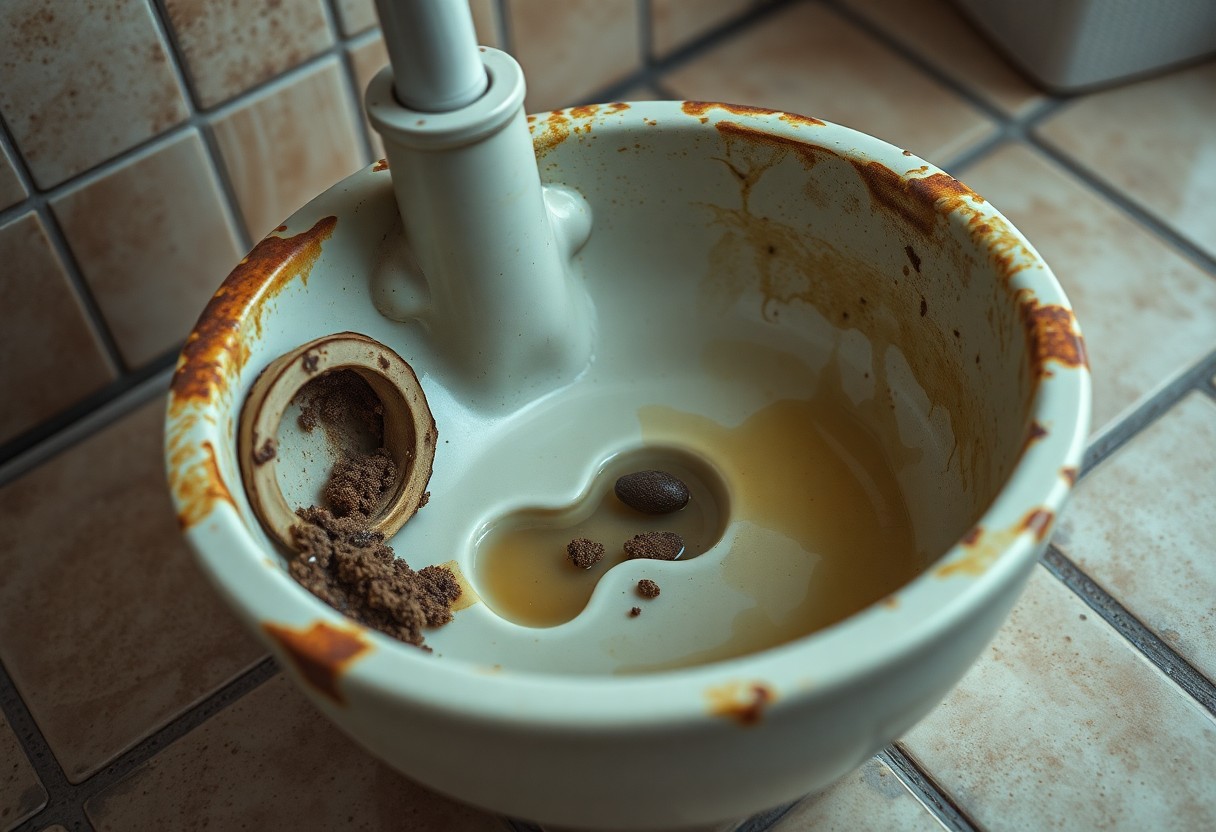
Design Flaw 1: Porous Materials and Biofilm Risks
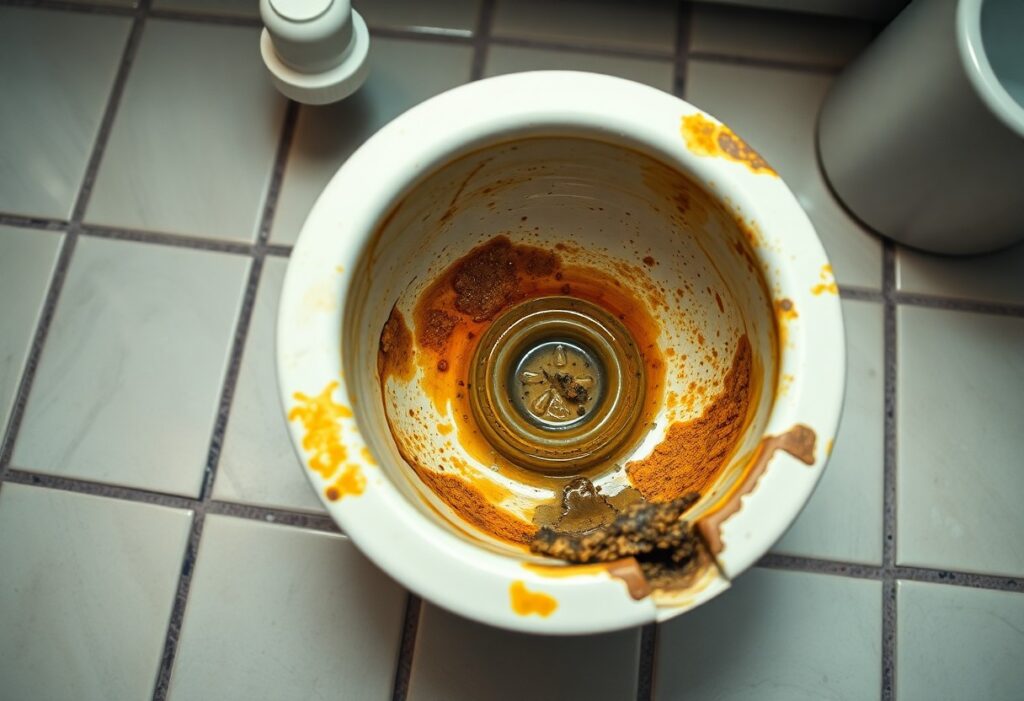
Porous surfaces trap food and water, letting biofilm form quickly; you then expose your cat to bacteria and odors that repel them and increase illness risk.
The hygiene hazards of low-grade plastics
Plastic scratches easily, harboring biofilm and chemical residues; you face harder cleaning, lingering smells, and increased infection risk for your cat.
Advantages of non-porous stainless steel and ceramic
Stainless steel and ceramic resist scratches and won’t host biofilm; you can sanitize them easily, giving your cat cleaner-tasting, safer water.
Ceramic keeps water cool and is often dishwasher-safe, while food-grade stainless is non-reactive, reducing taste changes; both minimize bacterial niches so you spend less time scrubbing.
Design Flaw 3: Poor Ergonomics and Whisker Fatigue
Whisker contact with deep, narrow fountain bowls causes whisker fatigue, making your cat avoid drinking, bat at water, or tip the fountain. You should choose designs that keep whiskers free and minimize stress to encourage hydration.
The importance of wide, shallow drinking surfaces
Wide, shallow drinking surfaces let your cat sip without whisker contact; this reduces anxiety and promotes consistent hydration. Pick bowls at least 3-4 inches across with low sides to prevent whisker overload.
Optimal fountain height for feline spinal alignment
Raised fountains that position the water just below your cat’s shoulder help maintain a neutral spine and reduce neck strain. Aim for a height that lets your cat drink with a straight back; avoid low bowls that force bending.
Position the fountain on a stable surface and measure your cat standing to match shoulder height; older or arthritic cats often need slightly higher bowls to cut reaching. Watch posture-if your cat extends its neck or crouches, adjust height promptly since chronic spinal strain from poor angles can discourage drinking and worsen mobility.
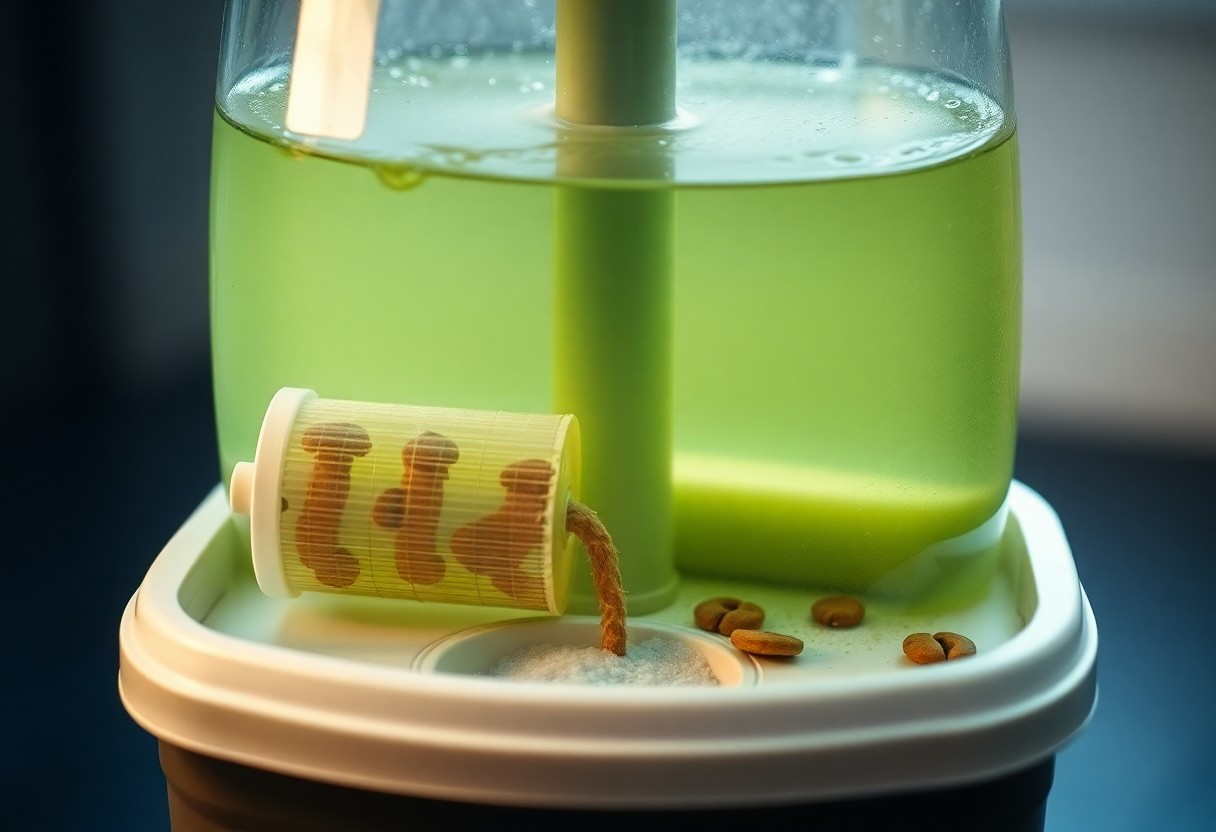
Inadequate Filtration and Water Stagnation
Clogged filters let debris and biofilm accumulate, promoting bacterial growth and algae that alter taste and smell, so your cat will avoid fountains with stagnant or foul-smelling water.
Limitations of single-stage foam filters
Foam pads trap hair and large particles but fail to remove dissolved organics and odors, leaving odor-causing compounds and tastes that make your cat reject the fountain.
Maintaining oxygenated, chemical-free water
You should keep a steady flow and swap filters regularly to maintain oxygenated, chemical-free water that cats prefer; flat, treated water often deters them.
Aeration improves palatability: you should aim for continuous circulation, clean the pump and basin weekly, and perform daily water changes or at least every 48 hours if flow is low. Replace chemical-adsorbing cartridges like activated carbon monthly, rinse foam filters every 1-2 weeks, and avoid scented cleaners or additives that leave residues. If your tap water contains chlorine, run the fountain or use carbon filtration to remove it; keeping water cold and moving maintains oxygenation and prevents the bacterial growth that repels cats.
Strategies for Successful Fountain Integration
Use gradual introductions, predictable routines, and unobstructed access to help your cat accept a fountain; pairing short supervised sessions with tasty incentives can yield increased hydration and calmer behavior.
Establishing a rigorous deep-cleaning protocol
Maintain a weekly deep-clean to remove slime and scale; scrub filters and hidden crevices to prevent bacterial buildup and mold that can sicken your cat.
Strategic placement to mirror natural hunting cycles
Place the fountain near perches and staggered feeding spots so your cat can approach from varying angles, mimicking hunting rhythms and encouraging cautious exploration.
Position the fountain at eye level or slightly below common perches so your cat can watch surroundings while approaching, which mirrors stalking behavior. Keep it at least several feet from the litter box and noisy appliances to avoid associating water with disturbance or contamination; litter proximity raises aversion, while isolated placement encourages consistent drinking. Rotate locations between rooms over days to observe preferences and minimize stress.
Final Words
Drawing together, you can stop your cat rejecting its fountain by fixing three common design flaws: noisy pumps, unstable shallow bowls, and hard-to-clean parts; improving flow, splash control, and hygiene makes drinking appealing and keeps your cat hydrated and calm.
FAQ
Q: Why does my cat avoid the fountain?
A: Pump noise and low-frequency vibration can alarm sensitive cats. Small motors produce a hum or rattle that humans ignore but cats don’t. Strong splashing or a high, fast stream creates unpredictable movement that many cats find threatening; reduce flow or choose a model with adjustable output. Location next to a noisy appliance or on a thin surface that amplifies vibration will increase avoidance; move the fountain to a quiet, stable area and place a rubber mat underneath to dampen vibration. Some cats prefer multiple water sources, so add a shallow bowl nearby to encourage drinking while they acclimate.
Q: Could the fountain material or upkeep be the problem?
A: Plastic parts hold odors and develop biofilm that changes taste and smell, making water unappealing. Cheap plastic can also leach manufacturing residues; rinse new fountains thoroughly before use. Metal or ceramic models resist odor buildup and are easier to clean. Filters that trap hair and debris need regular replacement and rinsing; a clogged filter reduces flow and creates standing water. Clean the fountain at least weekly, inspect the pump and tubing for slime, and rotate filters per the manufacturer’s guidance to keep water fresh.
Q: What design details should I avoid when buying a fountain?
A: Tall, narrow spouts force cats to adopt an awkward drinking posture; pick a low-profile, wide basin that mimics a natural shallow water source. Complex assemblies with small crevices trap hair and grime and make regular cleaning difficult. Lightweight or wobbly bases tip and spill, scaring cats away; choose a stable, weighted model. Overly aggressive filtration that restricts flow or screens out surface movement can signal “unsafe” water to a cat; select adjustable-flow designs and test the stream quietly before introducing it permanently.