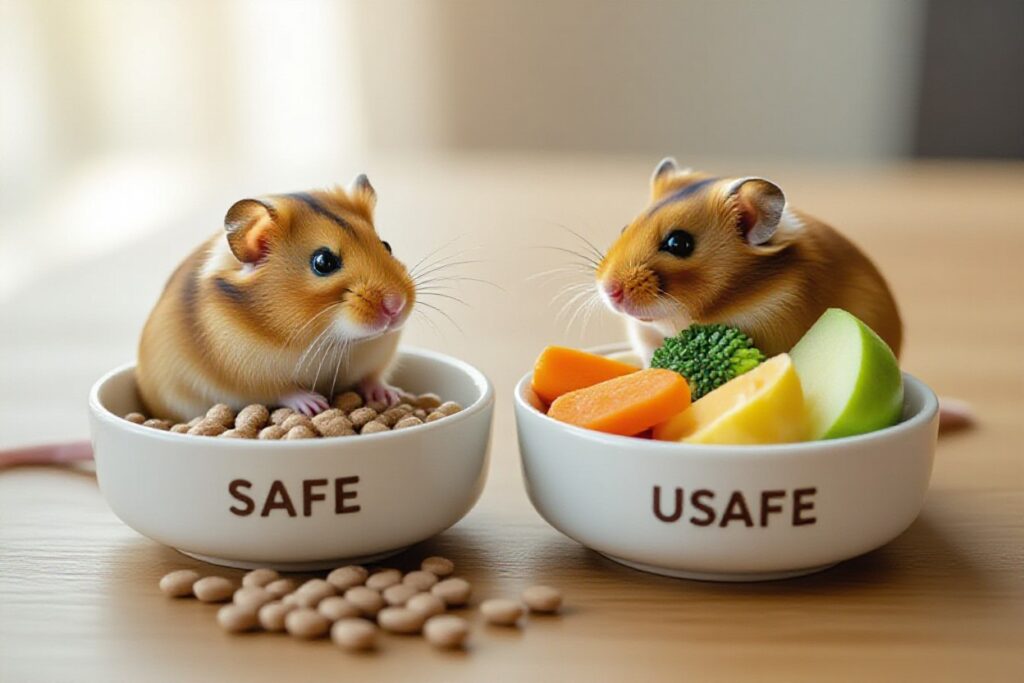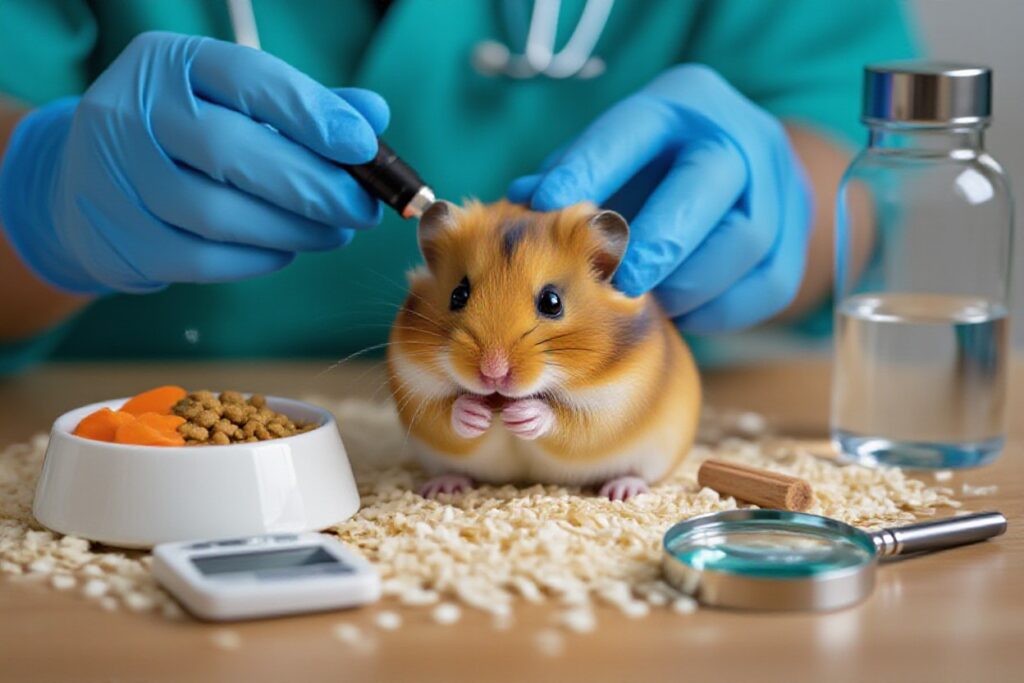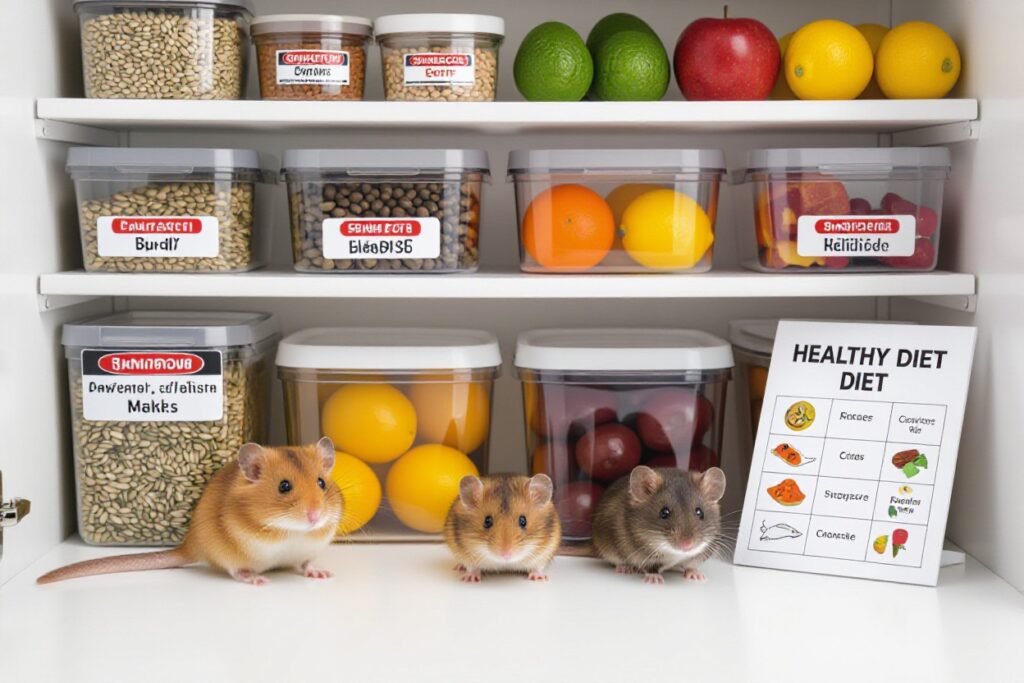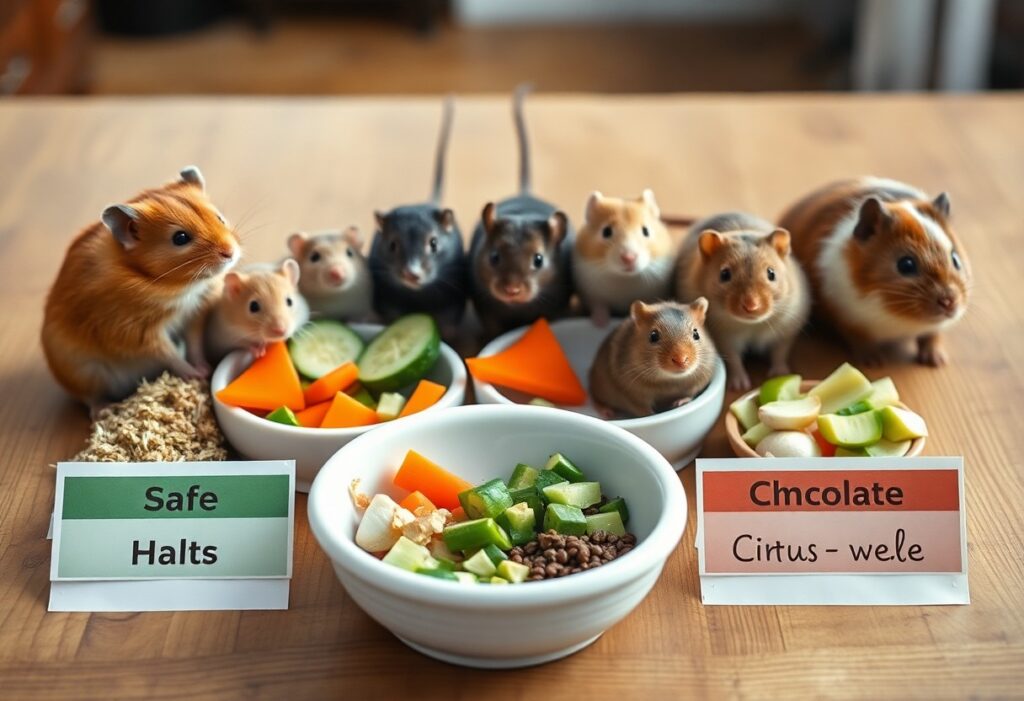
Feeding your hamster, gerbil, or mouse the right mix of foods keeps them lively and healthy, while one wrong snack could lead to serious harm. You might be surprised to learn that some common human foods are toxic to small rodents, while others-like fresh greens and quality pellets-are necessary for daily well-being. Let’s break down exactly what your tiny companion needs to thrive.
The Dry Grass
Hay forms the foundation of your small pet’s daily diet, making up about 70 percent of their intake. Without enough fiber, digestive issues can arise quickly. Timothy hay and orchard grass are two top choices that support healthy teeth and gut function.
Timothy Hay
Timothy hay is ideal for adult guinea pigs, rabbits, and chinchillas. Its high fiber and low protein content help maintain steady digestion and wear down continuously growing teeth. Offer a bundle daily, roughly the size of your pet’s body, to encourage constant grazing.
Orchard Grass
Orchard grass is softer in texture and slightly sweeter in taste than Timothy hay, making it a favorite among picky eaters. It provides comparable fiber levels and supports healthy cecotrope production in rabbits. Many pet owners mix it with other hays for variety.
Orchard grass grows in warm-season climates and is typically harvested in mid to late summer. Because it’s less likely to cause allergies than timothy, it’s a strong alternative for sensitive animals. Always choose clean, dust-free bales to protect your pet’s respiratory health and store it in a dry, ventilated space to prevent mold.
The Hard Ration
Commercial pellets form the foundation of most small rodent diets, offering balanced nutrition in a convenient form. These formulated rations are designed to prevent selective eating, ensuring your pet gets all necessary vitamins and minerals. Always choose plain, species-specific pellets without added seeds or colored bits, which can lead to unhealthy preferences and nutritional gaps over time.
Pellet Nutrition
Pellets are engineered to deliver complete daily nutrition in every bite. High-quality options contain stabilized vitamin C, which many rodents can’t produce on their own, along with proper calcium-to-phosphorus ratios to support strong teeth and bones. Avoid muesli-style mixes, as pets often pick out sugary pieces and leave the nutritious base.
Daily Weight
A typical adult hamster needs about 10-12 grams of pellets per day, while a guinea pig may require 30-40 grams. Feeding too much leads to obesity, especially when combined with treats and limited activity. Measure portions daily instead of free-feeding to maintain a healthy weight.
Monitoring your pet’s intake by weight helps catch changes early, such as reduced appetite signaling illness. A sudden drop in pellet consumption, for example, often precedes visible symptoms. Using a small kitchen scale takes seconds and provides a clear picture of their health trends over time. Consistency in measured feeding supports both physical and metabolic wellness.
The Fresh Kill
Feeding fresh plant matter daily gives your small pet vital moisture and nutrients that dry food alone can’t provide. Offering a small handful of safe produce each day supports digestion and mimics natural foraging habits, keeping your rodent both physically and mentally healthy.
Leafy Greens
Dark leafy greens like romaine, cilantro, and dandelion leaves are excellent daily choices. These greens offer hydration and fiber, plus vitamin A and calcium in balanced amounts, helping maintain strong teeth and digestion without overloading your pet’s system.
Poison Plants
Some common garden plants are dangerously toxic to rodents, including tulips, ivy, and foxglove. Even small nibbles can lead to serious illness, so always verify a plant’s safety before letting your pet near it.
For example, a well-meaning owner once offered their guinea pig leaves from a rhubarb plant, not knowing the leaves contain oxalates that can cause kidney failure. Always research or consult a vet before introducing new greens, especially those grown outdoors or near treated lawns.
The Sweet Treat
Offering small pets a bit of sweetness can brighten their day, but only in strict moderation. While rodents enjoy natural sugars found in certain fruits, too much leads to obesity and dental issues. Stick to safe, low-sugar options and avoid processed sweets entirely-your pet’s health depends on it.
Berries
Berries like blueberries, raspberries, and strawberries make excellent occasional treats. They’re rich in antioxidants and水分, offering a nutritious reward. Limit portions to one or two small pieces weekly, as even natural sugar can be harmful in excess. Never feed canned or sugared varieties, which contain harmful additives.
Sugar Limits
A single teaspoon of fruit per week is plenty for a hamster or dwarf rabbit. Exceeding this risks insulin spikes and tooth decay, especially in species prone to diabetes. Processed sugars are never safe-no candy, syrup, or sweetened yogurt drops, even as a rare treat.
Even naturally sweet foods must be weighed carefully against your pet’s daily calorie needs. A mid-sized SaaS firm wouldn’t overspend its budget on one department, and neither should you over-allocate treats. For instance, a gerbil’s entire daily treat allowance could be exceeded by half a banana slice. Consistency in portion control prevents long-term health decline.
The Cold Drink
Water is the only safe liquid your small rodent should drink every day. Unlike some pets, mice, hamsters, and gerbils don’t need anything fancy-just clean, fresh water available at all times. Never offer sugary drinks, milk, or juice, as these can cause serious digestive issues or obesity over time.
Glass Bottles
Glass water bottles with metal spouts often work better than plastic ones because they resist chewing and don’t leach chemicals. Your pet can’t gnaw through glass, which helps prevent leaks and contamination. Just make sure to clean the bottle thoroughly every few days to avoid bacterial buildup.
Daily Water
Your rodent needs constant access to water, especially if eating dry food like pellets or seeds. Even a slight delay in hydration can impact their health quickly, since their small bodies process fluids rapidly. Check the water level at least once a day to ensure the tube isn’t clogged or empty.
A mid-sized SaaS firm might track server uptime daily, but you should monitor your hamster’s water intake just as closely. A sudden drop in drinking could signal illness, such as diabetes or kidney trouble, especially in older animals. If the water bottle is full but untouched after 24 hours, it’s time to observe for other symptoms and possibly consult a vet.
The Bad Foods
Some everyday human foods can be dangerous or even fatal for your small pets, so it’s necessary to know what to keep out of their reach. Even small amounts of certain items can lead to serious health issues, so always double-check before offering anything new.
Avocado
Avocado contains persin, a toxin that can cause breathing problems and heart damage in rodents. Even a tiny piece of the flesh or exposure to the pit or skin increases risk, so it’s best to keep guacamole and avocado slices well away from your pet’s habitat.
Chocolate
Chocolate is highly toxic to rodents due to theobromine and caffeine, substances they can’t properly metabolize. Just a crumb can lead to restlessness, rapid breathing, or worse, so never share any part of a chocolate bar, cookie, or dessert.
A mid-sized SaaS firm learned this the hard way when an employee fed a pet rat a chocolate chip, resulting in an emergency vet visit. Dark chocolate and baking chocolate carry even higher concentrations of harmful compounds, making them especially unsafe. Always store sweets securely and opt for approved treats instead.
Conclusion
You’ve got what it takes to keep your little friend happy and healthy with the right mix of foods they can and can’t eat every day. From timothy hay for digestion to fresh veggies in small amounts, and avoiding sugary or toxic treats, your pet’s diet doesn’t need to be complicated. A well-balanced bowl, clean water, and your attention make all the difference in their long, lively life by your side.
FAQ
Q: Can I feed my hamster the same food I give my guinea pig?
A: No, hamsters and guinea pigs have very different dietary needs, and feeding them the same food can lead to health problems. Guinea pigs require a constant source of vitamin C in their diet because their bodies don’t produce it naturally, so their pellets are fortified accordingly. Hamsters don’t need added vitamin C, and excessive amounts over time may contribute to digestive upset or kidney strain. Also, guinea pig pellets are often larger and harder, which can be difficult for a hamster to chew properly. A mid-sized SaaS firm wouldn’t use the same software stack as a graphic design studio, and similarly, each rodent species thrives on a diet tailored to its biology.
Q: How much fresh food should I give my rat each day?
A: A healthy daily portion of fresh food for an adult rat is about one to two tablespoons, including vegetables, fruits, and occasional protein sources like scrambled egg or plain cooked chicken. Rats enjoy variety, so rotating items like cucumber, bell pepper, or small bits of apple keeps meals interesting and nutritionally balanced. Always remove uneaten fresh food after 12 to 24 hours to prevent spoilage and bacterial growth in the cage. Overfeeding fresh items, especially sugary fruits, can lead to obesity or digestive issues in less active pets.
Q: Is it safe to offer my gerbil a seed mix as their main food?
A: Seed mixes can be part of a gerbil’s diet but shouldn’t be the sole food source due to the risk of selective eating. Gerbils often pick out sunflower seeds and peanuts, which are high in fat, and leave behind the more nutritious grains and pellets. This behavior leads to an unbalanced intake and can result in weight gain or nutrient deficiencies over time. A better approach is to offer a complete pelleted diet as the base, supplemented with a small amount of seeds a few times a week as enrichment. One rescue center observed that over 60% of surrendered gerbils had dental or weight issues linked to poor diet, often stemming from seed-heavy feeding routines.