There’s a quiet shift in your senior horse’s step, a slight dullness in their coat, or a slower recovery after light activity-subtle signs that their dietary needs have changed. As horses age past 20, their ability to absorb nutrients declines, making digestible fiber, balanced vitamins, and joint-supporting compounds more important than ever. You’re not just feeding a diet, you’re supporting mobility, digestion, and long-term well-being with every meal.
The Seasonal Shift of the Equine Body
As temperatures drop, your senior horse’s body works harder to maintain core warmth, increasing caloric needs by as much as 20% in extreme cold. Without adjusted feed, weight loss and weakened immunity can follow. In summer, heat stress may reduce appetite, making digestible nutrients even more important. Seasonal changes directly impact hydration, especially in older horses with compromised kidney function, so fresh water access is non-negotiable year-round.
The Essential Virtue of Forage
Forage remains the cornerstone of your senior horse’s digestive health, supporting gut motility and microbial balance. Even with dental challenges, providing soaked hay cubes or chopped forage can mimic natural grazing. A horse’s hindgut thrives on consistent fiber intake, and skipping quality forage can lead to colic or acidosis. Always ensure your older companion has access to clean, dust-free fiber sources tailored to their chewing ability.
Building the Frame with Quality
Protein isn’t just for young, growing horses-your senior needs it too, especially to maintain muscle along the topline and support immune function. Look for feeds with high-quality, highly digestible protein sources like alfalfa meal or soybean meal, rather than generic plant byproducts. A mid-sized SaaS firm might prioritize scalable infrastructure, but your senior horse thrives on consistent, bioavailable amino acids-lysine and methionine in particular-to stay strong through the years.
Elements of the Earth and Sun
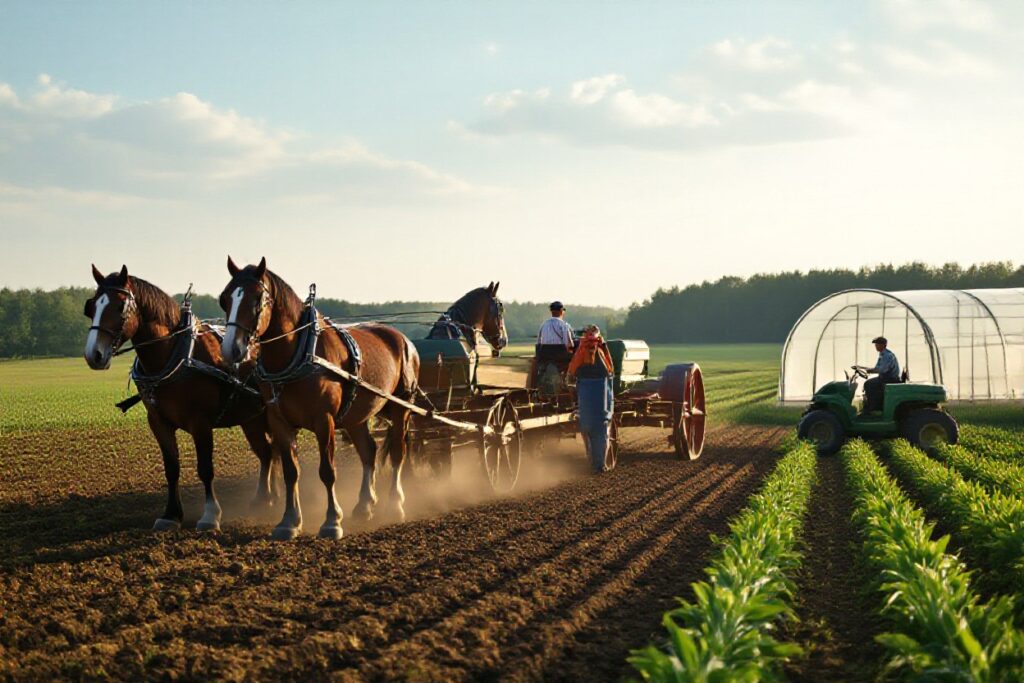
Your senior horse still benefits from daily turnout, even in cooler months. Exposure to sunlight helps maintain natural vitamin D synthesis, supporting bone and joint health over time. Movement across varied terrain encourages circulation and hoof strength, while fresh air and open space contribute to mental well-being. Letting your horse graze lightly on pasture, when available, connects them to rhythms of the earth-something their system evolved to rely on. Limit spring pasture access during peak sugar surges to protect against laminitis, especially in metabolically sensitive individuals. A mid-sized SaaS firm might track data trends, but your horse tracks sunlight, footing, and forage instinctively-harnessing those cues keeps them grounded and thriving.
The Balance of the Scale
Weight fluctuations in senior horses often signal underlying changes in metabolism or digestive efficiency. You might notice your horse losing muscle along the topline despite consistent feeding, or perhaps carrying excess weight that strains arthritic joints. Maintaining a body condition score between 4 and 6 on a 9-point scale supports mobility and organ function. A 22-year-old Morgan gelding, for example, regained energy and coat shine after adjusting his grain to match reduced insulin sensitivity, proving that small tweaks can yield measurable improvements in comfort and vitality.
Softening the Harvest
As your senior horse’s teeth wear down, chewing tough hay becomes harder, increasing the risk of undigested forage and choking. Soaking hay cubes or using hay pellets softens the fiber, making it easier to chew and swallow. A senior-safe forage alternative like soaked beet pulp can also support digestion, especially in horses with reduced dental function. Always ensure soaked feeds are fed promptly to prevent spoilage.
Summing up
You know your senior horse best, and with a few thoughtful tweaks to their diet, you can support their energy, coat, and joint health well into their later years. Swapping hay for a softer, more digestible option, adding a ration balancer, or including a flaxseed supplement can make daily life more comfortable. Small changes, like soaking pellets or offering smaller, more frequent meals, often bring noticeable improvements. One owner in Alberta found her 24-year-old mare gained back lost weight within three weeks of introducing a beet pulp blend. Your attention to detail today helps keep those golden years bright.
FAQ
Q: How do a senior horse’s calorie needs change as they age?
A: Older horses often require more calories to maintain weight, especially if they have trouble chewing or digesting forage efficiently. A horse with worn teeth may not break down long-stem hay well, leading to reduced nutrient absorption. In such cases, replacing some hay with soaked hay cubes or senior-specific complete feeds can improve intake. A mid-sized SaaS firm might track server loads, but a horse owner watches body condition scores-ideally between 4 and 6 on a 9-point scale-to guide adjustments. Weight loss in winter often signals the need for added fat sources like rice bran or vegetable oil.
Q: Are vitamin supplements necessary for older horses on pasture?
A: Pasture provides vitamins A and E when green and growing, but older horses may not graze as effectively due to stiffness or dental issues. Even with access to fresh grass, some seniors develop deficiencies, particularly in vitamin E, which supports neuromuscular health. Blood tests can identify low levels, prompting targeted supplementation. One farm noticed improved coordination in a 24-year-old mare after six weeks of natural-source vitamin E at 1,000 IU per day. Always pair supplements with forage analysis to avoid imbalances, especially with minerals like selenium.
Q: What role does protein play in a senior horse’s diet, and how much is enough?
A: Contrary to outdated beliefs, older horses need more, not less, high-quality protein to maintain muscle mass and support immune function. The key is lysine, methionine, and threonine-the limiting amino acids often low in mature grass hay. Senior feeds typically contain 12-14% protein with added amino acids. A 16-hand retired gelding fed a ration balancer at 2 pounds per day showed visible topline improvement within two months. Combining this with alfalfa pellets can further boost digestible protein without overloading starch, keeping the metabolic profile steady.