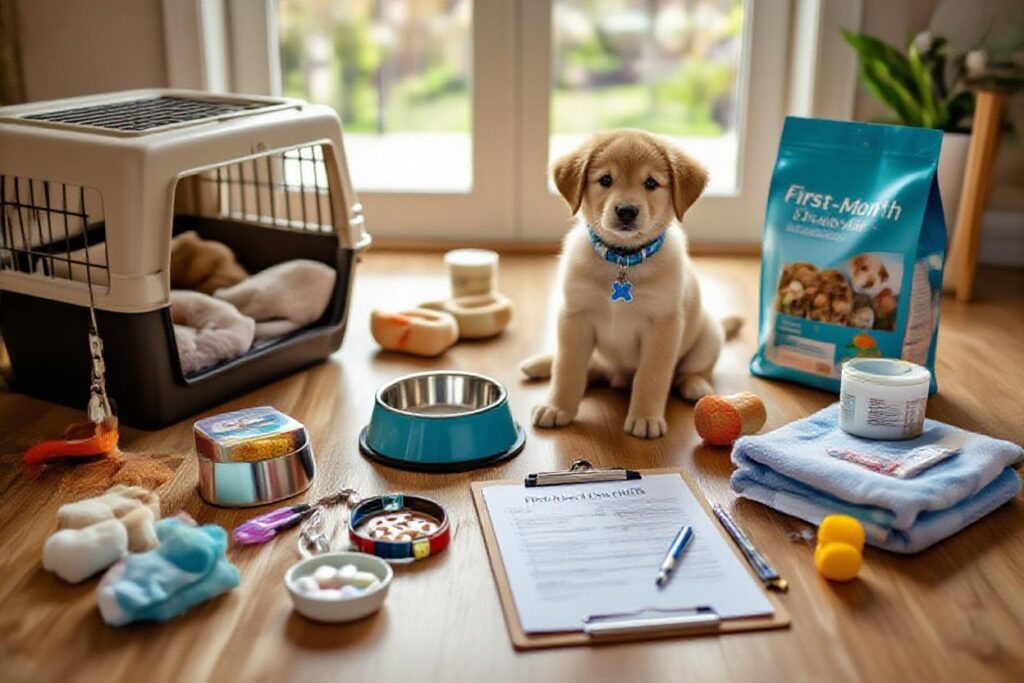
Over 60 million U.S. households include a dog, and if you’ve just joined their ranks, you’re in for joyful chaos and wagging tails. Getting ready shouldn’t mean guesswork. You’ll want the right tools from day one, especially since skipping basics like a secure collar or ID tag can lead to dangerous situations. This list walks you through every vital, so your pup’s first days are safe, smooth, and full of good memories.
The Gear for the Walk
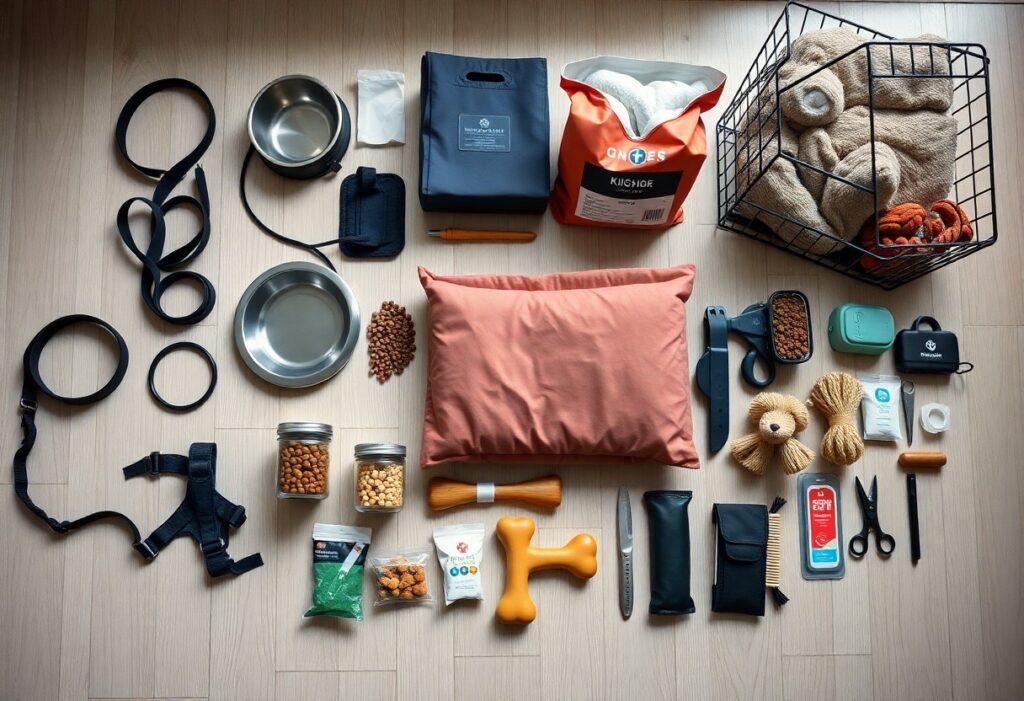
Every walk starts with a sturdy leash and well-fitted collar, both vital for your dog’s safety and your control. Choose a harness if your dog tends to pull, as it reduces strain on their neck and prevents tracheal damage over time. Reflective stitching is a smart detail for evening strolls, making you both more visible to drivers. Keep waste bags in a portable dispenser attached to the leash-cleaning up after your dog isn’t optional, and being prepared makes it easier. A lightweight, adjustable leash between four and six feet gives you flexibility for different environments, from busy sidewalks to open trails. Some owners prefer a hands-free waist leash for jogging or multitasking, but always ensure it allows quick response if your dog darts.
Sustenance and Health
Nutrition and Preventative Care
Your dog’s energy and longevity start with a balanced diet tailored to their breed, age, and activity level. Always choose high-quality dog food with real meat as the first ingredient and avoid fillers like corn or soy. Skipping vaccinations or flea prevention can lead to serious, avoidable illnesses, so keep up with vet-recommended schedules. A mid-sized SaaS firm’s office dog, Luna, developed severe allergies from a poor diet, reminding us that what you feed directly impacts skin, coat, and behavior. Keep fresh water available at all times and monitor appetite changes closely.
The Place of Rest
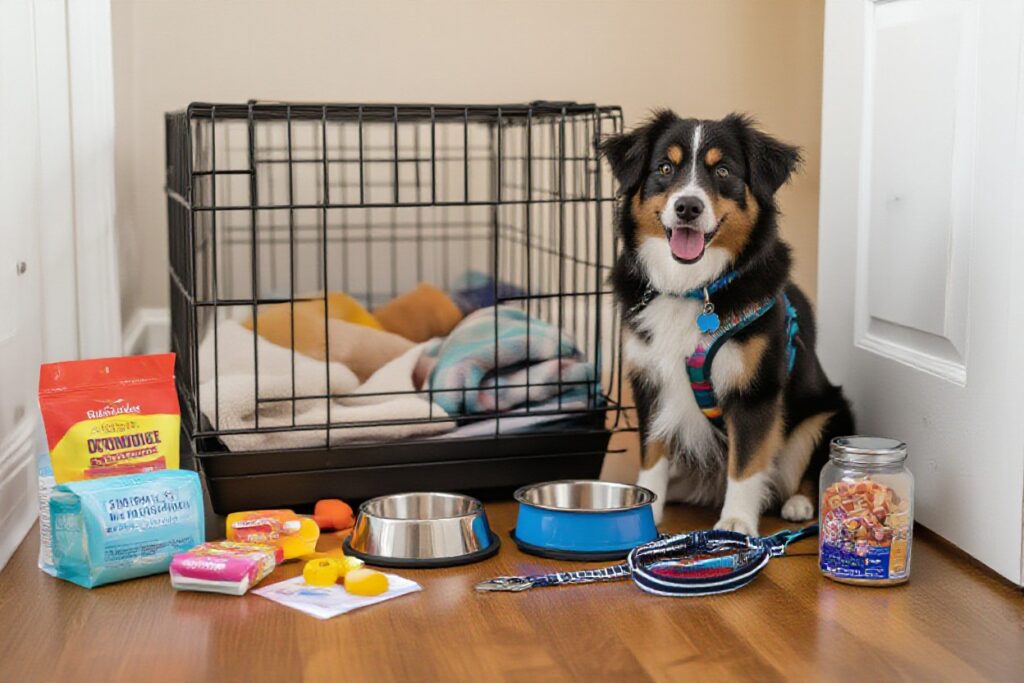
Your dog needs a quiet, consistent spot to sleep and recharge, ideally away from high-traffic areas. Choose a soft bed with supportive cushioning, especially if your dog is a senior or has joint concerns. Never place the bed near drafts or damp floors, as this can worsen stiffness. Some dogs prefer enclosed crates with cozy blankets, creating a den-like sense of security that eases nighttime anxiety.
Tools for Discipline
Your dog learns best through consistency and clear communication, and a well-chosen training clicker can mark good behavior with precision. Pair it with small, soft treats during short sessions to reinforce commands like sit, stay, or leave it. A hands-free treat pouch keeps rewards handy without breaking focus. Avoid tools that cause fear or pain, such as shock or prong collars, since they can damage trust and worsen behavior. Positive methods build confidence, and most dogs respond faster when they associate learning with safety and rewards. One mid-sized SaaS firm employee found her rescue terrier mastered five commands in under two weeks using just a clicker and pea-sized bits of chicken.
The Clean Dog
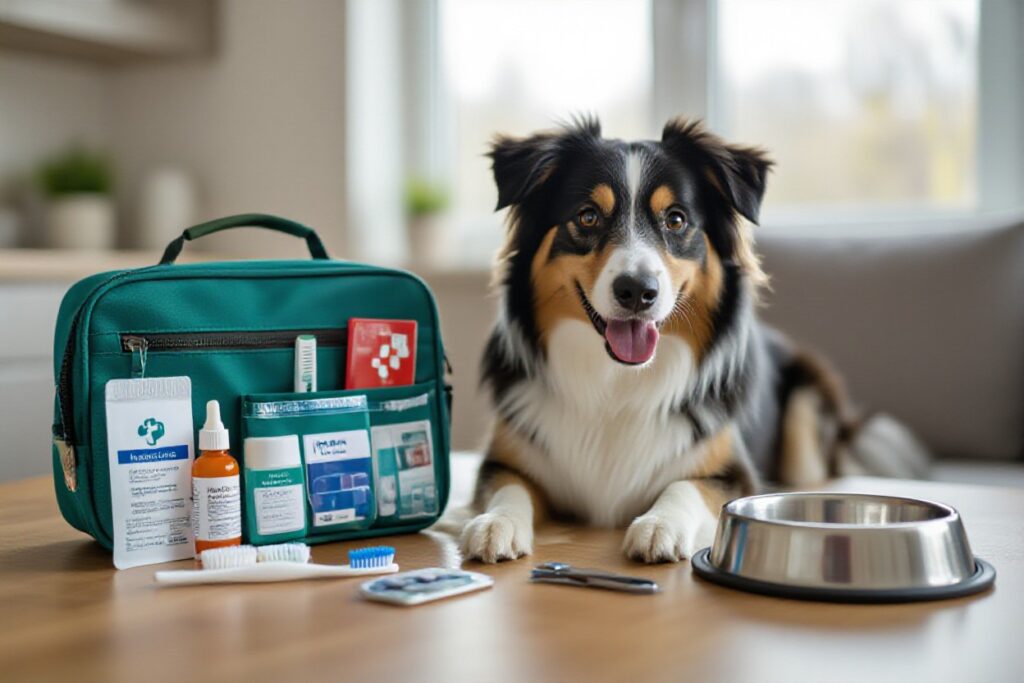
Keeping your dog clean means more than just baths, it includes regular ear checks, nail trims, and dental care. A buildup of bacteria in the mouth can lead to serious health issues over time, so brushing a few times a week makes a real difference. Use a gentle, dog-formulated shampoo to avoid skin irritation, and always dry your pup thoroughly after a bath, especially in colder months. A sanded rubber mat in the tub prevents slipping, making the process safer and less stressful for both of you.
Safety and Records
Keep your dog’s ID tag updated with your current phone number, as lost pets without identification often never make it home. Microchipping offers a permanent backup, especially if your dog slips their collar. Store vaccination records, license info, and emergency contacts in a digital folder you can access quickly. A mid-sized SaaS firm recently reunited with their office dog after a park escape, all because the microchip info was current and scanned within hours.
Conclusion
You’ve got everything you need to start strong with your new dog, from cozy bedding to training tools and safety vitals. A mid-sized SaaS firm might have a detailed onboarding checklist, but your loving attention matters more than any item on a list. Your dog already trusts you-now it’s just about growing together, one walk, meal, and quiet moment at a time.
FAQ
Q: Why does the checklist recommend a harness over a collar for walking?
A: A well-fitted harness reduces strain on a dog’s neck, especially during the early training phase when pulling is common. For example, breeds like Bulldogs or Pomeranians, which are prone to tracheal issues, benefit significantly from even brief use of a front-clip harness. Many new owners switch after noticing their dog coughing on walks, only to realize the collar was the cause. A harness also offers better control in busy environments, such as near traffic or at dog parks, where sudden movements are likely.
Q: How many waste bags should I keep on hand during daily walks?
A: Carrying at least five biodegradable bags per walk is a practical baseline, even if your dog doesn’t eliminate that often. Unexpected situations arise-your dog may mark multiple spots, or you might encounter another dog’s waste and choose to clean it up. A mid-sized SaaS firm employee in Seattle reported keeping a roll in both her work bag and coat pocket after being caught unprepared three times in one week. Compact dispensers that attach to leashes make consistent access easier and reduce the chance of forgetting them.
Q: Is a microchip enough, or should my dog also wear an ID tag?
A: Both are necessary, as they serve different purposes. A microchip provides permanent identification that can’t be lost, but it requires a scanner and a trip to a vet or shelter to read. An ID tag with your phone number allows anyone who finds your dog-like a neighbor or delivery person-to return them immediately. In one documented case, a lost Beagle in Austin was back home within 40 minutes because a jogger saw the tag and called. The chip acted as a backup when the tag’s information was outdated.