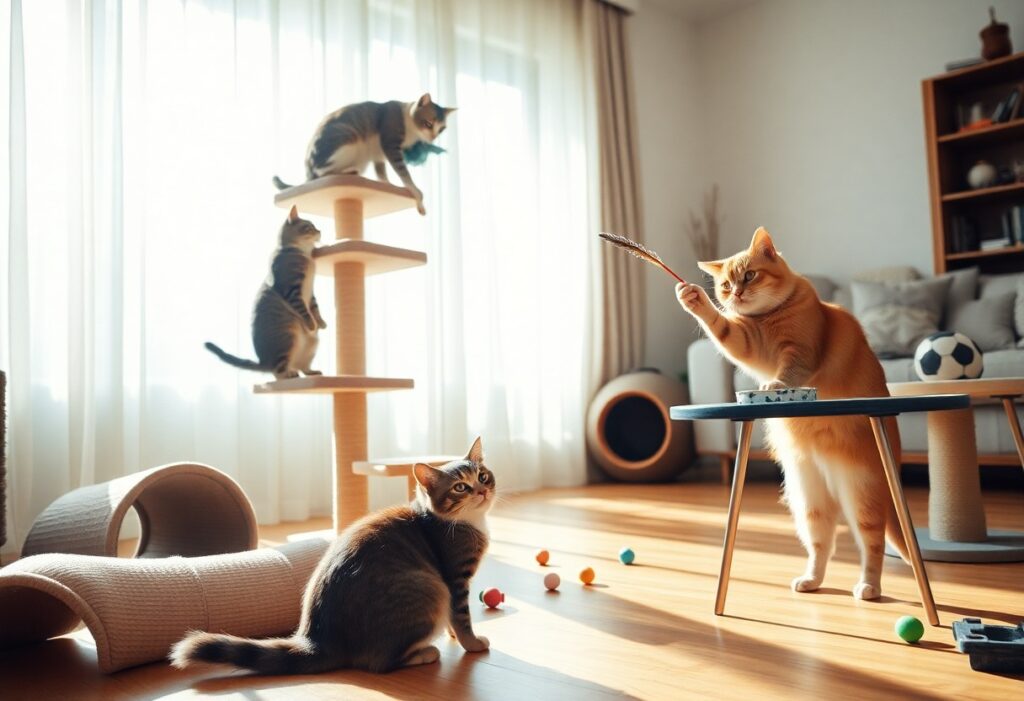
Just because your cat stays indoors doesn’t mean they can’t thrive-boredom leads to destructive behavior and health issues. You can keep your feline happy, healthy, and mentally stimulated with the right activities. This guide shows you proven, vet-approved ways to engage your cat every day, turning your home into an enriching playground.
Primary Types of Indoor Cat Activities
Indoor cats thrive when their natural instincts are engaged through structured play, exercise, and mental stimulation. A balanced routine includes physical challenges, problem-solving games, and sensory enrichment. Thou can prevent boredom-related behaviors by incorporating variety and consistency in daily interactions.
| Physical Exercise | Interactive toys, climbing, chasing |
| Predatory Play | Feather wands, toy mice, pounce simulations |
| Mental Stimulation | Puzzle feeders, treat mazes, hide-and-seek |
| Sensory Enrichment | Window perches, cat-safe plants, sound variety |
| Social Interaction | Human bonding, supervised pet play, training |
Physical exercise and predatory play
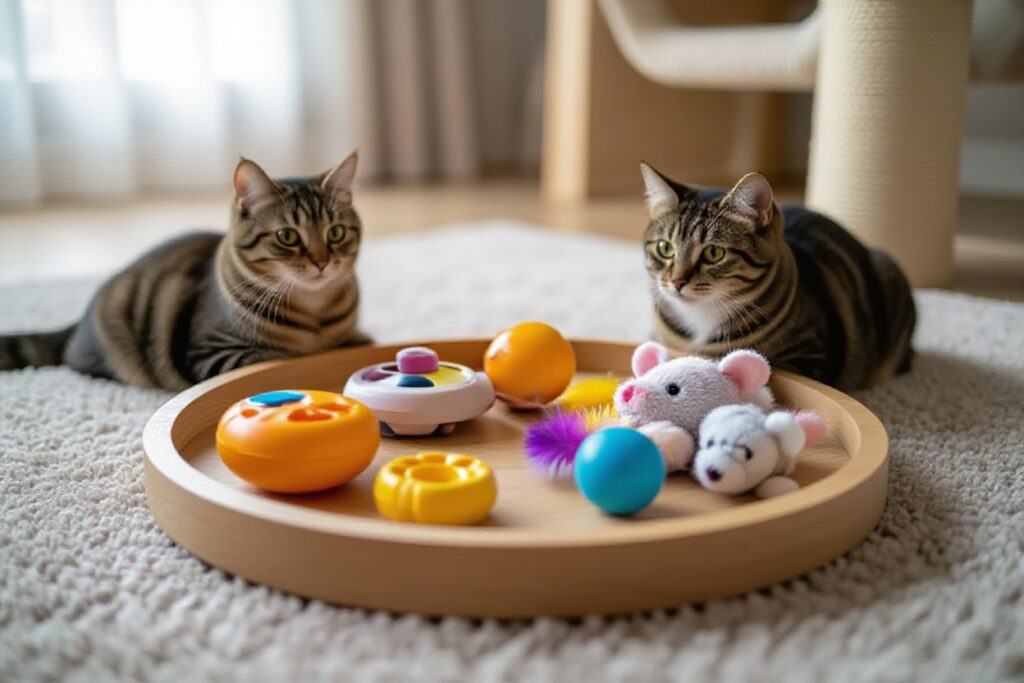
Energy builds quickly in indoor cats without outlets. Engage their hunting drive with daily chase sessions using wand toys that mimic birds or rodents. These activities support muscle health and reduce destructive scratching. Thou strengthens your bond while meeting their instinctual needs.
Mental stimulation and cognitive challenges
Boredom leads to stress and unwanted behaviors like overgrooming or aggression. Challenge your cat’s mind with puzzle feeders and rotating toy setups that require problem-solving. Novelty keeps their focus sharp. Thou encourages confidence and emotional balance through consistent mental engagement.
Cognitive challenges don’t need to be complex to be effective. Simple changes-like hiding treats under cups or using a cardboard box with multiple entry points-activate your cat’s natural curiosity. Rotate puzzles weekly to maintain interest and prevent habituation. Interactive games that reward exploration reinforce learning and reduce anxiety. Thou gives your cat a sense of control in a controlled environment, which is key to long-term well-being.
Critical Factors for Selecting Appropriate Activities
Choosing the right activities for your indoor cat depends on several key factors that directly impact their well-being. Consider your cat’s age, physical health, temperament, and natural hunting preferences. Each influences how they engage with toys and environments. Perceiving these elements helps you create a stimulating, safe space tailored to your cat’s needs.
- Your cat’s age determines energy levels and mobility
- Physical health affects what activities are safe and enjoyable
- Temperament shapes whether your cat prefers solo or interactive play
- Hunting preferences reveal which toys mimic natural behaviors most effectively
Age and physical health considerations
Your cat’s life stage shapes what activities are safe and enjoyable. Kittens need frequent, high-energy play to burn off energy, while seniors may prefer gentle movements due to joint pain or reduced vision. Always match toys and challenges to their current physical ability. Perceiving subtle signs of discomfort ensures playtime stays positive and safe.
Temperament and hunting preferences
Your cat’s personality determines how they interact with toys and challenges. Some cats stalk and pounce with intensity, while others observe and bat gently. Confident hunters enjoy chase toys, whereas shy or cautious cats may prefer hidden puzzles. Perceiving these tendencies helps you choose activities that spark real engagement without causing stress.
Cats express their natural instincts in unique ways, and understanding your cat’s individual style deepens your bond. Watch how they react to feather wands, crinkly balls, or motion-activated toys. Does your cat leap at fast movement or patiently tap a slow-moving object? These behaviors reveal whether they’re a chaser, pouncer, or ambusher. Matching toys to these preferences increases mental stimulation and reduces destructive habits.
Step-by-Step Guide to DIY Enrichment
Transform everyday items into engaging cat experiences with simple, safe materials you already have at home. The table below breaks down key steps and materials to ensure your efforts lead to real mental stimulation and avoid common hazards like small, swallowable parts.
| Step | Action & Safety Tips |
| 1. Choose a base | Use cardboard boxes, PVC pipes, or fabric tunnels; avoid toxic glues or sharp edges |
| 2. Add sensory elements | Insert crinkly paper, catnip, or sisal strips; ensure nothing can be easily chewed off |
| 3. Test stability | Secure structures to prevent collapse; never leave your cat unattended during first use |
| 4. Rotate weekly | Prevent habituation by switching elements; this maintains long-term interest |
Building a safe indoor agility course
Start with low hurdles using stacked books and a broom, then add tunnels from cardboard boxes. Always supervise your cat during use and ensure each structure is stable and escape-proof. Avoid slippery surfaces and high jumps that could lead to joint strain or falls.
Crafting homemade sensory puzzles
Use empty toilet paper rolls with treats tucked inside folded ends to encourage batting and foraging. This simple design promotes problem-solving skills and mimics natural hunting behaviors. Never use chocolate or xylitol-based treats-these are toxic to cats.
Sensory puzzles don’t need to be complex to be effective. You can tape a ping pong ball inside a shallow cardboard box to create a wobbling target your cat will enjoy nudging. Rotate scents like silver vine or valerian root to keep the experience fresh and maximize engagement. Always inspect materials daily for wear and discard anything frayed or loose to prevent accidental ingestion.
Expert Tips for Sustaining Engagement
Keep your cat mentally stimulated with interactive play, rotated toys, and daily routines. Introduce puzzle feeders and climbing structures to encourage natural behaviors. Assume that consistency in stimulation prevents destructive habits and supports long-term well-being.
- Rotate toys weekly to maintain novelty
- Use treat-dispensing puzzles during feeding times
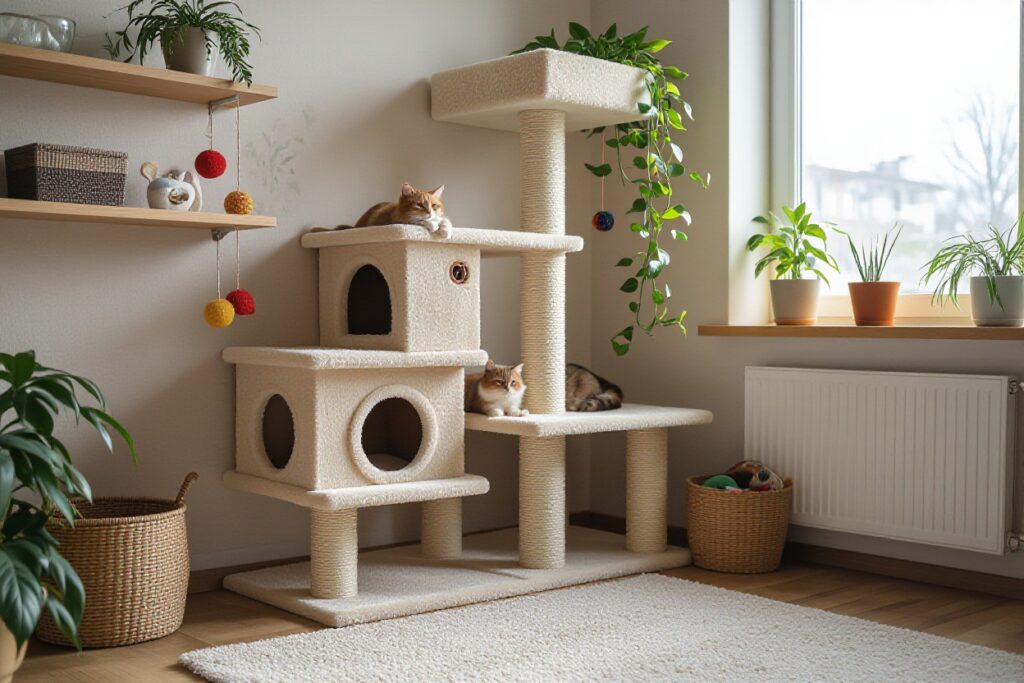
- Incorporate vertical space with shelves or cat trees
- Engage in daily interactive sessions using wand toys
Mastering the art of toy rotation
Switch out your cat’s toys every few days to spark renewed interest. Introducing a hidden toy can mimic prey behavior and trigger instinctual hunting. Assume that variety prevents habituation and keeps curiosity alive.
Timing play sessions for maximum impact
Align play with your cat’s natural peaks in activity, typically dawn and dusk. Short, frequent bursts of high-energy play mimic hunting cycles and reduce nighttime restlessness. Assume that well-timed sessions improve sleep and behavior.
Timing play sessions for maximum impact means syncing with your cat’s internal clock. Cats are crepuscular, so they’re biologically wired to hunt during low light. Engaging them with wand toys or laser pointers in the early morning or evening satisfies their drive and reduces stress. Assume that consistency in timing leads to a calmer, more balanced household.
Pros and Cons of Automated Play Technology
Robotic toys offer hands-free entertainment for your indoor cat, especially when you’re busy. While they provide consistent stimulation, they can’t replace your presence in bonding moments. Consider the balance between convenience and connection.
| Pros | Cons |
| Runs on schedule for daily play | May malfunction or trap paws |
| Keeps cats active when alone | Lacks emotional interaction |
| Reduces destructive behavior | Some cats lose interest quickly |
| Hands-free for busy owners | Requires batteries or charging |
| Encourages exercise | Can overstimulate sensitive cats |
| Interactive motion patterns | Not suitable for all ages or health conditions |
| Some models respond to cat’s actions | Limited adaptability to preferences |
| Helps manage weight | Initial cost can be high |
| Operates during work hours | May create noise disturbances |
| Supports mental engagement | Cannot replace human interaction |
Convenience and consistency of robotic toys
You benefit from scheduled play sessions that keep your cat active even during long workdays. These toys deliver reliable movement patterns that encourage chasing and pouncing, helping maintain physical health without requiring your constant attention.
Limitations regarding social bonding and safety
Your cat misses out on emotional connection when relying solely on machines. Robotic toys cannot mimic your touch or voice, weakening the bond you build through shared play. Some models also pose risks like small parts or unpredictable movements that may startle or injure.
Social interaction is a core need for most cats, and automated devices fall short in fulfilling it. While your cat might chase a motorized mouse, they won’t experience the warmth of your hand guiding the toy or the soothing tone of your voice during play. This absence can lead to emotional under-stimulation, even if physical activity is met. Safety concerns also arise with moving parts, cords, or sudden noises-some cats may become anxious or even get a paw caught. Always supervise initial use and choose models with enclosed mechanics and automatic shut-offs to reduce risk. Balance tech-based play with daily hands-on time to support both safety and emotional well-being.
Establishing a Daily Activity Routine
Consistency shapes your cat’s sense of security and energy levels. Set specific times each day for play, feeding, and rest to prevent boredom and reduce destructive behaviors. A predictable rhythm helps regulate their natural hunting instincts and supports better sleep patterns, keeping your indoor cat mentally stimulated and physically healthy.
Integrating play into the feeding schedule
Turn mealtime into mental stimulation by using puzzle feeders or hiding kibble around the room. This mimics natural foraging and keeps your cat engaged. You’ll notice increased focus and fewer begging behaviors when food becomes part of the daily challenge.
Monitoring behavioral changes and success
Watch for signs like increased energy, reduced scratching, or more relaxed napping after routine adjustments. These shifts indicate your cat is responding well. Any sudden aggression or withdrawal should prompt a vet check to rule out health issues.
Tracking your cat’s behavior over time reveals what activities truly work. Note when they initiate play, how they interact with toys, and their mood before and after sessions. Positive patterns-like purring during interactive play or confidently solving food puzzles-confirm your routine is effective. Stay observant, because subtle cues often signal deeper satisfaction or unmet needs.
Summing up
Considering all points, you now have the tools to keep your indoor cat mentally stimulated and physically active. Simple changes like rotating toys, introducing puzzle feeders, and dedicating daily playtime make a clear difference in your cat’s behavior and happiness. You don’t need expensive gear-just consistency and attention to your cat’s preferences.
FAQ
Q: What are some easy indoor activities I can do daily with my cat?
A: Simple daily activities like using a wand toy for 10 minutes, hiding treats around the room for your cat to sniff out, or rotating toys every few days can keep your cat engaged. Cats enjoy short bursts of play that mimic hunting, so quick sessions with feather toys or laser pointers work well. Setting up a window perch where birds or squirrels pass by also provides mental stimulation without much effort from you.
Q: How can I keep my cat entertained when I’m not home?
A: Automatic toys such as motorized mice or ball dispensers can activate when your cat approaches. Puzzle feeders filled with kibble or treats challenge your cat to work for their food, which mimics natural foraging behavior. Leaving on a TV or tablet with bird or nature videos designed for cats can also hold their attention. Make sure these items are safe and can’t be chewed into hazardous pieces.
Q: My cat doesn’t seem interested in toys-what should I try instead?
A: Some cats respond better to interactive or novel stimuli. Try crumpling a piece of paper into a ball or using a cardboard box with holes cut in it to hide treats inside. Letting your cat bat around a paper bag (with handles removed) can spark curiosity. Scented toys with catnip or silver vine often attract cats who ignore regular plush toys. Watch your cat’s behavior to learn what type of movement or texture they prefer-some like crinkly sounds, others chase fast-moving objects.