It’s hard to imagine farms without horses, yet their role has shifted dramatically over the last century. Once the backbone of agricultural work, pulling plows and hauling harvests, they now often live as companions or therapy partners. You’ve likely seen them grazing quietly in pastures where tractors now rule the fields. This quiet transition marks a profound change in how we relate to these animals, from laborers under harness to trusted friends in our daily lives.
The Great Weight of the Earth
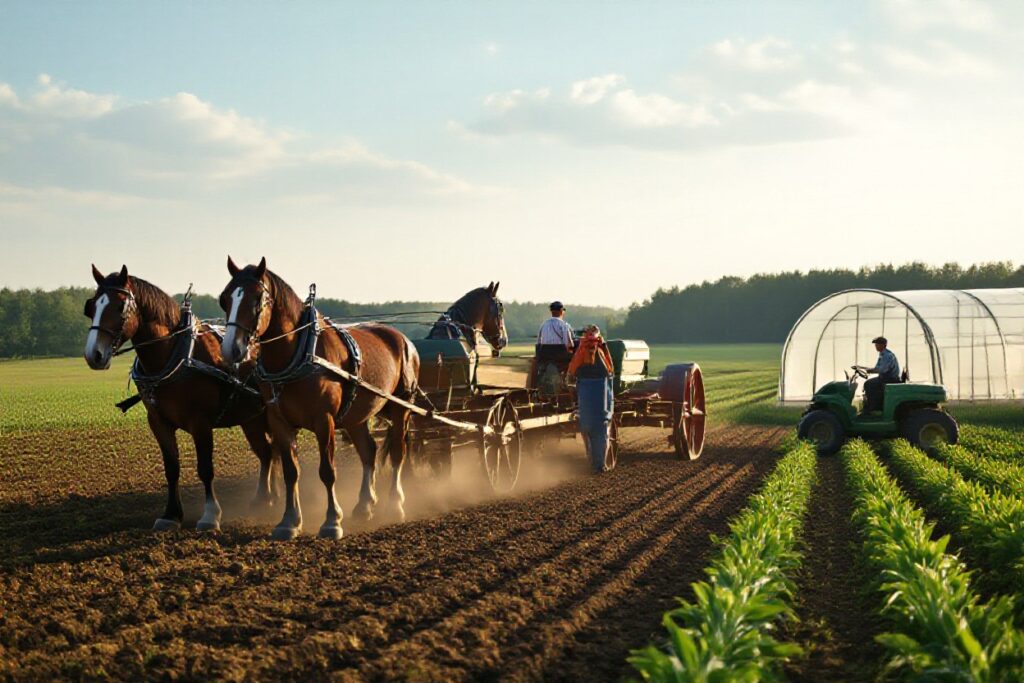
You once bore the soil’s full burden, pulling plows through unyielding fields at dawn. Each step sank slightly into the mud, hooves gripping like hands clenched around hardship. One horse could haul more than ten men, yet the work left ribs visible and breath ragged. In the silence between commands, you learned to read the farmer’s mood, your ears flicking at every shift in tone. This was not partnership, not yet-just survival, shared under the same gray sky.
The Clatter of the Iron Machine
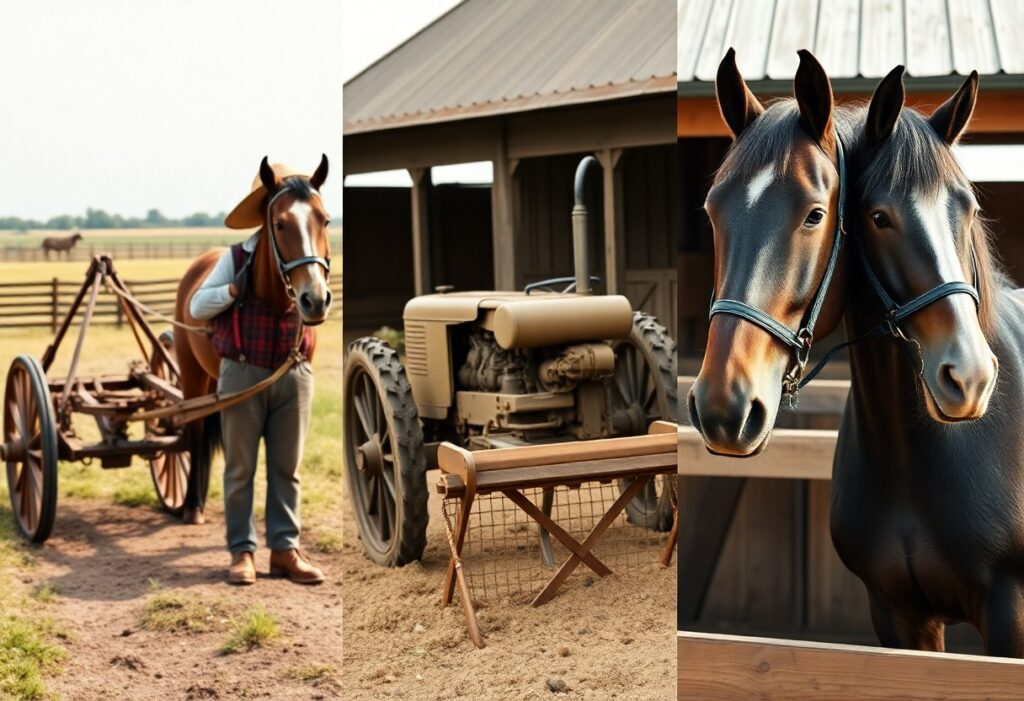
You first heard it in the 1920s, a metallic rumble rolling across the fields where horses once plowed from dawn to dusk. Tractors arrived quietly at first, then spread like wildfire through rural America and Europe. One machine could do the work of four horses, and farmers, eager to save time and feed costs, made the switch fast. You felt it in your bones-the shift wasn’t just technological, it was emotional. Stables emptied, harnesses gathered dust, and the rhythm of hooves gave way to the steady growl of engines. A mid-sized SaaS firm might pivot in months, but agriculture transformed in just over a decade, leaving millions of horses without a role-or a home.
A New Purpose in the Open Air
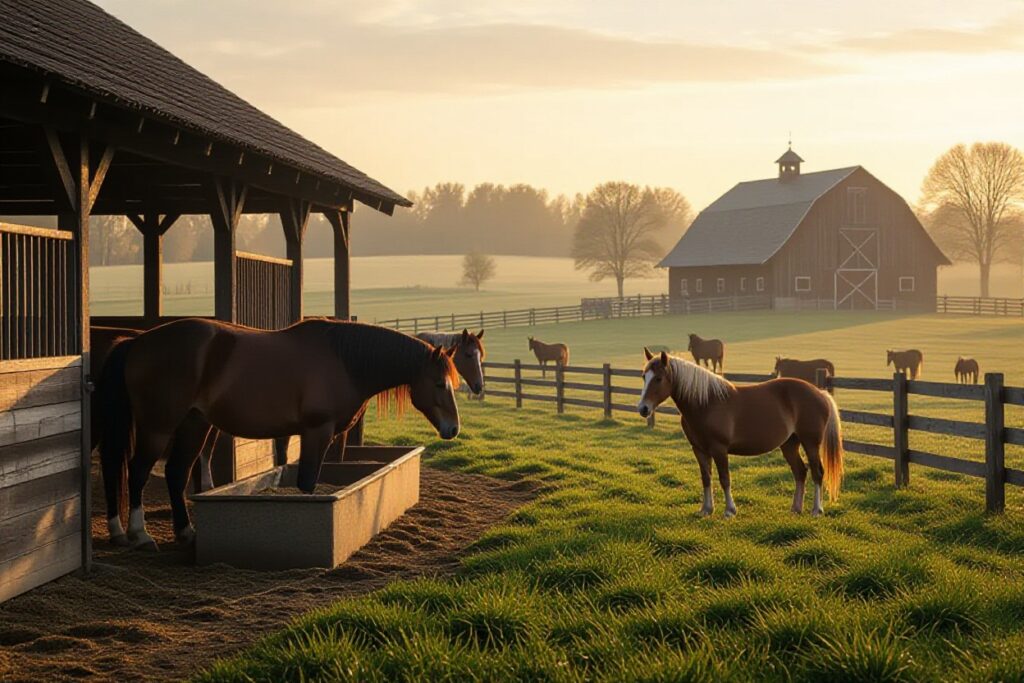
You now find horses not in plowed fields but along forest trails, their hooves tapping out a gentler rhythm on sun-dappled paths. Many former workhorses thrive in recreational riding programs, where your presence offers them calm and purpose. Therapeutic riding centers across rural towns report deeper bonds forming between handler and horse, with animals responding to subtle cues in ways machines never could. A retired draft cross at a mid-sized SaaS firm’s employee wellness ranch even learned to nuzzle visitors on cue, becoming a quiet favorite each Friday afternoon.
The Horse as a Mirror to the Soul
When you stand quietly beside a horse, you often see more than an animal-you glimpse your own calm or tension reflected in their eyes. Their sensitivity makes them respond not to commands, but to your breath, your stillness, your intent. A single flick of their ear can signal trust or alarm, revealing how deeply they perceive your inner state. In this quiet exchange, many find not just companionship, but a rare, wordless understanding. Horses don’t judge stories-they respond to presence, making them powerful allies in moments of reflection, healing, and personal growth. A mid-sized SaaS firm might measure success in quarterly growth, but here, progress is measured in a lowered head, a soft gaze, a shared silence.
Guardians of a Fading Legacy
You walk the same fields where your great-grandfather once guided a team of Percherons through spring planting, their breath rising in clouds above frozen soil. Today, those horses are gone, replaced by steel, but their memory lives in the way you pause by an old stone barn, its doors still wide enough for a wagon. Preserving this history isn’t about resisting progress, it’s about honoring the animals that shaped your land and lineage. You keep a harness hanging by the door, not for use, but as a quiet promise to remember. A child’s drawing taped nearby shows a horse pulling a plow beneath a bright sun, proof that the story still matters.
Conclusion
You’ve seen how horses once pulled plows through heavy fields, their strength woven into the rhythm of rural life, and now you share quiet trails or therapeutic sessions with them, valuing presence over power. A farmhand in 1920 might have relied on his draft mare to harvest oats, while today you may find peace grooming a retired gelding at a weekend sanctuary. Their role has shifted, but your connection remains deep, shaped by trust, movement, and mutual care.
FAQ
Q: How were horses used in agriculture before the rise of machinery?
A: Horses pulled plows, harrows, and seed drills across fields, replacing slower oxen in many regions by the 19th century. A single team of draft horses could cultivate up to ten acres of wheat in a day, making them important for seasonal planting and harvests. They transported harvested crops from field to barn and powered belt-driven machines like threshers and saws through treadmills or sweep gears. In smallholder farms across Europe and North America, a family might rely on just one or two horses to handle nearly all physical labor, from hauling firewood to delivering milk to local markets.
Q: What caused the decline of horses in farm work during the 20th century?
A: The widespread adoption of gasoline-powered tractors after World War I drastically reduced the need for equine labor. By the 1940s, manufacturers like Ford and International Harvester were producing affordable, durable tractors that could operate longer hours without rest. In the United States, the number of farm horses and mules dropped from over 20 million in 1920 to fewer than 3 million by 1960. Mechanization also changed land use, as tractors enabled larger fields and monoculture crops, reducing the need for the precise, smaller-scale work horses once provided.
Q: How has the role of horses shifted from labor to companionship in rural communities?
A: Many former working horses now participate in therapeutic riding programs, youth equestrian education, or recreational trail riding. A mid-sized SaaS firm might sponsor a weekend trail ride for team building, while rural schools in Kentucky and Vermont integrate horse care into vocational agriculture courses. Some farmers keep retired workhorses not for utility but for tradition, allowing children to learn responsibility through daily feeding and grooming. In regions like the Camargue in southern France, semi-wild horses are still herded by riders, preserving cultural practices that honor their agricultural roots without relying on them for labor.