Many birds develop separation anxiety and refuse touch; you can help with calm, consistent routines, gradual desensitization, and reward-based training, watching for harmful stress signs and contacting an avian vet if behaviors risk injury.
Identifying the Factors of Avian Separation Anxiety
You should assess common separation anxiety causes-social bonds, routine changes, medical issues-and note when signs escalate. Observe cage placement, noise, and companions. Keep a concise log. Assume that small adjustments to environment and schedule can reduce distress.
- Separation anxiety
- Behavioral indicators
- Environmental triggers
Recognizing behavioral indicators of distress
Observe your bird’s pacing, feather plucking, loud vocalizations, loss of appetite, or destructive chewing; these behavioral indicators signal distress and deserve consistent tracking.
Identifying environmental triggers and stressors
Check nearby predators, loud appliances, irregular routines, or isolated cage placement; these environmental triggers often provoke anxiety and should be minimized.
Examine cage location for drafts and direct sun, watch windows for visiting predators or neighborhood cats, and note sudden noises from appliances; these raise stress and can cause feather loss. Adjust placement, create a consistent routine, provide a quiet sleeping area, and add engaging toys to lower anxiety.
How-to Build a Foundation of Trust Without Touch
You can build trust without touching by using calm presence, predictable routines, and rewards; avoid forcing approach. Offer food, soft talk, and time near the cage so the bird chooses contact. Use short, consistent sessions and never reach over or grab, which can worsen anxiety.
Practicing passive socialization from a distance
Sit quietly across from the cage while reading or working so your bird associates you with calm, nonthreatening presence; maintain predictable voice and eye level. Offer treats but do not force interaction and avoid sudden movements that provoke fear.
Creating a predictable and secure daily schedule
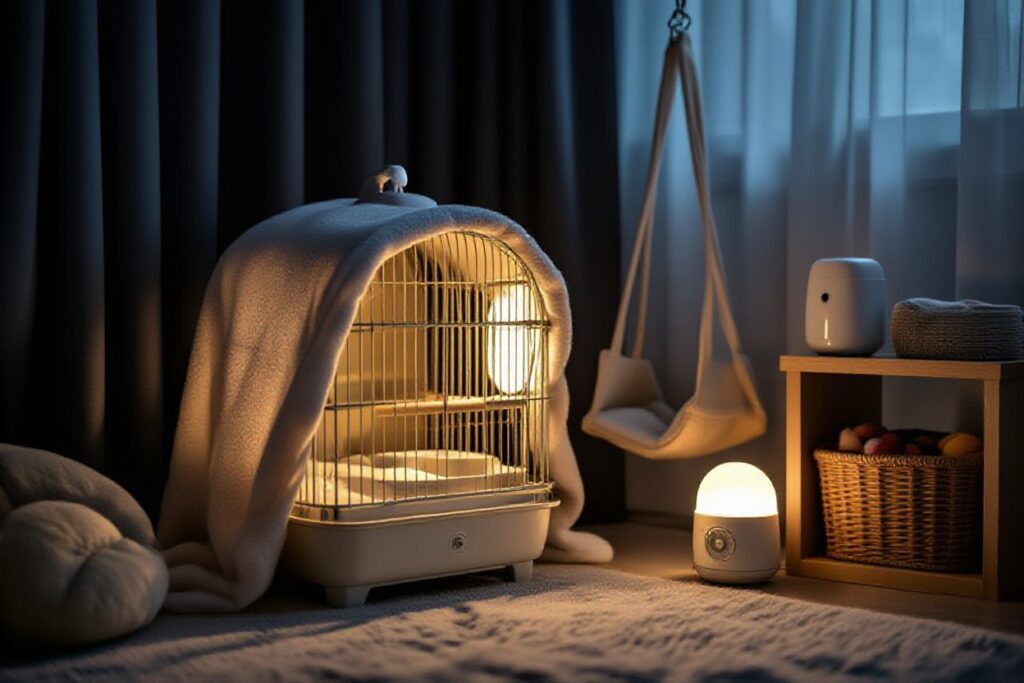
Keep daily routines consistent: feeding, light cycles, and social windows at the same times so your bird learns safety cues. Use gentle signals like the same phrase before play and a calm light dim for sleep to reduce anxiety.
Establish a clear daily plan you follow even on weekends: consistent wake, feeding, out-of-cage time, and quiet hours. Use clocks or alarms so you stick to windows and your bird learns when to expect interaction. Rotate toys and foraging challenges within a predictable pattern to provide stimulation without surprise. If you notice wing fluttering, loss of appetite, or aggressive lunges, shorten sessions and consult an avian vet or behaviorist; never punish anxious responses.
Expert Tips for Promoting Independent Play
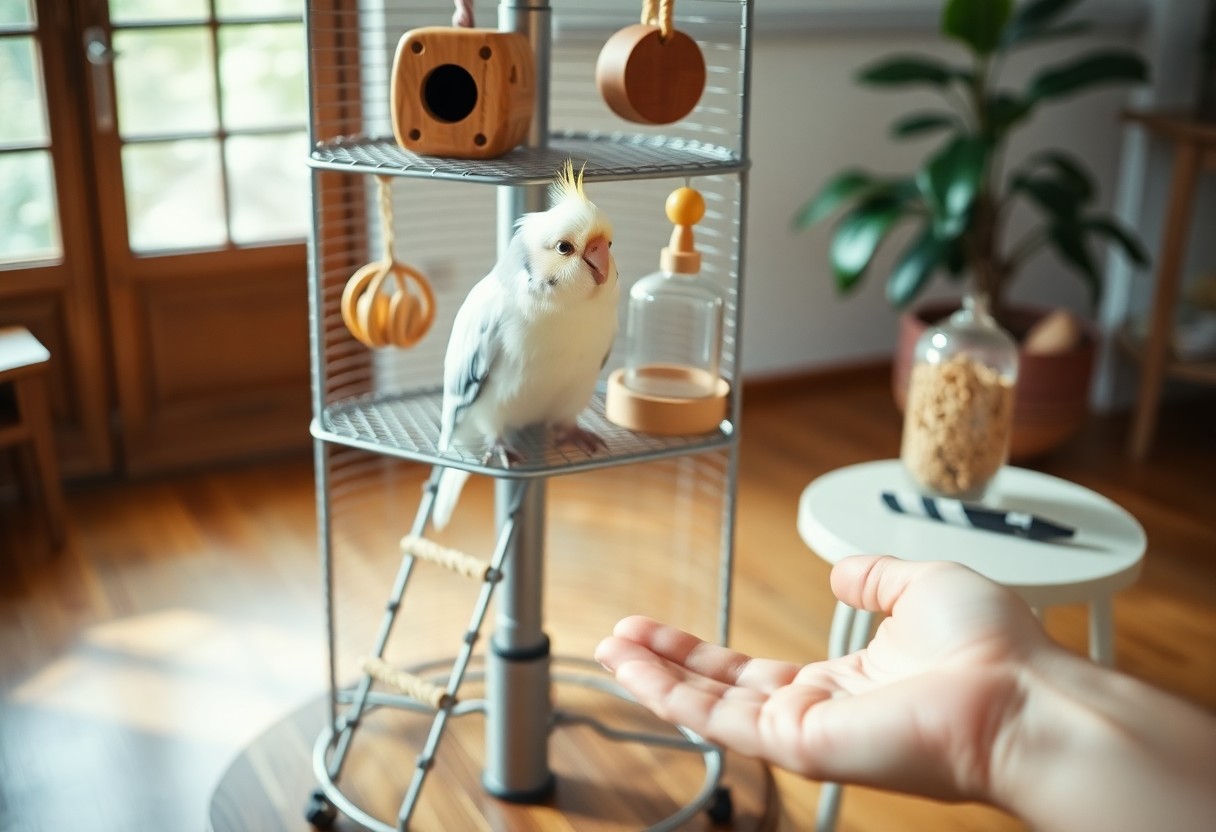
Practice short, consistent sessions to build independent play, using safe toys and rewarding calm behavior. The separation anxiety usually eases when you stay predictable and avoid startling your bird.
- Keep sessions brief and frequent to reduce separation anxiety.
- Rotate foraging and puzzle toys to maintain interest.
- Use gentle background audio and safe visual stimulation for company.
Introducing complex foraging and puzzle toys
Offer gradually harder foraging and puzzle toys so you encourage problem-solving; rotate options and supervise new challenges to avoid choking hazards or overstress.
Utilizing background audio and visual stimulation
Play gentle background audio and provide safe visual stimulation to reduce your bird’s loneliness while you teach independent play and observe for stress cues.
Use varied audio like soft nature sounds or low-volume voices and add a safe window view or slow mobile for visual interest; you must watch for alarm signals such as frantic pacing, fluffed feathers, or rapid breathing and stop stimuli that increase distress, consulting an avian vet if problems persist.
Implementing Gradual Desensitization Techniques
You implement short, predictable departures paired with quiet cues and rewards so the bird learns absence equals safety, while monitoring for intense panic or self-harm.
Desensitizing the bird to departure cues
Identify your typical departure signals-keys, coat, shoes-and practice them without leaving, rewarding calmness and watching for vocal distress or feather-picking as dangerous signs.
Methodically increasing the duration of absences
Increase absence times by seconds to minutes, always returning before your bird escalates and using treats or toys so you create a positive association with short separations.
Practice planned absences on a schedule, noting tolerance each time and never pushing past visible panic; if you see severe distress, shorten intervals and consult an avian behaviorist or vet.
Alternative Bonding Methods Without Petting
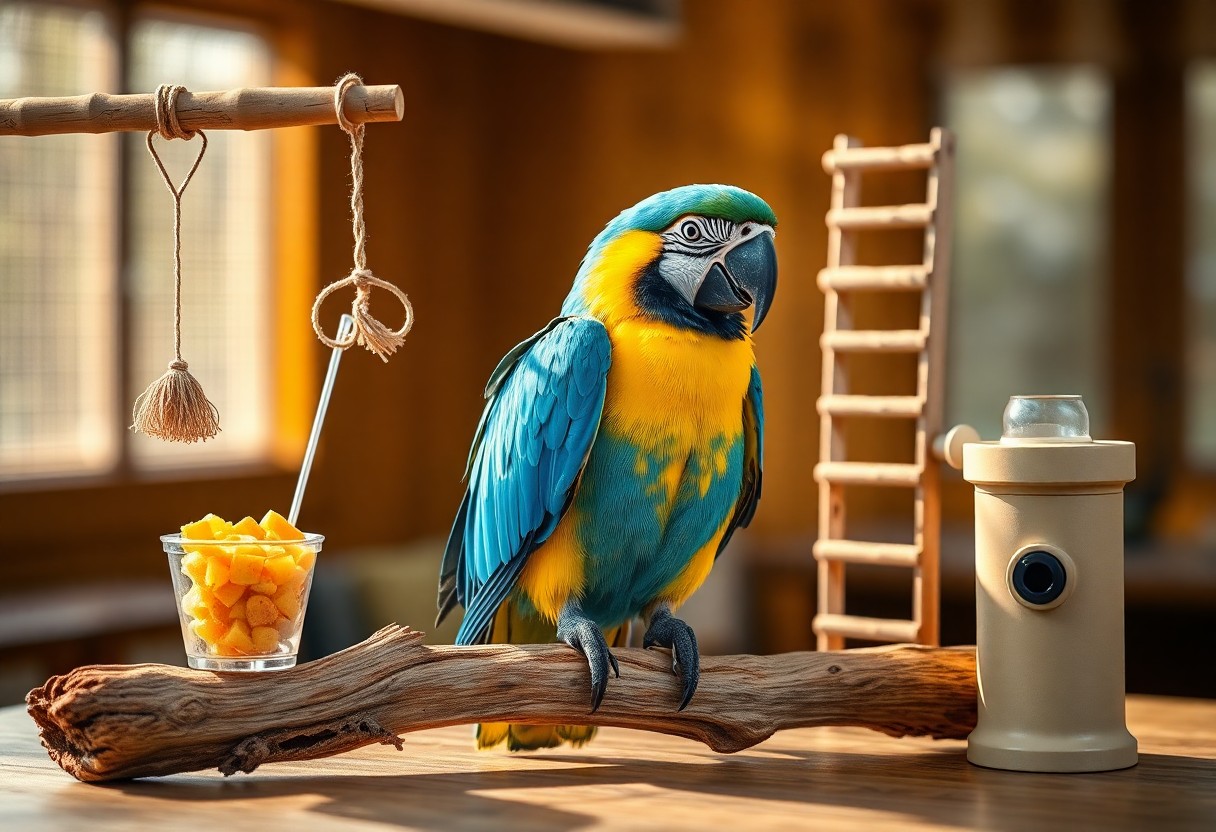
You can bond without touch by offering treats, matching daily routines, and using playtime near the cage; these cues build trust while respecting limits. Keep interactions consistent and predictable, and never force contact, which can escalate anxiety or cause biting.
Strengthening the relationship through vocal mimicry
Mimicking simple tunes and soft phrases helps you become a comforting presence; copy gentle calls, praise their sounds, and pause to let them respond. Keep volume low to avoid startling; consistent gentle mimicry can lower stress and increase social trust.
Using target training for mental engagement
Targeting gives you a non-contact way to teach cues: present a stick or token, reward touches, and progress slowly. Short, frequent sessions provide mental stimulation while preventing overload; stop if your bird shows stress.
Practice target training in 3-5 minute bursts, 2-4 times daily: hold the target just outside reach, reward any approach, then require a clear touch before treating. Shape behaviors incrementally, avoid chasing or forcing, and back off at signs like fluffed feathers or lunging. Over time this builds confidence, reduces separation anxiety, and offers safe enrichment.
To wrap up
You can ease your bird’s separation anxiety by offering predictable routines, safe distractions, gradual hand-approach training, and calm rewards for independent behavior, reinforcing trust so the bird accepts closeness on its terms without forced petting.
FAQ
Q: How can I tell if my bird has separation anxiety or is just being clingy, and why won’t it let me pet it?
A: Signs of separation anxiety include loud, prolonged vocalizing when you leave or prepare to leave, repetitive pacing or frantic wing flapping, sudden changes in appetite, and feather picking or over-preening. Birds with anxiety often freeze, back away, pin their eyes, or bite when an attempt is made to pet them because they associate close contact with unpredictable outcomes. Past trauma, inconsistent routines, or a recent change in household members can increase anxiety. Observe context: if the bird becomes calm when given a foraging toy or when you sit quietly nearby, the problem may be anxiety rather than dislike of touch. Track frequency and severity of behaviors for several days to build a clear pattern to discuss with an avian vet or behaviorist if needed.
Q: What step-by-step methods can I use to help a bird accept petting when it currently refuses?
A: Begin by stopping forced approaches and letting the bird control proximity. Offer high-value treats from your hand to create a positive association; feed while your hand remains still and relaxed. Introduce target training with a stick or dowel so the bird learns to move toward a cue rather than being reached for. Short training sessions of 3-5 minutes, two to three times daily, work best. Sit at the bird’s level and talk softly so your presence becomes calming; avoid looming, fast movements, or direct eye glare. Progress to slowly closing distance while keeping treats available; allow the bird to initiate contact and reward calm behavior immediately. If the bird tolerates brief touches, pair each touch with a treat and stop before the bird shows stress. Use foraging toys and scheduled social interaction so the bird does not rely only on physical petting for comfort.
Q: When should I consult a professional, and what safety or medical checks should I perform first?
A: Schedule an avian veterinary exam if the bird shows self-injury, severe feather damage, weight loss, or sudden behavioral change, since medical issues such as pain or hormonal imbalance can cause anxiety. Bring a log of behaviors, triggers, and any training attempts to the appointment. Ask the vet about safe calming aids, hormone management, or brief medications only if behavior therapy fails. Seek an accredited avian behaviorist if consistent, patient training produces little improvement over 4-8 weeks or if the bird becomes aggressive when approached. Use safe handling techniques during transport: a towel and covered carrier reduce stress and prevent bites. Prioritize predictable daily routines, environmental enrichment, and multiple safe perches so the bird feels secure while you follow a professional plan.