Understanding Your Little Houdini’s Motivations
Small dogs often bolt not out of disobedience but driven by instinct or curiosity. A fluttering squirrel, a familiar scent, or the sound of other dogs can trigger a sudden dash. Recognizing these impulses helps you anticipate escape attempts and choose a collar that responds to your dog’s unique behavior patterns. Understanding the why behind the wander is the first step toward prevention.
Common reasons why small dogs wander off
Boredom, prey drive, or the urge to mate often send small dogs searching beyond fences. Some follow sounds they can’t ignore, like barking from a distance. Others slip out open doors during household activity. Unneutered males are especially prone to roaming, making tracking even more crucial.
Identifying your pet’s favorite escape routes
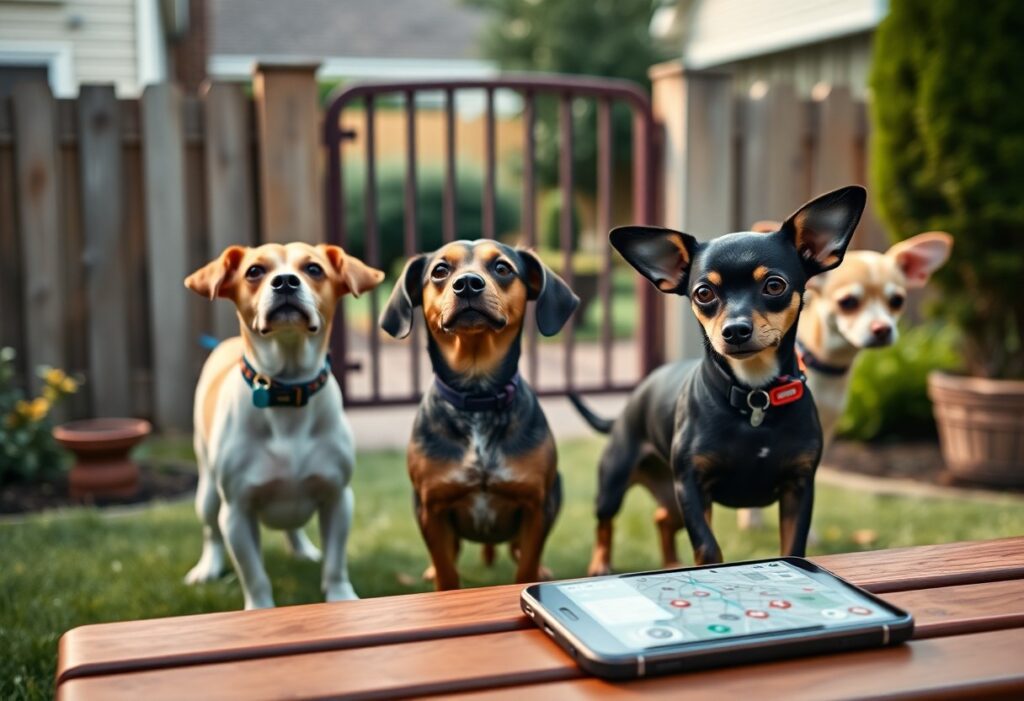
Watch where your dog lingers near fences or gates-they may have a preferred exit. Some dig under weak spots, others squeeze through gaps behind shrubs. One owner discovered their Pomeranian used a loose board in the backyard shed as a daily escape hatch. Mapping these paths helps you predict and prevent future breakouts.
Tracking your dog’s movements over a few days can reveal consistent patterns, like darting toward a neighbor’s yard after the mail arrives. Note times, triggers, and exit points in a simple log. A Chihuahua in Boulder was found to bolt every morning at 7:15 when the trash truck passed-its rumbling engine sparked a chase instinct. These specific behaviors inform smarter geofence placement and collar selection.
Key Factors to Consider for Smaller Breeds
Choosing the right GPS tracker for your small dog means balancing size, weight, and signal reliability without compromising comfort. A collar that’s too bulky can overwhelm a tiny neck, while weak signals might miss quick escapes. Look for models designed specifically for smaller breeds with lightweight materials and secure straps. The best fit feels almost invisible to your dog but delivers consistent location updates.
Weight and size limitations for tiny necks
Small dogs, like Chihuahuas or Yorkshire Terriers, have delicate necks that can’t support heavy devices. A tracker adding more than a few ounces may cause strain or discomfort over time. Choose a collar under 1.5 inches wide with a low-profile design that sits flush against the neck. The lightest options often weigh less than an ounce, making them ideal for pets under 10 pounds.
Battery longevity and signal strength
Long battery life means fewer charges and more peace of mind during outdoor adventures. Strong signal strength ensures your dog stays visible even in wooded areas or near tall buildings. Some models switch between GPS and cellular modes to extend usage. The most reliable units maintain connection across varied terrain without sudden dropouts.
Signal strength often depends on antenna quality and network compatibility, not just brand reputation. A tracker using multiple satellite systems may update locations more frequently, especially in rural zones. Battery life varies widely-some last only a day, while others stretch to a week in power-saving mode. Consider how often you’re able to recharge and whether real-time tracking is vital for your dog’s escape habits.
How to Choose the Best Tracking Technology
Not all tracking systems work the same way, and picking the right one can mean the difference between a quick recovery and a long search. GPS with cellular connectivity offers real-time location updates, ideal for dogs that vanish quickly, while Bluetooth trackers are lighter and cheaper but limited to short distances. Your dog’s typical escape pattern should guide your choice.
Comparing GPS, cellular, and Bluetooth ranges
Understanding how far each technology reaches helps match the collar to your dog’s roaming habits. GPS + cellular works anywhere with network coverage, while Bluetooth only reaches as far as your phone’s signal.
| Technology | Range & Use Case |
| GPS + Cellular | Works nationwide, updates every few seconds, best for frequent or long-distance runners |
| Bluetooth | Up to 100 feet, ideal for backyard escapes or urban walks with close supervision |
| Radio Frequency (RF) | Up to 1 mile, requires a dedicated handheld receiver, often used in rural areas |
Evaluating subscription costs and coverage areas
Most GPS collars require a monthly plan, and prices vary widely based on update frequency and coverage. Some plans start under $10 a month but may limit location checks to every 10 minutes, which could delay finding a fast-moving dog.
A mid-sized SaaS firm discovered their office policy of allowing pets led to repeated escapes by a Jack Russell, prompting a switch from a Bluetooth tag to a GPS-collar with a $15 plan that updates every 30 seconds. Coverage gaps in rural zones can disable cellular-based trackers, so verify service maps before relying on GPS alone during weekend trips or hikes.
Essential Features for High-Risk Escape Artists
Small dogs that routinely slip collars or squeeze through gaps need trackers built for constant movement and unpredictable environments. Look for models with real-time updates, submerged waterproofing, and impact-resistant housings that survive jumps, burrowing, and surprise swims. A secure, adjustable strap prevents loss during frantic escapes.
Real-time location updates and fast refresh speeds
When your dog darts into thick brush or a busy street, updates every 2-5 seconds can make all the difference. Slower trackers might show your pup blocks behind their actual location, delaying recovery. Choose a collar with near-instant transmission so you’re always chasing their current trail, not an old one.
Waterproofing and ruggedness for outdoor play
A collar must endure rain, mud, and full submersion without failing. Models rated for continuous underwater use handle creek crossings or enthusiastic puddle diving. Reinforced casings resist cracking when your dog scrambles under fences or leaps from heights.
One mid-sized SaaS firm’s Corgi once surfaced after venturing into a farm pond, still wearing a fully functional, waterproof tracker that kept pinging throughout. These collars often feature scratch-resistant coatings and sealed battery compartments, ensuring reliability even after weeks of rough play in forests, snow, or urban debris.
How to Set Up Geofences and Safe Zones
Most modern GPS collars let you draw virtual boundaries around familiar areas using a smartphone app. Once active, the system monitors your dog’s location in real time and sends a notification if they cross the line. Setting these zones takes just a few taps and can make a big difference when your dog makes a break for it. Immediate alerts mean you can respond fast, often before they get far from home.
Creating virtual boundaries around your home
Your backyard or front porch might seem safe, but a curious small dog can slip through gaps or follow a squirrel into the street. Use the app to outline a perimeter around your property, adjusting the radius to fit your yard size. A well-placed geofence turns your home into a digital safety net, giving you a heads-up the moment they step beyond it.
Customizing alerts for immediate peace of mind
You can choose how and when you’re notified if your dog leaves a safe zone. Some apps allow push notifications, text messages, or even phone calls. Assign different alert types for different zones, like a gentle buzz for brief exits and a loud alert for high-risk areas. Personalized notifications help you react quickly without constant anxiety.
One parent of a runaway Pomeranian set their collar to send an instant text and a follow-up call if the dog left the driveway during morning walks. This layered alert system gave them time to intercept their dog before she reached the busy road across the street. Matching alert intensity to the risk level keeps you informed but not overwhelmed, especially during high-distraction times like dusk or neighborhood gatherings.
Pro Tips for a Secure and Comfortable Fit
Fit affects function-especially with escape-prone small dogs. Measure your dog’s neck snugly with a soft tape, leaving room for one finger beneath. Choose collars with adjustable straps and quick-release buckles that won’t loosen during a wriggle. The lightest GPS collars still offer strong signals without weighing down tiny necks.
Measuring for a snug, escape-proof adjustment
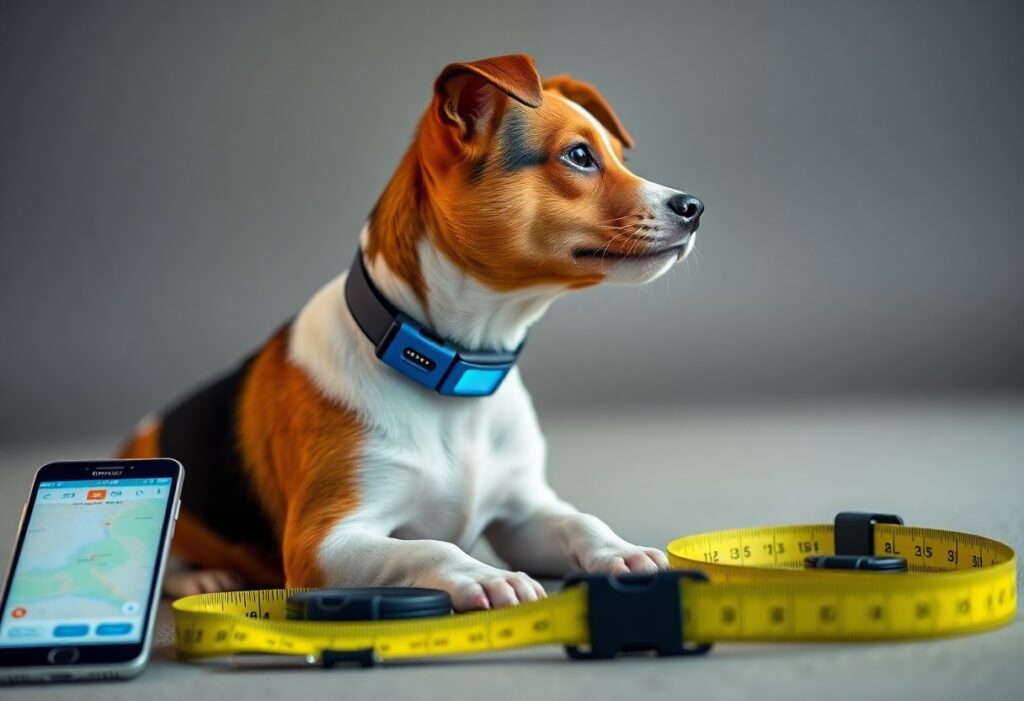
Wrap a fabric tape around your dog’s neck where the collar sits, not where it might slip off. Add half an inch for comfort but avoid excess slack. A gap wider than two fingers gives clever chewers room to work. The right fit prevents slipping without restricting movement or breathing.
Helping your small dog adjust to the new device
Let your dog wear the collar for short periods indoors before full use. Pair it with treats and play to build positive associations. Watch for signs of irritation or reluctance to move freely. The smoothest transitions happen gradually, with patience and praise.
Start by attaching the collar without turning on the tracker, letting your dog explore their usual spaces. Some toy breeds pause at doorways or tilt their heads, sensing the added weight. Over three to four days, extend wear time while monitoring behavior. One owner noticed her Pomeranian stopped barking at reflections after day two-likely realizing the device wasn’t restricting him. The best-adjusted dogs forget they’re wearing it.
Final words
You’ve got this. Picking the right GPS tracker collar means knowing your dog’s habits, choosing a lightweight design with reliable battery life, and making sure it fits snugly without chafing. Think of a collar that stayed secure when your pup darted behind the shed last Tuesday. A well-chosen tracker gives you peace of mind, not just data.
FAQ
Q: How do I know if a GPS tracker collar is too heavy for my small dog?
A: A GPS tracker should weigh less than 3% of your dog’s body weight to avoid strain, especially for toy breeds like a 7-pound Chihuahua. Look for models specifically designed for small dogs, such as those using lightweight polymers or compact designs that integrate the tracker directly into the collar strap. Some owners tape a small weight to their dog’s current collar for a trial walk to simulate the feel. If the dog shakes their head frequently or seems reluctant to move, the device may be too bulky. A mid-sized SaaS firm’s pet tech division recently released a collar weighing just 1.2 ounces, showing how manufacturers are responding to this concern.
Q: Can GPS tracker collars withstand determined chewers or scratchers?
A: Not all collars are built to resist persistent chewing or digging at the device. Choose a model with a fully enclosed, chew-resistant housing, ideally with a metal or reinforced polymer casing. Some brands offer replaceable sleeves or protective covers that can be swapped out if damaged. One customer reported their Pomeranian destroyed two plastic-encased trackers within a week but had no issues with a rubber-armored model after three months. Waterproofing also contributes to durability, as moisture can weaken adhesives and seams over time.
Q: What’s the difference between real-time tracking and periodic updates, and which is better for escape-prone dogs?
A: Real-time tracking sends location data every 2 to 5 seconds, ideal for chasing a dog mid-escape, while periodic updates might only refresh every 15 to 30 seconds. For a dog that darts through traffic or vanishes into dense brush, the faster interval can make the difference in recovery speed. Real-time systems often use more power, so battery life may drop to 8 hours, whereas periodic models can last up to 5 days. A Shih Tzu owner in Portland used real-time tracking to locate their dog just 90 seconds after an escape, following live updates through a city park.