With rising interest in natural therapies, you may wonder if ashwagandha helps anxious cats; research is sparse and anecdotal, so evidence is limited. You should discuss dosing and risks with your veterinarian, as toxicity and drug interactions are possible, though some reports show reduced stress.
Understanding Feline Anxiety: Clinical Signs and Triggers
Watch for sudden changes in grooming, appetite, litterbox use and social interaction, which often signal anxiety in your cat. Hiding, aggression, excessive vocalization and loss of appetite are key signs you should address to prevent medical decline.
Identifying behavioral markers of chronic stress
Look for persistent pacing, overgrooming causing bald spots, litterbox avoidance and sudden aggression; these indicate chronic stress. Urinary marking and self-trauma require prompt attention, as they can worsen health and behavior.
Common environmental and physiological stressors in cats
Loud noises, new pets, moving homes, medical pain and hormonal changes commonly trigger stress; you should watch for shifts in routine. Illness and unmanaged pain are especially concerning and warrant veterinary evaluation.
Environmental alterations such as remodeling, new people or animals, altered feeding or litter locations, and inconsistent routines raise stress. Physiological factors like chronic pain, dental disease, hyperthyroidism, and urinary tract issues create persistent internal stressors. You should monitor for subtle signs-reduced play, altered sleep, grooming changes-and pursue a veterinary exam because untreated medical problems and sustained stress can lead to behavioral escalation and serious illness.

The Mechanisms of Ashwagandha as an Adaptogen
Ashwagandha targets neural and hormonal pathways in cats, so you may observe calmer behavior through effects on neurotransmitters and stress hormones; reduced anxiety is the intended outcome, while dose and individual sensitivity determine results.
How withanolides modulate the feline endocrine system
Withanolides interact with endocrine receptors and you may see altered thyroid, adrenal, and gonadal signaling; they can lower cortisol but may affect thyroid medications, so you should monitor for hormone changes.
Regulating cortisol levels and the HPA axis response
Cortisol regulation by ashwagandha dampens HPA hyperactivity, so you might notice fewer stress behaviors; lowered cortisol can be beneficial, but watch for over-suppression in sensitive cats.
You will see ashwagandha act on the HPA axis by reducing CRH and ACTH release, leading to lowered cortisol over time; this can reduce anxiety but may cause sedation, appetite change, or interactions with steroids and thyroid drugs. Monitor your cat for lethargy, vomiting, or signs of adrenal suppression and consult your veterinarian before starting supplementation.
Assessing Efficacy: Scientific Evidence and Veterinary Perspectives
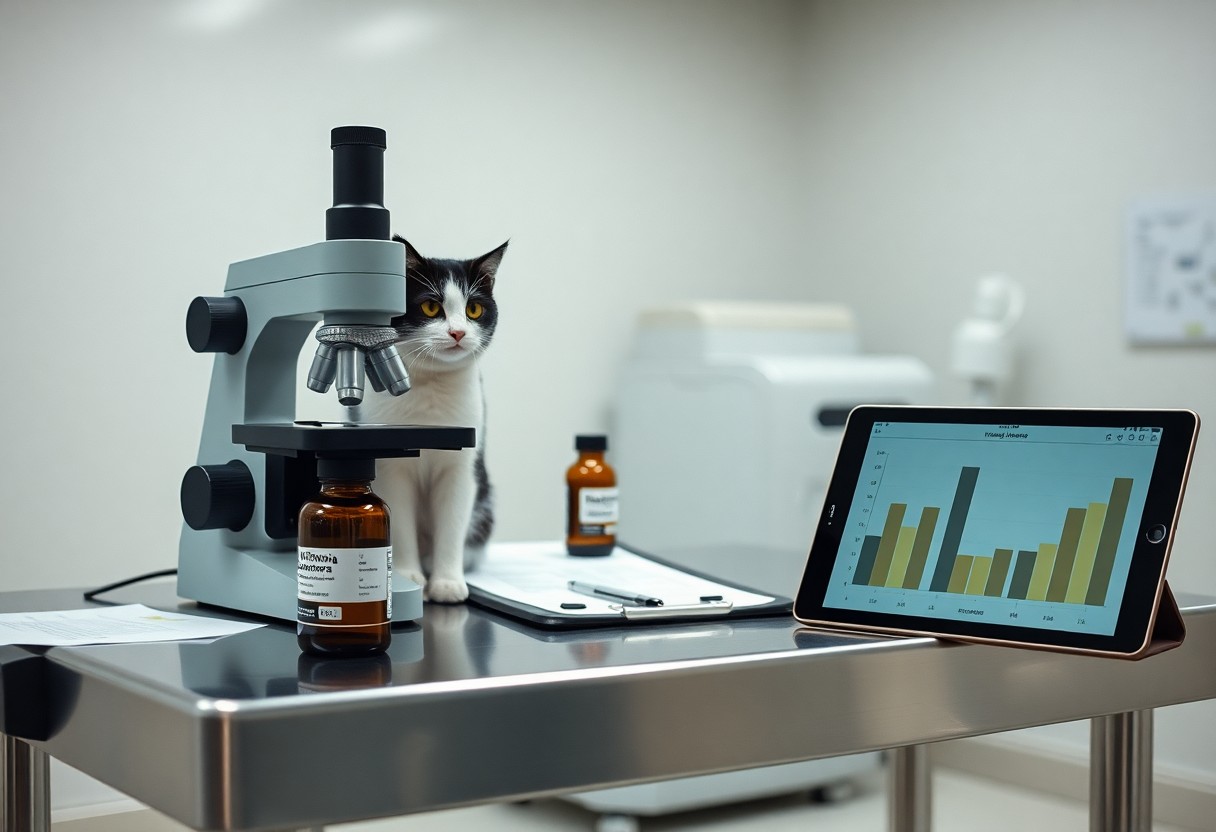
Studies specifically in cats are scarce, so you should weigh human and rodent data cautiously and seek veterinary input before trying supplements; limited clinical trials and safety data make ashwagandha’s efficacy for feline anxiety uncertain.
Current research on Ashwagandha for companion animals
Clinical studies are limited for pets, so you will rely mainly on anecdotal reports and extrapolation from other species; always consult your veterinarian before administering any herbal supplement to your cat.
Managing expectations: Reality vs. marketing claims
Marketing hype often oversells benefits; you should expect modest effects at best and watch for drug interactions and side effects, particularly if your cat is on other medications.
You must consult your veterinarian before giving ashwagandha, confirm product purity and dosing, and monitor for liver toxicity, sedation, or interactions with anticonvulsants and sedatives. Some owners report mild calming effects, but those reports are anecdotal; stop use if you notice vomiting, lethargy, or behavior worsening and seek veterinary care.
Safety Profiles and Veterinary Dosage Standards
Veterinary guidance is required before giving ashwagandha to cats; you must consult your vet to avoid drug interactions, dosing errors, and risks to cats with liver or kidney disease.
Determining weight-appropriate dosages for cats
Dosing should be individualized by your vet using weight-based calculations; you should never estimate doses because overdosing can be dangerous and small cats tolerate much less.
Sourcing high-quality, feline-safe formulations
Choose products that carry third-party certification; you should avoid human-grade supplements with harmful additives and ask your veterinarian to confirm a formulation is feline-safe.
Check for a clear Certificate of Analysis showing heavy-metal and microbial testing, prefer GMP manufacturing and veterinary-formulated extracts standardized for withanolides; you should avoid multi-ingredient blends and sweeteners like xylitol, which can be toxic to cats.

Potential Side Effects and Drug Interactions
Watch for increased sleepiness, appetite changes, or digestive upset after giving ashwagandha; herbal dosing is uncertain for cats. If your cat shows marked sedation, vomiting, diarrhea, or jaundice, stop the supplement and contact your veterinarian immediately.
Recognizing adverse reactions and gastrointestinal sensitivity
Observe drooling, reduced appetite, vomiting, or loose stools-cats can be GI-sensitive. If signs persist or your cat becomes dehydrated, seek veterinary care; prolonged vomiting or bloody diarrhea require urgent attention.
Contraindications with prescription feline medications
Avoid combining ashwagandha with prescription sedatives, anticonvulsants, thyroid drugs, or immunosuppressants without veterinary approval; these combinations can increase sedation or alter drug levels. Always tell your clinician about supplements before changing treatment.
Discuss planned use of ashwagandha with your veterinarian, especially if your cat takes phenobarbital, benzodiazepines, methimazole, cyclosporine, or other hepatically metabolized drugs. Ashwagandha’s sedative properties and potential to affect liver metabolism can reduce efficacy or raise toxicity, so your vet may recommend monitoring, dose adjustments, or safer alternatives.
Practical Administration Strategies
You should start with a low dose, ask your vet about interactions, and observe for excessive sedation or thyroid changes. Time doses before stressors, use tested products, and record behavior to judge effectiveness.
Comparing delivery methods: Tinctures, powders, and chews
Tinctures absorb fastest and let you fine-tune dosing, powders mix into food for easier delivery, and chews are convenient but may hide variable dosing; avoid alcohol-based extracts unless your vet approves them for your cat.
Delivery methods: quick reference
| Tinctures | Fast onset, precise dosing; avoid alcohol solvents and dilute for small cats. |
| Powders | Mixes with food, less precise; can be bitter and rejected by picky eaters. |
| Chews | Easy to give, variable active content; check labels and watch for added flavorings or fillers. |
Long-term vs. situational usage for anxiety management
Short-term use fits single events like travel or storms; you should dose before the event and watch for response, avoiding repeated doses without veterinary advice and noting any drowsiness.
Chronic use demands baseline bloodwork and periodic monitoring of liver and thyroid; you should combine supplementation with behavior modification, aim for the lowest effective dose, taper when improvement occurs, and stop immediately if you see vomiting, marked lethargy, or appetite loss, then consult your vet.
Summing up
Summing up, you might see modest calming effects from ashwagandha in anxious cats based on anecdotes and scarce studies, but uncertain dosing and safety gaps mean you should consult your veterinarian before using it.
FAQ
Q: Does ashwagandha reduce anxiety in cats?
A: Scientific evidence for ashwagandha specifically in cats is minimal. Most data come from human studies and rodent models showing stress‑modulating effects via GABAergic pathways and HPA axis modulation, but feline metabolism and receptor responses differ from other species. Clinical trials in cats are lacking, so effectiveness claims rely on owner reports and extrapolation rather than controlled veterinary research. Short-term calming responses have been described anecdotally, while some cats show no benefit. Veterinary guidance is recommended before trying ashwagandha because formulation, dose, and the cat’s health status determine both potential benefit and risk.
Q: What are the risks and side effects of giving ashwagandha to cats?
A: Reported side effects in animals include gastrointestinal upset, loose stools, and increased sedation. Interactions can occur with sedatives, thyroid medications, and immunosuppressive drugs, raising the likelihood of unwanted effects when combined. Liver or kidney disease can change how herbal compounds are processed, increasing toxicity risk. Product quality is a concern because many human supplements show variability in active compound levels, contamination, or mislabeling, which can expose cats to unpredictable doses. Cease the supplement and contact a veterinarian immediately if vomiting, pronounced lethargy, breathing difficulty, or signs of an allergic reaction appear.
Q: How should I approach using ashwagandha for an anxious cat, and are there safer alternatives?
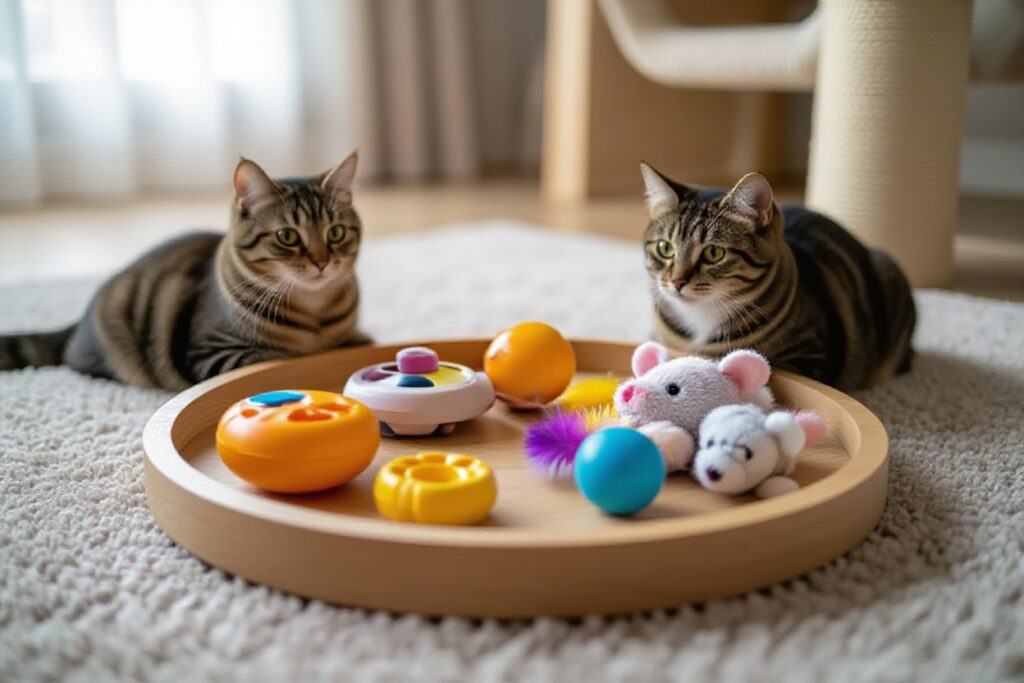
A: Discuss any herbal supplement with a veterinarian experienced in feline medicine before beginning ashwagandha. Use pet-specific formulations when available and start at a very low dose with close monitoring of behavior, appetite, and elimination. Avoid combining ashwagandha with prescription sedatives or antidepressants unless a clinician approves the regimen. Environmental and behavioral interventions-such as enriched play, secure hiding spaces, predictable routines, and gradual desensitization-often reduce anxiety without supplements. For moderate to severe anxiety, prescription options with established feline dosing and safety data, like gabapentin, trazodone, or fluoxetine, may be safer and more reliably effective under veterinary supervision.