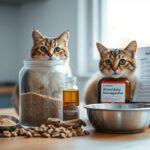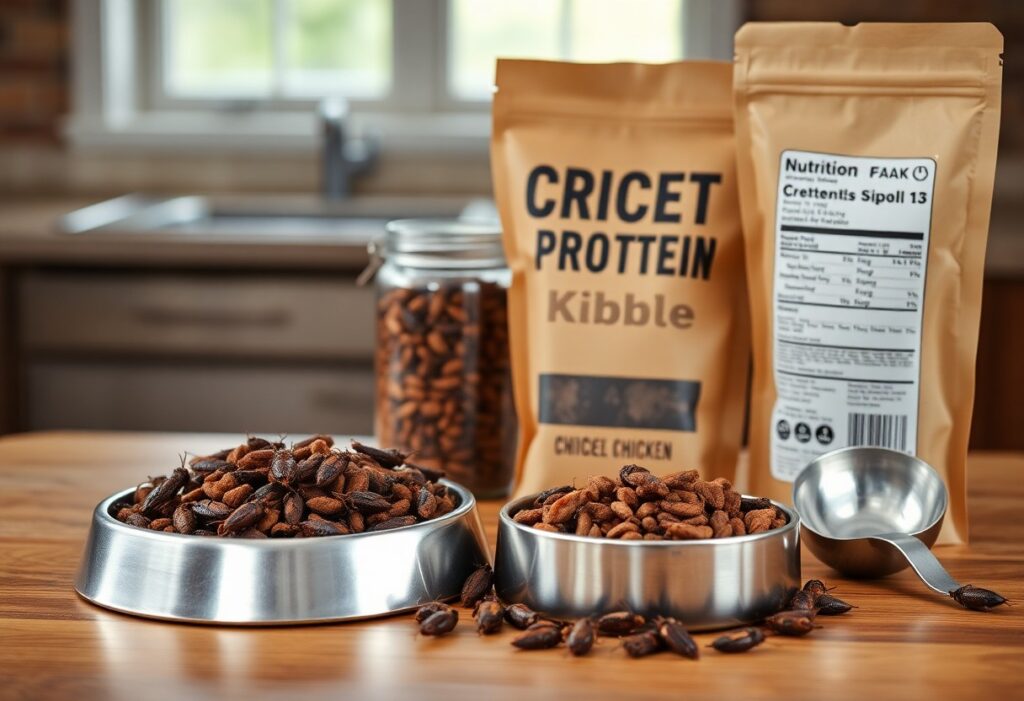
Many pet owners ask whether cricket-based kibble can satisfy picky eaters; you should weigh high protein, low environmental impact against potential allergen and contamination risks, and test palatability gradually to confirm that cricket kibble supports nutrition for fussy dogs.

The Nutritional Profile of Cricket Protein
Crickets offer high protein density that gives you a complete amino-acid profile, notable iron and B12, and lower saturated fat than red meat; you’ll also see a fiber-like chitin component that may affect digestion for some dogs.
Essential Amino Acids and Micronutrients
You get all nine amino acids from cricket protein, supporting muscle maintenance and energy; iron, zinc and vitamin B12 are abundant, but you should compare levels to your dog’s specific requirements before switching diets.
Bioavailability for Optimal Canine Health
Digestibility varies: you may find cricket protein absorbed efficiently, but chitin can reduce bioavailability for some dogs, so monitor stool and energy levels after switching.
Assess how processing affects absorption: you benefit when heat, grinding or enzymatic treatments increase protein digestibility, while allergy cross-reaction with crustaceans can pose risk-introduce slowly and watch for reactions.
Environmental Impact and Sustainability
You will notice cricket-based kibble often shrinks your pet food’s ecological footprint by using far less land and water, lowering feed demands and enabling circular inputs from food waste streams while keeping protein yields high.
Resource Efficiency vs. Traditional Livestock
Cricket-based kibble converts feed into protein more efficiently, so you reduce resource strain and may tap higher feed-conversion rates with less agricultural input per gram of protein.
Reduction in Greenhouse Gas Emissions
Lower lifecycle emissions from insects mean you can cut pet food’s carbon intensity, particularly through reduced methane and CO2, though feed sources and processing still matter.
Lifecycle analyses indicate insect farming often yields substantially lower emissions and land use than beef or pork because crickets are cold-blooded, grow fast, and convert feed efficiently. You should evaluate feedstock: using organic side streams reduces impacts, while energy-intensive drying, transport, or large-scale processing can raise emissions. You must also weigh food-safety and processing risks and current scaling limits when judging net benefits.
Palatability and Appeal for Selective Eaters
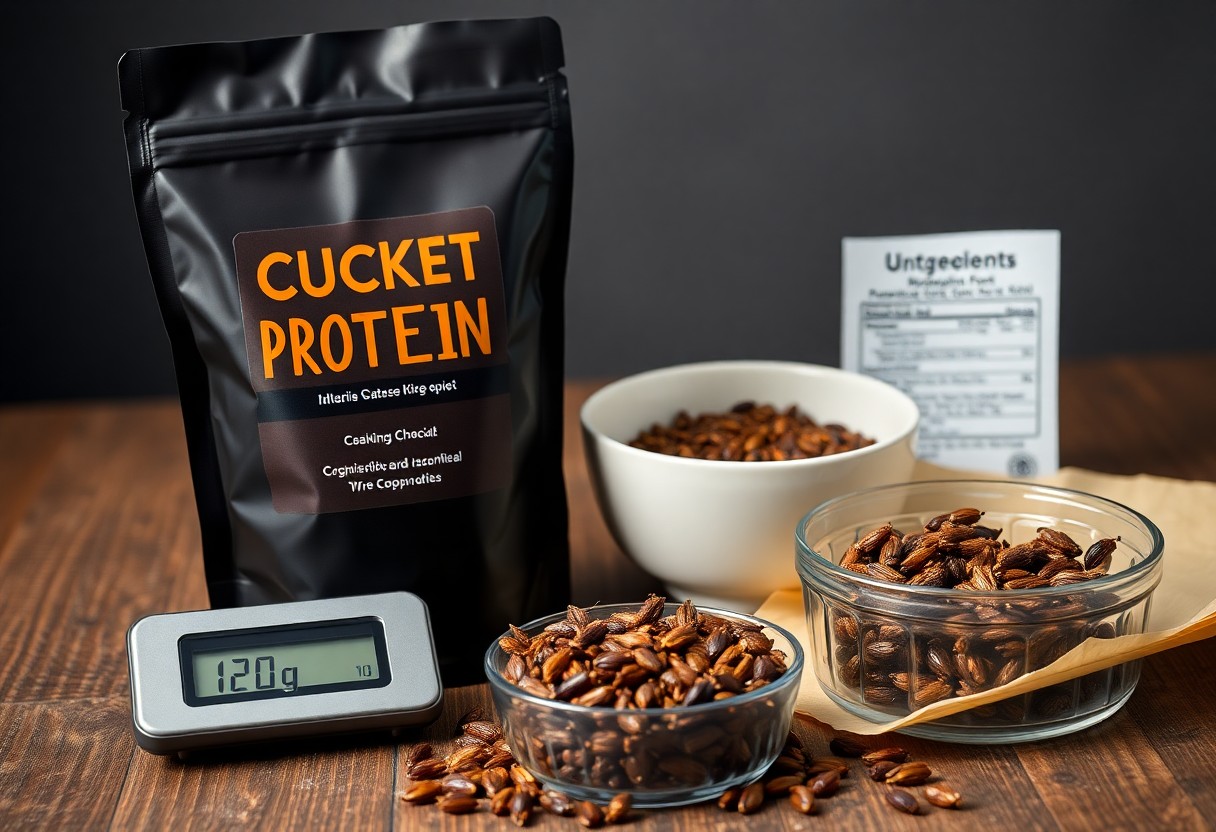
You can convert fussy feeders by introducing cricket-based kibble in small amounts, warming or mixing it with toppers to boost appeal; monitor for allergic reactions and weigh the benefit of sustainably dense protein.
Natural Umami and Flavor Profiles
Cricket-based formulas give you concentrated natural umami from free amino acids and lipids that mimic meaty flavors, increasing acceptance; test gradually to spot any allergic reactions.
Texture and Scent Optimization in Kibble
Texture influences whether you can coax a picky eater: seek kibble with a crispy exterior and softer core, strong scent, and consider moistening briefly; watch for choking hazards with oversized pieces.
Testing different particle sizes, coating techniques and warm broths helps you fine-tune mouthfeel and aroma; enzymatic hydrolysis can boost free amino acids for a stronger scent, while you must avoid excessive sodium or artificial enhancers that can harm sensitive pets.
Hypoallergenic Benefits and Gut Health
Pets with food sensitivities often respond better to cricket-based kibble because it provides a novel protein that can lower exposure to common allergens, helping you see reduced allergic reactions while supporting digestive tolerance and stool quality.
Novel Protein Advantages for Sensitive Systems
Switching to cricket protein gives you a novel option during elimination trials, reducing repeat exposure to common meat allergens and often improving appetite and coat condition in dogs with sensitive systems.
Chitin and Prebiotic Properties
Chitin acts as an insoluble fiber with prebiotic properties, helping feed beneficial microbes so you may see better stool consistency and gut resilience; watch for digestive irritation in very small or compromised animals.
Studies show gut bacteria can ferment chitin into short-chain fatty acids like butyrate, which support mucosal health and may reduce inflammation, but you should screen for shellfish cross-reactivity if your pet has crustacean allergies.
Safety Standards and Manufacturing
Manufacturers must implement HACCP and GMP, so you should expect strict allergen controls, batch traceability, and routine testing; cross-contamination and pathogen risks are monitored while sustainability advantages support long-term viability.
Processing Protocols and Pathogen Control
Processing typically uses blanching, dehydration, and heat treatment so you can rely on validated kill-steps; continuous microbial testing detects Salmonella or Listeria and prevents contaminated lots reaching your pet.
Regulatory Compliance and Quality Assurance
Regulators require ingredient approvals, accurate labeling, and documented quality systems so you should check certificates, third-party audits, and testing records; non-compliance penalties can force recalls and market bans.
Compliance demands that you verify insect species, rearing substrates, and feedstock sources against national rules; many jurisdictions forbid use of catering waste or manure as substrate, so insist on approved substrates and supplier documentation. You must retain a certificate of analysis for each lot and maintain full traceability from farm to kibble. You should also have a recall plan and schedule regular third-party audits to satisfy FDA, EFSA, or local authority expectations and to avoid enforcement or market withdrawal.
Market Trends and Consumer Acceptance
Consumers are sampling insect-based kibble more often as you notice retailers stocking cricket formulas; high protein claims and a lower environmental footprint drive interest, while price and unfamiliarity still pose barriers that can limit adoption.
Overcoming Psychological Barriers
Perception of insects can change when you try samples, read transparent labels, or see veterinarian endorsements; clear labeling and trial-size packs reduce hesitation and increase willingness to switch.
The Shift Toward Ethical Pet Nutrition
Ethics-driven buyers expect traceable ingredients, so you value cricket kibble for its lower environmental footprint and efficient protein conversion, even if you weigh cost versus ethics.
You can assess ethical claims by checking third-party certifications, lifecycle analyses, and transparent sourcing; certified traceability and independently verified lower emissions are positives, while you should watch for allergen risks, price premiums, and small suppliers lacking quality controls that can pose dangers.
Conclusion
You should weigh sustainability, nutrient density, and palatability when deciding if cricket-based kibble suits fussy eaters; trials show improved acceptance and lower environmental impact, making it a promising alternative for conscientious pet owners.
FAQ
Q: Are crickets nutritionally suitable for picky dogs and cats?
A: Cricket protein delivers a high concentration of complete and near-complete proteins, healthy fats (including omega fatty acids), and micronutrients such as iron, zinc, and B vitamins. Processing steps like blanching, drying, defatting, and enzymatic hydrolysis improve digestibility and unlock amino acids that pets can absorb. Cat diets require attention to taurine and arachidonic acid levels; formulations using cricket meal must be balanced with those nutrients because whole-cricket protein alone may not meet feline-specific targets. Dog diets need attention to sulfur-containing amino acids such as methionine; most commercial cricket-based kibble is blended with other ingredients and supplemented to meet AAFCO nutrient profiles. Chitin, an insect exoskeleton component, behaves like dietary fiber and can alter stool volume and digestibility; manufacturers typically control particle size or remove excess chitin during processing to manage palatability and tolerance.
Q: Will fussy eaters accept cricket-based kibble and how can acceptance be increased?
A: Palatability depends on aroma, texture, and prior exposure. Many pets accept insect-based kibble when the formula includes fat coatings, natural palatants, and familiar flavors such as poultry or fish. Techniques that increase acceptance include starting with a mix of 25-50% cricket kibble blended into the pet’s current food, warming the food slightly to release aromas, offering small meaty toppers or broths, and providing consistent feeding times to build positive associations. Formulation methods such as enzymatic hydrolysis or light fermentation can create savory amino-acid and peptide profiles that enhance umami and appeal to picky eaters. Trial periods of 7-14 days for gradual transition are practical; if refusal persists, try alternate textures (softened kibble, pates) or different cricket-based brands because individual preference varies widely.
Q: Is cricket-based kibble truly sustainable and safe compared with conventional proteins?
A: Crickets require far less land, water, and feed per unit of protein than beef, pork, or poultry and produce lower greenhouse gas emissions in most life-cycle studies; those resource-efficiency advantages make insect protein a strong sustainability candidate. Safety requires controlled farming and processing: good manufacturing practices, heat treatments to reduce microbial loads, and testing for pathogens, heavy metals, and pesticide residues. People and pets with shellfish allergies may react to insects because of cross-reactive proteins such as tropomyosin, so clear labeling and veterinary guidance are important for at-risk animals. Regulatory frameworks are evolving; choose products from manufacturers that provide nutrient analyses, third-party testing, and compliance with pet-food standards. Price remains higher for many cricket-based products today, but economies of scale and improved farming technology are driving costs down as the category grows.