DIY dog grooming helps you save time and money while strengthening your bond with your pup, and when done correctly, it keeps your dog’s coat, skin, and nails in excellent condition. You’ll learn how simple routines at home can prevent common issues like matting, infections, and overheating, especially for breeds with thick or long fur. With the right tools and knowledge, you can provide safe, effective care that supports your dog’s overall well-being.
Exploring the Different Grooming Types
Understanding the variety of grooming types helps you meet your dog’s specific needs. From coat maintenance to nail trimming and ear cleaning, each task supports overall health. Some breeds require frequent attention while others need minimal care. Thou should tailor your routine based on your pup’s coat type, activity level, and sensitivity.
| Coat brushing | Removes loose fur and prevents mats |
| Nail trimming | Prevents overgrowth and joint strain |
| Ear cleaning | Reduces risk of infections |
| Bathing | Keeps skin and coat clean and balanced |
| Anal gland expression | May be needed for comfort in some dogs |
Coat maintenance and brushing styles
Brushing your dog’s coat regularly keeps it shiny and reduces shedding. Short-haired dogs benefit from weekly rubs with a bristle brush while long-haired breeds often need daily detangling using a pin brush or slicker brush. Pay close attention to areas like behind the ears and under the legs where mats form easily.
Essential nail and ear hygiene
Trimming nails every few weeks prevents painful splits and posture issues. Use a dog-specific nail clipper and avoid the quick. For ears, gently wipe the outer fold with a cotton ball and dog-safe solution. Overcleaning can irritate, so stick to weekly checks unless your pup swims often.
Some dogs resist nail trims due to past discomfort or sensitivity. Introduce the clippers gradually and reward calm behavior. Breeds with floppy ears like Cocker Spaniels need more frequent ear checks since airflow is limited. A foul odor or excessive wax may signal an infection needing veterinary care. Always dry ears thoroughly after baths or swimming to prevent moisture buildup.
Important Factors to Consider First
Before you begin, take time to evaluate your dog’s unique needs. Every breed has different requirements, and understanding these helps prevent stress or injury. Consider your pup’s coat type, temperament, and past grooming experiences. This ensures a safer, more enjoyable session for both of you.
- Know your dog’s coat type-smooth, double, curly, or wiry
- Identify any skin sensitivities or existing health concerns
- Assess how well your dog handles being touched or restrained
- Choose tools that match your dog’s size and grooming needs
Preparation builds trust and sets the tone. This
Understanding your dog’s specific coat needs
Different coats trap dirt and shed in unique ways. A Border Collie’s thick undercoat needs frequent brushing to avoid mats, while a Greyhound’s short fur requires minimal upkeep. Knowing your dog’s coat type helps you pick the right brush and schedule. This
Assessing your pup’s personality and comfort
Some dogs sit still for treats, while others get nervous at the sound of clippers. Observe how your pup reacts to being handled, especially around ears, paws, and tail. A calm, patient approach builds confidence. This
Noticing small signs like lip licking, yawning, or trembling can tell you when your dog feels uneasy. If your pup tenses up during nail trims, try doing just one or two nails at a time. Pair each step with praise or a favorite treat to create positive associations. This builds long-term cooperation without force.
Expert Tips and Must-Have Tools
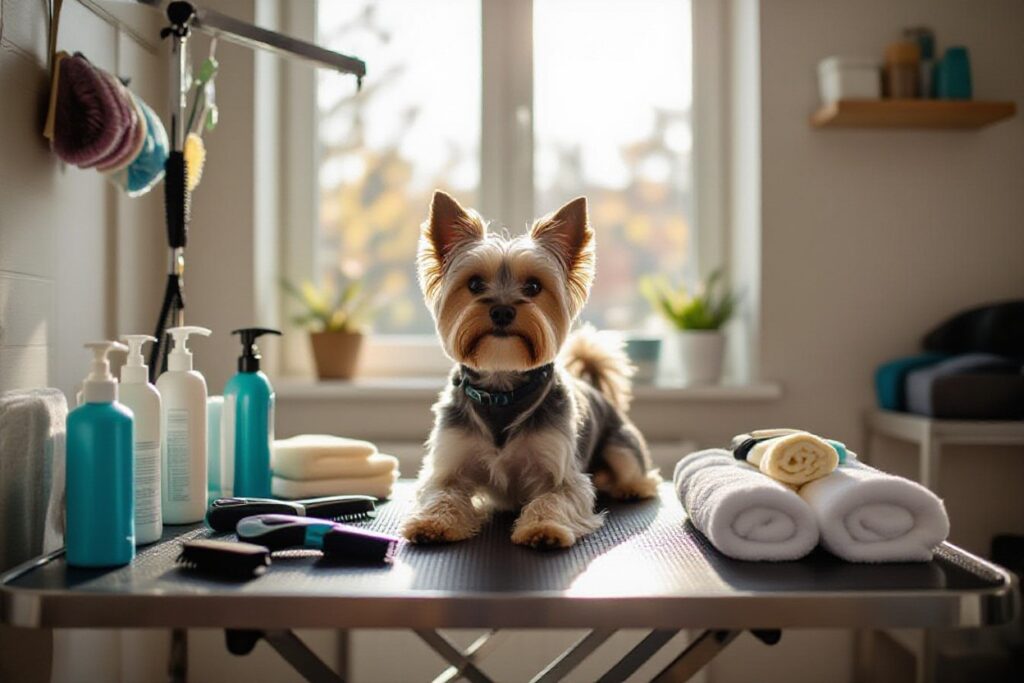
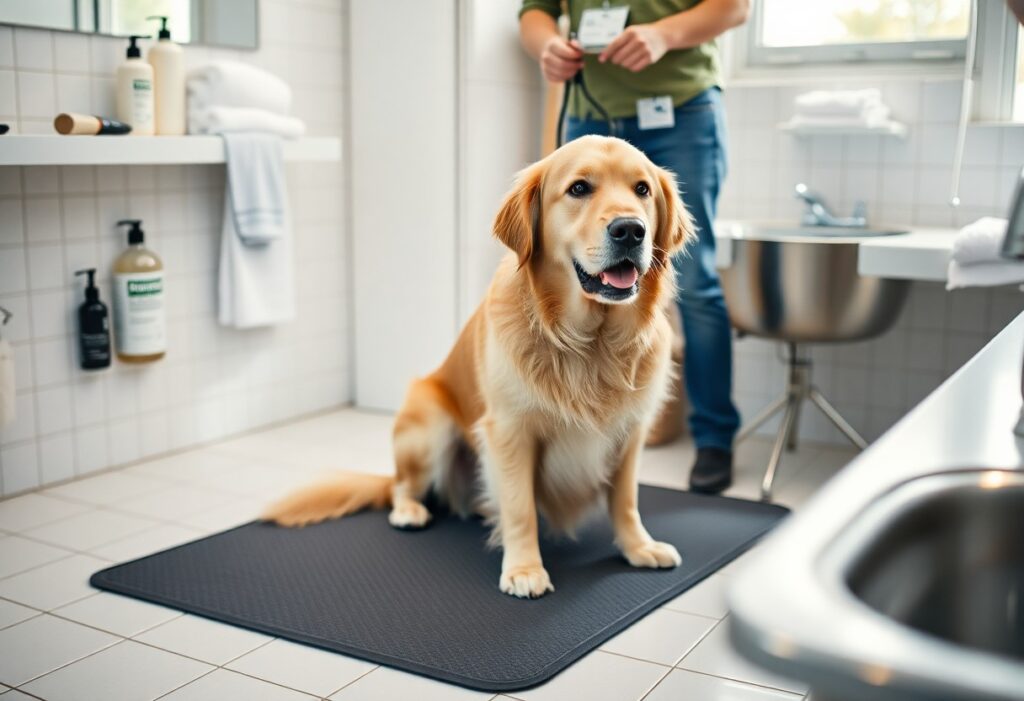
A well-prepared grooming session starts with the right tools and a calm mindset. Keep a non-slip mat in the tub, use dog-safe shampoo, and have rounded-tip scissors on hand for delicate areas. Always trim nails carefully to avoid the quick. Thou can turn grooming into a bonding ritual with patience and the right gear.
Picking the perfect grooming kit for home
Choose a grooming kit tailored to your dog’s coat type, whether short, long, or curly. Look for high-quality slicker brushes, detangling combs, and quiet clippers to reduce stress. A mid-sized SaaS firm might value efficiency, but for your pup, comfort comes first. Thou will notice fewer tangles and a shinier coat with consistent tool use.
Keeping your furry friend calm with treats
Offer small, tasty rewards during pauses to create positive associations. Use low-calorie training treats to avoid overfeeding, especially during longer sessions. Let your dog sniff the tools first and praise gentle behavior. Thou can transform nervous wiggles into eager cooperation over time.
Start by giving a treat the moment your dog approaches the grooming area voluntarily. Repeat this each time they stay still for brushing or paw handling. Over days, your dog begins to link the sound of the clippers or the sight of the brush with something enjoyable. A terrier who once bolted at the sight of nail clippers might eventually sit patiently, tail thumping for their next pea-sized reward.
Your Easy Step-by-Step Grooming Routine
Follow this simple sequence to keep your dog calm and clean without overwhelming either of you. Each step builds on the last, making the process smooth and effective with minimal stress.
| Step | Action |
| 1 | Brush thoroughly to remove loose hair and prevent matting |
| 2 | Clean ears gently with a vet-approved solution |
| 3 | Trim nails carefully, avoiding the quick |
| 4 | Bathe using dog-safe shampoo and warm water |
| 5 | Rinse completely and dry with a towel or low-heat dryer |
| 6 | Do a final brush and check for any missed tangles or irritations |
Pre-bath prep and detangling those knots
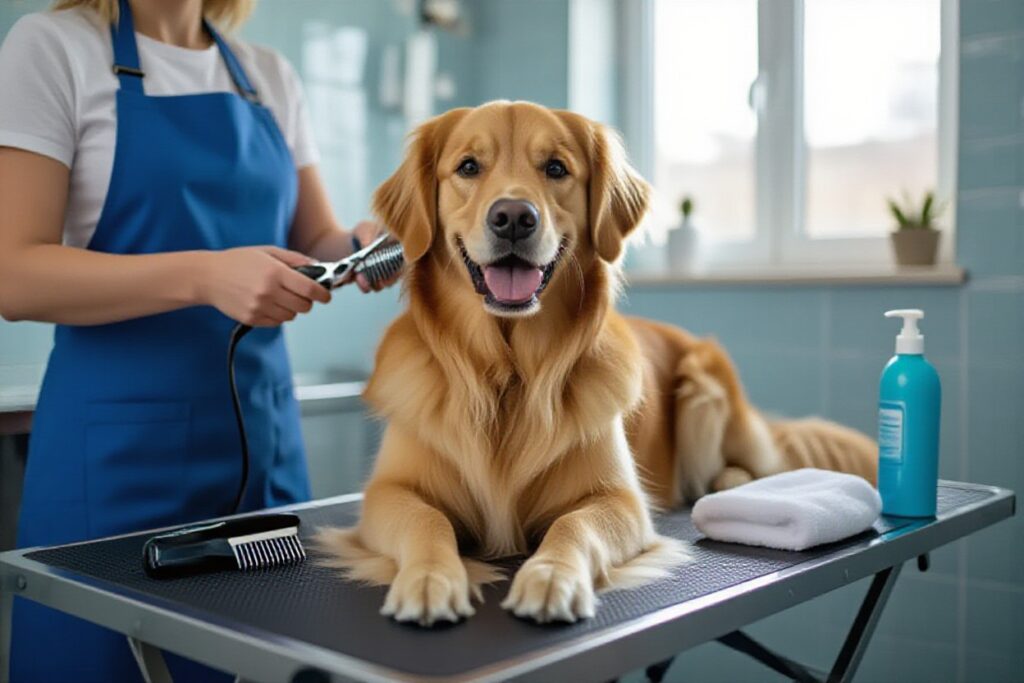
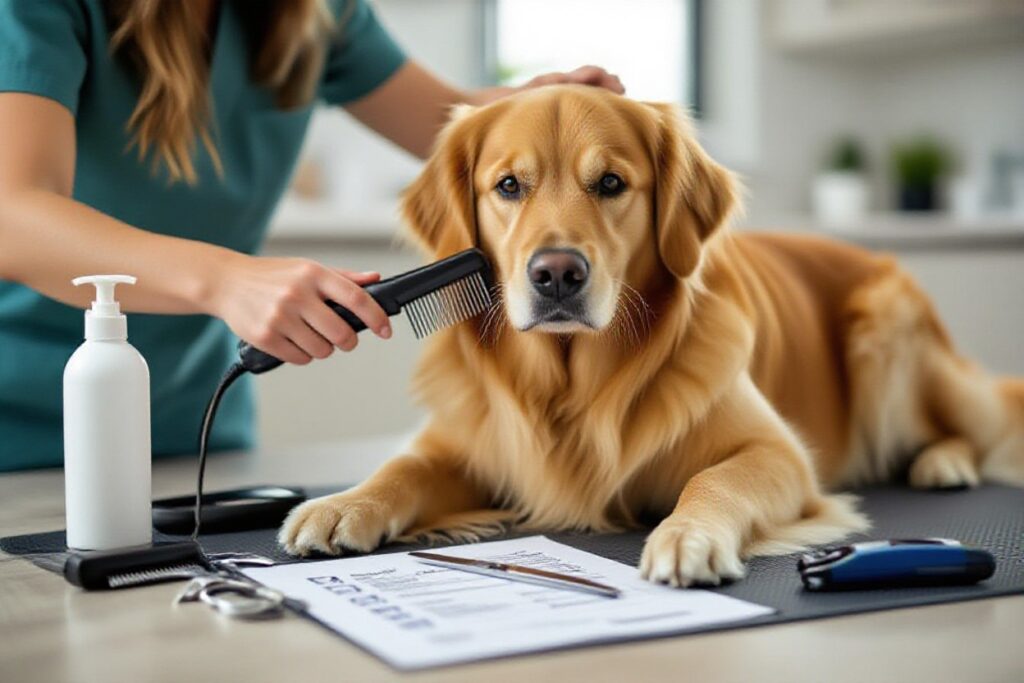
Start by brushing your dog’s coat to loosen dirt and smooth out tangles. For breeds with thick or long fur, like a Shih Tzu or a Golden Retriever, use a slicker brush and comb to work through mats gently. Skipping this step can trap moisture underneath, leading to skin irritation or hot spots after the bath.
The main event: Scrubbing and drying properly
Wet your dog’s coat thoroughly with lukewarm water, avoiding the eyes and ears. Apply a mild, dog-formulated shampoo and massage it in from neck to tail, paying extra attention to muddy paws and the rear. Rinse until the water runs clear-leftover shampoo can cause itching.
After rinsing, wrap your dog in a soft towel to soak up excess water. For dogs with dense coats, a quick towel dry followed by a low-heat blow dryer on constant motion prevents burns. Keep the dryer at least six inches away and monitor your dog’s comfort. A Bichon Frise, for example, benefits from thorough drying to prevent dampness trapped near the skin, which can encourage fungal growth.
Weighing the Pros and Cons of Home Grooming
Grooming your dog at home can strengthen your bond and reduce recurring costs, but it also comes with challenges like managing shedding fur and avoiding clipping mistakes. Understanding both sides helps you decide what’s best for your pup and your lifestyle. Some tasks are simple, while others are better left to professionals.
| Pros | Cons |
| Saves money over time on grooming appointments | Requires upfront investment in tools and supplies |
| Strengthens your bond through regular handling | Time-consuming, especially for beginners |
| Greater control over products and techniques used | Risk of accidental cuts or skin irritation |
| More convenient scheduling around your routine | Hard to manage wiggly or anxious dogs alone |
| Immediate attention to dirt, tangles, or odors | Potential for uneven or messy haircuts |
| Customized care for sensitive skin or allergies | Learning curve for nail trimming and ear cleaning |
| Less stress for dogs who dislike salons | Need to sanitize tools and workspace regularly |
| Opportunity to spot health issues early | Water and hair cleanup can be overwhelming |
| No exposure to other potentially sick pets | Difficult to bathe large or heavy dogs solo |
| Flexible pace suited to your dog’s temperament | May miss professional-level finishing touches |
The perks of bonding and saving money
You’ll likely notice your dog becoming more relaxed during grooming sessions as trust builds over time. Handling paws, ears, and tail regularly makes vet visits easier too. Plus, skipping the salon every few weeks can save hundreds of dollars a year, especially for breeds needing frequent care.
Managing the mess and tricky haircut challenges
Clipping too close can cause irritation, and uneven cuts are common when starting out. Wet fur spreads quickly, and loose hair sticks to furniture and clothes. Without proper tools or technique, even simple trims can become frustrating or unsafe for both you and your dog.
Many owners underestimate how much space and prep work home grooming takes. A mid-sized SaaS firm might offer remote work flexibility, but that doesn’t mean your living room is ready for dog hair floods. Use a dedicated area with easy-to-clean flooring, and invest in a quality vacuum. Practice clipping on small areas first, like the paws or around the ears, before attempting full-body cuts. Some breeds, like Poodles or Shih Tzus, require precise scissoring and thinning that even experienced owners find challenging.
To wrap up
You’ve got everything you need to keep your pup looking and feeling great right at home. From brushing their coat to trimming nails and cleaning ears, each step strengthens your bond and supports their health. One dog parent in Ohio shared how weekly brushing cut shedding by half and turned grooming into their dog’s favorite part of the day. With patience, the right tools, and a calm space, you’re fully equipped to make grooming a positive ritual for both of you.
FAQ
Q: How often should I bathe my dog at home?
A: Most dogs only need a bath every four to six weeks to maintain healthy skin and coat, though this varies by breed, activity level, and coat type. A high-energy Border Collie who loves rolling in the grass might need monthly baths, while a short-haired Dachshund who stays mostly indoors could go two months between washes. Over-bathing can strip natural oils and lead to dry, itchy skin, so it’s best to use a gentle, pH-balanced dog shampoo and assess cleanliness based on smell, appearance, and lifestyle.
Q: Can I use human clippers to trim my dog’s fur?
A: Human clippers aren’t designed for a dog’s thicker or denser coat and can overheat or pull at the fur, causing discomfort. Dog-specific clippers have stronger motors and blades built to handle coarse hair, like those found on a Schnauzer or Husky. A mid-sized SaaS firm might not need specialized tools, but your dog does-investing in quality grooming scissors and clippers reduces stress during sessions and helps prevent accidental nicks or tangles.
Q: What should I do if I accidentally cut my dog’s nail too short?
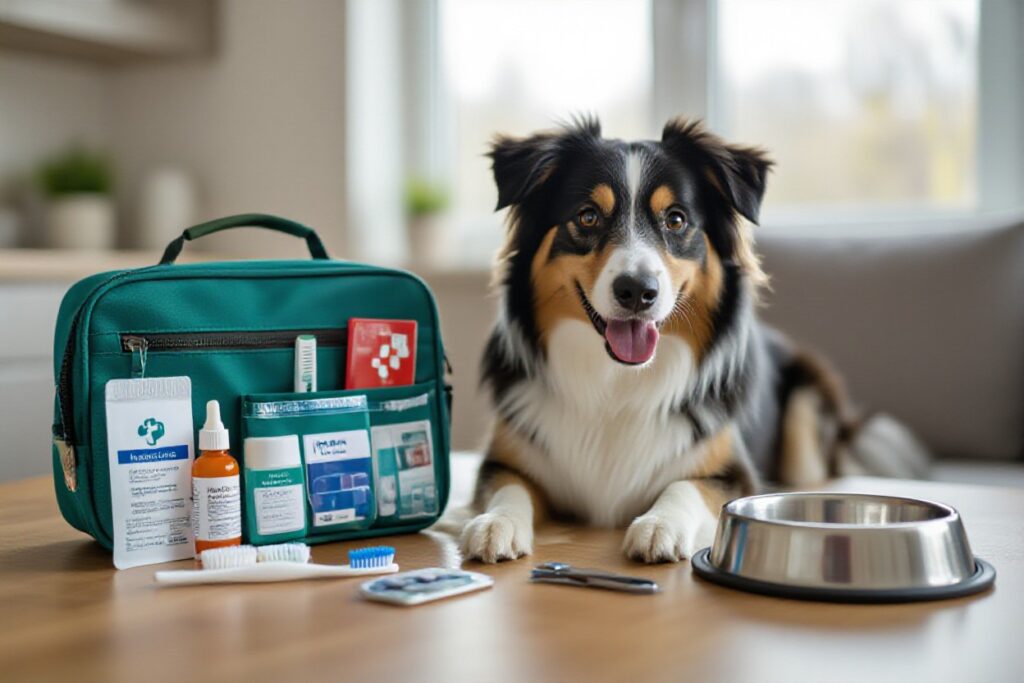
A: If you nick the quick and cause bleeding, stay calm and apply styptic powder or cornstarch with gentle pressure to the nail tip. Most dogs will tolerate this if spoken to soothingly. Keep your dog still for a few minutes until the bleeding stops-smaller breeds with narrow nails may bleed more noticeably. Having a first aid kit with these supplies on hand makes minor mishaps easier to manage and reduces anxiety for both you and your pet.