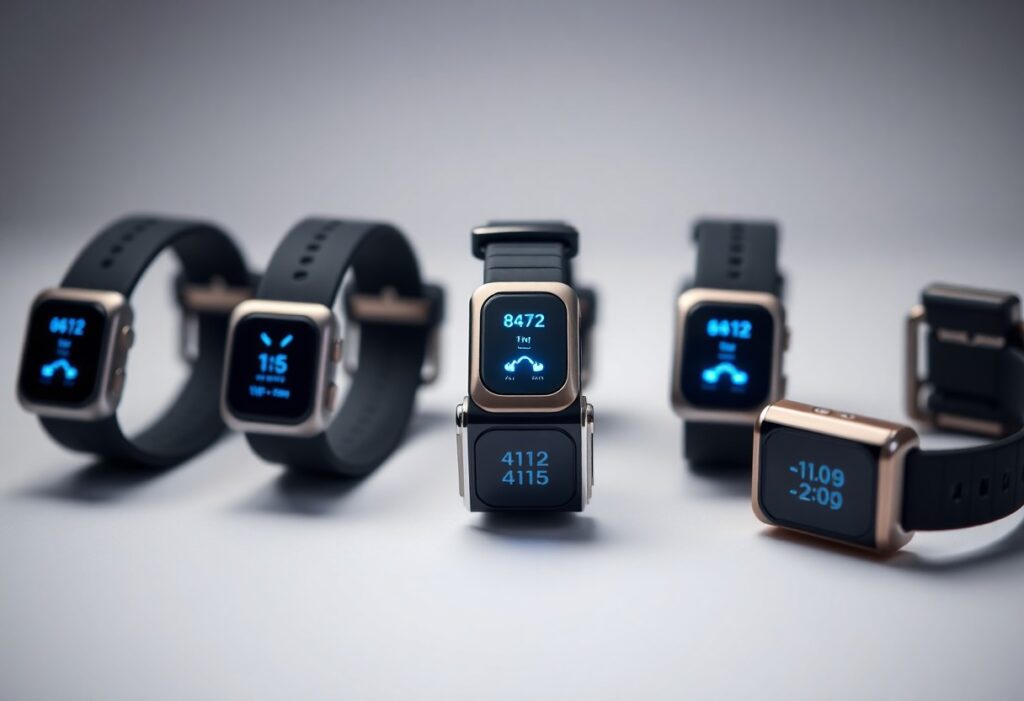
You can protect your pet with cutting-edge collars that monitor vitals and behavior, using AI to detect illness before symptoms show, provide early, lifesaving alerts, and reduce emergency visits, improving long-term outcomes.
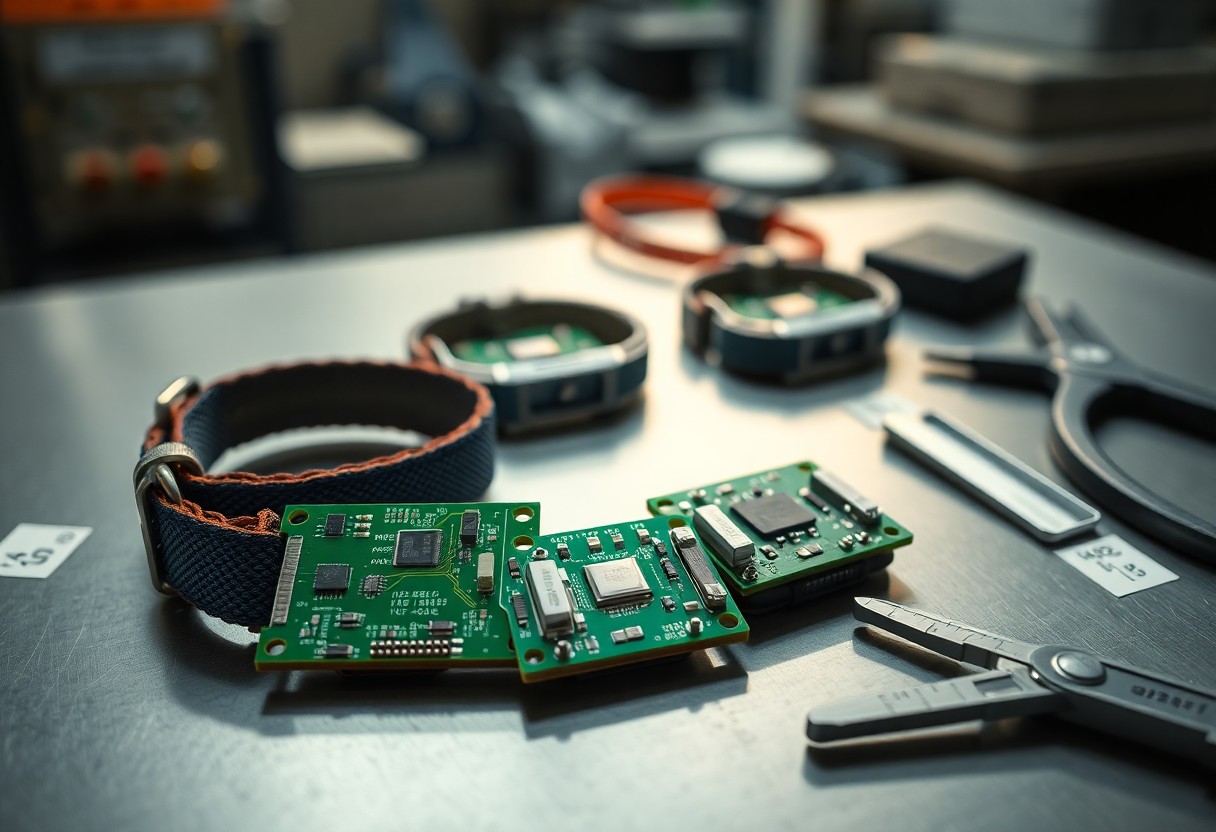
The Mechanics of Predictive Pet Technology
Sensors on modern collars track heart rate, temperature, respiration and activity continuously so you can detect subtle deviations; early detection shortens intervention time and reduces the risk of life-threatening emergencies.
Shifting from reactive to proactive veterinary care
You get actionable alerts when patterns drift from baseline, enabling earlier vet visits, often quicker recovery, and lower long-term costs while preventing serious decline.
How machine learning identifies pre-symptomatic anomalies
Algorithms compare your pet’s baseline against incoming data streams to flag subtle changes, combining multiple signals into a single high-sensitivity alert that minimizes missed events.
Models are trained on diverse datasets using supervised and unsupervised techniques so you benefit from personalized baselines, continuous retraining, and anomaly scoring; you should expect some false positives, so confirm alerts with your veterinarian to reliably catch life-threatening conditions early.
Whistle Health: Behavioral Pattern Recognition
Whistle tracks behavioral shifts so you can detect subtle anomalies early; it flags changes in eating, movement, and social interaction, providing early alerts so you can seek veterinary care before symptoms appear.
Monitoring excessive scratching and dermatological alerts
Detection of repetitive pawing or frantic rubbing helps you spot skin issues; Whistle sends dermatological alerts when scratching exceeds normal patterns, indicating parasites, allergies, or infection so you can act quickly.
Linking sleep quality disruptions to internal discomfort
Sleep tracking reveals restlessness and frequent waking so you can correlate poor sleep with internal pain, gastrointestinal upset, or discomfort; Whistle highlights sleep disruptions to prompt earlier diagnostics.
You can use detailed sleep metrics-restless episodes, frequent position changes, and nighttime heart rate-to detect internal issues; Whistle correlates these with activity and eating patterns so a spike in nocturnal restlessness plus elevated heart rate or reduced appetite signals potential pain, infection, or GI distress, prompting timely veterinary evaluation.
PetPace: Clinical-Grade Vital Sign Monitoring
PetPace delivers clinical-grade monitoring you can rely on, continuously capturing temperature, heart rate, and activity to generate early warnings and share clinic-ready data so you can seek care before symptoms escalate.
Real-time tracking of pulse and respiratory frequency
Continuous tracking of pulse and respiratory frequency gives you minute-by-minute trends, letting you spot gradual increases or sudden drops; alerts flag abnormal rates so you can act before visible illness.
Detecting systemic infection through biometric fluctuations
Shifts in combined biometrics-temperature, heart rate variability, and respiratory patterns-allow you to detect possible systemic infection early, with alerts emphasizing early infection signs and potential for rapid intervention.
Analysis compares each pet’s baseline to real-time data using algorithms that weigh multiple signals, reducing false alarms and producing veterinary-ready reports; you get clearer context for decisions and quicker response to threats like sepsis.
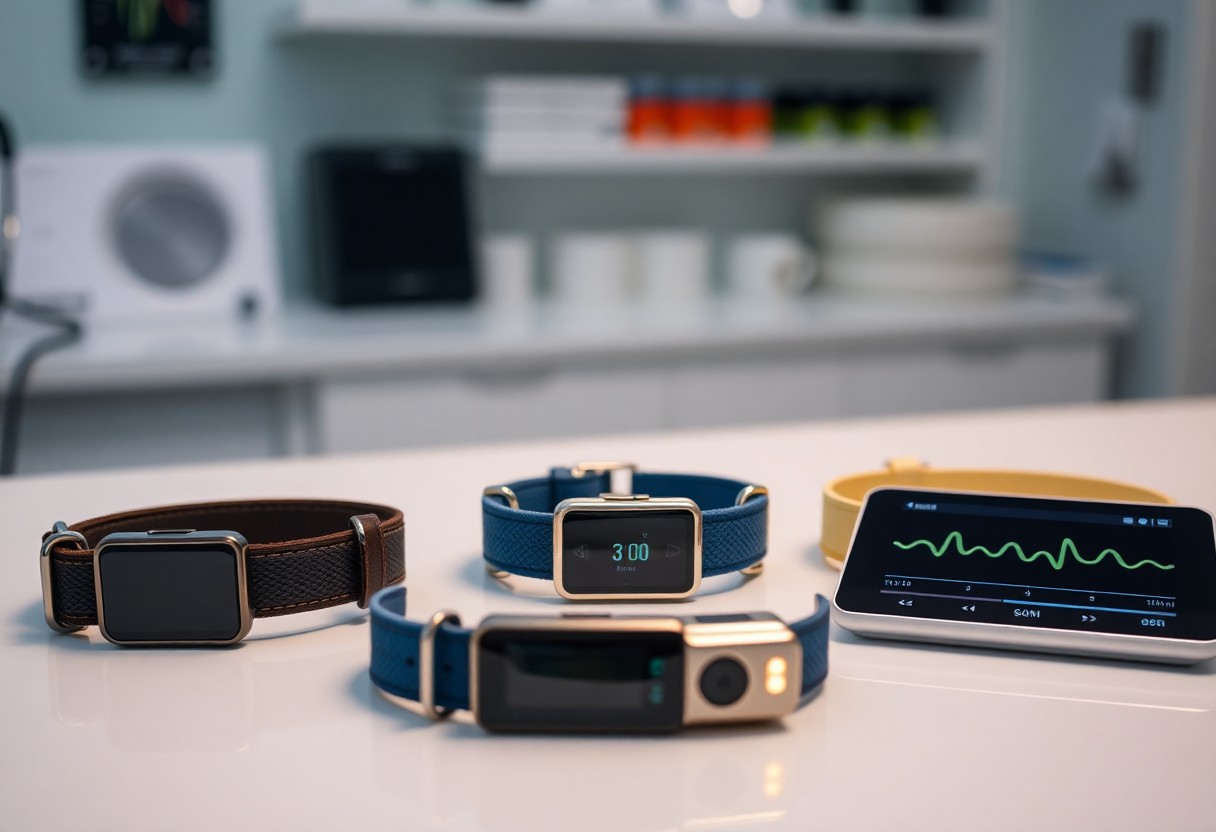
FitBark 2: Mobility and Stress Analysis
FitBark 2 monitors activity, sleep and behavioral patterns so you spot illness early by tracking deviations in movement; it flags decreased activity and high anxiety scores so you can seek veterinary evaluation before overt symptoms appear.
Identifying early indicators of osteoarthritis and joint pain
Gait changes, reduced step length and increased rest periods reveal early joint issues so you can detect osteoarthritis sooner; FitBark’s mobility metrics highlight limping or decreased range of motion to prompt timely diagnostics and pain management.
Utilizing anxiety scores to prevent chronic stress conditions
Anxiety trends reveal rising distress so you recognize sustained behavioral shifts quickly; persistent alerts for elevated anxiety let you institute enrichment, routine changes or veterinary review to avert long-term stress effects.
You can establish a baseline by wearing FitBark for several weeks so deviations are clear; the device blends activity variability, restlessness and sudden spikes into an anxiety score. If the score stays high across days, the risk of chronic stress and related illness rises, prompting you to modify the environment, increase enrichment or consult your vet. Early intervention reduces immune suppression, appetite loss and behavior escalation, and trend alerts let you monitor responses to each change.
Tractive Wellness: Establishing Health Baselines
Tractive creates a personalized baseline from your pet’s activity, sleep and heart-rate patterns so you can spot deviations; built-in alerts and trend graphs reveal subtle shifts before clinical signs emerge.
Comparing activity levels against breed-specific data
You compare your pet’s activity to breed-specific norms to flag below-average exercise or unusual spikes; the app adjusts for age and size so deviations carry meaning.
Activity vs Breed Norms
| Metric | What it signals |
|---|---|
| Daily activity | Drop suggests illness or pain |
| Rest patterns | Longer naps may indicate metabolic change |
| Play intensity | Loss of bursts signals reduced fitness or disease |
Recognizing lethargy as an early warning for metabolic disorders
Lethargy that persists across days is an early sign of metabolic disorders; Tractive flags sustained inactivity so you can arrange veterinary testing before conditions worsen.
Observe patterns: a steady decline in daily steps, longer sleep bouts and reduced play intensity often precede lab abnormalities seen with hypothyroidism, diabetes or adrenal disease. Use Tractive trends to quantify change, share documented declines with your veterinarian, and prioritize diagnostic bloodwork when decreases persist.
Invoxia Smart Collar: Advanced Cardiac Health Tracking
Invoxia continuously monitors your dog’s cardiac signals with ECG-grade sensors and AI to flag abnormal rhythms and subtle trends so you can act before visible symptoms emerge.
- You receive real-time alerts for arrhythmias and concerning trends.
- You get detailed ECG reports you can share with your vet.
- You benefit from HRV analysis that signals stress or early illness.
- You track multi-week trends to compare baseline shifts over time.
Feature vs Benefit
| Feature | Benefit |
|---|---|
| ECG-grade sensors | Detects arrhythmias you might miss during routine checks |
| AI analytics | Generates risk scores so you know when to consult your vet |
| HRV monitoring | Highlights stress and early illness signals affecting your pet |
| Cloud sync & reports | Makes sharing data with your vet immediate and actionable |
Utilizing Heart Rate Variability (HRV) for stress detection
Using HRV trends, the collar spots reduced variability that signals elevated stress or impending illness, notifying you so you can intervene before behavior or appetite changes appear.
Early identification of congestive heart failure risks
Early algorithms combine breathing, activity and cardiac metrics to flag patterns associated with congestive heart failure risk, prompting you to seek veterinary evaluation sooner.
Monitoring fuses continuous ECG, respiratory rate shifts and declining activity baselines into a composite score; when sustained deviations occur you receive urgent alerts about potential congestive heart failure, allowing you to arrange diagnostics and treatment earlier to improve your pet’s prognosis.
Summing up
Drawing together, you see how predictive health collars detect subtle changes before symptoms appear, give you timely alerts, and connect with vets so you can intervene earlier, reduce complications, and improve long-term outcomes for your pet.
FAQ
Q: How do predictive health collars detect illness before visible symptoms appear?
A: These collars combine multiple onboard sensors-continuous skin and core temperature, heart rate and heart rate variability, respiratory rate, accelerometer for activity and gait, and sometimes microphones or biochemical skin-contact sensors-to establish an individualized baseline and spot deviations. Continuous sampling and temporal pattern analysis allow detection of subtle changes hours or days before owners notice appetite loss, lethargy, coughing, limping, or fever. Machine-learning models trained on labeled veterinary cases produce risk scores and context-aware alerts; users receive trend summaries that highlight which signals drove an alert. Alerts indicate an increased probability of illness and should prompt veterinary evaluation rather than replace a clinical diagnosis.
Q: What accuracy and false-alert rates can owners expect, and what factors affect performance?
A: Reported sensitivity and specificity vary by manufacturer and condition, but studies of similar multi-sensor wearables typically show early-detection sensitivity around 70-90% and specificity around 65-85% for common issues like fever and respiratory infections, with lower performance for rare or complex diseases. Factors that affect accuracy include sensor quality, collar fit and placement, the length of baseline data collection, breed- and size-related normal ranges, environmental temperature, and behaviors such as high activity or anxiety that mimic illness signals. Wet or matted fur and intermittent wear increase false negatives, while transient stress or exercise can trigger false positives. Devices that fuse multiple sensors, provide clinician-adjustable thresholds, and allow owner confirmation of events tend to reduce unnecessary alerts.
Q: What should owners consider before buying one of the five collars and how do they handle battery life, veterinary integration, data privacy, and cost?
A: Owners should compare the five collars by sensor suite, peer-reviewed validation, vet partnerships, subscription requirements, and comfort for the animal; multi-sensor, clinically validated collars deliver more actionable alerts while single-sensor options are lower cost but less sensitive. Integration options include direct alerts to phones plus clinic-facing reports for triage versus owner-only dashboards that require manual sharing; confirm whether your veterinarian accepts device data. Battery life ranges from about 24 hours for continuous-streaming units to several weeks for low-power activity trackers; check charging method and water resistance for active pets. Data storage and privacy policies differ: verify where data is stored, whether it is anonymized for model improvement, and if you can export or delete your pet’s data. Total cost equals hardware plus any monthly analytics fees; prioritize devices with transparent trials, return policies, and accessible customer and veterinary support.