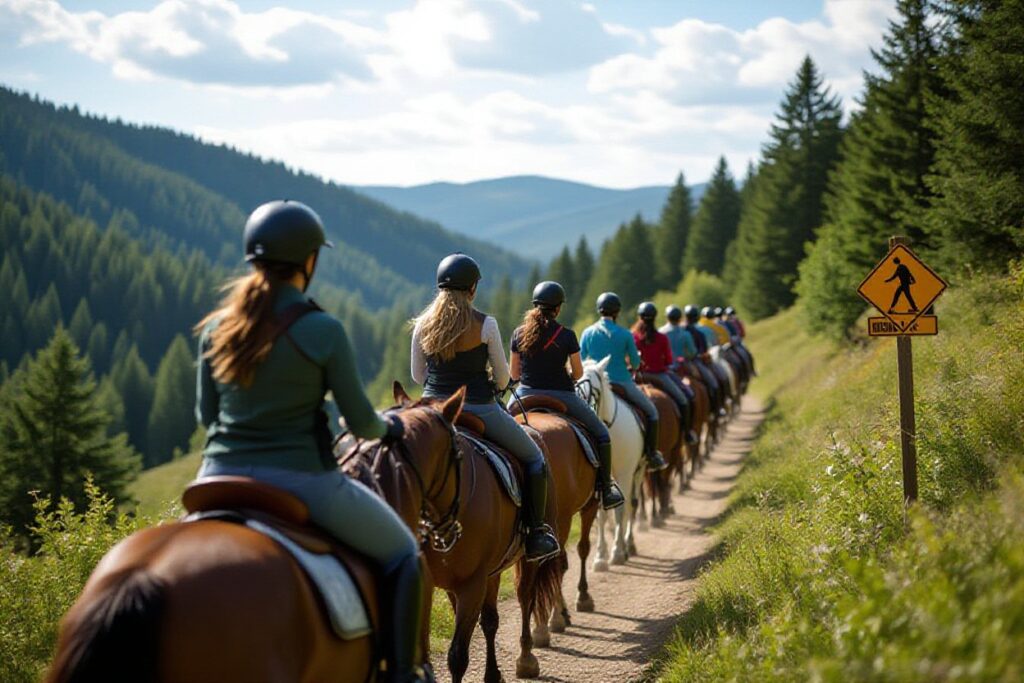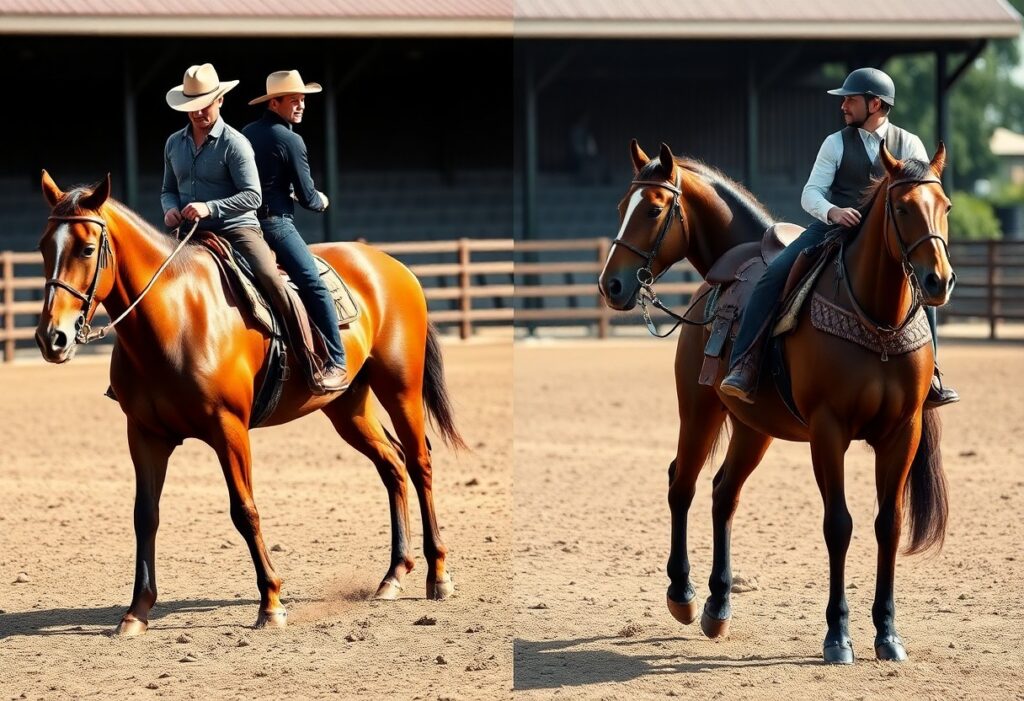
You’re about to begin your journey as a horse owner, and choosing between Western and English riding is one of your first most important decisions. Each style affects your horse’s training, your riding gear, and how you connect with your horse. Choosing the wrong style can lead to frustration or even safety risks, but the right fit brings greater confidence, control, and enjoyment from day one.
Major Types of Riding Disciplines
- Western riding evolved from ranch work and emphasizes comfort over long hours
- English riding stems from European cavalry and hunt traditions
- Trail riding is common in both styles but favors Western for endurance
- Dressage and jumping are core English disciplines
- Reining and cutting highlight Western horse responsiveness
Assume that your riding goals will shape which discipline fits best.
| Origin | American ranching culture |
| Saddle Weight | Heavier, with horn for roping |
| Rider Posture | Deep seat, longer stirrups |
| Horse Training | Responsive to subtle cues |
| Common Use | Trail, reining, cutting |
The Heritage and Mechanics of Western Riding
You’ll find that Western riding grew from the demands of working cattle across vast ranches. Its deep-seated tradition values a smooth gait and steady control. The saddle distributes rider weight evenly, reducing fatigue on long rides. Assume that
The Precision and Tradition of English Riding
English riding focuses on close communication between you and your horse through refined aids. The lighter saddle allows greater feel and movement. Disciplines like dressage demand exactness, while jumping tests agility and trust. Assume that
Discipline in English riding begins with posture-your alignment directly affects your horse’s performance. You sit taller, with shorter stirrups, enabling precise leg and seat cues. In dressage, every movement is choreographed, highlighting harmony. Over fences, your timing must be sharp to maintain rhythm. The close contact required means small errors are quickly amplified, making consistent training crucial. Assume that mastery comes from repetition, not force.
Essential Equipment for the New Owner
Every new horse owner must prioritize safety and comfort for both horse and rider. Start with a properly fitted saddle, bridle, and helmet-each tailored to your chosen discipline. Ill-fitting gear can cause pain and behavioral issues, so invest time in professional fittings. Include grooming tools, hoof picks, and quality riding boots to complete your foundational kit.
Western Saddles and Functional Tack
Western saddles distribute rider weight over a larger area, reducing pressure on the horse’s back during long rides. They feature a horn for roping and a deep seat for stability. Choose durable leather and proper tree size to ensure comfort and function.配套 items like breast collars and tie-downs enhance control in ranch work or trail settings.
English Bridles and Specialized Apparel
English bridles are lighter and simpler, designed for direct rein contact and refined communication. You’ll wear close-contact or dressage saddles paired with tailored riding breeches and tall boots or paddock boots with half-chaps. A properly adjusted bit and bridle prevent mouth injuries and support responsive training.
English riding emphasizes precision, so your bridle must fit precisely. The bit sits in the horse’s mouth with subtle pressure, requiring sensitive hands. Use a cavesson noseband to stabilize the bridle without restricting breathing. Pair this with a properly fitted helmet certified for equestrian use-head protection is non-negotiable in any fall. Breeches with knee or full seat grips help maintain correct leg position, enhancing balance and effectiveness in the saddle.
Key Factors Influencing Your Choice
Choosing between Western and English riding depends on several personal and practical considerations.
- Your riding goals
- Available training facilities
- Preferred horse breeds
- Comfort with tack style
Recognizing what aligns with your lifestyle ensures long-term satisfaction and progress.
Assessing Rider Physicality and Comfort
Body type and physical comfort play a major role in your riding experience. English saddles are smaller and offer less support, demanding more balance and core strength. Western saddles provide greater stability and cushioning, often better for riders needing added back or seat support. Recognizing your physical needs helps prevent discomfort and injury over time.
Determining Long-Term Equestrian Objectives
Your future goals shape the best path forward. If you dream of dressage or jumping competitions, English riding supports those ambitions. Ranch work or trail riding often aligns with Western disciplines. Recognizing where you want to be in five years guides your starting point today.
Long-term objectives influence not just your riding style but also your horse selection, training approach, and community involvement. English disciplines often emphasize precision, form, and progression through structured levels, ideal for those drawn to technical challenges. Western riding fosters a deep partnership suited for endurance, responsiveness, and working with livestock. Your chosen path will shape your daily practice, so align it with the future you envision.
Pros and Cons of Western and English Styles
Choosing between Western and English riding depends on your goals, discipline preferences, and comfort level. Each style offers distinct advantages and limitations that directly affect your experience as a first-time horse owner.
| Aspect | Details |
|---|---|
| Western Saddle Stability | Deep seat and high cantle offer greater stability, especially for beginners |
| English Saddle Fit | Lighter design allows closer contact with the horse’s movement |
| Riding Posture | Western promotes relaxed, upright posture; English requires more core engagement |
| Discipline Range | English supports wider range of disciplines like dressage, jumping, eventing |
| Trail Riding Suitability | Western is ideal for long hours in the saddle over rough terrain |
| Learning Curve | Western can feel more forgiving for novice riders |
| Equipment Cost | English tack may require more frequent replacement due to performance demands |
| Horse Training Focus | Western emphasizes responsiveness to subtle cues; English focuses on precision |
| Competition Access | English offers more competitive pathways internationally |
| Rider Independence | English riding develops finer balance and self-carriage earlier |
Evaluating the Stability and Ease of the Western Seat
You’ll find the Western saddle’s deep seat and wide stirrups provide noticeable support, especially when starting out. This design reduces fatigue and helps maintain balance, making it easier to stay secure during unexpected movements.
Analyzing the Technicality and Versatility of English Riding
English riding demands more from your posture and timing, but it builds exceptional coordination between you and your horse. The style’s structure allows you to transition across disciplines with relative ease.
Mastering English riding means refining subtle cues through seat, legs, and hands in close harmony. Because this style emphasizes precision, you develop a heightened awareness of your horse’s gaits and responses. Jumping, dressage, and eventing all stem from this foundation, giving you access to diverse riding challenges. While it may feel less forgiving at first, the skills you gain translate across nearly every equestrian pursuit, making it a powerful choice for growth-focused riders.
A Step-by-Step Approach to Starting Out
Choosing your riding path begins with clear, manageable steps that build confidence and skill. The table below outlines key actions to take in your first months as a horse owner exploring Western or English disciplines.
| Step | Action |
| 1 | Visit both Western and English facilities to observe lessons and interactions. |
| 2 | Select a trainer experienced in your preferred style and certified in safety practices. |
| 3 | Schedule introductory lessons focused on ground skills and horse behavior. |
| 4 | Practice mounting, dismounting, and rein handling with supervision. |
| 5 | Begin short, guided rides at the walk, then progress to trotting only when your coach approves. |
Identifying the Right Coach and Training Facility
You need a coach who communicates clearly and prioritizes safety above all. Look for clean, well-maintained facilities where horses appear calm and healthy. A good trainer will assess your skill level honestly and tailor lessons to your goals, ensuring you build a strong, confident foundation without rushing.
Mastering Basic Mounting and Rein Control
Proper mounting prevents injury to you and the horse. Always mount from the left side, using the stirrup correctly and swinging your leg over smoothly. Hold the reins with even tension-too much pull can startle the horse, while too little gives no direction.
Once on the horse, your seat and hand position shape your control and balance. Keep your heels down, back straight, and hands steady at hip level. Rein contact should be soft but consistent, allowing clear communication. Practicing these basics daily builds muscle memory and trust, making every ride safer and more enjoyable. Incorrect rein use can lead to resistance or spooking, so precision matters from day one.
Expert Tips for First-Time Horse Management
Start with clear daily routines to build trust and predictability. Always prioritize proper nutrition, regular veterinary care, and clean hoof maintenance. Learn your horse’s body language to catch health issues early. Any consistent effort in learning and observation strengthens your role as a confident owner.
- Provide fresh water and balanced nutrition daily
- Schedule routine farrier and veterinary visits
- Monitor behavior for signs of stress or illness
- Keep shelter clean and safe from hazards
- Practice calm, confident handling every interaction
Essential Safety Protocols for the Barn and Arena
Always wear a helmet and sturdy boots when near horses, even on the ground. Keep aisles clear, secure feed storage, and inspect equipment regularly. Fire extinguishers and emergency contacts must be visible. Any lapse in safety awareness increases risk-stay alert at all times.
Building a Strong Bond Through Consistent Groundwork
Groundwork builds mutual respect and trust without the pressure of riding. Use clear cues and reward calm behavior. Leading exercises and lunging teach focus and obedience. Any time spent on the ground improves communication and confidence.
Spending dedicated time on groundwork lays the foundation for all future training. You’ll learn how your horse responds to pressure, space, and voice commands in a controlled setting. This daily practice reinforces your role as a calm leader and reduces anxiety during new experiences. Over time, your horse will seek your guidance, making every interaction safer and more effective.
Conclusion
To wrap up, choosing between Western and English riding depends on your goals, lifestyle, and the kind of connection you want with your horse. You now have the foundational knowledge to make an informed decision that aligns with your preferences and riding aspirations.
FAQ
Q: What are the main differences between Western and English riding styles?
A: Western riding originated from the working practices of cowboys in the American West, focusing on long hours in the saddle and quick, responsive movements for cattle work. The saddle is larger with a horn, offering more stability and comfort over rough terrain. English riding comes from European traditions and emphasizes close contact between rider and horse, using a lighter saddle without a horn. Riders typically perform disciplines like dressage, jumping, or eventing. The posture, attire, and rein handling also differ-Western riders usually use one hand on the reins, while English riders use two.
Q: Which riding style is better for a first-time horse owner?
A: The best style depends on your goals and lifestyle. Western riding can be easier for beginners who plan to trail ride or live on a ranch, as the saddle provides more security and the pace is often slower. English riding teaches precise communication and balance early on, which builds strong foundational skills. If you’re interested in competitive events like jumping or dressage, English may be the better starting point. Many first-time owners try both styles through lessons before deciding.
Q: Do I need different equipment for Western and English riding?
A: Yes, each style requires specific gear. Western riding uses a heavier saddle with a horn, a wide stirrup, and a single rein attached to a curb bit. Riders wear cowboy boots, jeans, and sometimes a hat. English riding gear includes a lightweight saddle, a bridle with a snaffle bit, and two reins. Riders wear tall or paddock boots, breeches, and a helmet. The horse’s grooming and tack setup also vary slightly between styles. First-time owners should budget for the correct equipment based on their chosen discipline.