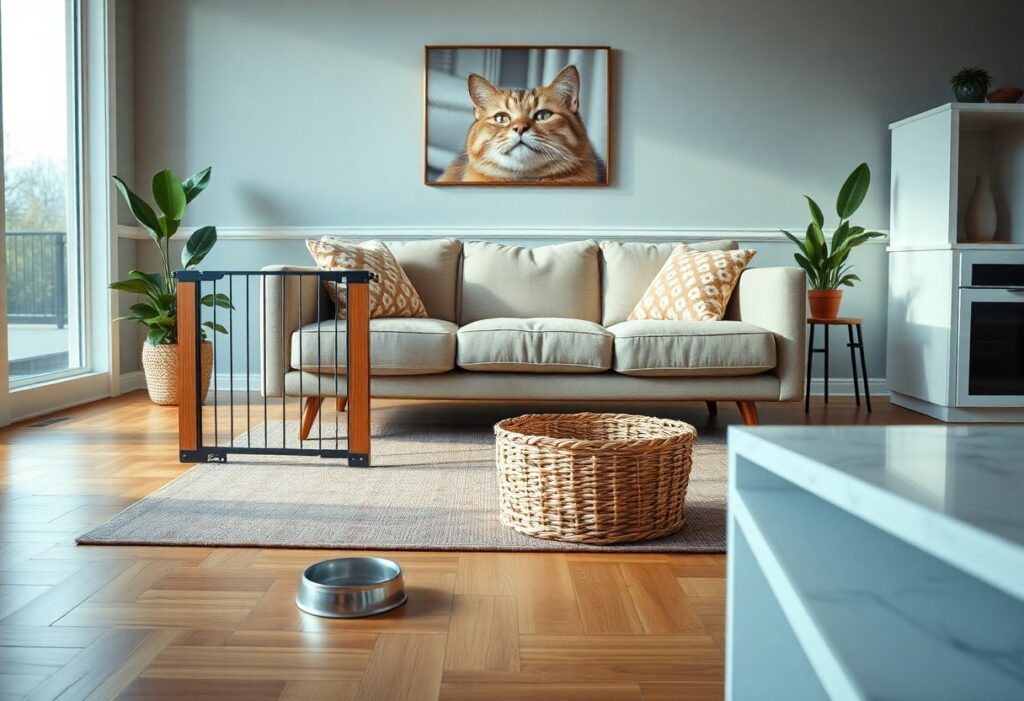
Bunny chewing on cords or furniture puts your pet at serious risk of injury or poisoning. You can protect both your rabbit and your décor by strategically securing hazards. Use cord covers, block access to baseboards, and choose non-toxic, durable materials that blend with your style. Smart swaps keep your space beautiful and your bunny safe.
Identifying Rabbit Hazards: Key Safety Factors
Spotting dangers in your living room keeps your rabbit safe and your space stylish. Common risks include exposed wires, toxic plants, and small spaces where rabbits can get stuck. Always block access to baseboards, furniture legs, and dangling cords.
- Electrical cords – a top chewing hazard
- Toxic houseplants – harmful if ingested
- Loose rugs – can cause slipping injuries
- Open shelves – potential falling hazards
Recognizing these risks early prevents accidents.
Assessing Potential Chewing Targets
Your rabbit will chew almost anything within reach, so inspect every surface at their level. Baseboards, furniture legs, and dangling cords are prime targets. Cover or redirect with safe alternatives like untreated wood or cardboard. Protecting these areas prevents tooth damage and ingestion of harmful materials. Recognizing which items attract chewing helps you act before damage occurs.
Evaluating Flooring and Surface Grip
Slippery floors make it hard for rabbits to move safely and can lead to joint injuries. Bare wood, tile, or laminate offer little traction. Place non-slip mats or low-pile rugs to create secure pathways. Avoid loose fabrics that can tangle their feet. Recognizing poor grip zones helps you create a safer environment.
Floors without proper traction force rabbits to grip with their toes, straining their hips and spine over time. This is especially risky for larger or older rabbits prone to mobility issues. Opt for textured, low-pile rugs secured with double-sided tape or rubber backing. These provide stability without clashing with your decor. A well-gripped floor supports natural movement and prevents long-term health problems.
How-to Protect Wiring and Cables Discreetly
Exposed cords invite chewing, and a single bite can lead to dangerous electrical hazards or costly damage. You don’t need to sacrifice safety for design-smart solutions exist that keep wires hidden and pets safe while maintaining your room’s aesthetic flow.
Using Decorative Cord Management Systems
Stylish cord covers shaped like baseboards or painted to match your walls blend seamlessly into your decor. These systems conceal wires along floors and furniture edges, offering a clean look while keeping cables out of your bunny’s reach.
Strategic Placement of Power Strips
Mount power strips high on the back of furniture or under tables where bunnies can’t access them. This simple move prevents chewing and reduces clutter, giving you a safer, neater space without visible cords.
Positioning power strips behind heavy furniture or using wall-mounted brackets keeps them out of hopping range. Since bunnies explore low to the ground, placing outlets and strips above 12 inches dramatically lowers the risk of contact. Use cord clips to guide wires upward neatly, ensuring they stay organized and unreachable while supporting your room’s polished appearance.
Protecting Furniture While Maintaining Aesthetics
You can keep your living room stylish while shielding your furniture from curious bunnies. Choose decor that blends function with design, like chic baskets to hide cords or decorative barriers that complement your color scheme. Smooth, hard surfaces are less tempting to chew than fabric or wood edges, helping you protect pieces without sacrificing elegance.
Installing Transparent Corner Guards
Clear corner protectors let you guard sofa legs and table edges without disrupting your room’s look. These nearly invisible shields stick easily to sharp angles where rabbits tend to nibble. They’re simple to install and remove, making them a practical, low-impact solution that preserves both furniture and design flow.
Selecting Rabbit-Resistant Upholstery
Durable fabrics like microfiber or tightly woven synthetics resist chewing better than natural fibers. These materials stand up to bunny teeth while offering a soft, inviting look. They’re also easy to clean, which helps maintain a fresh appearance even with active pets nearby.
When choosing upholstery, prioritize tight weaves and synthetic blends that don’t fray easily. Rabbits are drawn to loose threads and soft textures, so smoother, denser fabrics reduce temptation. Leather or faux leather options provide an even stronger barrier against chewing, and modern finishes offer warmth and style without inviting damage. These choices protect your investment while keeping your space cozy and visually cohesive.
Tips for Shielding Baseboards and Walls
Protect your baseboards and walls from curious bunnies with simple, stylish solutions. Use clear plastic protectors, reposition furniture, or install decorative barriers. Prevent chewing and scratching without sacrificing your room’s aesthetic. This keeps your space safe and looking great.
Applying Clear Plastic Wall Protectors
Clear plastic wall protectors offer an invisible shield against bunny teeth and claws. Attach them along baseboard edges where your rabbit tends to chew. They’re easy to clean and blend seamlessly with your decor. This prevents damage while maintaining your room’s clean look.
Integrating Furniture to Block Access
Furniture can act as a natural barrier to protect vulnerable wall sections. Place sofas, bookshelves, or low cabinets along baseboards your bunny targets. Ensure pieces are stable and leave no tight gaps for hiding. This deters chewing and adds functional style.
Strategically positioning furniture not only enhances your layout but also creates physical boundaries your rabbit can’t easily bypass. A heavy bookshelf or a long console table blocks access to baseboards while serving a daily purpose. Make sure there’s no space behind items where your bunny might squeeze in and cause unseen damage. This method combines practicality with subtle protection.
Integrating Stylish Floor Coverings
Smart floor choices protect your space without sacrificing design. You can maintain elegance while shielding surfaces from curious teeth and paws. The right materials stand up to bunny activity and still complement your décor. Style and function coexist when you choose wisely.
Choosing Durable Low-Pile Rugs
Opt for low-pile rugs made from tightly woven synthetic fibers or natural sisal. These resist fraying when nibbled and are less likely to trap claws. A flat texture discourages digging, while bold patterns hide minor wear. Durability meets design without looking utilitarian.
Utilizing Easy-Clean Modular Tiles
Interlocking floor tiles offer a practical defense against messes and chewing. You can quickly replace a damaged section without redoing the whole floor. Spills and accidents wipe up in seconds, and the variety of finishes lets you mimic wood or stone.
Each tile locks securely into place, reducing tripping hazards while creating a stable surface for hopping. If your bunny targets a corner, simply swap that panel instead of tearing up flooring. Many are phthalate-free and non-toxic, adding a critical safety benefit if chewing occurs. Their flexibility lets you customize coverage exactly where you need it.
Creating a Cohesive Habitat Design
Designing your rabbit’s space as part of your living room aesthetic ensures harmony between function and style. You’re not just building a habitat-you’re integrating a living element into your home’s flow. Use consistent colors, materials, and clean lines so the enclosure feels intentional, not like an afterthought. Safety and style can coexist when planning is thoughtful and design choices are deliberate.
Selecting Modern Enclosure Options
Choose enclosures that double as furniture, like low benches with hidden access panels or minimalist pens made from powder-coated metal. These options keep your rabbit secure while blending with contemporary decor. Open-top designs encourage interaction and allow for easy supervision without disrupting the room’s visual balance.
Camouflaging Litter and Hay Stations
Hide litter boxes inside faux end tables or repurpose stylish baskets to hold hay. This keeps necessarys accessible to your bunny but invisible to guests. Clever concealment prevents mess visibility while maintaining a polished look. Simple modifications turn functional items into seamless decor elements.
Transform ordinary storage into dual-purpose decor by placing a woven seagrass basket under a side table to hold fresh hay-your rabbit will nose into it freely while it adds texture to your space. Use a decorative screen or a small console with a cut-out compartment to tuck in a litter box, making cleaning easy without sacrificing aesthetics. Proper ventilation is non-negotiable, so never fully seal these areas. With the right covers and placement, no one will guess where bunny duties happen.
To wrap up
Now you know how to protect your living room from curious bunnies without sacrificing style. Use durable materials, secure cords, and smart furniture placement to create a safe space. Choose decor that doubles as protection, like woven baskets or elevated shelves. Your room stays elegant, and your bunny stays out of trouble.
FAQ
Q: How can I protect my furniture from my rabbit chewing on it without making the room look like a cage?
A: Start by choosing durable, rabbit-safe materials for your furniture, like solid wood instead of particle board, which is easier for bunnies to gnaw. Place chew guards-clear plastic or vinyl protectors-around the base of table legs, chair corners, and any wooden trim your rabbit can reach. These are nearly invisible and blend into your decor. Use natural distractions like sisal-wrapped posts or cardboard tubes near tempting spots. Position your sofa or coffee table slightly away from walls to limit access to baseboards. A well-designed layout with hidden protection keeps your space stylish and your rabbit safe.
Q: What kind of cords and wires are safest to leave out if I want a clean look in my living room?
A: No exposed cords are truly safe around rabbits, but you can manage them discreetly. Run power strips and cords behind furniture or along baseboards using flat cord covers that paint over to match your walls. Use braided cable sleeves in neutral colors to bundle wires together and tuck them under a media console. For lamps or devices near the floor, install spring-loaded cord retractors or place the equipment on elevated surfaces. If you must have cords within reach, wrap them in spiral wrap tubing or hard plastic conduit-these are chew-resistant and can be painted or covered with fabric to match your room’s aesthetic.
Q: Can I still have houseplants in a bunny-friendly living room?
A: Yes, but choose plants carefully and place them out of reach. Rabbits are drawn to soft, leafy greens, so keep toxic or tempting plants like pothos, philodendron, or spider plants on high shelves, in hanging planters, or inside closed terrariums. Opt for rabbit-safe plants such as wheatgrass, oat grass, or herbs like basil and mint-but only offer those as occasional treats, not free access. Use decorative plant stands with narrow bases or place potted plants in corner nooks where your rabbit can’t easily hop in. A few well-placed green accents add life to your room without risking your pet’s health.