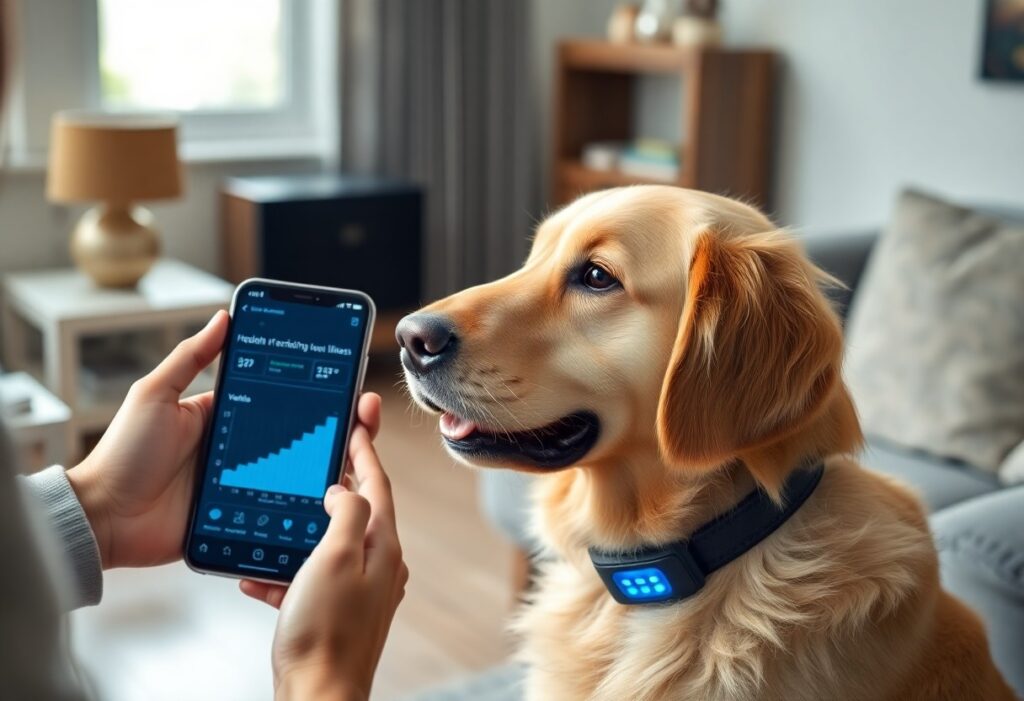
Over 70% of AI collars track heart rate and activity so you can detect early signs of illness, weigh benefits like fewer emergency visits, and watch for false alarms that delay care.
The Evolution of AI in Veterinary Diagnostics
AI has shifted diagnostics from manual observation to data-driven alerts, giving you earlier detection of conditions while exposing risks like false positives that demand vet confirmation.
Transitioning from Activity Tracking to Health Monitoring
Devices evolved from counting steps to measuring heart rate and temperature, helping you detect subtle changes; continuous vitals offer context beyond activity but require clinical validation.
How Machine Learning Identifies Abnormal Pet Behavior
Models analyze patterns in sleep, gait, and feeding to flag deviations, enabling you to spot early illness signs while balancing sensitivity to avoid excessive false alarms.
Training blends vet-labeled cases, wearable sensor streams, and environment data so you can trust algorithms to detect subtle preclinical changes. You should be aware that biased datasets risk missed diagnoses and false reassurance, so insist on clear accuracy metrics, demographic diversity, and ongoing model updates.
Critical Metrics Tracked by Modern Smart Collars
Collars log activity, temperature, GPS and vital signs so you can spot trends; modern collars enable early illness detection and push alerts for dangerous events like fever spikes or sudden immobility.
Heart Rate Variability and Respiratory Monitoring
Heart rate variability and respiratory data give you precise trends, helping detect abnormal heart rhythms or shallow breathing so you can seek veterinary care before conditions worsen.
Sleep Quality and Frequency of Scratching Analysis
Sleep tracking and scratching frequency reveal rest disruption and itch patterns, helping you identify allergies, skin infections or pain that require prompt attention.
Analyzing sleep cycles, nocturnal restlessness, and scratch bursts gives you actionable insight. Sustained sleep fragmentation or a sudden rise in scratching often signals pruritus, dermatologic disease, or discomfort, while gradual sleep decline may indicate systemic illness; use trends to discuss targeted tests with your vet and watch for rapid deterioration requiring immediate care.
The Science of Predictive Illness Detection
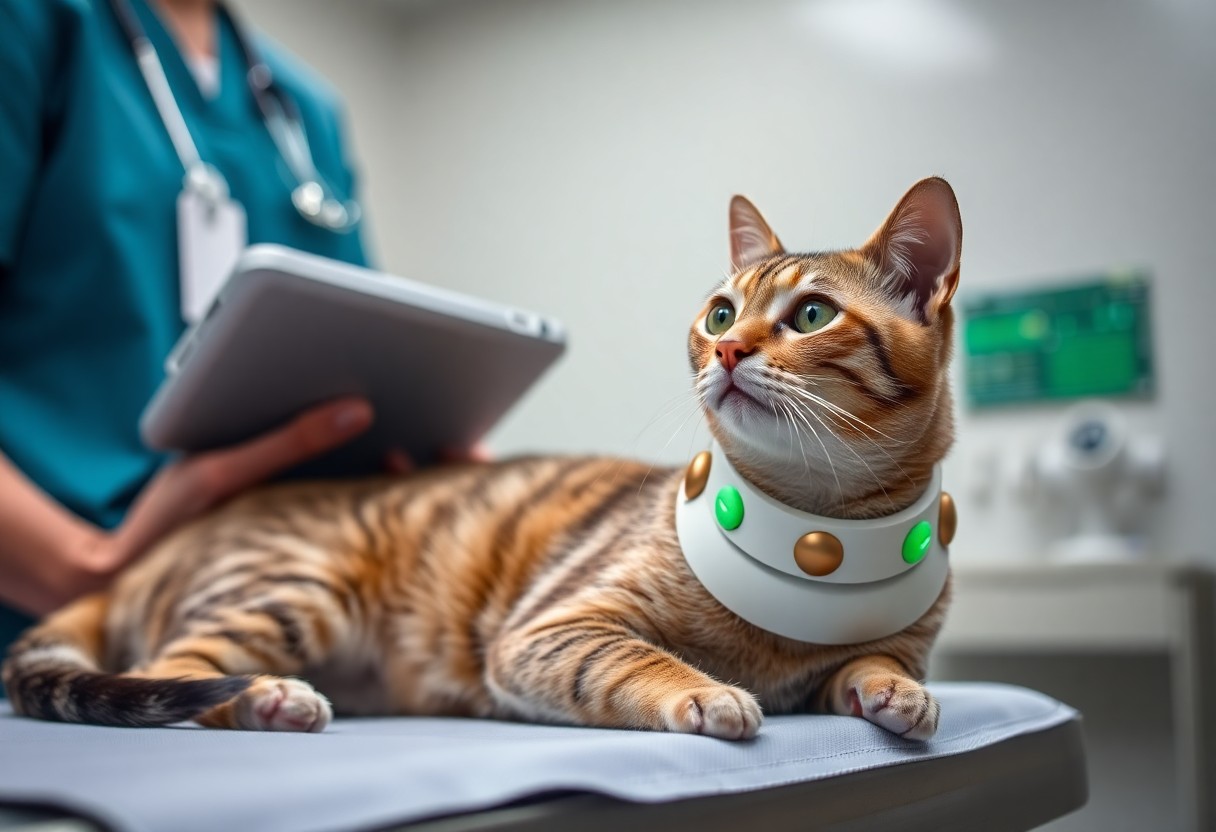
Sensors in smart collars analyze heart rate, respiration, temperature and activity to detect subtle changes before symptoms appear, so you can act on earlier warning signs and lower the chance of severe illness.
Early Warning Systems for Joint and Cardiac Issues
Activity monitoring detects subtle gait changes and heart-rate irregularities so you can receive alerts for worsening joints or arrhythmias and arrange timely veterinary care before problems escalate.
Integrating Wearable Data with Clinical Veterinary Records
Data synchronization with medical records lets your vet compare trends over time, improving diagnostic accuracy and tailored treatment, while patient privacy is preserved through encryption.
Veterinarians can import collar-derived streams-heart rate variability, step cadence, temperature-into electronic health records so you and your vet correlate device trends with exams, labs and imaging; AI triage highlights potentially life-threatening events for immediate review and sets actionable thresholds, while consent-based sharing and standardized formats protect data and support clinical decision-making.
Practical Considerations for Pet Owners
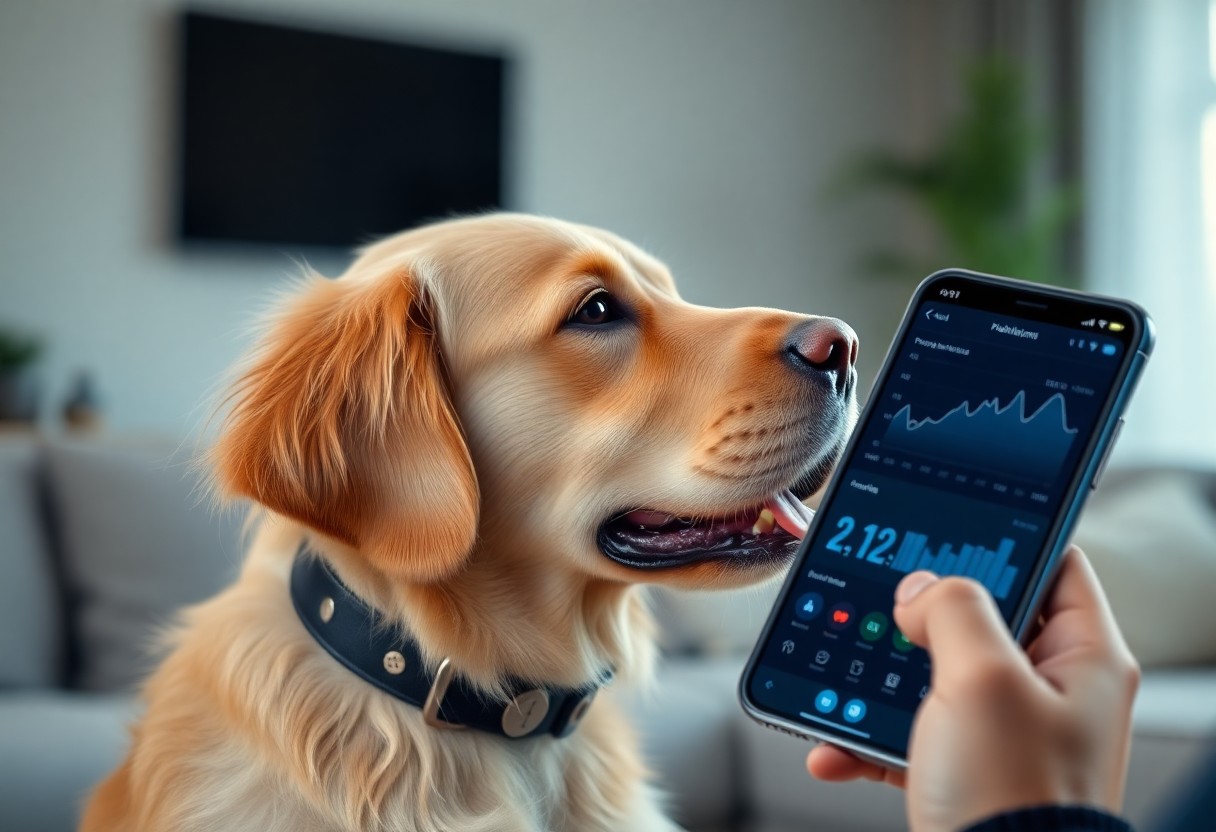
When you choose an AI collar, balance real-world accuracy, battery life, size, and vet integration; sensors that promise early warnings can produce false alarms. You should plan follow-up with your veterinarian before acting on alerts to avoid unnecessary stress.
Evaluating Device Accuracy and Battery Longevity
Assess device studies and ask manufacturers for clinical validation and sample sizes; higher sampling rates drain power faster. You should prefer devices with firmware updates and replaceable batteries. Watch for short battery life and favor products with validated sensors to reduce missed or false health signals.
Subscription Models and Data Privacy Standards
Compare subscription tiers for cloud features and telehealth; some plans hide costs while offering predictive analytics. You should check the privacy policy for data sharing with third parties and confirm whether you can export or delete your pet’s records to limit exposure.
Examine billing details for recurring fees, trial length, and cancellation rules before committing; high monthly fees may surpass the device price over time. Scrutinize data handling: insist on end-to-end encryption, clear retention timelines, and vendor commitments against selling data. You should confirm data jurisdiction and demand export/delete controls and explicit no third-party sale clauses to minimize breach risk.
The Role of Wearables in Preventive Care
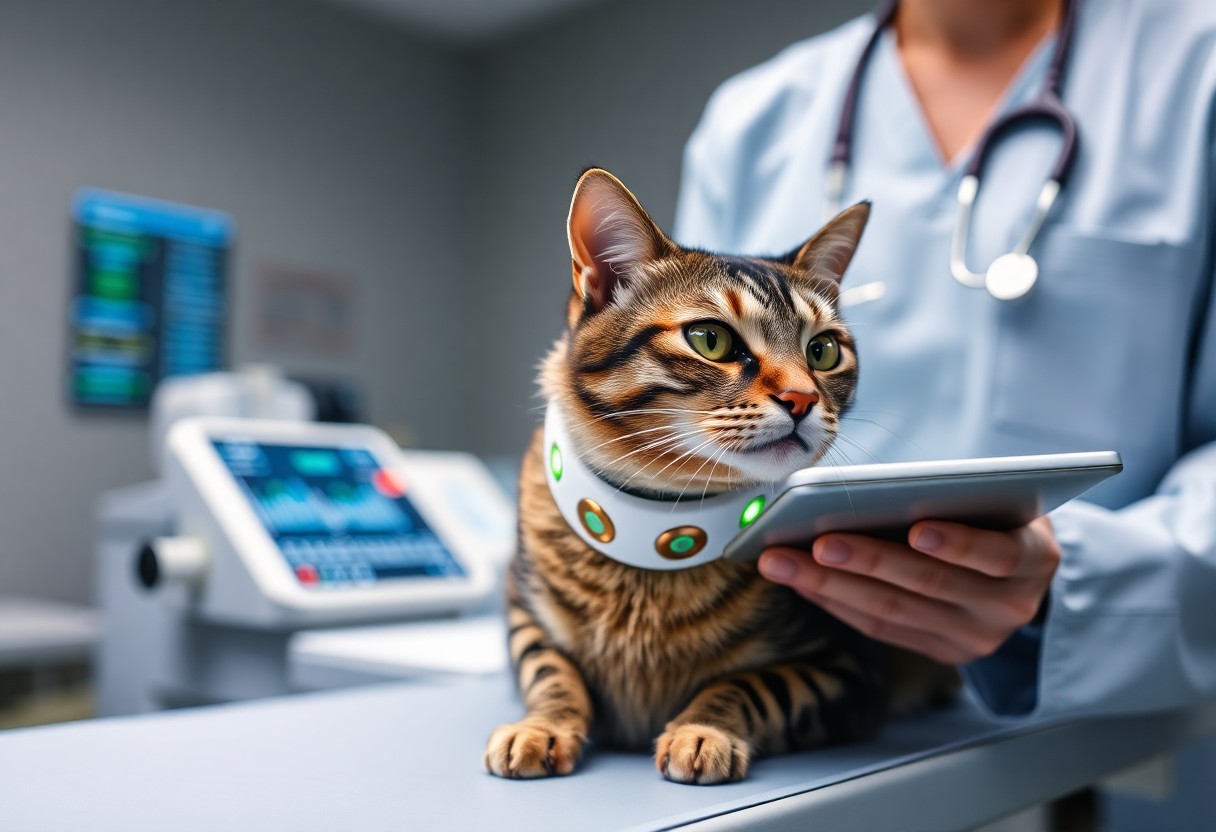
Wearables collect continuous data-activity, heart rate, and temperature-so you spot subtle shifts before symptoms appear. When your collar flags abnormal vitals, you can act sooner to reduce progression to serious illness.
Reducing Emergency Visits through Constant Surveillance
Continuous monitoring sends you real-time alerts for sudden drops or spikes, letting you seek care before conditions escalate. Collars catching critical changes can cut ER trips and lower the risk of life-threatening events.
Enhancing the Owner-Veterinarian Partnership
Connected devices let you share objective logs with your vet, improving diagnosis speed and treatment accuracy. Shared data reveals patterns you might miss and supports quicker, tailored care.
When you and your vet review continuous collar data together, they can match trends to exams and history to reach clearer diagnoses and adjust therapies more precisely. This collaboration also defines monitoring thresholds and triggers for tests, often resulting in earlier interventions and fewer hospital stays.
To wrap up
The best AI-powered collars can detect early signs of illness by monitoring activity, heart rate, and temperature, giving you actionable alerts so you can seek veterinary care sooner.
FAQ
Q: Can AI-powered collars predict illness in my pet, and how do they work?
A: AI-powered collars combine sensors (accelerometers, heart rate and respiratory monitors, temperature sensors, sometimes bioimpedance or GPS) with machine learning models that establish an individual baseline for each animal. Models detect deviations from baseline in activity, sleep, gait, heart rate variability, respiratory patterns, and temperature that often precede visible symptoms of infection, pain, cardiac issues, or metabolic imbalance. Algorithms generate trend data and alerts when statistical thresholds are crossed, allowing earlier veterinary evaluation than waiting for obvious signs. Collars provide early-warning signals rather than definitive diagnoses; clinical examination and diagnostic tests remain necessary to confirm and treat illness.
Q: How accurate are these collars and what are their limitations?
A: Published accuracy varies by device, metric, and study design; sensitivity for detecting abnormal patterns in controlled trials can exceed 80-90% for some conditions, while specificity and real-world performance are often lower. Factors that reduce accuracy include poor fit or intermittent wear, breed- and size-related physiological differences, environmental noise, limited or biased training datasets, and conditions that do not produce clear physiological signatures. Expect false positives (alerts without disease) and false negatives (missed issues), especially for rare or subtle disorders. A minority of products have peer-reviewed validation; many rely on proprietary algorithms without independent verification. Veterinary confirmation is required before basing treatment decisions solely on collar data.
Q: What should I look for when choosing an AI health tracker for my pet?
A: Prioritize the sensors and metrics that match your pet’s health risks (heart-rate and activity monitoring for cardiac concerns, temperature and respiratory data for seniors or suspected infections, motion/gait analysis for arthritis). Review battery life, data transmission method, and wear time recommendations because continuous data improves baseline accuracy. Check data ownership and privacy policies to understand who can access or use your pet’s information. Compare subscription costs, available integrations with veterinary clinics, and alert customization options to ensure long-term value. Verify physical design for comfort, secure fit, water resistance, and durability for your pet’s activity level. Seek devices with published validation studies or independent reviews and plan to share collar data with your veterinarian to interpret alerts and decide on follow-up diagnostics.