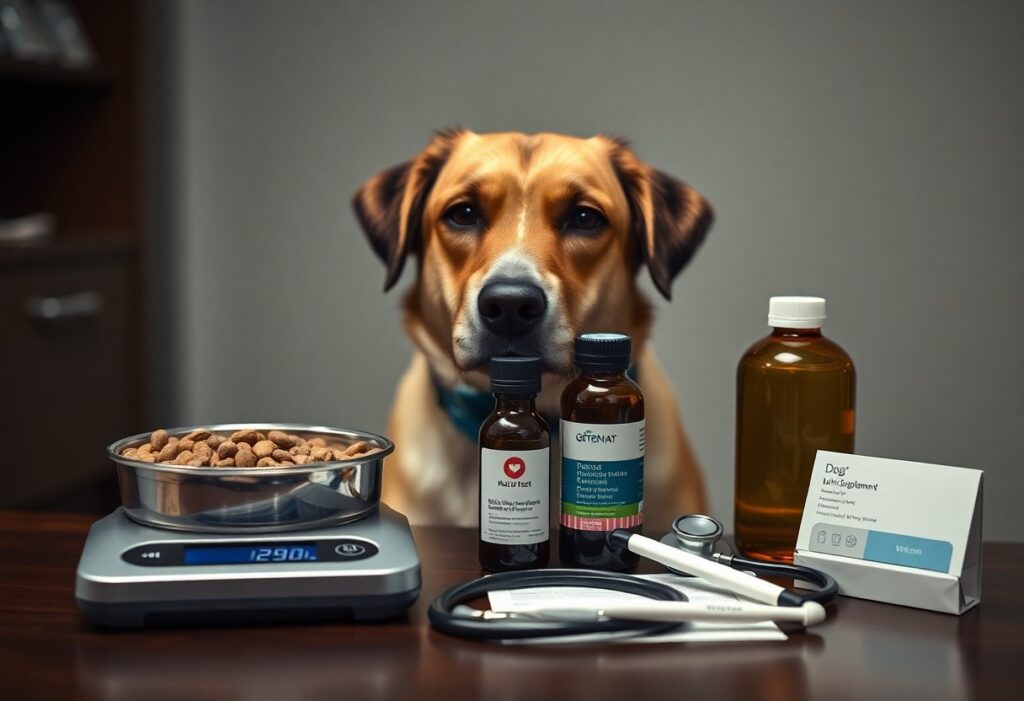
Healthspan techniques show you how to extend your dog’s life using diet, exercise, preventive care, and targeted supplements; you reduce disease risk, detect problems early, and avoid obesity and joint decline that shorten lifespan.
Understanding Canine Longevity: Key Biological Factors
Genes influence metabolism, disease risk, and aging rates; you can modify outcomes through care and screening. Cellular health, telomere shortening, chronic inflammation, and body condition shape lifespan. Any changes in these areas affect your dog’s healthspan.
- Genetics
- Inflammation
- Telomeres
| Genetics | Breed risk, inherited diseases affecting lifespan |
| Telomeres | Shortening predicts cellular aging and disease |
| Inflammation | Chronic inflammation accelerates organ decline |
| Metabolism/Size | Smaller dogs often live longer than large breeds |
| Environment | Pollutants and diet influence cellular damage |
Genetic Predispositions and Breed Types
Breed-specific risks determine common diseases and average lifespan; you should screen and tailor care to size and lineage. Larger breeds age faster and face orthopedic issues. Assume that mixed breeds often show reduced incidence of single-gene conditions but still require proactive screening.
- Breed risks
- Screening
Environmental Impact on Cellular Health
Exposure to pollutants, smoke, and poor diet accelerates cellular damage through oxidative stress and inflammation, so you must minimize toxins. Air quality and household chemicals alter DNA repair and immune function, increasing risk.
Chronic low-level exposure to PM2.5, secondhand smoke, and pesticides increases reactive oxygen species, damages mitochondria, and shortens telomeres; you should prioritize ventilation, clean water, low-toxin products, targeted antioxidants, weight control, and regular vet screening to protect cellular health and extend lifespan.
Medical Innovations: Pros and Cons of Geroprotectors
Geroprotectors offer targeted mechanisms to extend canine healthspan, but you must balance measurable lifespan gains with potential long-term side effects; consult your vet and monitor labs if you choose to proceed.
| Pros | Cons |
|---|---|
| Improved mobility and activity levels | Unknown long-term toxicity in dogs |
| Slower cognitive decline | Increased infection or cancer risk |
| Reduced age-related disease incidence | Potential for drug interactions |
| Biomarker improvements (inflammation, metabolic) | High cost and access barriers |
| Quality-of-life gains for some patients | Variable efficacy across breeds and ages |
| Targets conserved aging pathways | Off-target effects and unpredictable outcomes |
| May delay chronic disease onset | Requirement for lifelong monitoring |
| Growing research interest and trial activity | Limited regulatory oversight for veterinary use |
Evaluating Emerging Longevity Supplements
Assessing new supplements, you should prioritize peer-reviewed trials, validated biomarkers, and clear safety data before trying them on your dog.
Weighing the Risks of Biological Interventions
Consider how interventions can provide benefits yet carry serious immunological or cancer risks; you must evaluate risk-benefit with specialists and complete pre-treatment screening.
Clinical evidence is often limited and short-term, so you should insist on long-term follow-up and standardized endpoints; require baseline labs and imaging. Talk to your veterinarian and a specialist to review cancer risk, immune suppression, potential drug interactions, and the plan for frequent monitoring and dose adjustments.
Advanced Exercise Protocols: A Step-by-Step Approach
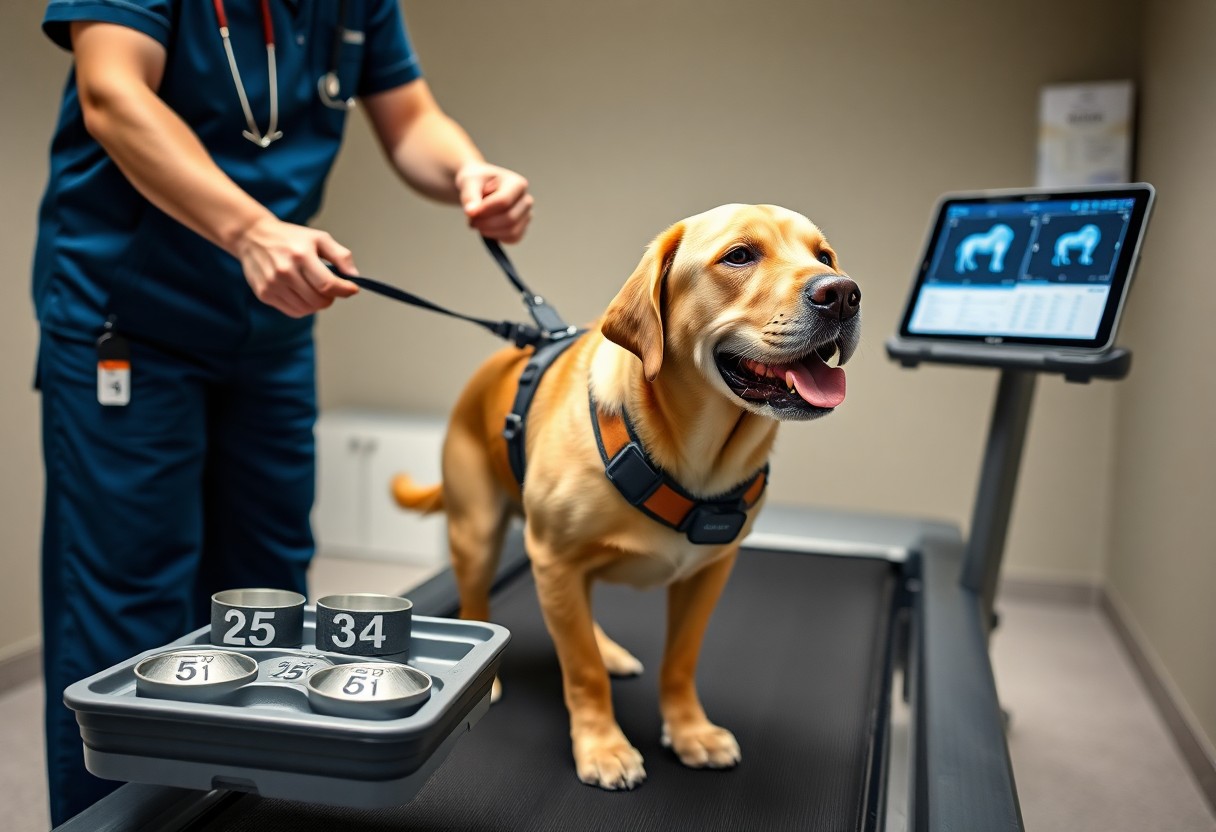
Start a progressive plan cycling intensity while you monitor heart rate, gait, and recovery. Increase load by about 10% weekly, include interval sessions, and schedule rest days. Watch for limping, severe panting, or collapse and stop immediately.
- Assess baseline: you record weight, mobility, and resting HR.
- Plan phases: you alternate strength, endurance, and flexibility weeks.
- Measure progress: you log distance, tempo, and recovery metrics.
- Rest and rehab: you schedule active recovery and joint-focused sessions.
- Review with vet: you adjust intensity for age, breed, and medical issues.
Protocol Steps vs Practical Tips
| Step | Practical Tip |
|---|---|
| Baseline Assessment | You perform a gait video and simple fitness tests. |
| Progression | You raise load ~10% weekly and track fatigue signs. |
| Recovery | You include hydrotherapy or massage after intense sessions. |
Low-Impact Conditioning for Joint Longevity
Hydrotherapy and controlled walks reduce joint strain while you build muscle and maintain mobility. Use short, frequent sessions with gradual duration increases, and adjust intensity for age and breed. Prioritize warm-up and signs of pain to avoid worsening arthritis.
Cognitive Stimulation and Mental Healthspan
Play scent games, puzzle feeders, and novel routes to keep your dog’s mind sharp; rotate challenges and social time. Targeted mental work can slow decline and improve behavior, and you should watch for withdrawal or confusion as red flags.
Structured training combines scent work, problem-solving toys, and short obedience drills you run daily to support synaptic function and reduce anxiety. Aim for 10-20 minutes of varied tasks twice daily, increase complexity as skills improve, and log engagement. Modify or pause if you notice disorientation, persistent pacing, or sudden aggression, and consult your vet for tailored cognitive therapy.
Preventive Care: Essential Healthspan Tips
Routine checks help you catch issues early and keep your dog healthier. This focuses on preventive care, vaccination, dental health, weight management and parasite control.
- Preventive care
- Vaccination
- Dental health
- Weight management
- Parasite control
Early Detection through Diagnostic Screening
Screening helps you find problems before symptoms appear; schedule annual blood panels, urinalysis and targeted imaging to detect cancer and organ disease when intervention is more effective.
Optimizing Recovery and Sleep Environments
Sleep areas you provide affect healing and mobility; give your dog a supportive bed, quiet low-light space and stable temperature to reduce pain and improve rest.
Supportive bedding that offloads pressure points helps your senior and post-op dogs heal faster. Add non-slip surfaces, raised bowls and short ramps to prevent slips and limit joint strain. Manage noise, lighting and medication timing so you reduce pain peaks and sleep disruption. Use vet-recommended orthopedic beds and temperature control to speed recovery.
Implementing the Plan: Step-by-Step Integration
| Timing | Your Action |
|---|---|
| Week 1-2 | Introduce diet swaps slowly, start short daily walks, and log weight and appetite. |
| Week 3-6 | Increase exercise length, add joint-friendly play, begin recommended supplements, and schedule baseline vet tests. |
| Month 3+ | Perform routine screenings, maintain dental care, and adjust feeding and activity based on tracked trends. |
Transitioning to Longevity-Focused Routines
Begin by changing one habit at a time: swap to a balanced longevity diet over two weeks, add daily mobility work, and set consistent feeding and exercise windows; watch for weight gain or lethargy as early warning signs you must address.
Monitoring Vital Health Biomarkers
Track bloodwork, body condition, gait, dental health, and activity trends with monthly logs and wearables when possible; contact your vet for abnormal values, as rapid weight loss, high creatinine, or unexplained anemia demand prompt attention.
Schedule routine screening every 6-12 months (CBC, chemistry panel, urinalysis, thyroid, blood pressure) and keep a simple habit chart for weight, appetite, and mobility; compare results across visits and flag any rising creatinine, persistent high glucose, worsening dental infection, or sudden mobility decline so your vet can intervene early and improve outcomes.
Final Words
On the whole you can extend your dog’s life by focusing on balanced nutrition, regular exercise, preventive veterinary care, dental health, and mental stimulation; these five science-backed strategies help you reduce disease risk, improve mobility, and increase longevity while preserving quality of life.
FAQ
Q: What are the five science-backed ways in “The 2026 Pet “Healthspan” Guide” to extend a dog’s life?
A: Weight management through calibrated portion control and regular body-condition scoring; keeping a dog at an ideal weight reduces strain on joints, lowers diabetes and cancer risk, and improves mobility. Balanced, life-stage nutrition that emphasizes high-quality protein, appropriate fatty acids (EPA/DHA), and antioxidants; diets matched to age, size, and health needs support muscle mass, cognitive function, and immune health. Regular physical activity and mental enrichment tailored to breed and age; consistent aerobic and strength-building play preserves cardiovascular health, muscle, and joint function while training and puzzles reduce stress and cognitive decline. Preventive veterinary care and early disease detection including routine exams, dental care, parasite control, vaccination updates, and periodic bloodwork/imaging; early identification of disease increases treatment options and survival. Inflammation control through dental hygiene, omega-3 supplementation when indicated, management of chronic conditions, and environmental toxin reduction; lowering chronic inflammatory burden slows age-related tissue damage and improves quality of life.
Q: How do I put those five strategies into practice for my dog?
A: Start with a baseline: record weight, use a body-condition score (BCS) monthly, and photograph body shape to track changes. Convert veterinary guidance into a daily feeding plan by calculating calories for current and goal weight, splitting meals, and using measured portions; consult your veterinarian before switching diets. Build an exercise schedule that mixes 20-60 minutes of moderate aerobic activity per day (walks, swimming) with short strength- or balance-focused sessions and twice-weekly training or enrichment games; adjust intensity for puppies, seniors, and dogs with joint disease. Institute daily dental care (tooth brushing or dental chews as recommended) and schedule professional dental exams/cleanings per your vet. Book preventive-care milestones: annual or semiannual exams, parasite prevention year-round, and baseline bloodwork with age-related screening every 6-12 months for mature dogs; request screening tailored to breed risks. Discuss targeted supplements and medications with your veterinarian before starting them; keep a simple medication and appointment calendar to ensure adherence.
Q: Do age, breed, or medical conditions change what the guide recommends?
A: Breed and size alter timelines: giant and large breeds reach senior status earlier and require earlier orthopedic and cardiac screening, while small breeds often show geriatric changes later. Age modifies nutrition and exercise: growing puppies need higher-calorie, growth-formulated diets and controlled exercise to protect developing joints; seniors often need fewer calories but preserved high-quality protein and mobility-focused, lower-impact activity. Preexisting medical conditions demand tailored plans; dogs with diabetes, kidney disease, heart disease, or osteoarthritis need individualized diets, medication regimens, and monitoring schedules. Genetic testing and breed-specific risk awareness help prioritize screenings. Work with your veterinarian to set measurable goals (weight targets, mobility scores, lab values) and to adjust interventions based on response and quality-of-life assessments.