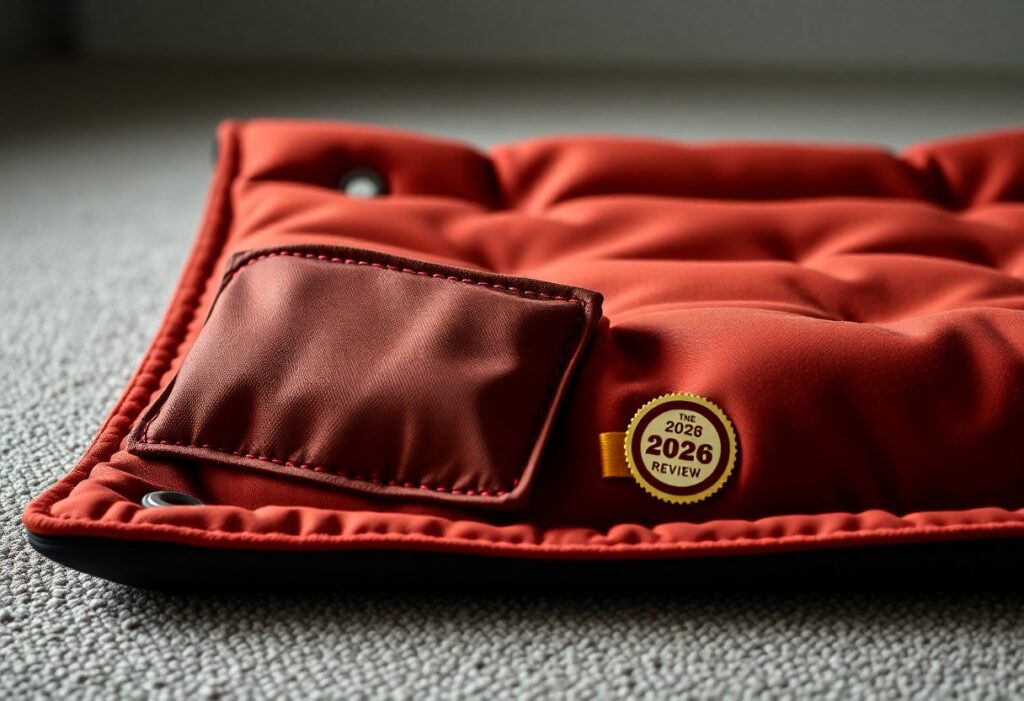
Over the past year you’ll find tested snuffle mats that resist shredding and hide kibble securely; choose models with tough, shred-proof materials to protect toys, and avoid thin weaves that pose a risk of ingestion and dental damage for aggressive chewers.
Key Takeaways:
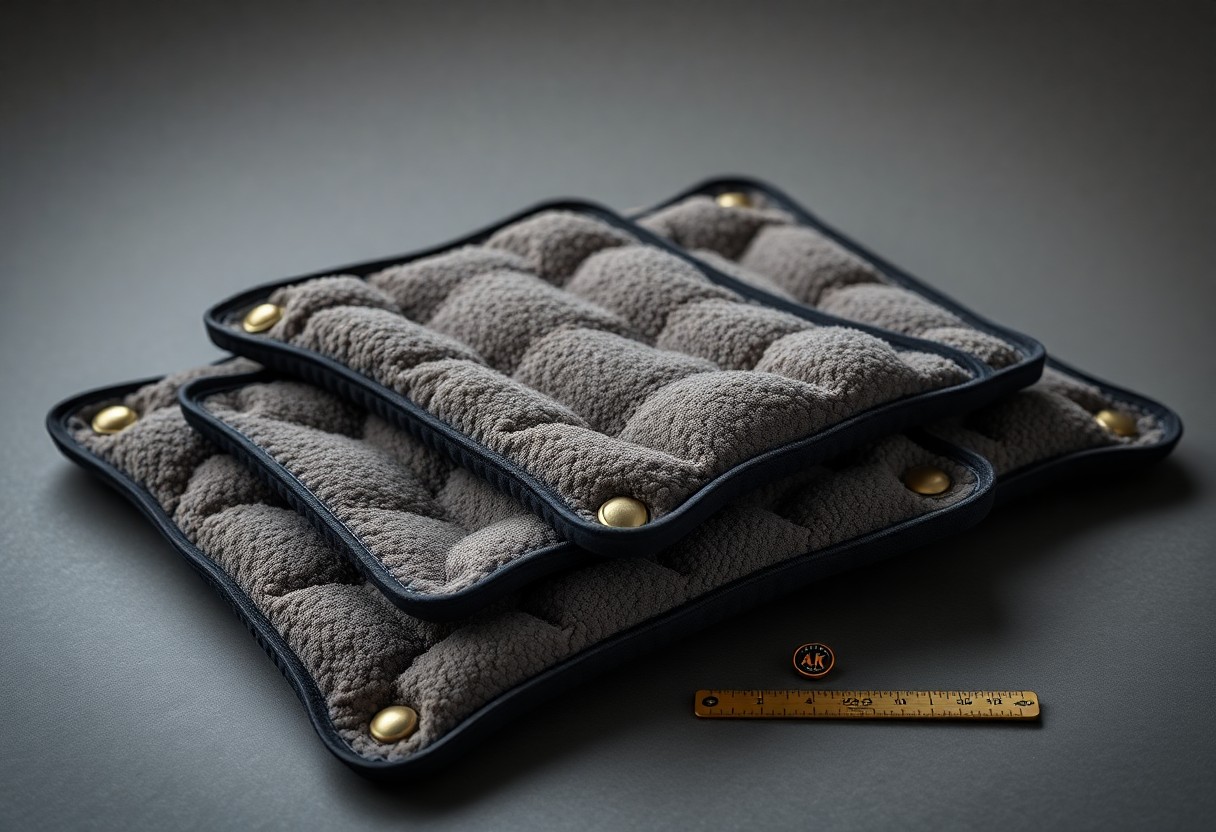
- Top-performing snuffle mats use heavy-duty materials like reinforced ballistic fabric, tightly packed fleece strips, and non-slip rubber backing to resist tearing and chewing.
- Design features such as layered construction, double-stitched seams, and reinforced centers prevent quick destruction and keep treats securely hidden.
- Machine-washable options with replaceable inserts and secure floor anchors deliver easier cleaning and longer usable life for aggressive chewers.
Why Standard Snuffle Mats Fail Aggressive Chewers
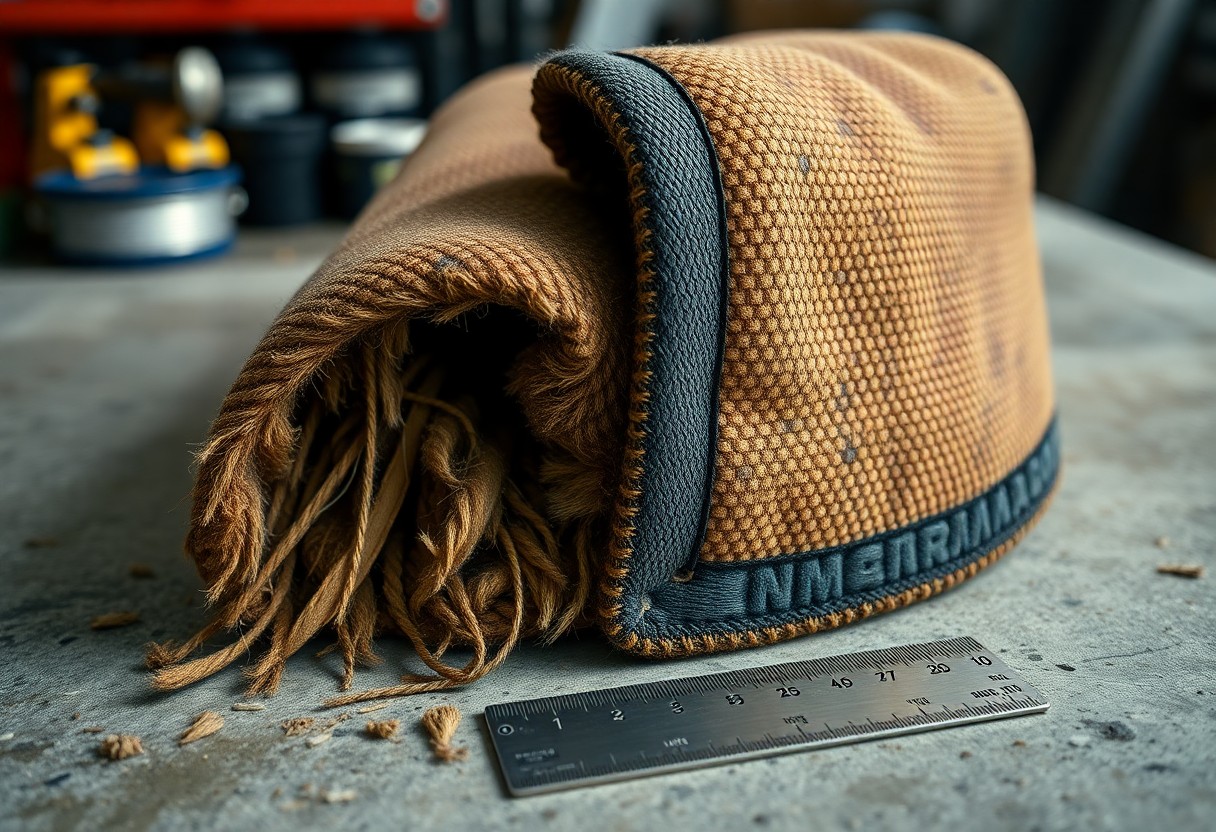
Most standard snuffle mats rely on thin fleece and loose stitching, so when you have an aggressive chewer they quickly tear, creating small pieces and holes that defeat scent-hiding play. You need options built for persistent gnawing with reinforced seams and chew-resistant layers.
Common Vulnerabilities in Traditional Fabric Designs
Fabric designs often use cut strips and glued layers that produce exposed edges and weak anchor points; you see fraying and ripping within minutes against powerful jaws, making the mat unusable and hazardous.
The Safety Risks of Ingesting Frayed Materials
Pets can swallow loose threads and fabric shards, which can cause intestinal blockages, choking, or emergency surgery; you must consider these acute dangers when a mat starts to fray.
You should watch for repeated vomiting, loss of appetite, abdominal pain, or lethargy-these can indicate a partial or complete intestinal obstruction from ingested fibers. If you suspect ingestion, remove the mat, keep samples of the frayed pieces, and contact your veterinarian immediately since surgery or endoscopy may be necessary. Regular inspection and choosing mats with non-fraying, chew-resistant materials reduce this risk.
Essential Durability Standards for 2026
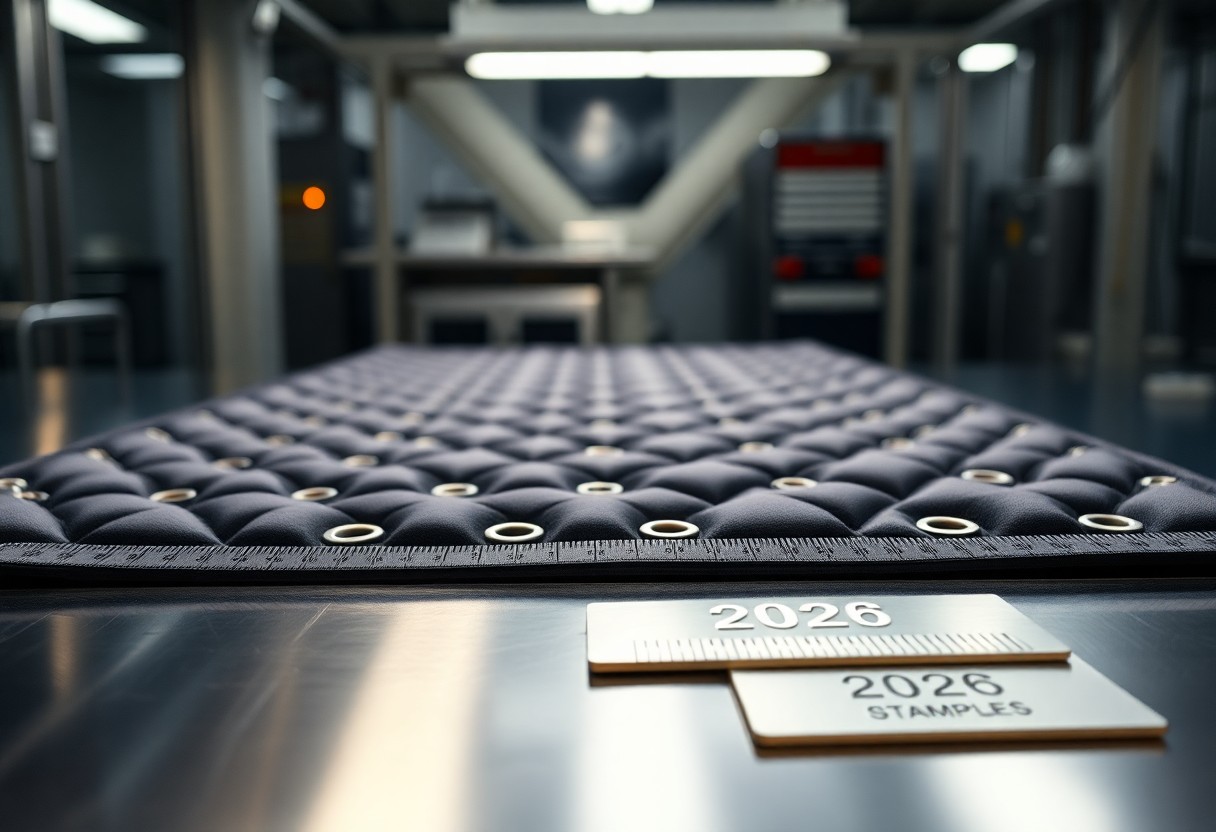
Standards for 2026 require you to choose snuffle mats with reinforced seams, tear-tested layers, and chew-proof backing to reduce ingestion risk and withstand heavy chewing.
Reinforced Triple-Stitched Construction Techniques
Triple-stitched designs give you three layers of seam protection, so seam failure and dangerous fraying are far less likely under aggressive chewing.
Industrial-Grade Tear-Resistant Fabrics and Webbing
Heavy-duty fabrics and webbing use high-tenacity fibers like ballistic nylon and UHMWPE to resist ripping, keeping you safer by minimizing exposed stuffing and ingestion hazards.
Look for materials rated 1000+ denier or labeled ballistic, reinforced webbing with stitched bar-tacks, and protective coatings that resist urine and saliva; these specs give you superior tear resistance and lower ingestion risk. You should inspect regularly and replace frayed mats to protect aggressive chewers.
Top-Rated Snuffle Mats for Extreme Chewers
These top-rated snuffle mats withstand aggressive chewers with reinforced layers, industrial-grade fabric, and double-stitched edges; you should supervise play to avoid ingestion hazards and retire any mat showing tears.
Best Overall: The Titan-Tough Enrichment Pad
Titan-Tough offers triple-layer construction and tear-resistant neoprene so you can hide large treats; it’s the top pick for persistent chewers but still requires supervision for safety.
Best for Large Breeds: The Heavy-Duty Forager XL
Heavy-Duty Forager XL fits giant jaws with extra-thick fleece, reinforced base, and anchored loops so you can trust it holds up to strong pulls; inspect for damage regularly to prevent choking risks.
You’ll find an industrial-grade ripstop nylon top layer, dense foam core, anti-slip backing, and reinforced seams; sizes cover 50-120+ lb breeds, the mat accepts large kibble and frozen treats, and it’s machine-washable for easy cleaning. Monitor heavy chewers-this model is durable but not indestructible, so remove at first sign of stuffing or hard fragments to prevent ingestion or choking.
Evaluating Base Stability and Grip Technology
Base stability tells you whether a snuffle mat resists pounces and tugs; prioritize models with low-slip profiles and dense weight distribution so your dog can’t flip or tear the mat while foraging.
Weighted Non-Slip Rubber Backing Systems
Weighted non-slip rubber backings give your mat added mass so you can prevent sliding across floors, lowering the chance that sudden pulls will expose stitching or inner layers.
Suction Cup Integration for High-Energy Foraging
Suction cup systems anchor mats to tile or hardwood so you can let your dog push and tug without displacement; test each cup’s holding strength before prolonged use.
When you use suction cups, confirm surface compatibility-tile and sealed hardwood offer the best adhesion while textured or porous floors reduce performance. You should wet cups slightly and press firmly, then tug to verify a secure hold. Replace worn cups promptly because repeated jarring increases the risk of suction failure, which can let an aggressive chewer fling the mat and expose filling or stitching.
Cleaning and Longevity Maintenance
Maintenance routines extend useful life: you should remove loose hair, pick out stuck treats, and inspect for fraying or bite-through spots to prevent ingestion hazards.
Machine Washability vs. Structural Integrity
Washing on a gentle cycle preserves fabric while protecting glued layers; you should use cold water, mild detergent, and air-dry only to avoid delamination.
Sanitization Protocols for Heavy Use
Sanitizing after heavy sessions prevents bacterial build-up; you should use pet-safe disinfectants, allow full drying, and replace mats showing mold, persistent odor, or bite-through holes.
When deep-cleaning, you should shake and vacuum first, then soak in warm, soapy water and scrub with a brush; rinse thoroughly. For stubborn contamination, test a diluted bleach solution on a hidden seam or use a 3% hydrogen peroxide spray labeled safe for pet gear. Always air-dry completely and inspect for weakened seams, foam breakdown, or embedded bacteria; discard if structural integrity is compromised.
Maximizing Enrichment While Minimizing Destruction
You choose heavy-duty fabrics, secure edges, and rotate mats so your chewer stays engaged; supervise intense sessions to prevent choking hazards and stop tearing before it becomes dangerous.
Supervised Play Strategies for Power Chewers
Limit sessions to short, frequent bursts and stay within arm’s reach so you can intervene; always stop immediately if shredding begins and swap to a chew-safe alternative.
Transitioning from Destructive Chewing to Mental Stimulation
Swap destructive chewing for puzzle rewards by starting with firm, layered mats and guiding your dog to sniff tasks; use positive redirection and remove mats with loose stuffing immediately.
Begin with five-minute supervised snuffle sessions, hiding high-value treats deep in secure pockets so your dog learns to sniff, not chew. If you spot tearing, remove the mat immediately and offer a sturdy chew toy; return to easier puzzles once focus returns. Increase challenge slowly, rotate textures, and consult a trainer or vet if destructive chewing persists to rule out anxiety or medical causes.
Final Words
Considering all points, you should choose heavy-duty nylon or reinforced fleece snuffle mats with sewn-in chew barriers and replaceable inserts, as those designs offer the best longevity and safety for aggressive chewers.
FAQ
Q: How do I choose a snuffle mat that can withstand aggressive chewing?
A: Look for mats constructed from industrial-grade felt, ripstop canvas, or ballistic nylon with a thick non-slip rubber base. Multiple layers of dense felt or double-layer fleece reduce tear-through and make it harder for teeth to reach the backing. Inspect stitching and edge finishes; heat-sealed seams or reinforced binding prevent fast unraveling. Prefer mats with replaceable strips or modular components so you can swap worn parts instead of replacing the whole mat. Check product specs for material weight and user reviews from owners of heavy chewers to confirm real-world durability. Supervised sessions and pairing the mat with durable chew toys will lower the chance your dog targets the mat itself.
Q: Are snuffle mats safe for dogs that are aggressive chewers?
A: Snuffle mats can be safe when chosen and used correctly, but risk increases with dogs that habitually shred toys. Choose mats without small glued-on decorations or loose parts and monitor the first few sessions to observe chewing behavior. Remove the mat immediately if strips start to fray or if your dog ingests fabric. Dogs that consistently destroy soft toys are better served by alternative feeders made of heavy rubber, metal, or reinforced materials. Inspect the mat before each use, limit unsupervised access, and replace or repair any compromised sections to avoid ingestion hazards.
Q: Which snuffle mats topped the 2026 review and what features made them the best for aggressive chewers?
A: Top picks in the 2026 review combined heavy-duty materials, reinforced construction, and practical maintenance options. Best overall: a multilayer felt model with a ballistic-nylon base, industrial-strength stitching, and replaceable fleece strips; performance strengths included long wear in heavy-chewer households and machine-washable convenience. Best safety-first option: a mat with anti-ingest mesh underlay and sealed edges to prevent access to internal layers; this model also offered a replacement program for worn components. Best value: a ripstop-canvas top with a thick rubber nonslip backing and modular strips that can be tightened or replaced; this option balanced durability and price for most owners. Replace any mat that shows fraying, loose stitching, or exposed backing to maintain safety and function.