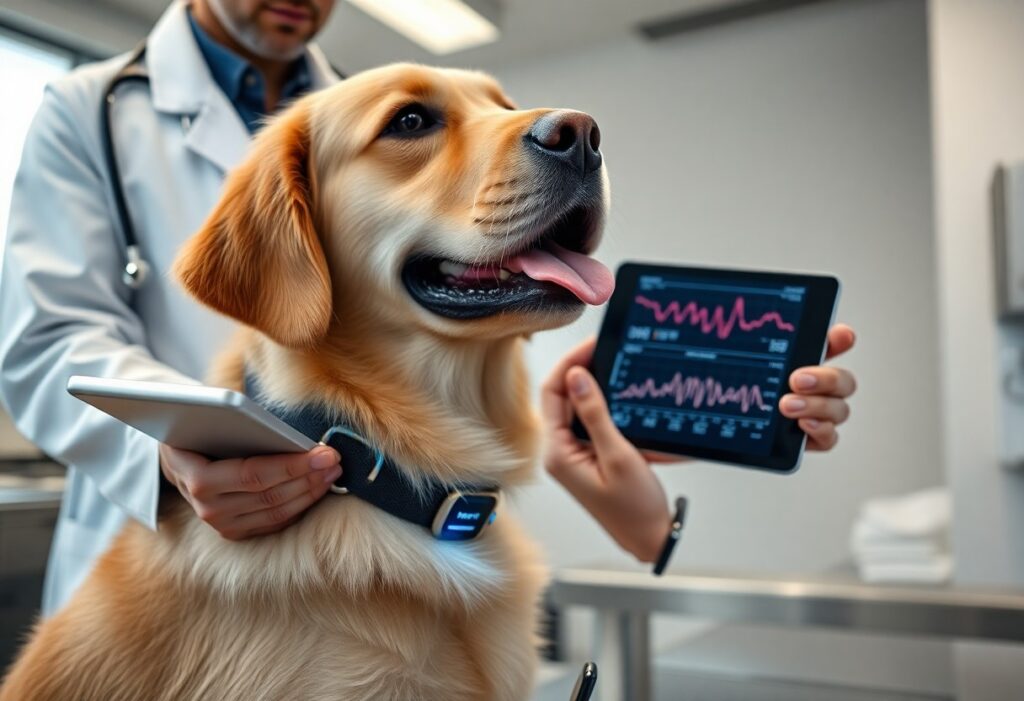
Over 70% of pet owners now use smart collars that track activity, heart rate, and sleep patterns. Some devices detect early signs of illness-like seizures or infections-before symptoms appear. While not a replacement for vet care, AI-driven alerts can lead to faster treatment and better outcomes. You’re getting real-time insights into your pet’s health like never before.
The Digital Scent of Sickness
You might not realize your pet is ill until symptoms become dangerous, but some smart collars now detect biochemical changes through odor analysis. Sensors pick up volatile organic compounds in breath and skin emissions, flagging early signs of infection or metabolic issues. This life-saving capability means conditions like kidney disease or diabetes could be caught before they escalate. You’re not just tracking location-you’re monitoring health in real time, silently, every day.
The Canine Veil of Silence
Your dog can’t tell you when something’s wrong. Subtle shifts in behavior or physiology often go unnoticed until symptoms become severe. These smart collars detect changes in heart rate, activity, and temperature long before you might. Early warnings could mean the difference between a quick recovery and a life-threatening condition. Silence doesn’t mean wellness-your pet’s health may be speaking in data you’ve never seen.
The Predictive Power of Code
You trust algorithms to monitor your pet’s activity, but what they detect might reveal early signs of illness before symptoms appear. Smart collars process data like heart rate variability and restlessness patterns, flagging anomalies tied to conditions like epilepsy or heart disease. When code identifies a deviation, it can alert you within hours, potentially enabling faster vet intervention. This isn’t magic-it’s machine learning trained on thousands of animal health records, working silently to protect your companion.
The Veterinary Consultation
You walk into the clinic with data from your pet’s smart collar, hoping for clarity. Your veterinarian reviews the trends-heart rate spikes, restlessness, temperature shifts-and identifies patterns that align with early infection signs. This isn’t a diagnosis from a device; it’s a collaboration. The collar’s alerts prompted action, but the vet’s expertise confirmed a urinary tract infection before symptoms worsened. Early detection through technology, guided by professional judgment, changed the outcome.
The Limits of Silicon Insight
Data Gaps and False Alarms
You might trust your smart collar to catch early signs of illness, but incomplete data can lead to false alarms or missed warnings. These devices rely on patterns, and if your pet’s behavior deviates without medical cause, the algorithm may misinterpret stress, play, or environmental changes as symptoms. Not every spike in activity means sickness-sometimes it just means a squirrel appeared.
The Horizon of Pet Care
You stand at the edge of a new era in pet wellness, where smart collars do more than track location-they monitor subtle shifts in behavior and vitals. Some devices can flag early signs of illness, like changes in heart rate or activity levels, before symptoms become severe. This predictive power means faster interventions and better outcomes. Your pet’s daily data could soon integrate with veterinary systems, giving professionals real-time insights. The future isn’t just reactive care-it’s staying ahead of disease. You’re no longer just observing; you’re anticipating.
Final Words
To wrap up, you’re seeing a shift in how pet health is monitored through AI-powered collars. These devices track activity, temperature, and behavior patterns, offering early clues to potential illness. While not diagnostic tools, they give you actionable insights that, when combined with veterinary care, can support timely interventions and improve your pet’s well-being.
FAQ
Q: How do AI-powered smart collars detect early signs of illness in pets?
A: Smart collars use embedded sensors to continuously monitor a pet’s vital signs such as heart rate, body temperature, activity levels, and sleep patterns. The AI analyzes this data over time, learning what is normal for the individual animal. When the system detects deviations-like a sudden drop in activity or an elevated resting heart rate-it flags these changes as potential health concerns. Some models also track breathing patterns and movement irregularities that may indicate pain or discomfort. By comparing real-time data to established baselines, the collar can alert owners to seek veterinary advice before symptoms become obvious.
Q: Can smart collars replace regular vet visits?
A: No, smart collars are not a substitute for professional veterinary care. They serve as an early warning system, not a diagnostic tool. While they can highlight possible health issues, only a licensed veterinarian can perform tests, make accurate diagnoses, and recommend treatment. The data from a smart collar can, however, support vet visits by providing detailed health trends over time, helping veterinarians spot patterns that might be missed during a brief office exam.
Q: Are AI pet collars accurate for all types of animals and breeds?
A: Accuracy varies depending on the pet’s size, breed, age, and behavior. Most smart collars are designed and trained using data from common breeds like Labrador Retrievers or domestic shorthair cats, so they may be less reliable for smaller or more exotic animals. Pets with high-energy lifestyles or thick fur might also challenge sensor performance. Manufacturers are improving algorithms to account for breed-specific traits, but owners should interpret alerts with context and not assume every notification indicates a serious problem. Testing and validation across diverse animal groups are ongoing.