Dog restlessness or withdrawn behavior signals boredom or anxiety; you must identify signs like destructive chewing, pacing, or aggression versus positive cues such as playful engagement and relaxed posture, so you can respond appropriately.
Key Takeaways:
- Boredom typically shows as repetitive, attention-seeking, or destructive behaviors during low stimulation (chewing, digging, shadow-chasing), while anxiety produces fear-driven signs like trembling, excessive panting, whining, escape attempts, or toileting linked to stressors.
- Context, timing, and triggers reveal the cause: boredom often occurs during understimulating or solitary periods and improves with play and enrichment; anxiety clusters around separation, loud noises, or change and persists despite added activity.
- Persistent, escalating, or dangerous behaviors deserve a veterinary exam to rule out medical causes and a certified behaviorist for targeted training and anxiety management plans.
The Psychological Distinction Between Boredom and Anxiety
Distinguishing boredom from anxiety helps you address needs correctly: boredom shows repetitive, low-energy behaviors, while anxiety produces pacing, panting, trembling, or escape attempts-escape and self-injury are dangerous.
Identifying the Roots of Under-stimulation
Home routines lacking variety leave your dog under-stimulated; common signs include chewing, yawning, and barking, and you can respond with play, training, or mental enrichment.
Understanding the Canine Stress Response
Stress triggers physiological changes you can spot: elevated heart rate, drooling, panting, and avoidance; watch for intense shaking or aggressive lunging as signs anxiety is severe.
Physiology shows cortisol spikes and digestive upset during anxiety; you should note context and frequency because repeated panic can worsen behavior and health, and calming strategies or vet care may be needed.
Destructive Habits: Exploration vs. Panic
Destructive habits reveal whether your dog is exploring or panicking; watch your dog’s frequency, force, and chosen objects to tell boredom from anxiety and prioritize interventions accordingly.
General Chewing and Household Mischief
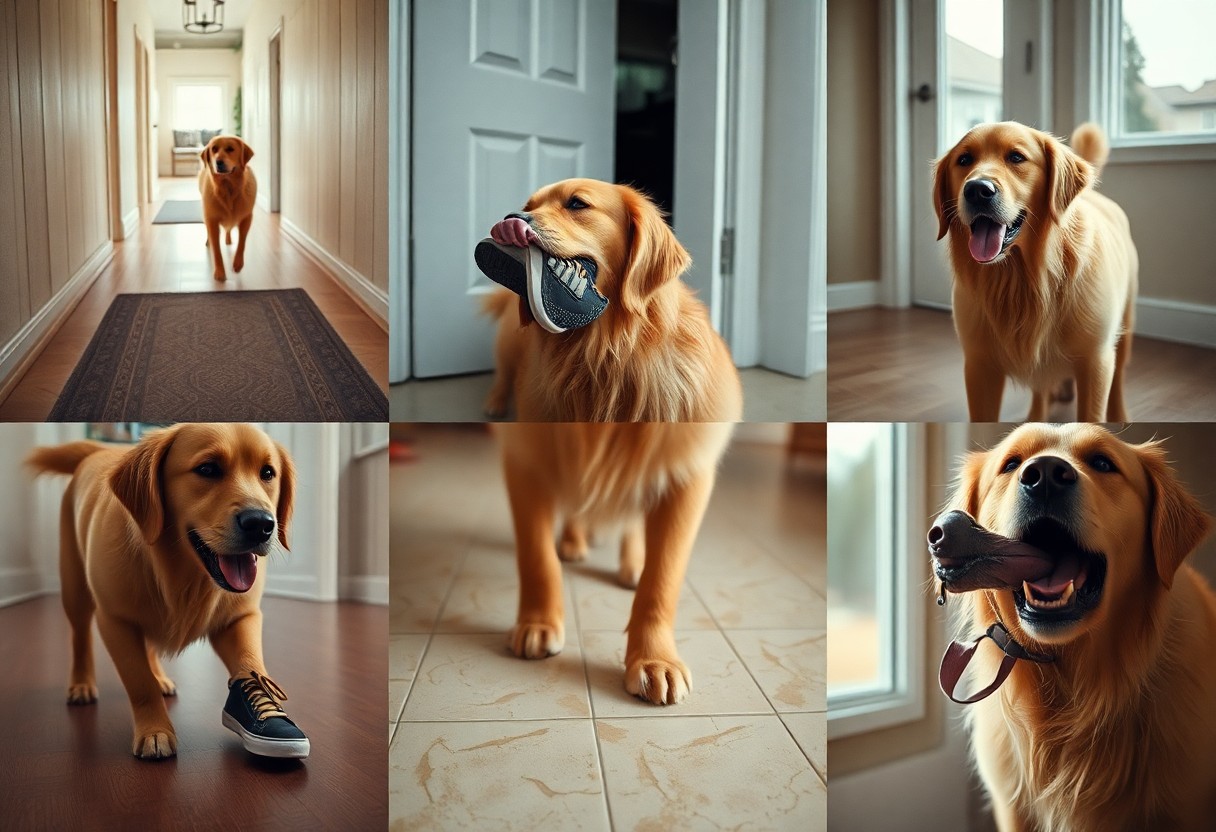
Typical household mischief-shoe chewing, sock theft, couch nibbling-often means you need to increase play and training; watch for chewing electrical cords or toxic items, which signals higher danger.
Targeted Destruction of Exit Points and Barriers
Focused destruction at doors, screens, or fences usually shows anxiety-driven escape attempts; you must address exit-point damage immediately to prevent injury or wandering.
Observe if your dog screams, paws frantically, soils near exits, or targets hinges; these signs point to separation anxiety and an immediate risk of escape. You should secure repairs, provide enrichment, and consult a trainer or behaviorist to reduce panic and keep your dog safe.
Interpreting Vocalization and Communication
Vocal patterns give you quick clues: short, varied noises often mean boredom, while repetitive, high-pitched calls can signal anxiety. Watch context and body language; persistent, escalating vocalization with destructive behavior suggests anxiety and needs intervention.
Demand Barking and Play-Related Whining
Playtime whining or demand barking often tells you that your dog wants attention or a game; short, intermittent barks paired with wagging are usually boredom-related. Use consistent redirection and reward calm behavior to teach alternatives.
Persistent Howling and Separation-Induced Distress
Separation howling that begins when you leave or see cues of departure signals anxiety rather than boredom; if it lasts after you leave and includes pacing or destruction, you should seek professional help to prevent escalation.
If your dog howls for long periods, shows frantic pacing, drooling, or self-injury, classify it as separation anxiety and act quickly; structured counterconditioning, gradual departures, puzzle feeders, and professional behavior modification or medication can reduce risk and improve welfare.

Physical Indicators and Displacement Behaviors
Watch for repeated yawning, lip-licking, hiding, or shifting weight; you may misread these as boredom, but displacement behaviors often signal anxiety when paired with other signs, especially if they intensify during common triggers like loud noises.
Pacing and Excess Energy Dissipation
Pacing, circling, or restless running often shows excess energy from anxiety rather than play; if you notice repeated late-night pacing or destructive chewing, increase exercise and consult a behaviorist before escalation.
Trembling, Panting, and Self-Soothing Licking
Trembling, heavy panting, or compulsive licking can indicate acute stress; if you see persistent shaking, open-mouth panting at rest, or skin damage from licking, treat as anxiety and seek veterinary advice.
Observe the context: if trembling or panting occurs during separation, thunderstorms, or vet visits, your dog is likely anxious; loss of appetite, collapse, or prolonged hyperventilation are emergency signs-contact your vet immediately.
Environmental Engagement and Focus
Observe how your dog interacts with toys, people, and surroundings; consistent sniffing and play suggest engagement, while persistent pacing, staring, or ignoring stimuli can signal anxiety or boredom. If you see destructive behavior or compulsive actions, treat as a warning sign and adjust enrichment or seek help.
Foraging and Digging for Mental Stimulation
Offer supervised foraging options like snuffle mats, scatter feeding, or a digging box to satisfy your dog’s natural instincts and reduce boredom; frantic, nonstop digging may indicate anxiety rather than healthy exploration.
Hyper-vigilance and Withdrawal Patterns
Watch for persistent scanning, exaggerated startle responses, or avoiding contact; these behaviors point to hyper-vigilance, while sudden hiding or loss of interest signals withdrawal and possible anxiety that you should address.
Your dog may show sleepless pacing, intense focus on sounds, or sudden refusal to interact; prolonged patterns can escalate to aggression or self-harm, so you should consult a behaviorist or veterinarian if signs persist.
Strategic Interventions for Behavioral Management
Strategies you choose should target boredom-driven activity and anxiety-driven reactions; combine enrichment, scheduled exercise, and training. You must monitor for escalation to aggression or escape attempts, and adjust plans if behaviors persist.
Implementing Enrichment and Physical Exercise
Exercise and mental enrichment reduce restlessness; rotate toys, add puzzle feeders, and schedule short training sessions. If you spot destructive chewing or persistent pacing, increase activity and contact your veterinarian.
Desensitization and Professional Therapeutic Support
Desensitization paired with counter-conditioning can ease trigger responses; work with a trainer to create gradual exposures. Seek a certified behaviorist if you see escalating aggression or self-injury.
Professionals assess your dog’s trigger thresholds, set measurable goals, and implement a stepwise program combining graded exposure with reward-based counter-conditioning. You should keep sessions short, record responses, and apply management to prevent incidents; veterinary evaluation and short-term medication may be advised if you observe self-injury or rapidly worsening aggression.
To wrap up
Presently you can distinguish boredom from anxiety by observing seven behaviors-restlessness, repetitive actions, vocalizing, destructive chewing, appetite changes, clinginess, and altered sleep-and respond with targeted play, training, or veterinary guidance to improve your dog’s wellbeing.
FAQ
Q: How can I tell if my dog is bored or anxious?
A: Look at context, body language, and timing to distinguish boredom from anxiety. Bored dogs often show low-intensity, attention-seeking behaviors such as chewing household items, nudging you for play, excessive sleeping punctuated by bursts of energy, or repeating simple play motions when understimulated. Anxious dogs display high arousal and stress signs like constant pacing with alert posture, trembling, panting when not hot, yawning and lip-licking in tense situations, vocalizing in panic (high-pitched whining or frantic barking), escape attempts at doors or windows, or indoor soiling tied to fear. Compare behavior to triggers: boredom tends to appear when the dog lacks exercise or enrichment, while anxiety usually follows specific stressors (separation, loud noises, new environments) or appears consistently in particular situations.
Q: What are the seven behavioral signs every owner should watch for?
A: Seven signs to monitor are destructive chewing, excessive vocalization, restlessness or pacing, clinginess or attention-seeking, repetitive or obsessive behaviors, changes in eating or sleeping, and physiological stress signals. Destructive chewing and digging often point to unmet physical or mental stimulation but can also occur during separation anxiety if concentrated near exits. Excessive barking or whining can signal boredom when seeking interaction, or anxiety when it rises sharply during departures or triggers. Restlessness that stops when you return usually means boredom; pacing with tense posture and panting suggests anxiety. Clinginess and following you constantly can mean a bored dog wanting company or an anxious dog seeking reassurance. Repetitive motions like spinning or tail chasing often indicate insufficient enrichment; repetitive trembling or shadow-chasing combined with other stress signs indicates anxiety. Loss of appetite or disrupted sleep may follow both states, with anxiety more likely to produce sudden change. Rapid breathing, drooling, dilated pupils, tucked tail, and indoor elimination are strong indicators of anxiety rather than simple boredom.
Q: What practical steps should I take if my dog shows signs of boredom or anxiety?
A: Start by adjusting exercise and enrichment, then monitor response and escalate support if needed. For boredom, increase daily physical activity and introduce varied mental challenges such as food puzzle toys, short training sessions, scent games, and rotating toys to maintain interest. For mild separation-related anxiety, practice gradual departures and short absences with positive reinforcement, provide durable long-lasting chews or frozen stuffed Kongs, and use timed treat dispensers or short training sequences before leaving. For anxiety that includes panic behaviors, consult your veterinarian to rule out medical causes and discuss anti-anxiety options; seek a certified behaviorist or qualified trainer for a structured desensitization and counterconditioning plan. Avoid punishment for anxious or bored behaviors, as punishment can worsen stress. Consider management tools like dog walkers, doggy daycare, or scheduled interactive play while you adjust routines to reduce the frequency and severity of the signs.