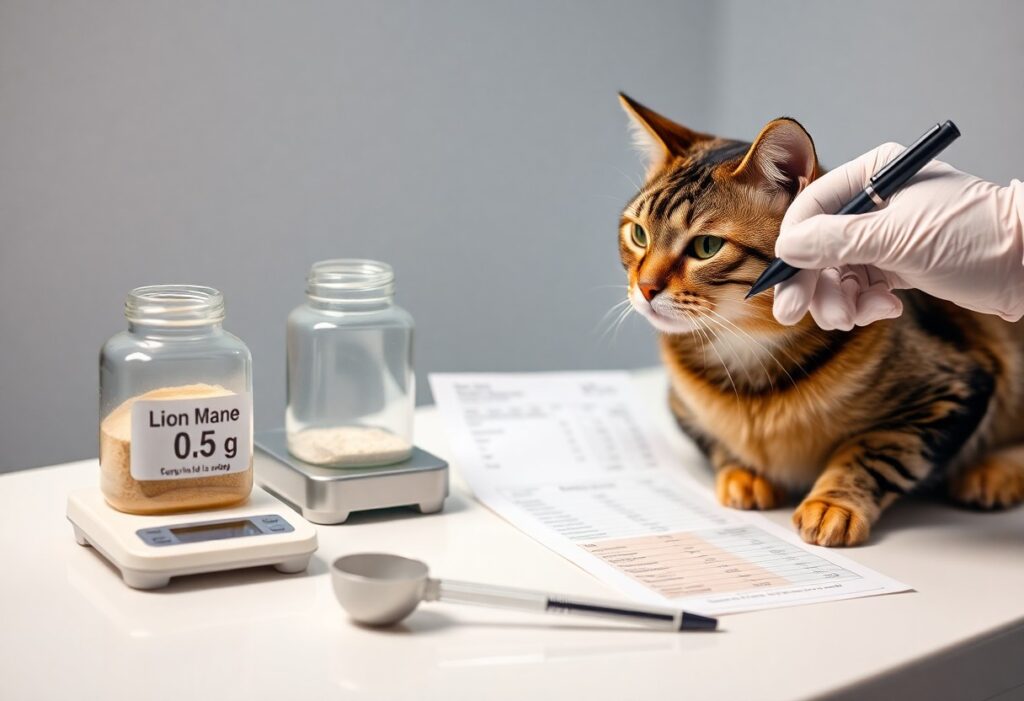
This concise guide shows you how to use lion’s mane mushrooms to support cognitive health in senior pets, including safe dosing, product forms, signs to watch, potential interactions, and when to consult your veterinarian to improve memory and alertness.
Understanding Cognitive Decline in Aging Pets
Aging pets often show subtle shifts in behavior as their brains change. You may notice memory loss, disorientation, altered sleep cycles, or decreased response to commands. Early detection helps with management and reduces risk of injuries from wandering or falls.
Common Symptoms of Senior Brain Aging
Watch for changes in house-training, decreased social interaction, aimless pacing, or sudden anxiety; these are common signs. If you see wandering, seizures, or sudden aggression, seek veterinary advice promptly.
The Neuroprotective Properties of Lion’s Mane
Research suggests lion’s mane may support nerve health by stimulating nerve growth factor (NGF) activity and reducing inflammation, which can help slow cognitive decline in senior pets when you use it responsibly.
Clinical and animal studies indicate compounds in lion’s mane, such as hericenones and erinacines, promote neuronal growth and protect against oxidative stress. You should consult your veterinarian before adding supplements, monitor for digestive upset or interactions with medications, and choose products with third-party testing to ensure purity and correct dosing.
Essential Factors for Evaluating Supplement Quality
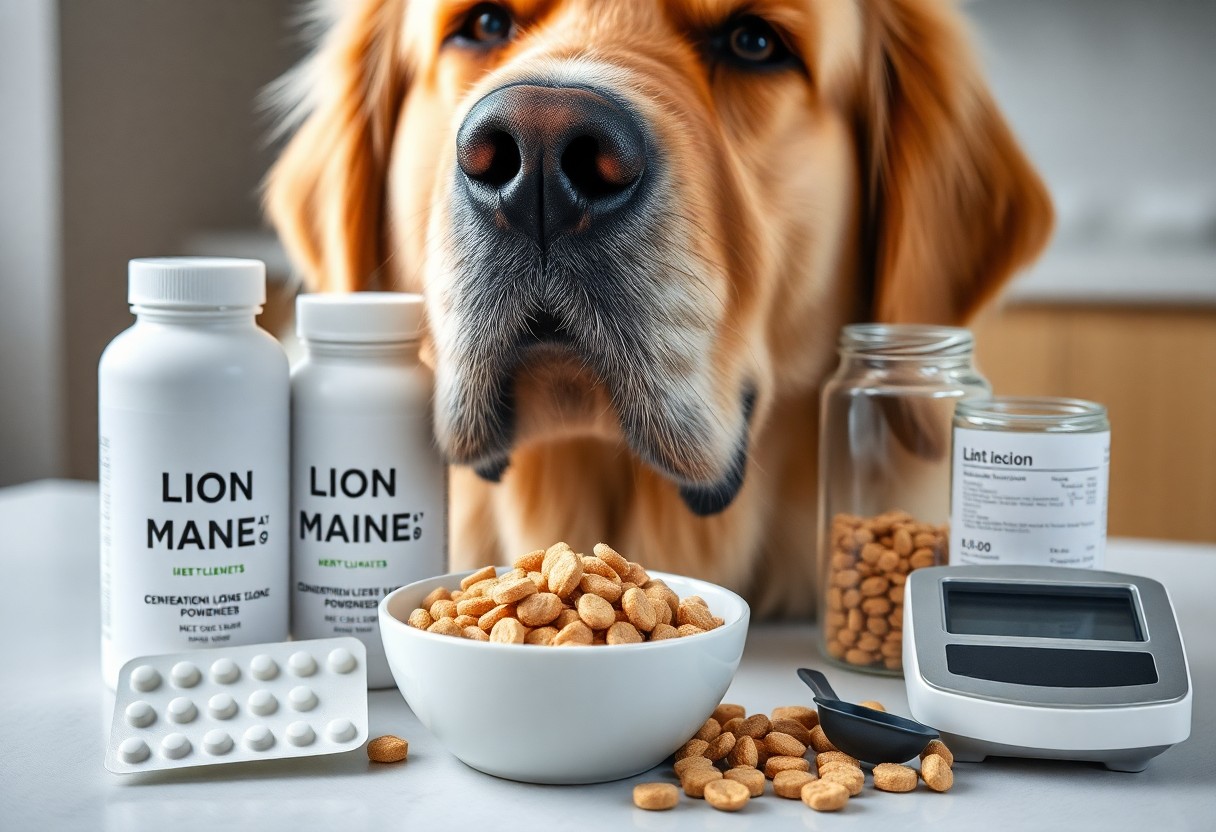
Quality matters when you choose Lion’s Mane supplements for senior pets; check:
- Fruiting bodies source
- Beta-glucan percentage
- Third-party testing
Any product missing these should be avoided.
Sourcing Fruiting Bodies vs. Mycelium
Consider choosing supplements made from fruiting bodies rather than mycelium on grain, since you give your pet higher concentrations of active compounds and lower filler risk.
Verifying Beta-Glucan Content and Purity
Check labels for guaranteed beta-glucan percentages and clear purity testing, so you can avoid products with low active content or contaminants.
Demand a current Certificate of Analysis (CoA) from an independent lab showing measured beta-glucan percentage and absence of heavy metals, pesticides, and microbial contaminants; you should expect clear numeric values rather than vague “polysaccharide” claims. Manufacturers offering only total polysaccharide data or no third-party testing pose a potential risk to your pet.
How to Determine the Proper Dosage for Your Pet
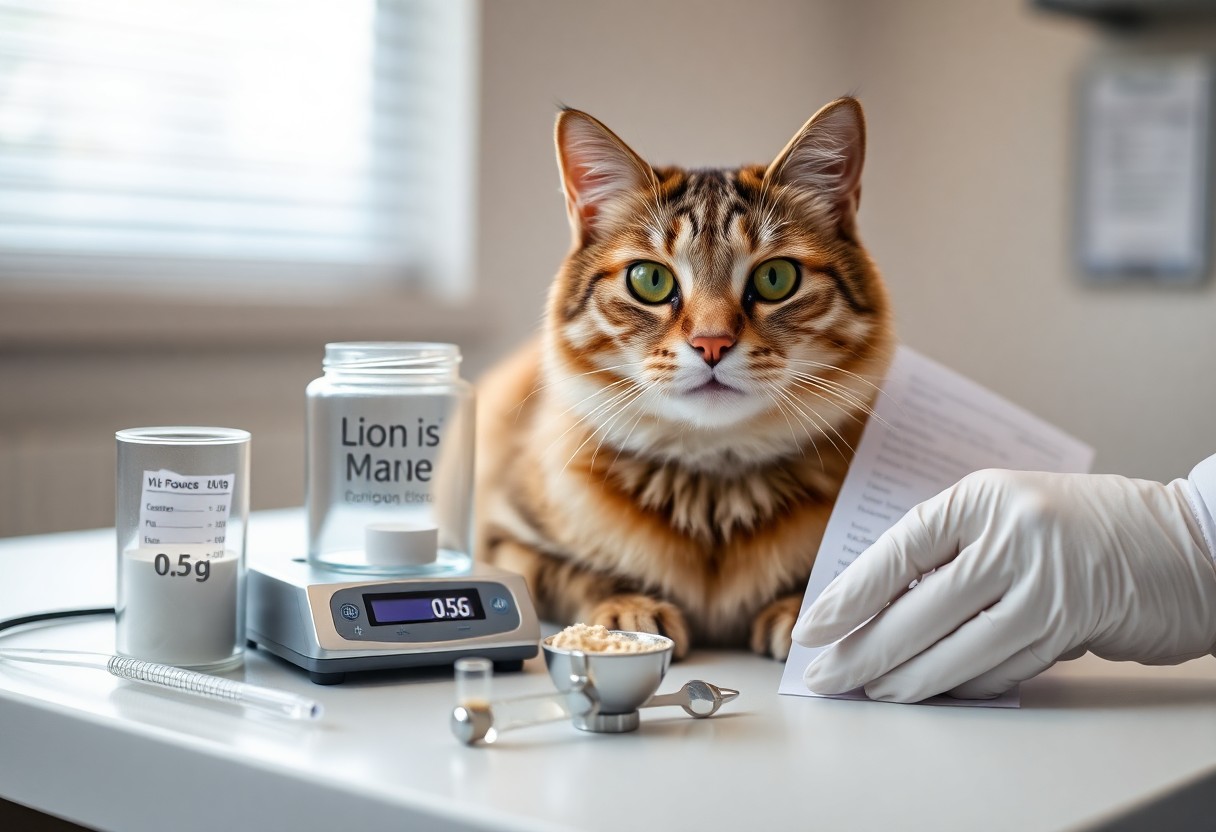
Dosage depends on your pet’s weight, age and health; start low and increase slowly while monitoring for allergic reactions or gastrointestinal upset. Always confirm with your veterinarian, especially if your pet takes other medications.
Weight-Based Guidelines for Dogs and Cats
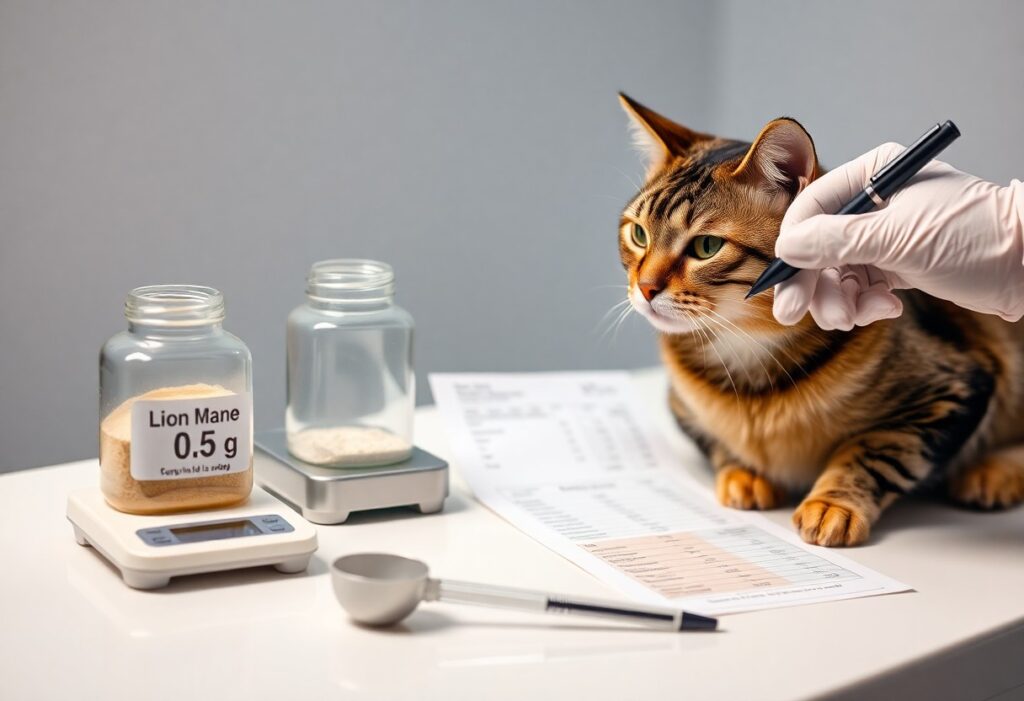
Dogs and cats often receive lion’s mane at roughly 50-250 mg per 10 lbs (4.5 kg) daily, adjusted for extract strength; follow product directions and your vet’s advice. Reduce dose and seek veterinary help if you observe vomiting, diarrhea, or lethargy.
Adjusting Dosage for Chronic Health Conditions
Pets with liver, kidney, or immune disorders may need lower doses; discuss dosing and bloodwork with your veterinarian because lion’s mane can interact with immunosuppressants and anticoagulants. Watch for worsening symptoms and stop if adverse signs appear.
If your pet has chronic illness, obtain baseline labs (CBC, chemistry, clotting) and schedule rechecks while supplementing; your vet can recommend safe starting doses and adjust for organ dysfunction. Reduce or stop if you see bleeding, immune flare, or hypoglycemia, and track progress toward improved cognition under veterinary oversight.
How to Incorporate Lion’s Mane into Daily Meals
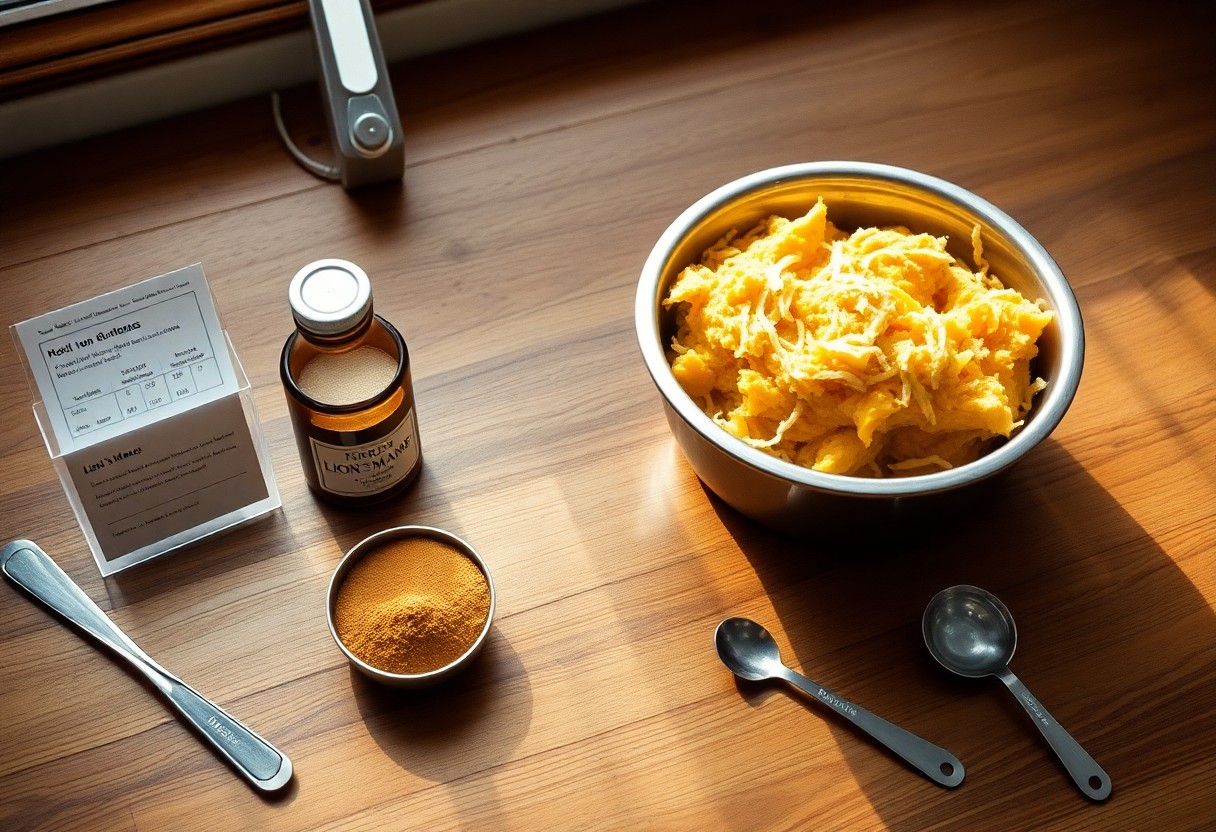
Add lion’s mane powder sparingly to meals, stirring into wet food or broths so your pet accepts it. You should begin with a low dose, monitor for GI upset or allergic signs, and consult your veterinarian before ongoing use to avoid interactions.
Effective Mixing Techniques for Picky Eaters
Try mixing small amounts of lion’s mane into warm pumpkin, fish broth, or plain yogurt so your pet accepts the taste. You should increase slowly, watch for digestive upset, and hide doses in favorite treats if needed to maintain consistency.
Choosing Between Powders, Tinctures, and Capsules
Compare powders, tinctures, and capsules by administration and dosing: powders blend into food, tinctures absorb faster, and capsules offer precise doses. You should consider pet size, pill tolerance, and medications, and consult your veterinarian to prevent interactions.
Consider product specifics before buying: powders offer flexible dosing but quality varies, tinctures may contain alcohol or solvents that can harm pets, and capsules provide measured doses for easier tracking. You should check for third‑party testing and clear concentration labels, and consult your veterinarian if your pet takes other medications.
Practical Tips for Enhancing Neurological Support
Use Lion’s Mane with vet-approved dosing and balanced nutrition so you support cognitive health in senior pets. This includes tracking behavior, noting any danger signs and pausing supplements if issues arise.
- Start low, go slow with Lion’s Mane dosing.
- Record changes to memory, appetite, or mobility for neurological support.
- Seek immediate care if you see seizures or collapse.
Pairing Supplements with Cognitive Enrichment
Combine Lion’s Mane with targeted games, scent work, and short training sessions so you enhance cognitive health; check for interactions and stop supplements if adverse reactions occur.
The Importance of Routine and Consistency
Keep dosing, feeding, and training schedules predictable so you reinforce neurological gains from Lion’s Mane and minimize stress for senior pets.
Establish a daily plan that pairs consistent dosing times with gentle exercise and mental challenges; you should log sleep, appetite, and behavior to spot improvements or adverse effects. If you switch brands or add supplements, introduce one at a time over weeks and consult your vet for testing and tailored adjustments to sustain long-term neurological support.
Monitoring Progress and Safety Precautions
Monitoring your pet’s response over weeks lets you note subtle gains and detect adverse reactions; pause supplementation and contact your veterinarian if you observe severe symptoms like persistent vomiting, diarrhea, severe lethargy, or sudden behavioral decline.
Tracking Behavioral Improvements Over Time
Track daily behavior in a short log, noting alertness, engagement, and responses to familiar cues; you may see improvements within 4-12 weeks, so share records with your veterinarian to guide dosing and expectations.
Identifying Potential Gastrointestinal Sensitivities
Watch for loose stools, vomiting, reduced appetite, or new gas after starting lion’s mane; if you notice persistent GI upset or dehydration, stop the supplement and contact your veterinarian immediately.
If mild loose stool appears, reduce the dose for 3-5 days while offering bland food and extra water; reintroduce gradually only if symptoms resolve. Stop immediately and seek veterinary care for persistent vomiting, bloody stool, or dehydration. Keep a dosing log and share changes with your veterinarian.
To wrap up
Considering all points, you can support your senior pet’s cognitive health by introducing standardized lion’s mane supplements at vet-recommended doses, monitoring behavior and side effects, pairing with balanced diet and mental stimulation, and scheduling regular checkups to assess progress.
FAQ
Q: What is Lion’s Mane and how can it support cognitive health in senior pets?
A: Lion’s Mane (Hericium erinaceus) is a mushroom that contains bioactive compounds called hericenones and erinacines that can stimulate nerve growth factor (NGF) and support neuronal repair. Research in rodents and limited human studies shows these compounds can promote neurogenesis, reduce neuroinflammation, and improve memory and learning in models of cognitive decline. Pet-specific clinical data are limited, but veterinarians and pet owners report behavioral improvements in some senior dogs and cats when Lion’s Mane is used as a complementary therapy alongside proper diet, exercise, and veterinary care. Use Lion’s Mane as an adjunct to, not a replacement for, veterinary diagnosis and any prescribed treatments.
Q: How should I choose a Lion’s Mane product and determine the right dose for my senior dog or cat?
A: Choose products made from the fruiting body or a full-spectrum extract standardized for active compounds; avoid supplements that list only mycelium grown on grain as the primary ingredient. Look for third-party testing for purity, heavy metals, and microbial contamination, and prefer manufacturers that list extract ratio and active-compound standardization. Typical dosing varies by product and pet weight; many veterinarians and manufacturers recommend starting low and titrating while monitoring tolerance. A common practical guideline used in the pet-supplement market is roughly 5-25 mg per kg of body weight per day, given once or split into two doses, though some commercial products use fixed daily amounts (for example, 50-300 mg for small pets and 300-1000 mg for large dogs). Administer powder or capsule contents mixed into food or use liquid extracts if the pet refuses dry forms, and follow label concentration and frequency. Consult your veterinarian to set a precise dose based on your pet’s weight, health status, and concurrent medications.
Q: What safety concerns, interactions, and timeline should I expect when using Lion’s Mane for cognitive support?
A: Lion’s Mane is generally well tolerated; mild gastrointestinal upset or soft stools are the most commonly reported side effects. Allergic reactions are rare but possible-discontinue use and seek veterinary care if your pet develops hives, facial swelling, or severe vomiting. Use caution if your pet is on immunosuppressive therapy or has an autoimmune disorder because Lion’s Mane can modulate immune activity; consult your veterinarian before starting. Avoid combining Lion’s Mane with anticoagulant medications without veterinary approval due to potential effects on clotting. Monitor baseline behavior (alertness, orientation, play interest, response to commands) before starting and reassess every 4-12 weeks. Subtle improvements may appear within 4-12 weeks for some pets; larger or long-standing cognitive deficits may require several months of consistent supplementation paired with diet changes and mental stimulation to observe meaningful change. Stop supplementation and contact your veterinarian if adverse effects occur or if no improvement is seen after a reasonable trial period agreed with your vet.