You can consult a virtual vet for minor issues like follow-ups and medication questions, but seek immediate in-person care for severe trauma, breathing trouble, or uncontrolled bleeding to avoid danger; learn when telehealth offers convenience and timely guidance versus urgent hands-on care.

Defining the Scope of Veterinary Telehealth
Telehealth helps you handle routine follow-ups, behavioral advice, and chronic-condition checks remotely, while in-person exams remain necessary for suspected fractures, severe pain, or life-threatening signs. Use virtual visits for convenience and triage; plan clinic visits when you observe rapid breathing, collapse, severe bleeding.
Distinguishing Between Teletriage and Telemedicine
Teletriage gives you immediate guidance to assess urgency and recommend action, while telemedicine provides diagnosis and treatment plans when a veterinarian has access to your pet’s history. Rely on teletriage for quick screening; seek in-person care if you face severe vomiting, lethargy, or uncontrolled bleeding.
The Role of Technology in Modern Pet Care
Devices like video platforms, remote monitors, and secure messaging let you share observations and vitals with your veterinarian, improving follow-up and chronic disease management. Use tech to catch trends early, but be aware of data privacy limits and when a physical exam is required.
Wearables and in-home sensors give you continuous activity, heart-rate, and sleep data so your vet can detect declines early before they become emergencies. Video exams, cloud records, and AI triage tools help prioritize care, but you must avoid relying solely on apps-false reassurance can delay treatment. Seek in-person diagnostics for abnormal vitals or worsening symptoms.
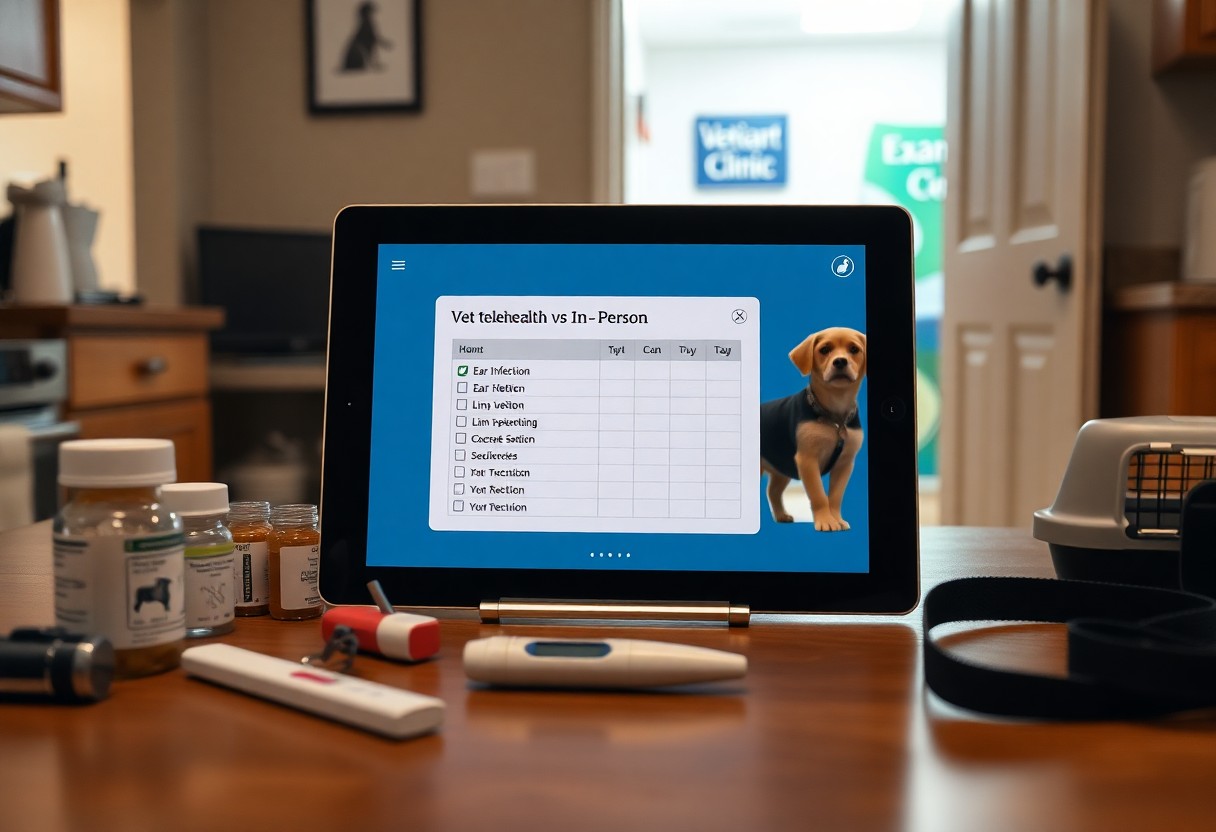
Optimal Use Cases for Virtual Visits
Telemedicine suits routine check-ins, minor concerns, and follow-ups when you can show symptoms on video; reserve in-person care for emergencies or rapid deterioration.
Behavioral Consultations and Wellness Coaching
Behavioral consultations and wellness coaching let you address anxiety, training issues, and routine habit changes remotely, with positive outcomes when you follow tailored plans.
Managing Chronic Conditions and Dermatological Follow-ups
Chronic condition check-ins and dermatology follow-ups work well virtually for medication adjustments and wound reviews, though you should seek in-person care for infection or rapid worsening.
Detailed virtual follow-ups let you report symptoms, share photos, and receive timely medication tweaks, saving travel and stress; you must arrange an in-person visit if you notice foul odor, spreading redness, or sudden behavioral decline, since these indicate serious problems that need hands-on assessment.
When an In-Person Examination is Non-Negotiable
Certain signs mean you must bring your pet in: uncontrolled bleeding, severe breathing difficulty, seizures, or collapse-seek immediate in-person emergency care instead of telehealth.
Acute Trauma and Emergency Medical Scenarios
Severe trauma-falls, hit-by-car incidents, or deep wounds-requires rapid hands-on assessment, stabilization, and often imaging; teletriage can guide you, but do not delay urgent transport to a clinic.
The Importance of Physical Palpation and Diagnostic Testing
Hands-on palpation, orthopedic testing, and immediate diagnostics like bloodwork and radiographs reveal issues you cannot see on video and often change treatment plans.
Because hands-on exams detect subtle pain, swelling, crepitus, or masses that alter your pet’s diagnosis, you may need focused imaging, cytology, or blood panels to define treatment and prognosis-tests telehealth cannot replace alone.

The Hybrid Model: Integrating Both Worlds
Combining telehealth and clinic visits lets you consult quickly, then get in-person care for urgent signs or procedures, so you maintain both convenience and thorough treatment.
Streamlining the Triage Process for Efficiency
Triage calls let you describe symptoms quickly so the vet flags life‑threatening issues for immediate care while non-urgent cases get remote advice and follow-up.
Reducing Stress for Anxious or Senior Pets
Home video visits let you keep anxious or senior pets comfortable, offering reduced anxiety and clearer observation of mobility issues, while prompting urgent in-person checks for signs of hidden pain.
You can use brief videos of gait, breathing, appetite, and medication responses so the vet identifies concerning trends and prescribes pain relief or schedules an in-person exam for urgent intervention.

Legal and Safety Considerations
Regulations vary by state and will determine when you can use telehealth; you must confirm a valid VCPR before remote diagnosis, and be aware of privacy and liability risks. For emergencies or serious infections, you should seek immediate in-person care.
Establishing a Valid Veterinarian-Client-Patient Relationship (VCPR)
A VCPR ties a specific vet to your animal and often requires a physical exam before ongoing telehealth; without it, prescriptions and formal diagnoses may be illegal in many jurisdictions.
Understanding Prescription Limitations in Digital Care
Prescriptions issued via telehealth are limited: veterinarians may refuse to prescribe controlled drugs or long-term medications without an in-person exam, so you may need a clinic visit to obtain certain treatments.
When seeking meds remotely, note that rules differ by state and country; many vets cannot prescribe controlled substances (sedatives, opioids) or authorize vaccines without a prior exam. Telehealth works well for follow-ups and minor adjustments-you should use it for monitoring but get immediate in-person care for worsening pain, bleeding, or respiratory distress. Ask about documentation, refill policies, and local pharmacy availability to keep treatment safe and legal.
Preparing for a Productive Virtual Consultation
Before your consult, secure a quiet spot, stable Wi‑Fi, and access to your pet’s records; have a flashlight and a carrier ready. You should note any sudden or worsening symptoms that could indicate the need for an immediate in‑person exam.
Capturing Effective Visual Evidence and Vital Signs
Use a steady camera and bright lighting to send high‑quality photos of wounds, swellings, or rashes, record respiration and heart rate, and take temperature if safe. You should report any rapid breathing, collapse, or uncontrolled bleeding as urgent findings.
Organizing Medical History and Current Medications
Gather vaccination dates, chronic conditions, recent treatments, and a written accurate medication list with doses and timing; include supplements and topical products. You should list allergies and prior adverse reactions so the clinician can assess risk efficiently.
List each drug with exact dosages, administration times, route, and reason for use, photograph labels and prescriptions, and note any recent dose changes or missed doses. You should highlight known drug allergies or past drug reactions to avoid dangerous interactions.
Summing up
You can use telehealth for minor follow-ups, behavior concerns, and triage, but you should seek in-person care for emergencies, complex diagnostics, or when hands-on treatment is required; combining both approaches lets you access timely advice while ensuring thorough physical exams when needed.
FAQ
Q: When should I choose a telehealth visit for my pet instead of bringing them in?
A: Telehealth works well for behavioral consultations (house-soiling, separation anxiety), routine chronic-condition follow-ups (diabetes, arthritis) that need discussion and visual checks, medication refills and dose adjustments, initial triage to determine urgency, visible skin problems, and simple post-op wound inspections when there is no severe swelling, discharge, or pain. Bring the pet in for suspected fractures, uncontrolled bleeding, severe breathing difficulty, repeated seizures, collapse, suspected toxin ingestion, acute abdominal pain, severe vomiting or diarrhea with dehydration, lameness that prevents weight-bearing, or whenever diagnostics such as bloodwork, x-rays, ultrasound, or surgery are likely required. Start with telehealth if unsure: send clear photos and short videos first and ask your clinic whether an immediate in-person exam is necessary.
Q: How should I prepare my pet and myself for a virtual veterinary appointment?
A: Gather a concise timeline of the problem, recent medications and doses, vaccine status, allergies, and any prior lab results or records before the visit. Take clear photos and short videos that show symptoms, gait, breathing, wounds, or abnormal behaviors from multiple angles and in good light. Create a quiet, well-lit area with a non-slip surface and have a second person available to safely restrain or position the animal if needed. Test your camera, microphone, and internet connection ahead of time and have the clinic’s phone number ready in case the call drops. Be prepared to describe appetite, water intake, urination, stool, energy level, onset and progression of signs, and any treatments tried, and follow the veterinarian’s instructions immediately if they recommend an in-person follow-up.
Q: What are the limitations, costs, and legal considerations of virtual vet care?
A: Telehealth fees are often lower than in-person exams but vary by clinic and service type, so confirm costs, billing, and cancellation policies before the appointment. Limitations include inability to perform hands-on physical exams, on-site diagnostic testing, and procedures, which can increase the risk of missed subtle findings and often lead to a required in-person follow-up. Legal rules about establishing a veterinarian-client-patient relationship (VCPR) and prescribing medications differ by state and country; some jurisdictions require an initial in-person visit before controlled drugs can be prescribed or before definitive diagnoses are made. Treat telehealth as a complementary tool for assessment, monitoring, client education, and triage while accepting that certain conditions will always need face-to-face examination and diagnostics.