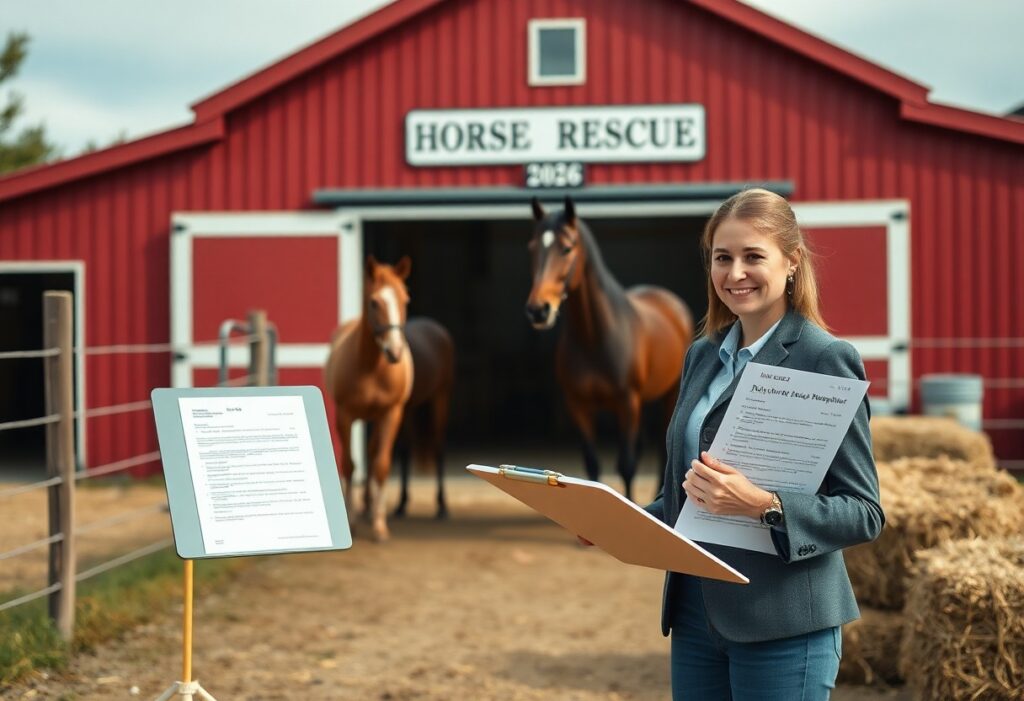
There’s a clear path to launch a horse rescue in 2026: you must secure licenses and insurance, fund operations, and adopt strict welfare and biosecurity policies to avoid legal liability, while you deliver a lifesaving, ethical mission.
How-to Establish Legal Non-Profit Status in 2026
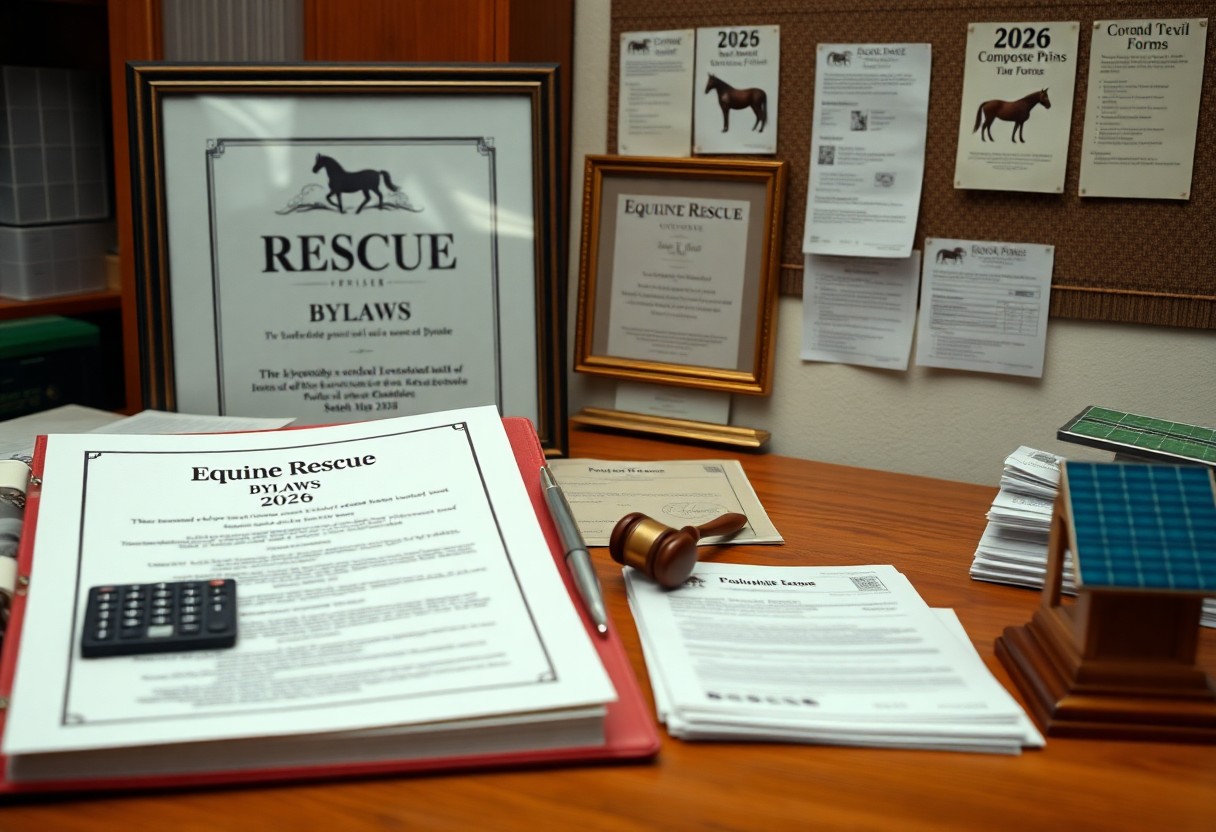
Forming a nonprofit requires filing state incorporation, drafting bylaws, and applying for federal recognition; you must complete IRS Form 1023 or 1023-EZ and obtain an EIN. Consult an attorney and keep compliance deadlines and recordkeeping strict to protect tax-exempt status.
Navigating federal and state 501(c)(3) requirements
Understanding IRS 501(c)(3) rules and your state’s registration requirements helps you qualify for grants and tax-deductible donations; you must document a clear charitable purpose, adopt a conflict-of-interest policy, and meet public support tests.
Securing comprehensive liability and equine insurance
Securing combined general liability, equine mortality, and medical coverage protects you from costly lawsuits and horse-care emergencies; you should verify policy limits, exclusions for activities like riding or adoption transport, and named insureds.
Compare insurers’ equine endorsements and confirm exclusions for activities such as competitions, trailering, or rehabilitation programs; insist on a certificate of insurance naming the rescue as additional insured. Train staff to collect signed waivers, maintain written boarding and adoption agreements, and set minimum limits for general liability plus separate equine mortality and medical coverage to avoid uncovered claims.
Key Factors in Financial Planning and Sustainability
Plan your budget around fixed costs, reserves, and realistic income projections so your financial planning and sustainability stand firm. Perceiving long-term cashflow risks lets you prioritize an emergency reserve and diversified revenue to avoid dangerous shortfalls.
- Five-year operating budget projections
- Emergency reserve and cashflow stress tests
- Revenue diversification (grants, sponsorships, earned income)
- Clear reporting and donor stewardship
Drafting a transparent five-year operating budget
Build a transparent five-year operating budget that details income, staffing, medical, and facility costs, and includes conservative revenue estimates and an emergency reserve. You should update it annually to reflect real expenses and grant cycles.
Diversifying revenue through grants and corporate sponsorships
Explore diversified funding through grants, corporate sponsorships, events, and earned income; track ROI and prioritize scalable streams. You must document sponsor obligations and impact metrics to protect your sustainability.
Develop your grant strategy by targeting local foundations and federal equine programs while preparing strong impact metrics, budgets, and compliance documents; accept restricted grants only when they align with core operations. For corporate sponsorships, you should craft tiered packages, define deliverables clearly, and secure multi-year commitments. Keep rigorous reporting, steward donors, and prioritize unrestricted funding to prevent dangerous cashflow gaps.
Tips for Selecting and Equipping the Ideal Facility
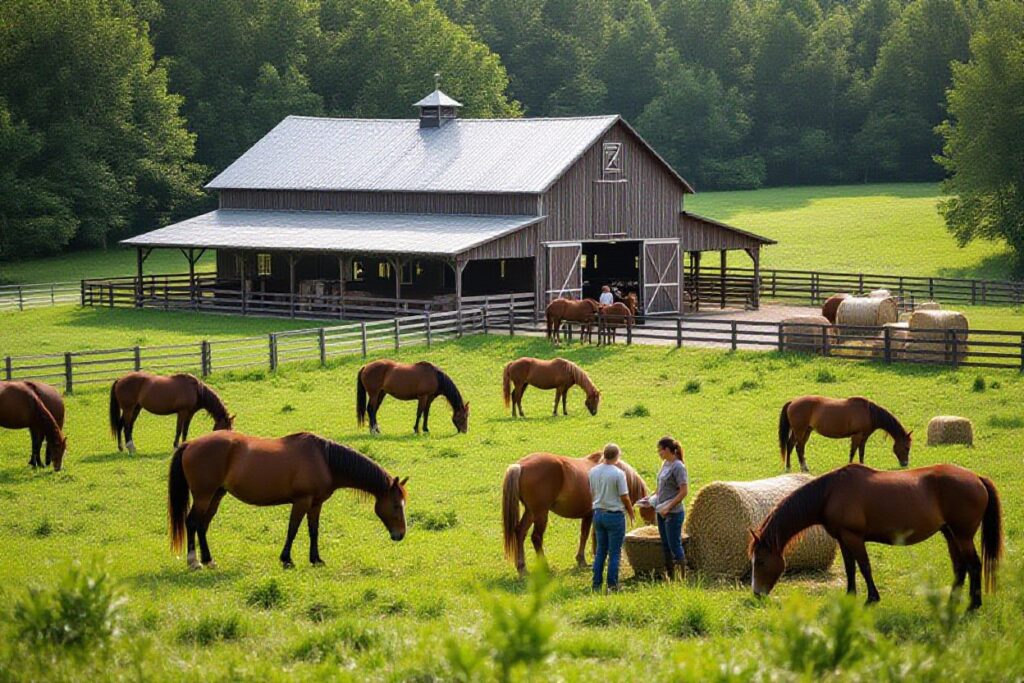
Site selection demands assessing acreage, zoning, and drainage, plus access, utilities, and safe fencing, and you must plan for shelter and staffing. Any plan should prioritize dedicated quarantine and rehabilitation spaces, veterinary access, and humane handling.
- Assess your acreage and drainage for grazing capacity and runoff risks
- Confirm local zoning and permit requirements
- Install secure fencing, safe stalls, and reliable water/electric
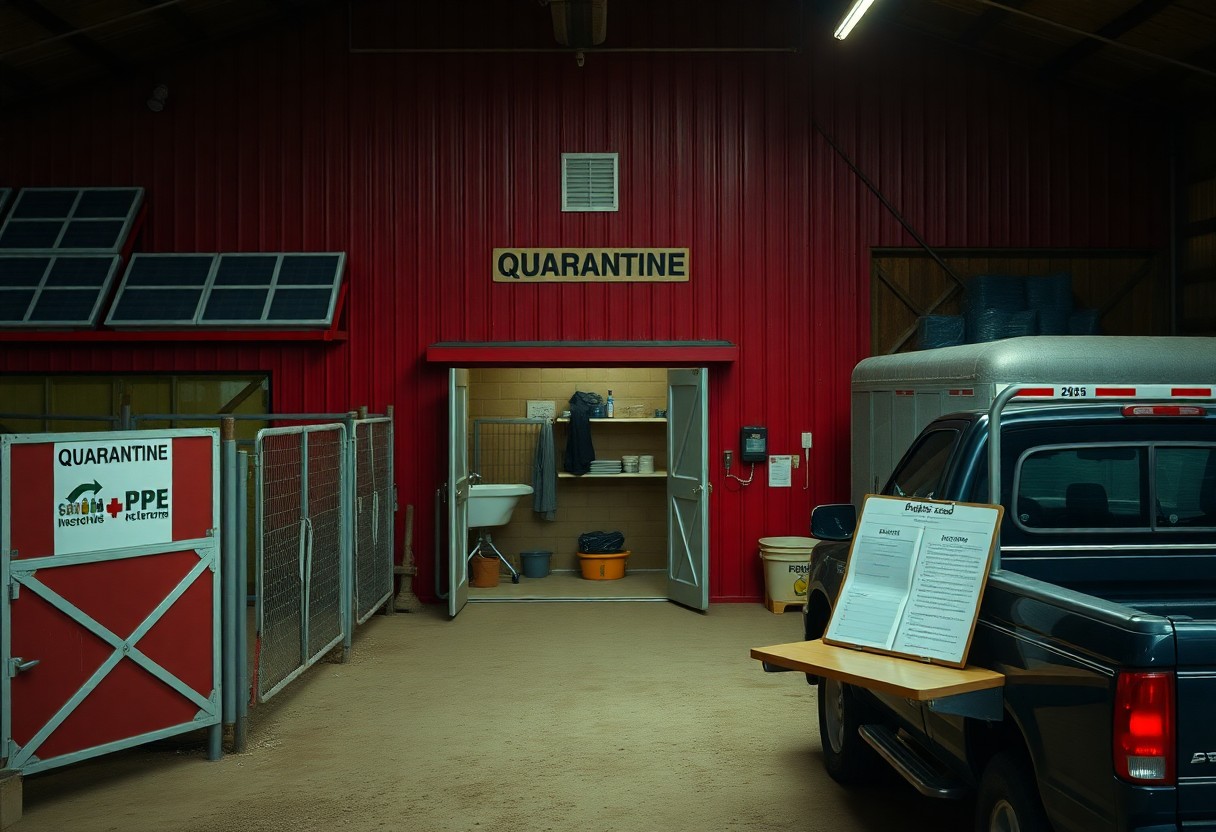
- Designate quarantine and rehabilitation zones with separate equipment
Assessing acreage, drainage, and zoning for livestock
Measure usable acreage, test soil and drainage, and confirm local zoning allows livestock; you should model runoff and emergency access to avoid legal or safety problems.
Essential infrastructure for quarantine and rehabilitation
Provide separate, ventilated quarantine stalls, non-porous surfaces, secure handling areas, and basic rehab arenas; you should keep isolation areas physically distinct to reduce disease spread.
Ensure your quarantine wing has controlled entry, dedicated equipment, negative-pressure ventilation where feasible, wash stations, and clear traffic flows to prevent cross-contamination; you must maintain written protocols, detailed records, and staff training to protect horses, limit disease transmission, and speed recovery.
How-to Implement Ethical Care and Intake Protocols
Implement clear intake flow so you triage, quarantine, vaccinate, and behavior-screen incoming horses; train staff to perform biosecurity checks and welfare scoring to reduce disease spread and protect animal and human safety.
Establishing objective horse health assessment standards
Standardize objective health assessments so you apply uniform scoring for body condition, lameness, dental, and behavior; document findings to guide intake decisions and prompt vet referrals when risk is high.
Developing a humane and ethical euthanasia policy
Define criteria so you balance pain, prognosis, quality of life, and public safety; include clear decision thresholds, consent protocols, and a process for humane methods performed by qualified personnel.
Document a written policy so you specify assessment checklists, scoring cutoffs, approved humane methods, required veterinary authorization, euthanasia documentation, owner notification procedures, staff training, grief support, and a review board to audit decisions and protect public safety and animal welfare.
Tips for Maximizing Adoption and Community Outreach
Focus your efforts on clear adoption screening, transparent medical histories, trained volunteers, and local partnerships. Assume that publishing success stories and keeping strict adoption records builds community trust.
- adoption
- community outreach
- volunteers
- screening
- social media
Digital marketing strategies for horse placement
Use targeted ads, high-quality photos, and detailed profiles to help you place horses faster; tag posts with local groups and adoption keywords, and verify applicants promptly.
Organizing high-impact fundraising and educational events
Plan fundraising rides, clinics, and open-farm days that let you combine education and donor engagement; highlight medical needs and success stories.
Coordinate your event logistics, secure permits, and set clear budgets; recruit trained handlers and emergency vet support, enforce biosecurity and crowd-safety protocols, and require signed waivers and liability insurance. Offer tiered sponsorships, silent auctions, demos, and youth activities to grow donations and awareness, and track donor retention plus post-event adoption follow-up.
To wrap up
Summing up you should register legally, secure stable funding and insurance, set clear welfare protocols, build a qualified care and rescue team, and connect with vets and community for adoption and support to run an ethical, compliant horse rescue in 2026.
FAQ
Q: What legal steps must I complete to start a horse rescue in 2026?
A: In 2026, begin by selecting a legal structure: nonprofit 501(c)(3), for-profit LLC, or unincorporated association, then obtain an Employer Identification Number (EIN) and register with your state. Form a board of directors, adopt bylaws, and create a conflict-of-interest policy if pursuing tax-exempt status. File federal tax-exemption paperwork (Form 1023 or 1023-EZ where eligible) and meet state charitable solicitation registration and reporting requirements. Verify local zoning and land-use permits for stables, turnout acreage, manure management, and wastewater rules; obtain building or occupancy permits as needed. Secure animal health and transport permits required by your state and any states you will move horses through. Purchase general liability, property, and equine-specific insurance and implement volunteer and staff background checks and safety waivers. Draft intake agreements, adoption contracts, medical consent forms, and recordkeeping protocols for medical, behavioral, and disposition histories. Consult an attorney experienced in animal or nonprofit law to review contracts, waivers, and compliance with employment, tax, and animal-cruelty statutes.
Q: How should I plan funding and budgets for a horse rescue starting in 2026?
A: Create a detailed business plan with startup and ongoing operating budgets that account for land or lease, fencing, shelters, feed and hay, bedding, utilities, vet care, farrier, labor, and equipment. Estimate startup costs anywhere from $25,000 to $250,000 depending on property and scale; estimate ongoing per-horse costs commonly between $200 and $800 per month depending on medical and housing needs. Build a multi-source revenue model that includes donations, recurring donor programs, grants, adoption or rehoming fees, sponsorships, fundraising events, and earned-income services (training, boarding, educational programs). Establish an emergency medical fund and carry equine mortality and liability insurance. Implement accounting software, separate bank accounts for operations and restricted funds, and transparent donor receipt practices to meet reporting obligations. Cultivate relationships with veterinarians, farriers, feed suppliers, and equine therapy programs to negotiate reduced rates and in-kind support. Track financial KPIs such as average cost per placement, days in care, donation retention, and reserve fund levels to inform budgeting and grant applications.
Q: What ethical policies should guide intake, care, and rehoming at a new rescue?
A: Adopt a written intake policy that defines admission criteria, triage procedures for urgent medical or behavioral cases, and limits on capacity to avoid overcrowding. Establish medical and behavioral standards of care that include vaccination, deworming, dental and hoof care timelines, and individualized rehabilitation plans. Create a humane euthanasia policy with clinical criteria and veterinary oversight for horses beyond recovery or suffering unrelievable pain, and document each decision with veterinary records and an ethics review when appropriate. Implement thorough adopter screening, structured trial or foster periods, written adoption agreements with post-adoption follow-up, and a return policy if placement fails. Maintain transparency with donors and the public through regular outcome reporting, clear use-of-funds disclosure, and searchable animal records where appropriate. Train staff and volunteers in low-stress handling, herd dynamics, and safety protocols, and provide mental-health support or debriefing for personnel involved in difficult decisions. Form partnerships with other rescues and welfare organizations for referrals, specialized rehabilitation, and shared best practices.