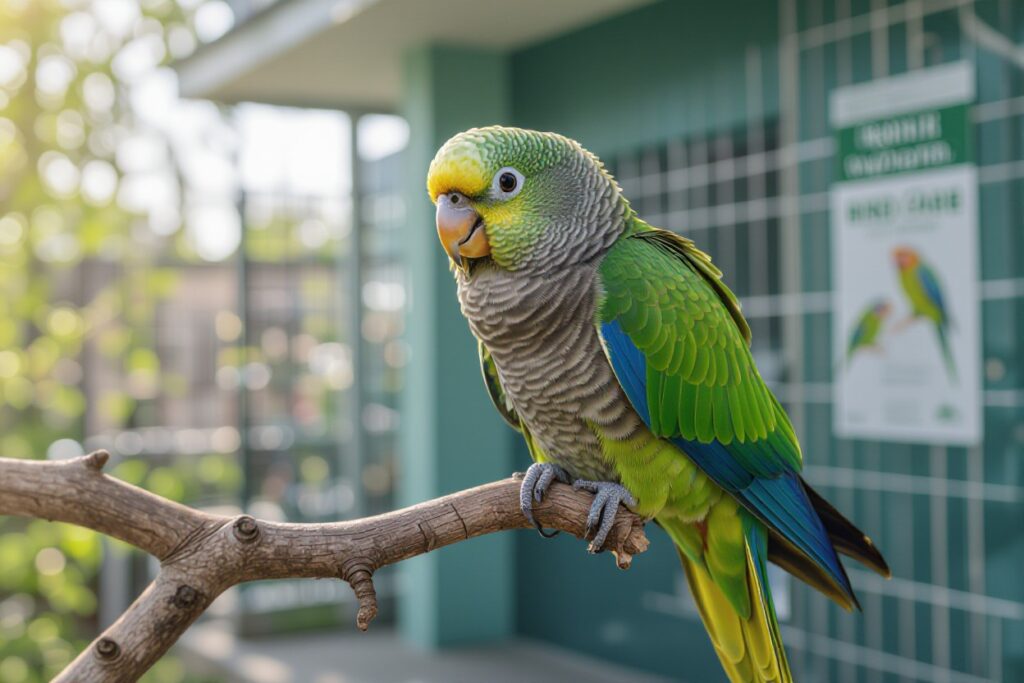
Most new pet bird owners start by choosing a species that fits your lifestyle; smaller parrots and budgies need less space and noise tolerance than larger macaws or cockatoos. Assess your available time, budget, and the lifespan of the bird so you can commit to long-term care.
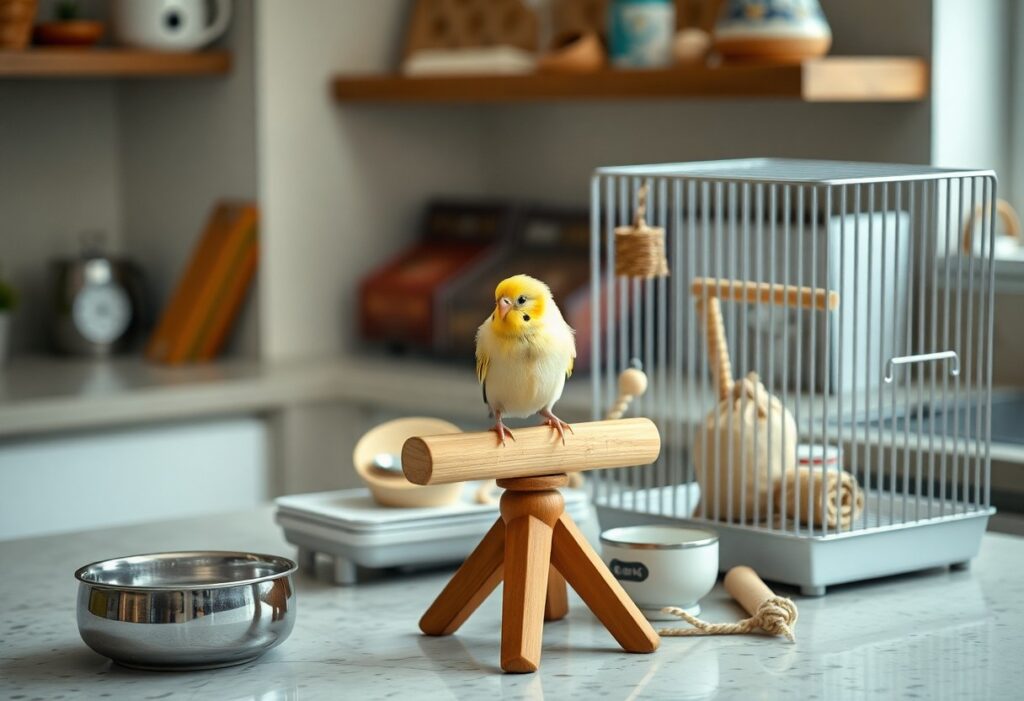
Set up an appropriate cage before bringing your bird home. The cage should allow full wing extension and safe bar spacing. Place the cage in a draft-free, well-lit area away from direct sunlight and kitchen fumes. Provide natural perches of varying diameters and non-toxic toys to encourage activity and foot health.
Provide a balanced diet centered on a species-appropriate pellet formula supplemented with fresh fruits, vegetables, and occasional seeds. Avoid avocado, chocolate, caffeine, and high-salt foods. Rotate produce daily and offer fresh water; clean and refill bowls every day to prevent bacterial growth.
Establish a relationship with an avian veterinarian and schedule an initial wellness exam to screen for parasites, nutritional problems, and behavioral concerns. Keep records of vaccinations and any treatments, and consult your veterinarian promptly if your bird shows changes in appetite, droppings, breathing, or activity level.
Invest time in socialization and gentle training. Use positive reinforcement with treats and praise to teach simple behaviors like stepping up and target training. Daily out-of-cage time builds trust and provides mental stimulation; supervise closely to prevent chewing on toxic materials or household hazards.
Maintain a regular cleaning routine for the cage, perches, toys, and feeding dishes. Replace bedding or liners frequently and perform deep cleaning weekly with bird-safe disinfectants. Proper hygiene reduces risk of respiratory and bacterial infections for both you and your bird.
Safety-proof the home for flighted birds: cover mirrors and windows during supervised free-flight, secure ceiling fans, keep doors closed, and avoid non-stick cookware fumes. Keep household plants, cleaners, and open flames out of reach. Use pet-safe pest control methods.
Stock necessary supplies: a properly sized cage, varied perches, food and water dishes, a supply of pellet food, fresh produce, safe toys, a first-aid kit, and the contact details for an avian veterinarian. With consistent care, enrichment, and attention, you will build a healthy, trusting bond with your new feathered companion.