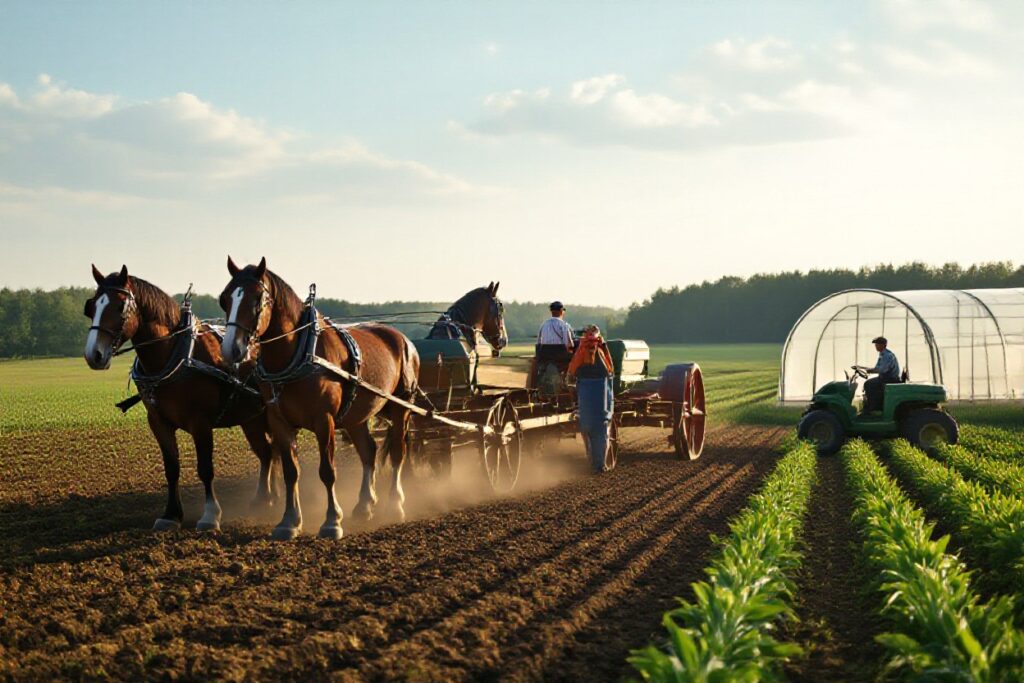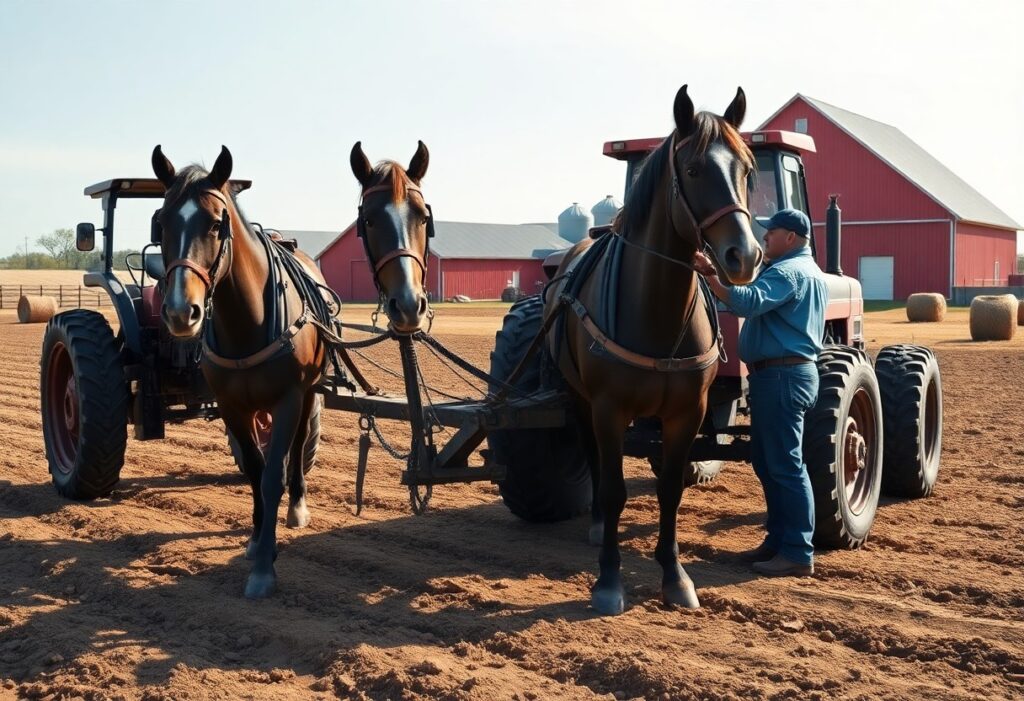
Agriculture has long been shaped by the partnership between people and Horses, and you can still see that relationship in many landscapes today. When you work with draft power from horses, you tap into a low-energy, flexible resource that can fit small-scale and specialty farms where heavy mechanization would compact soil or be uneconomical.
As modern farming evolves, you can combine traditional equine traction with contemporary practices like conservation agriculture and precision agriculture. Using horses for tasks such as plowing, planting in tight rows, or hauling enables you to protect soil health, reduce your carbon footprint, and maintain biodiversity in field margins. For diversified enterprises-market gardens, agroforestry, or heritage seed production-horses offer you quiet, low-impact work that machines cannot always match.
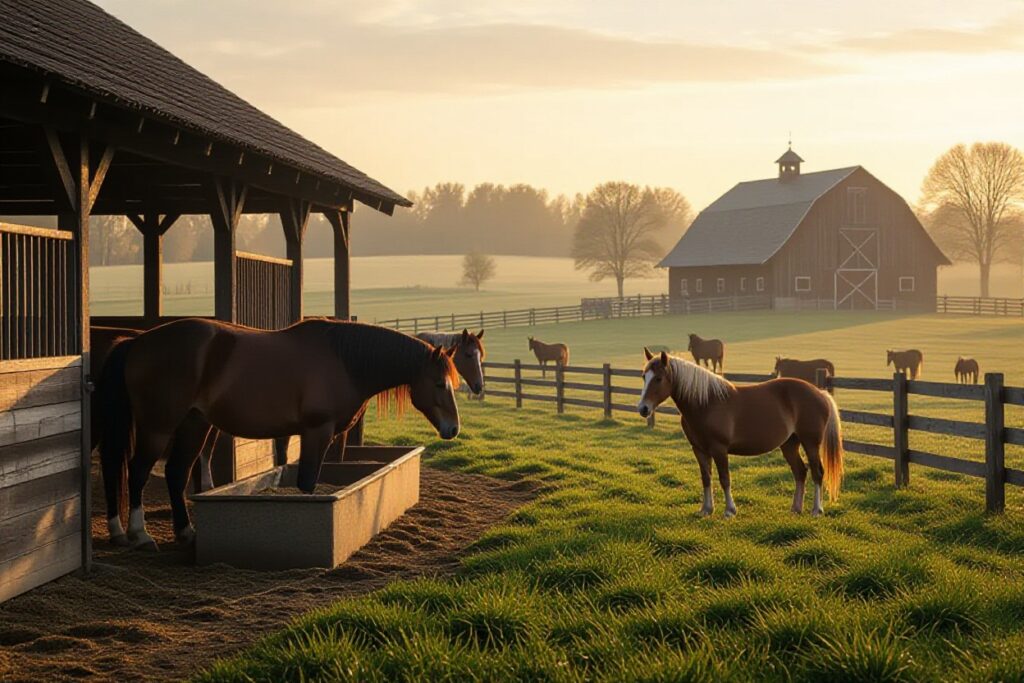
Your success with equine power depends on sound animal management and appropriate equipment. Prioritize animal welfare, balanced nutrition, and regular health care so your animals perform well and live long productive lives. Harnesses, implements, and team training must match the scale of your operations; lightweight implements and well-trained teams maximize efficiency while reducing stress on animals and land.
Integrating horses into a modern farm is a strategic choice: you can phase them in for specific tasks, use them seasonally, or maintain a mixed approach with tractors for heavy work and horses for sensitive sites. This hybrid strategy helps you achieve resilience, lower input costs, and stronger ties to farming traditions. Whether you seek sustainable alternatives, niche market appeal, or practical solutions for delicate soils, Horses remain a viable and valuable component of contemporary agriculture when managed with skill and care.