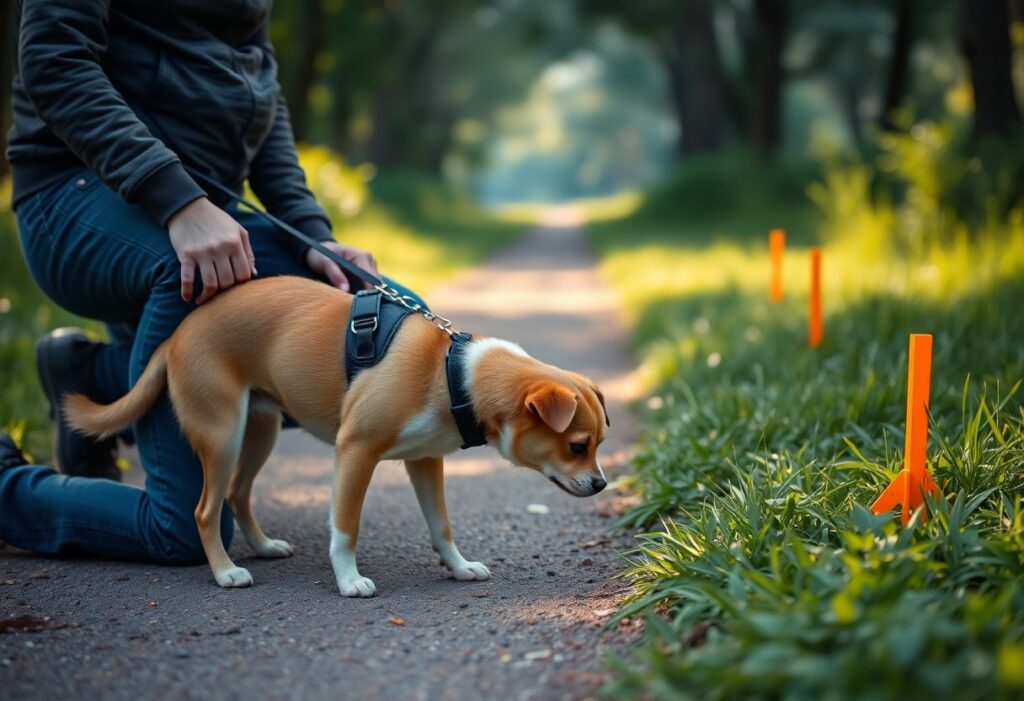
Many anxious dogs find relief when allowed to explore the world at their own pace. A “Sniffari” walk lets your dog lead the way, following scents and reducing stress through natural behavior. You control the route’s safety while giving your dog mental stimulation and confidence. This simple shift transforms walks from stressful to calming and enriching.
The Science of Scent and Canine Anxiety
Dogs process scent through the olfactory bulb, which connects directly to the brain’s limbic system-the center of emotion and memory. This powerful link means sniffing can calm anxiety by redirecting focus from stressors to environmental exploration. When your dog sniffs, they’re not just gathering information-they’re self-soothing in a biologically natural way.
How Sniffing Lowers Cortisol and Heart Rates
Studies show that when dogs engage in focused sniffing, their cortisol levels drop significantly. This natural decrease means your dog experiences measurable stress relief within minutes. Heart rates also slow, mimicking the effects of deep breathing in humans, helping your dog feel grounded and more in control during anxious moments.
Mental Enrichment vs. Physical Exercise
Physical walks often increase arousal, especially in anxious dogs, while mental enrichment through scent work promotes calm. A 15-minute sniff walk can be more tiring and satisfying than a 45-minute jog. Mental stimulation targets your dog’s natural instincts, offering deeper psychological benefits than physical exertion alone.
Unlike running or pacing, which can heighten anxiety in sensitive dogs, sniffing activates problem-solving areas of the brain. Your dog isn’t just passing time-they’re making choices, tracking patterns, and building confidence. This sense of agency is one of the most effective tools for reducing chronic stress, making mental enrichment a cornerstone of emotional well-being. Prioritizing sniff time isn’t indulgence-it’s important care.

Key Factors for Planning a Successful Sniffari
Success begins with understanding your dog’s needs and environment.
- Identify sensory triggers that cause stress
- Select low-traffic times for maximum comfort
- Choose familiar routes with safe sniff zones
- Bring high-value treats for positive reinforcement
Perceiving subtle cues from your dog ensures a calm, rewarding experience.
Identifying Your Dog’s Specific Sensory Triggers
You know your dog best-watch how they react to sudden noises, strong smells, or unexpected movements. Some dogs panic at the sound of bikes, while others tense up near certain surfaces. Observing these reactions helps you avoid problematic areas. Perceiving patterns in their behavior builds a safer Sniffari path.
Choosing the Right Time to Avoid High-Traffic Stress
Traffic isn’t just cars-it includes people, dogs, and loud activity. Early mornings or weekday late afternoons often offer quieter streets. Reduced stimulation lets your dog explore without feeling overwhelmed. Perceiving the rhythm of your neighborhood helps you pick the calmest window.
Timing directly impacts your dog’s emotional state. Crowded sidewalks or barking dogs at a peak dog-walking hour can trigger anxiety, even on a familiar route. By walking during off-peak hours, you give your dog space to process their environment at their own pace. This simple shift can turn a stressful outing into a confidence-building adventure. Perceiving how time affects your dog’s comfort is one of the most effective tools you have.
Essential Gear for Safety and Freedom
Proper equipment gives your anxious dog room to explore while keeping them safe. A long-line lead and secure harness work together to allow natural movement without risking escape or injury. The right gear reduces stress for both of you, turning a tense walk into a confidence-building experience.
Selecting a Long-Line Lead for Natural Movement
Length matters when choosing a long-line lead. A 10- to 15-foot line lets your dog sniff and wander without feeling restricted. Opt for lightweight, tangle-resistant material that won’t drag or spook your dog. This freedom supports calm exploration and builds trust over time.
Why a Secure Harness is Preferable to a Collar
Pressure on the neck can worsen anxiety and harm sensitive airways. A well-fitted harness distributes force across the chest, reducing physical and emotional strain. Dogs feel safer and are less likely to panic when not choked by sudden tension.
Unlike collars, which concentrate pressure on the trachea and spine, a secure harness supports controlled movement without pain. Many anxious dogs react to even slight leash corrections by freezing or bolting-this risk drops significantly with a front-clip harness. You gain better steering control while minimizing fear-based reactions, making each Sniffari walk safer and more effective.
How to Select the Ideal Low-Stimulus Location
Pick a place where your dog feels safe and can focus. Low foot traffic, minimal noise, and predictable surroundings help reduce anxiety. You want space for your dog to explore without sudden disruptions. Familiarity builds confidence, so choose spots with consistent sights and smells.
Finding Quiet Nature Trails and Open Fields
Seek out early-morning trails or lesser-known parks where crowds are rare. Open fields with natural vegetation give your dog room to move and explore at their own pace. These areas offer calming sensory input without overwhelming stimuli, making them ideal for building positive associations.
Utilizing “Sniff-Rich” Areas in Controlled Environments
Transform your backyard or a quiet corner of a dog-friendly garden into a sniffing zone. Plant safe herbs like mint or lavender and scatter familiar scents to encourage exploration. Controlled spaces let you manage distractions while still offering rich olfactory experiences.
Designate a specific area where you can rotate scent items like old towels with different outdoor smells or hide treats in grass or soil. This keeps the experience fresh and mentally stimulating. Dogs gain confidence when they can investigate without pressure, and predictable boundaries help anxious pups feel secure while engaging their natural instincts.
How-to Guide for Managing the Walk
Patience shapes every successful Sniffari walk. You’re not guiding your dog through your agenda but allowing them to explore at their own pace. Letting go of time pressure helps reduce your dog’s anxiety, turning each outing into a calming, confidence-building experience. Stay observant, keep the leash loose, and trust the process.
Mastering the Art of Following Your Dog’s Lead
Your dog knows where they want to go-let them show you. Instead of directing the path, walk behind or beside them, allowing natural curiosity to set the route. This small shift gives them control and security, reducing stress and building trust in unfamiliar environments.
Implementing the “Stop and Sniff” Rule for Decompression
Sniffing isn’t a distraction-it’s a necessity. Whenever your dog pauses to investigate a scent, let them. These moments serve as mental decompression, lowering cortisol levels and helping anxious dogs process their surroundings safely and calmly.
Allowing your dog to sniff freely activates their natural coping mechanisms. When you honor the “stop and sniff” rule, you’re not delaying the walk-you’re enhancing its therapeutic value. Each pause helps your dog gather information, feel grounded, and reduce hypervigilance, making future walks progressively less stressful.
Expert Tips for Handling Unexpected Stressors
- Stay calm-your dog mirrors your energy
- Carry high-value treats for quick positive associations
- Use a front-clip harness for better control
- Have an exit plan if the environment becomes too intense
Perceiving subtle shifts in your dog’s body language helps you respond before panic sets in. Staying composed and prepared allows you to guide your dog safely through surprises. Perceiving
Recognizing Early Signs of Overstimulation
You might notice your dog licking their lips, whale eye, or suddenly stopping during the walk. These small signals often precede more intense reactions. Catching them early gives you time to adjust your route or offer comfort. Perceiving
Techniques for Redirecting Focus During Encounters
You can use a cheerful voice to call your dog’s name or offer a favorite toy when distractions arise. Pairing the interruption with a high-value treat strengthens positive engagement. This shifts their attention from stress to you. Perceiving
Redirecting your dog’s focus isn’t about distraction-it’s about building trust through consistent, positive reinforcement. When a loud noise or passing cyclist triggers anxiety, initiate a simple cue like “look” and reward eye contact immediately. Over time, your dog learns that turning to you during chaos leads to safety and rewards. Perceiving
Final Words
Considering all points, you now have the tools to design a successful “Sniffari” walk for your anxious dog. Let your dog lead the pace, focus on familiar routes, and allow extended sniffing to build confidence. This simple shift in walking style reduces stress and strengthens your bond, giving your dog control in a world that often feels overwhelming.
FAQ
Q: What is a “Sniffari” walk and how does it help an anxious dog?
A: A “Sniffari” walk is a slow, purposeful outing where your dog leads the way and spends most of the time sniffing their surroundings. Unlike regular walks focused on exercise or distance, a Sniffari prioritizes mental stimulation and environmental exploration. For anxious dogs, this type of walk reduces stress by giving them control over their pace and allowing them to gather information about their environment through scent. Smelling familiar and new scents activates calming parts of a dog’s brain, helping them feel more secure and relaxed.
Q: How do I set up a Sniffari walk for my dog?
A: Start by choosing a quiet, safe location with plenty of interesting smells-like a park, tree-lined street, or nature trail. Use a standard leash or a longer six-foot leash to give your dog room to explore without losing control. Let your dog decide the direction and pace. Instead of guiding them forward, follow where they lead. Bring treats to reward calm behavior, but don’t rush them. Plan for 15 to 30 minutes, even if you only move a short distance. The goal is not to cover ground but to let your dog engage their nose and mind.
Q: Can Sniffari walks replace regular exercise for my dog?
A: Sniffari walks are not meant to replace physical exercise entirely. They serve a different purpose-mental enrichment rather than cardiovascular activity. An anxious dog still needs some form of structured movement, like a brisk walk or play session, to stay physically healthy. However, pairing a Sniffari with regular walks can balance both mental and physical needs. For many dogs, especially those with anxiety, mental tiredness from sniffing can be just as effective at promoting calmness as physical exertion.